


Kratovo man stabs police officer mid-intervention: prosecutors want the 40-year-old detained
15.09.2026


15.09.2026

15.09.2026
15.09.2026

15.09.2026
15.09.2026
15.09.2026

15.09.2026

14.09.2026
13.09.2026

15.09.2026

15.09.2026

14.09.2026

15.09.2026
15.09.2026

15.09.2026

15.09.2026

14.09.2026
13.09.2026
15.09.2026
15.09.2026
15.09.2026

15.09.2026

15.09.2026

14.09.2026

09.03.2026

27.02.2026

19.02.2026

15.09.2026
14.09.2026
14.09.2026

23.04.2026

23.04.2026

12.04.2026

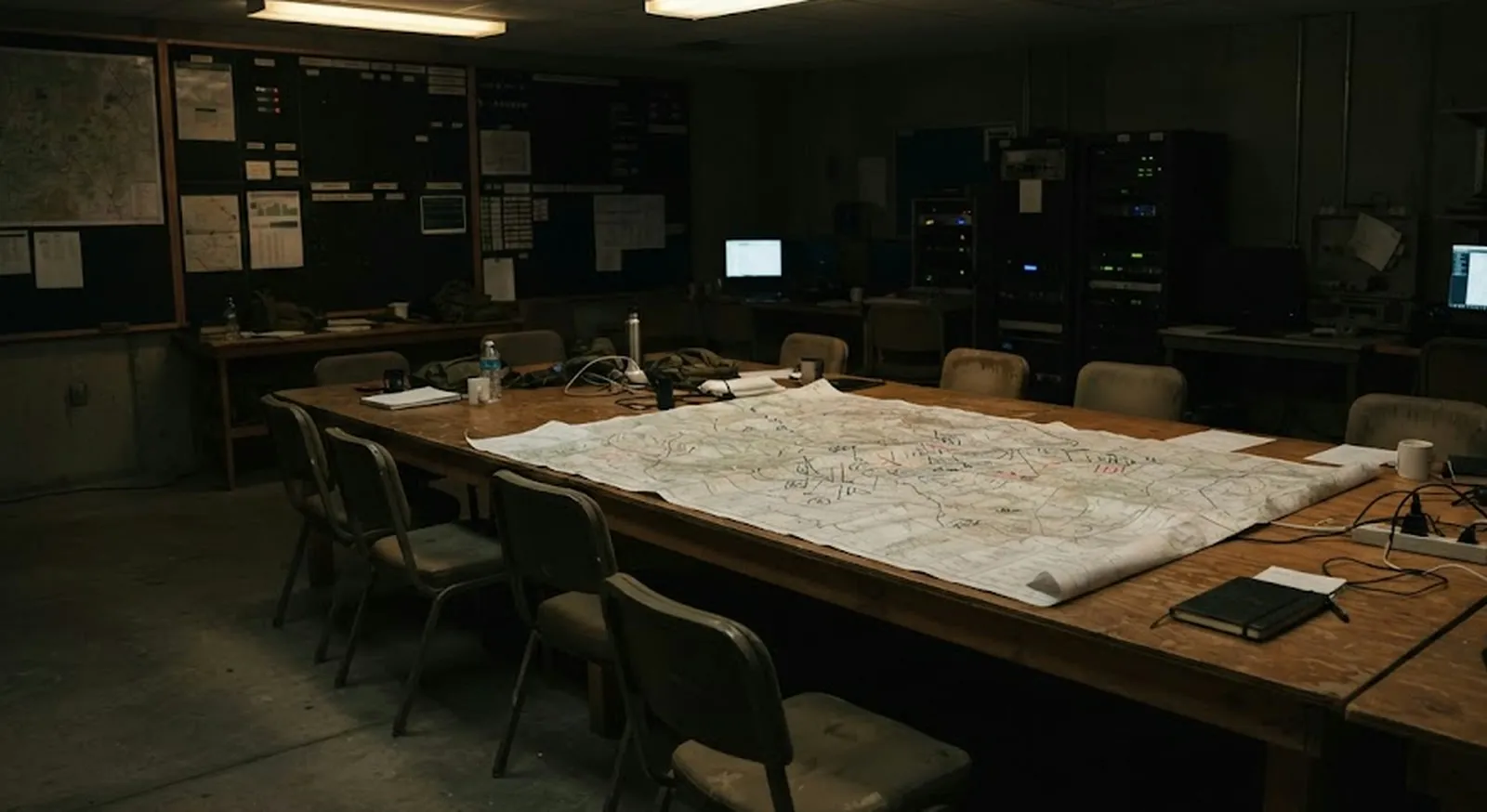
The man who led the defense of Kyiv in 2022 is writing a farewell letter today. Oleksandr Syrsky, until yesterday the supreme commander of Ukraine's army, was dismissed by President Volodymyr Zelensky - and instead of going quiet, he addressed the soldiers and citizens on social media with a message that is half record, half defense of his own legacy.
Syrsky wasn't modest. He lists his military successes like a record he wants kept in the textbooks: the defense of Kyiv in 2022, the Kharkiv offensive that liberated Balakliia and Izium, the halting of enemy offensives in the Kharkiv and Sumy regions. He claims that under his command 743 square kilometers of Ukrainian territory were liberated, that new drone-warfare systems were built and the air defense modernized.
„I'm handing over to my successor an army that not only defends itself, but is in an offensive position,” Syrsky wrote. A fine sentence for a farewell. The problem is that many in Ukraine read his era in a completely different way.
Why he fell
The dismissal didn't come out of a clear sky. It was preceded by mass protests in Kyiv and across Ukraine, led by veterans and soldiers demanding his resignation. The discontent escalated after Zelensky fired the popular reformer Mykhailo Fedorov - who then revealed that Syrsky had given him an ultimatum. When the army and the street demand someone's departure at the same time, it's usually not a misunderstanding.
The criticism in military circles was concrete: a command too centralized and based on Soviet doctrine, and enormous losses in battles like the one for Bakhmut. A war in which soldiers' lives were spent faster than the front line moved. His successor, 44-year-old general Mykhailo Drapatyi, is a favorite of the demonstrators precisely because he advocates greater autonomy for officers and faster decision-making.
The Balkans knows these stories of generals who become the symbol of one way of waging war, then fall when that way starts to cost too much. Syrsky leaves with a list of successes in hand. The question he leaves behind is harder: how many of those 743 kilometers were worth what they cost - and who counts the bills that aren't measured in square kilometers?
The latest 10 news from this category
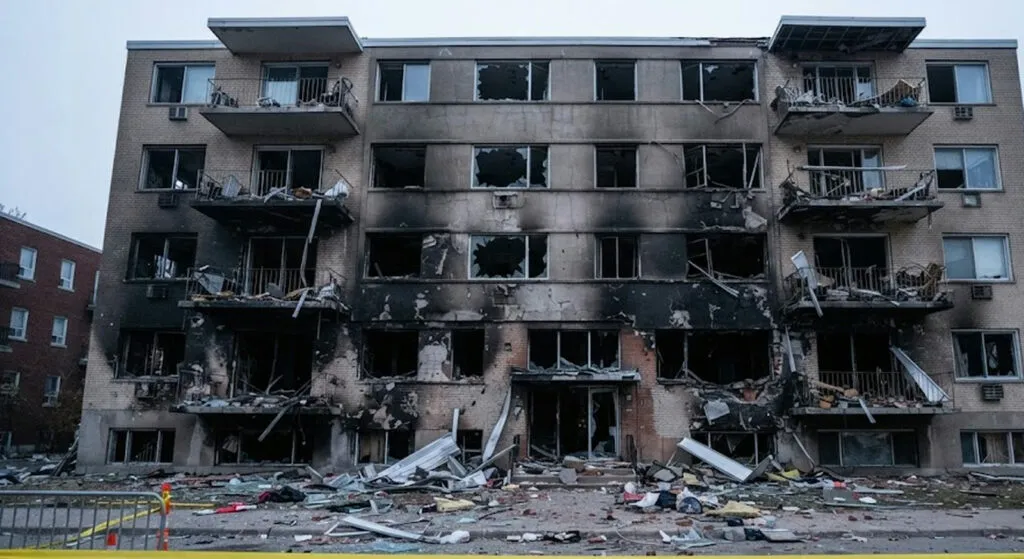
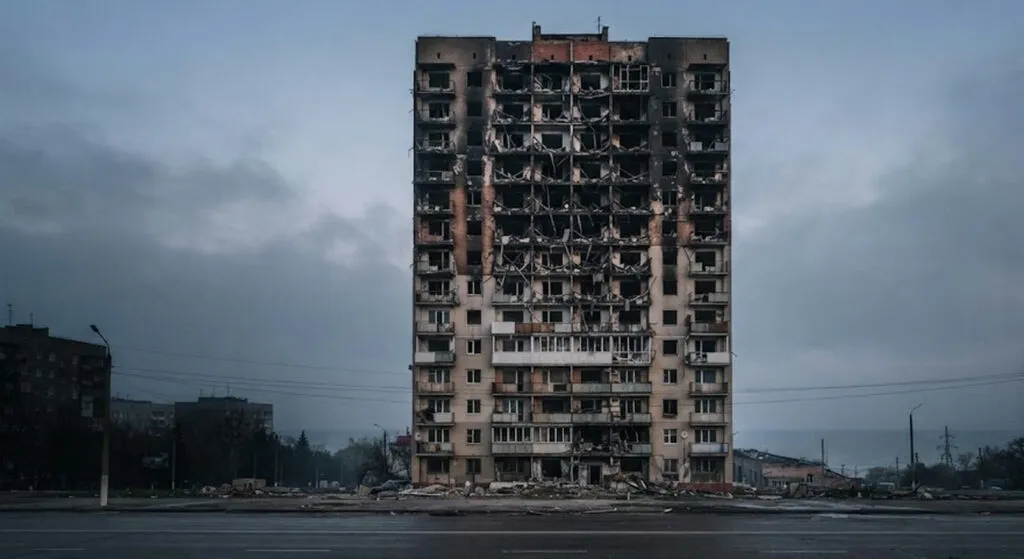
Residential buildings, a kindergarten and an Orthodox church damaged in Russia's largest Black Sea port. Four dead and 29 injured...
When there are no air-to-air missiles left, what remains is a 20mm cannon - and that means the pilot has...
In public - constructive talks. In private, according to an MP in the Verkhovna Rada, the envoys arrived with tougher...
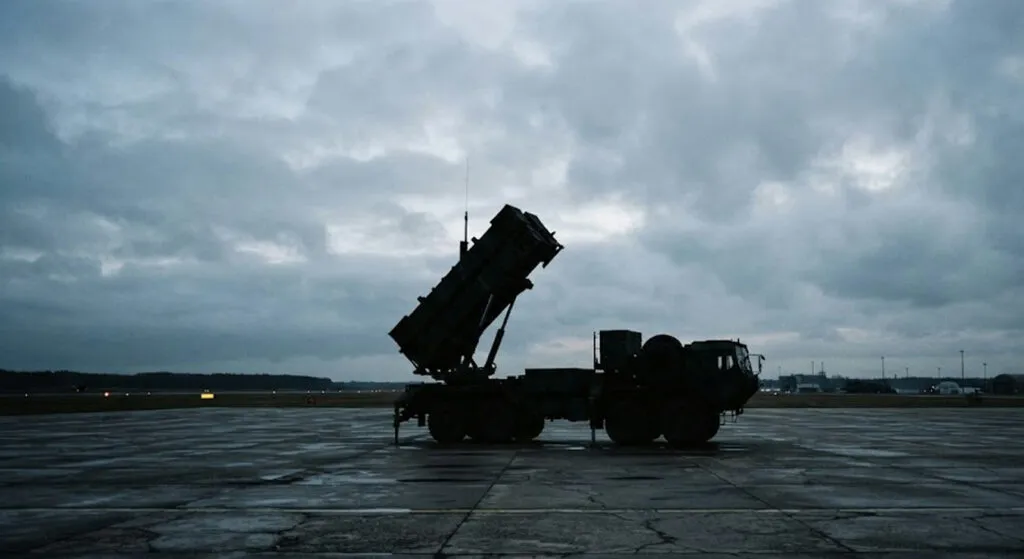
Not next month - 2027. A president planning air defence for the period after peace says more about the peace...
The sky above a capital is safe exactly as long as there are American negotiators inside it. That is not...
Two American envoys entered the Kremlin with a document nobody outside that room has read. A three-day pause over Kyiv...
From midnight until 8 September the Ukrainian army is under orders not to fire. Except a truce is when both...
Zelensky warned airlines and insurers that Russian airspace would de facto close. Putin answered with a sentence that shuts every...
The Banderol costs less than the interceptor sent to shoot it down. When the arithmetic looks like that, the war...
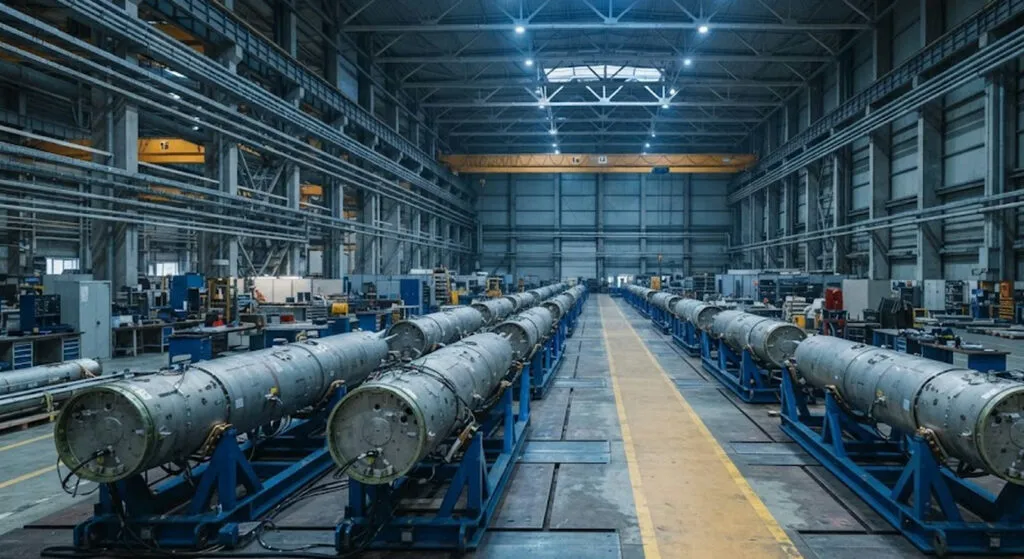
First they would not give missiles, then they gave them with rules on where they could be fired, now they...
This site uses cookies - is that okay? Learn more
Be the first to know when Metla launches something new
Leave your email and we will write when there is a new guide or something new on Metla.
