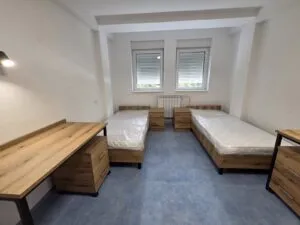
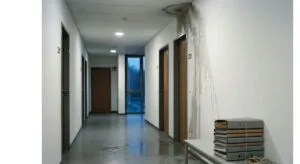
Stiv Naumov dorm renovated for around 10 million euros: a month later water runs through the walls and the ministry counts wet wipes
24.10.2026


24.10.2026

24.10.2026

24.10.2026

24.10.2026

24.10.2026

24.10.2026

24.10.2026

23.10.2026

22.10.2026
24.10.2026
24.10.2026

23.10.2026

24.10.2026

24.10.2026

24.10.2026

24.10.2026

23.10.2026

22.10.2026

24.10.2026

24.10.2026

24.10.2026

24.10.2026

23.10.2026
23.10.2026
24.10.2026

23.10.2026

23.10.2026
24.10.2026
22.10.2026
20.10.2026

23.04.2026

23.04.2026

12.04.2026

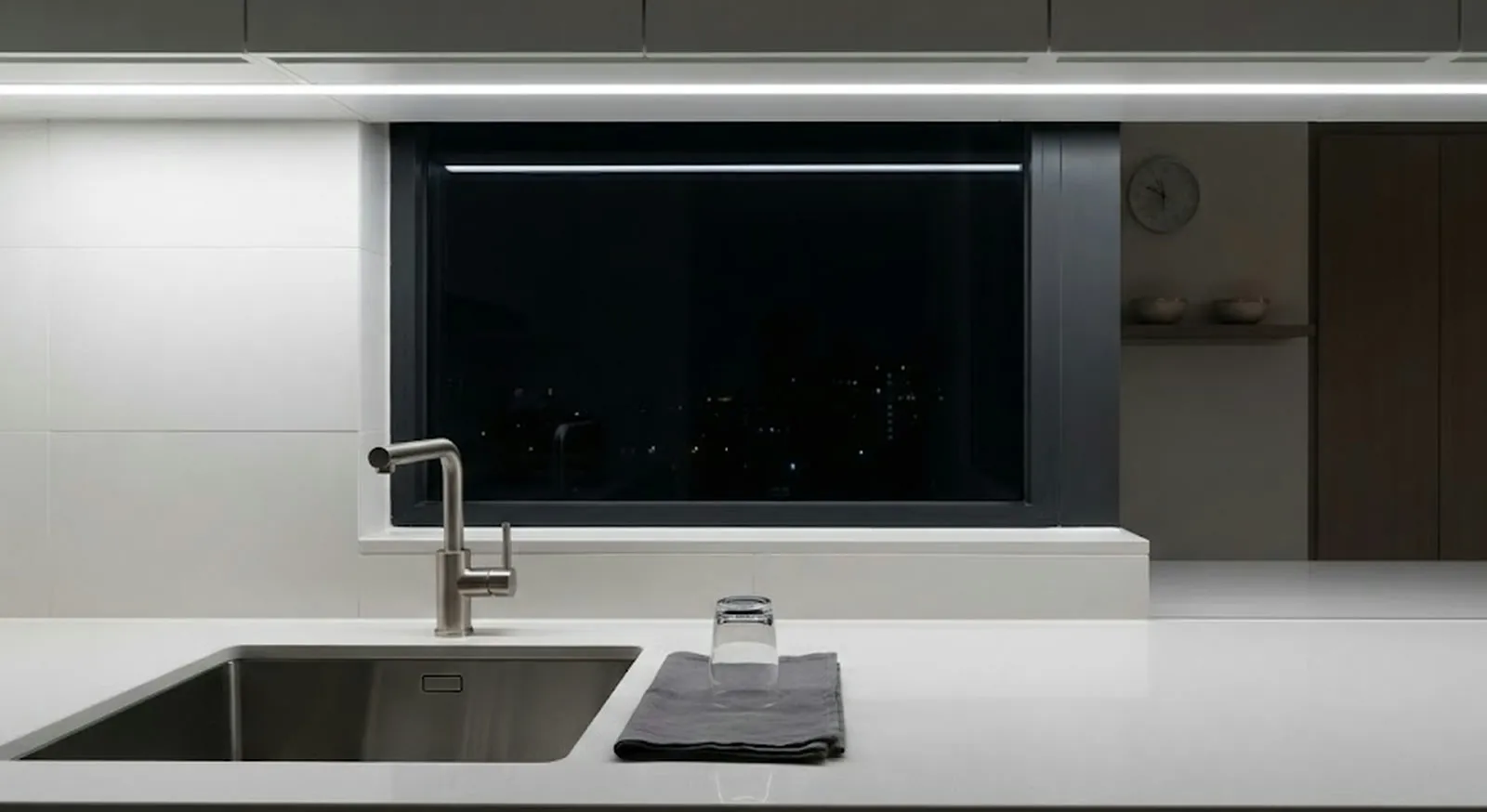
You cannot go to bed while there are dishes in the sink. The clothes piled on the chair bother you. You tidy the kitchen at one in the morning, exhausted, just so it is done. If you recognise yourself in this - psychology says it is almost never perfectionism.
Psychologist Sara Navarrete puts it plainly: tidying is "a way of trying to calm something happening inside us". When it is chaos outside - work, worries, mental fatigue, anxiety - a person looks for a small space where they still get to decide. The cupboard is that space. The drawer is that space.
The key point is that external order "works as a way of regulating the inner world". The home becomes a mirror: if things around me are in order, then I am in order too. That is a projection, not a fact - but the brain accepts it.
And why does the brain respond to this at all? Because it needs a certain sense of predictability to feel safe. Order sends a signal of stability and structure. That is exactly why in the hardest phases - a break-up, pressure at work, a major change - people start obsessing over small things. They control the visible because they cannot control what matters.
There is also a part that is harder to read. People who react most sharply to mess often grew up in an emotionally unpredictable environment, or in homes with a lot of tension. Tidying was the only security available to them. That is not a habit - it is an old defence that is still running.
The problem starts when calm depends on perfection. At that point order stops being a tool and becomes a condition. Navarrete puts it sharply: "The person no longer has order serving them. The person serves the order." The relief is short-lived, because the anxiety returns the second something gets moved again.
When is it time to look more seriously? When there is real anxiety if you do not get around to cleaning. When there is a feeling that something bad will happen if the ritual is not performed. When tidying swallows a large part of the day and causes suffering. When it makes you argue with your family. When you cannot relax if something has been moved.
The solution is not mess. The solution is flexibility - order that improves life rather than being the centre of it. Navarrete suggests two questions worth more than any technique: am I tidying because I enjoy it, or because I cannot stand feeling out of control? And: can I relax if something has been moved?
Her conclusion is a sentence worth remembering. Real peace does not come when everything is perfect, but when you are all right when it is not.
The latest 10 news from this category

Messi received the Princess of Asturias Award for Sport, and his plate is in the hands of Ismael Galancho. The...
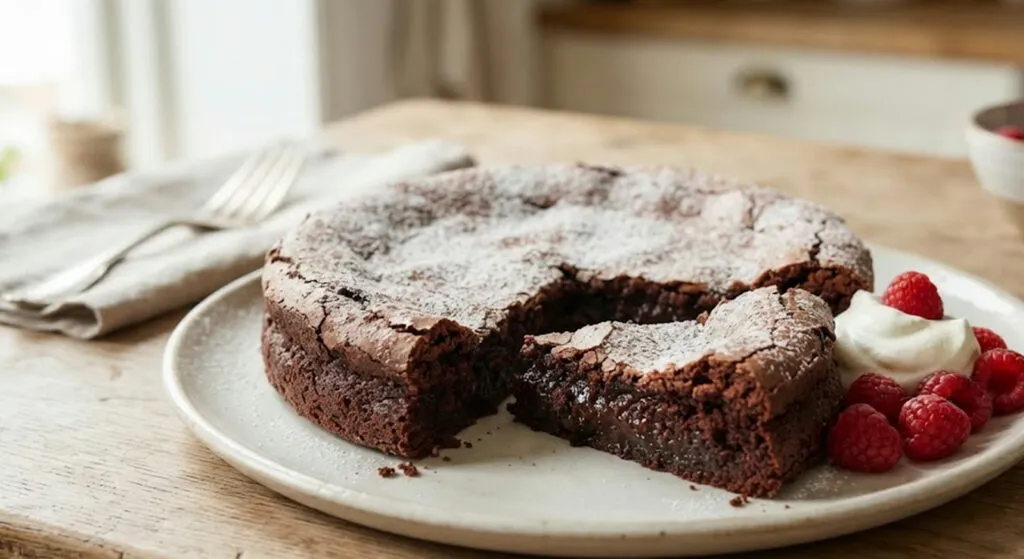
The Swedes have their own brownie, just humbler: two eggs, 250 grams of sugar and the nerve to take it...

She has had the disease since 2012, and it is quietly erasing the middle of the picture. Ophthalmologists say the...

Jesús Sánchez defends squid against every add-on that supposedly improves it - egg, milk, and even lemon.
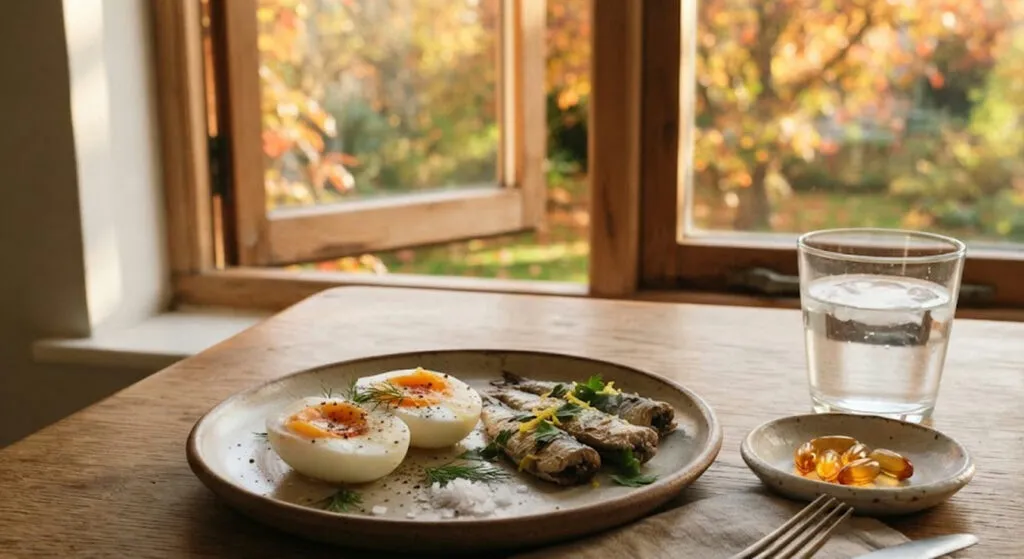
Autumn takes away our sun, and pharmacies sell it back to us in capsules. Andrea de la Puente, a specialist...
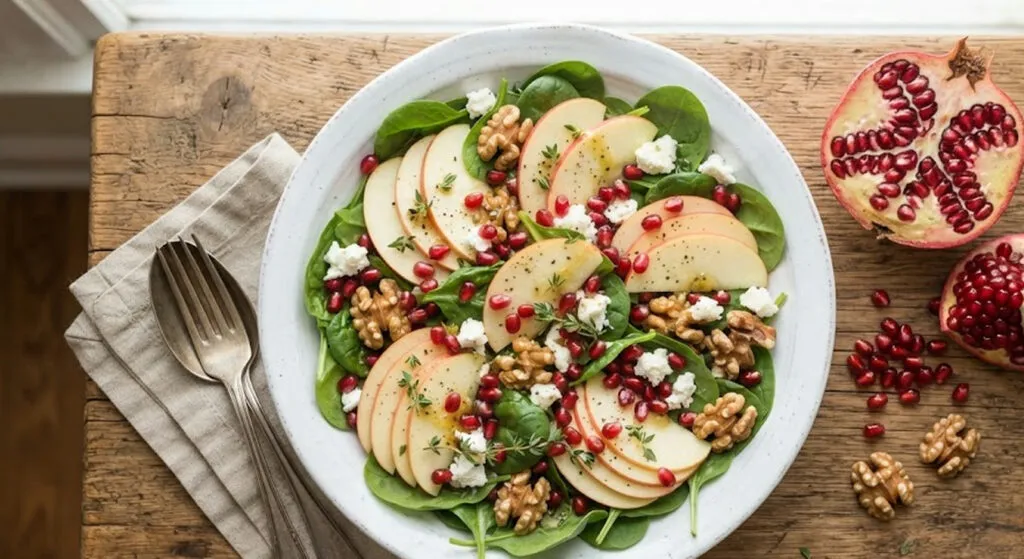
The seeds burst between your teeth, the sweet-sour taste tames the salty, and the juice is a ready-made dressing. In...
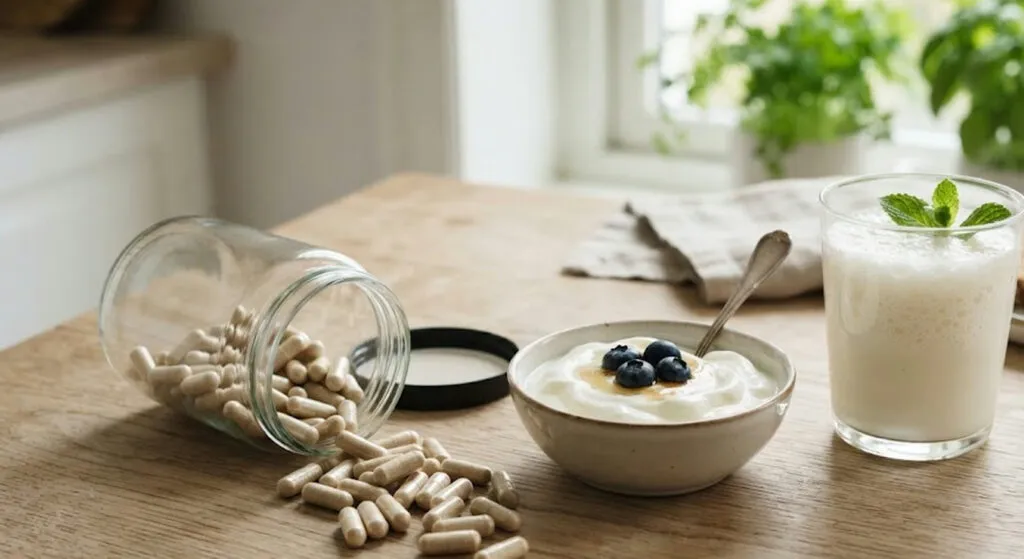
Bloating, gas, disrupted bowel movements, new stomach pain. The capsules are sold as harmless for everyone, and experts say that...
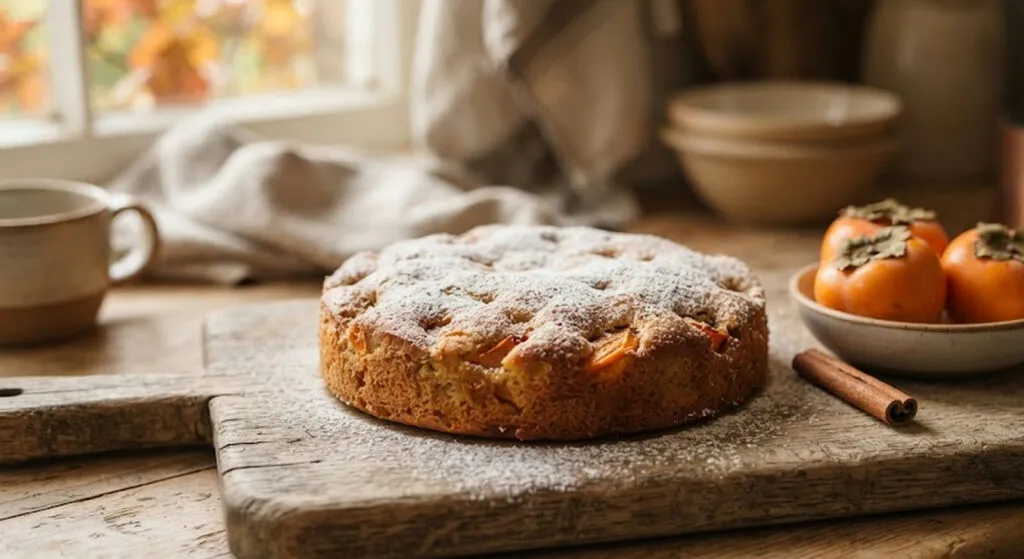
The persimmons that have gone too soft to eat are exactly the ones you need. A recipe for a 22-centimetre...
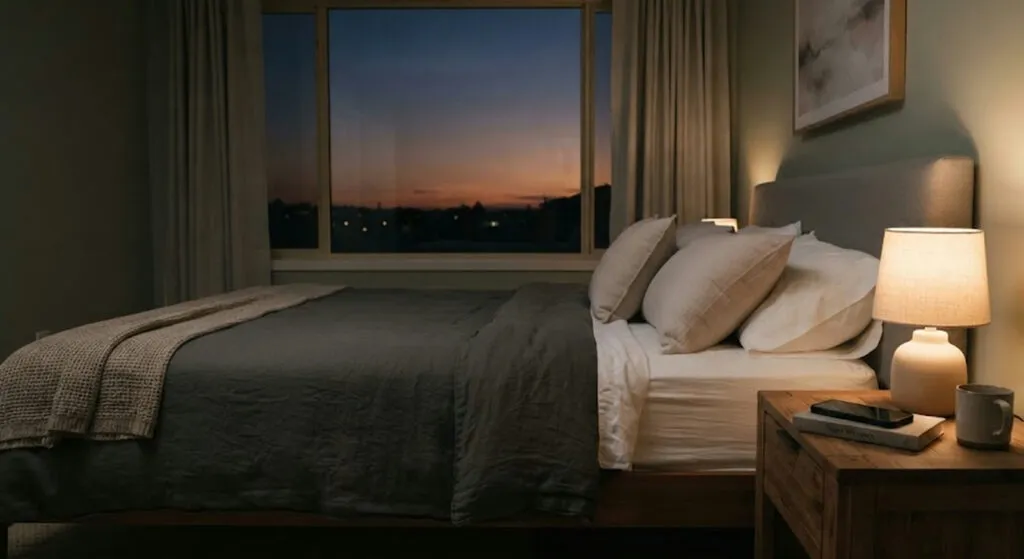
The body waits for darkness and cooling before it falls asleep. Instead, it gets a glowing screen a hand's width...

The most tender stew is not made from the leanest meat, but from the cuts that demand patience. And it...
This site uses cookies - is that okay? Learn more
Be the first to know when Metla launches something new
Leave your email and we will write when there is a new guide or something new on Metla.