

Two Reports in One Day: an 80-Year-Old Beaten in Her Own Yard in Tearce, an 82-Year-Old from Veles Detained for Years of Beating His Wife
22.08.2026


22.08.2026

22.08.2026

22.08.2026

22.08.2026

22.08.2026

22.08.2026
22.08.2026

22.08.2026

21.08.2026

22.08.2026

22.08.2026

21.08.2026

22.08.2026

22.08.2026

22.08.2026

22.08.2026

21.08.2026

20.08.2026

22.08.2026

22.08.2026

22.08.2026

22.08.2026

22.08.2026

21.08.2026

09.03.2026

27.02.2026

19.02.2026

22.08.2026

21.08.2026

20.08.2026

23.04.2026

23.04.2026

12.04.2026
Four hundred million dollars (around 345 million euros) is the price TikTok and its parent ByteDance paid to close the US Department of Justice lawsuit. The charge: for years they let children under 13 onto the platform and collected their personal data without parents knowing anything about it.
The settlement requires no admission of guilt. That is the key sentence in this whole story and it is worth reading twice. The company pays, changes a few settings, and legally speaking - nothing happened.
The lawsuit began in 2024, under the US law on protecting children's privacy online. According to the charge, TikTok knew there were children on the platform and kept them there for years. Worse: those children's data ended up in the targeted advertising system, while employees inside the company had already raised the alarm that something was wrong.
But this is not the first time. In 2019 the same company paid 5.7 million dollars for the same violation, then through its predecessor Musical.ly, and promised to prevent under-13s from opening accounts. Seven years later the bill is seventy times bigger. The question that asks itself: does the penalty function as a penalty at all, or is it just a cost written into the budget?
The charge goes a step further - it claims the company changed its registration rules in a way that made age verification harder. In other words, the system did not fail by accident.
The timing is almost comic. Only days before the settlement, a report emerged that TikTok deliberately switched off algorithmic protection for around 10 percent of US users - as an experiment. That protection existed to limit harmful content reaching the user. Two US senators, a Republican and a Democrat, sent a letter to CEO Shou Chew demanding an explanation. When Washington unites across party lines, it usually means the situation really is bad.
In Europe, regulation on protecting minors' data is stricter on paper than the American version. The question is how much of that reaches the screen of a child in Skopje, opening the same app with the same algorithm behind it.
The latest 10 news from this category

Eleven manufacturers in China are recalling vehicles because the manual emergency handle is hidden where nobody looks for it. The...
Every third page published after ChatGPT carries traces of having been assembled by a machine. On government and university addresses...
The search engine that was for years the main door to the internet is now offering sites a button with...

A startup worth 1.3 billion in May sold for 7.5 billion in August. The founders alone take home more than...

The Ojai is open to all passengers in three American cities. Under the sensors sits a Geely platform, and 5,000...
Brussels fined it 500 million euros, Apple offered a scheme critics called malicious compliance. This is the third attempt in...
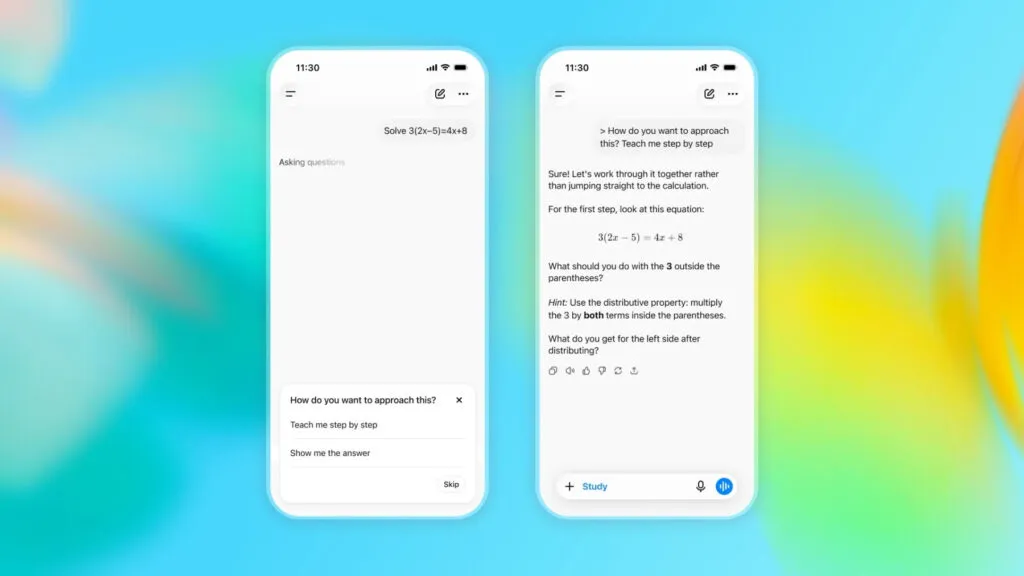
For three and a half years the product ran with no protection for minors. It did not change after a...

Apple sent warnings to 110 countries, and researchers say they have never seen numbers like these. One of those targeted...
No acquisition, no technology taken over, no service continued. Google is taking only the people, and the paying customers get...
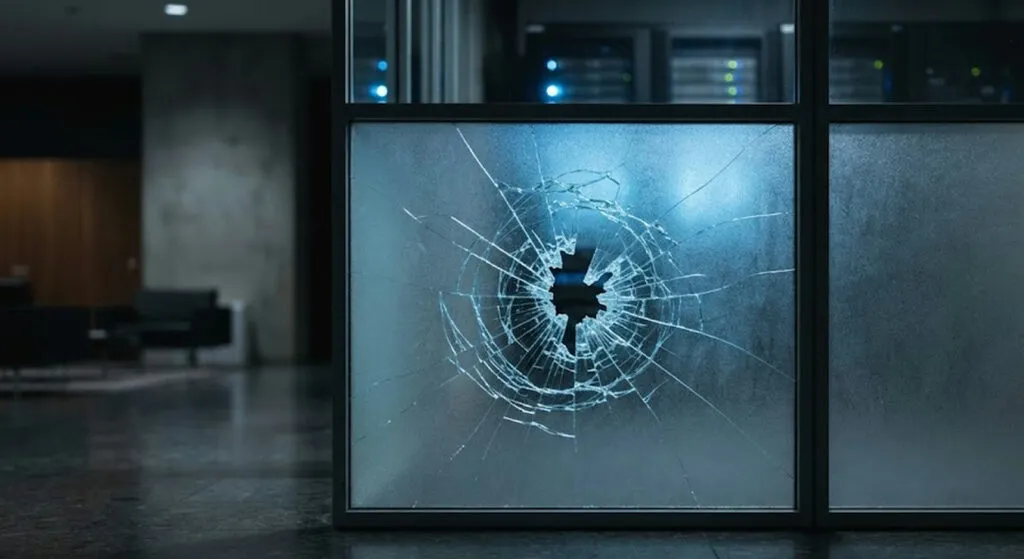
An investor told the Anthropic chief executive to be a „more positive advocate” for his industry. The answer was sharper...
This site uses cookies - is that okay? Learn more
Be the first to know when Metla launches something new
Leave your email and we will write when there is a new guide or something new on Metla.
