


Studeničani: 35-year-old dies after being electrocuted while washing his car with a pressure washer
18.09.2026


18.09.2026

18.09.2026

18.09.2026

18.09.2026

18.09.2026

18.09.2026
18.09.2026

17.09.2026
16.09.2026
18.09.2026

18.09.2026
17.09.2026
18.09.2026
18.09.2026
18.09.2026
18.09.2026
17.09.2026
16.09.2026

18.09.2026

18.09.2026

18.09.2026

18.09.2026
17.09.2026

17.09.2026

09.03.2026

27.02.2026

19.02.2026
18.09.2026
17.09.2026
16.09.2026

23.04.2026

23.04.2026

12.04.2026

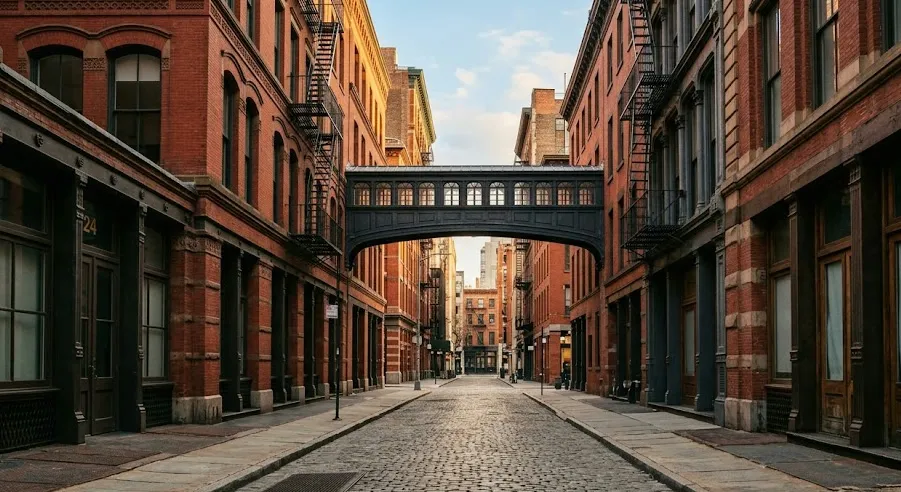
There are neighbourhoods measured in square metres and neighbourhoods measured by which names live there. Tribeca, in lower Manhattan, belongs to the second type - one of New York's most exclusive corners, where the address is worth as much as a status symbol.
Tribeca's story is a textbook case of how luxury is born. In the 19th and 20th centuries this was an industrial zone of warehouses and markets. Then it fell into decline. In the sixties and seventies it was discovered by artists and photographers, who turned the cheap loft spaces into studios and homes. From that bohemian phase, through the eighties and nineties, today's elite neighbourhood sprang up. The same pattern we see everywhere: the artists come first, the prices chase them later.
Today names like Beyoncé and Taylor Swift live here, and the architecture still carries its industrial soul - cast-iron and brick buildings turned into some of the most expensive square metres on the planet. The Staple Street footbridge and Washington Market Park are among the neighbourhood's recognisable images.
Life here balances between luxury and local colour. Independent cafés like Gotan and Laughing Man Café, restaurants like Locanda Verde and Frenchette, the park along the Hudson River with Pier 25. And of course, the Tribeca Film Festival, founded by Robert De Niro - culture packaged as a brand.
For the Balkan reader, Tribeca is at once a dream and a warning. A dream - because it's a picture of a life you save for your whole life. A warning - because it's exactly what happens to our old, characterful neighbourhoods once they're "discovered": first the artists and the cafés, then the investors, and in the end the neighbourhood is no longer for the people who made it desirable.
The latest 10 news from this category
The royal couple walked yesterday into a pub the village bought back for itself. How many buildings like that sit...

Of twenty-five new inscriptions, five are natural - and only one is in Europe. For the richest of them, the...
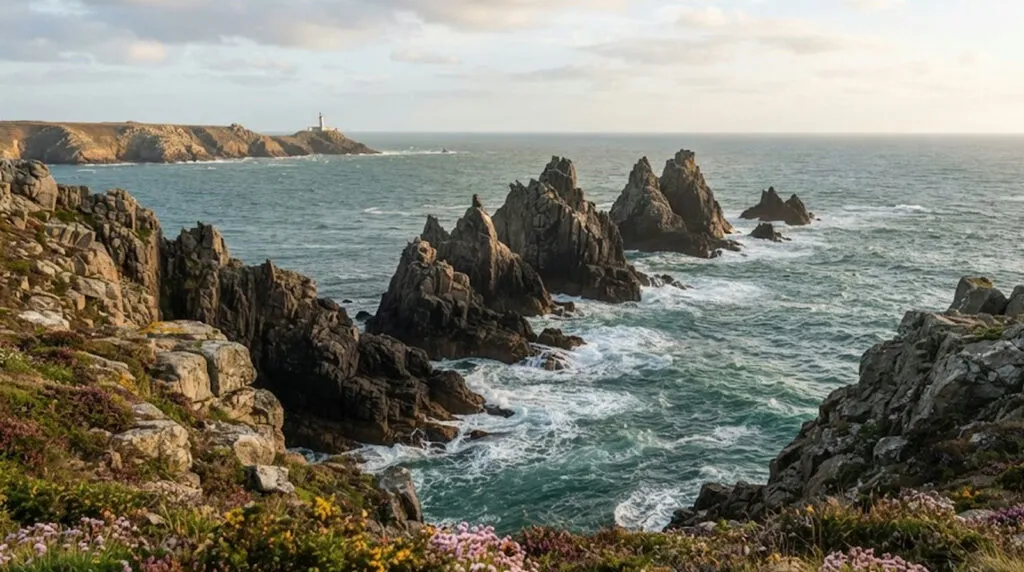
Fifty beaches, more than 120 villages and a trail France voted its favourite. Monet came for a few days and...
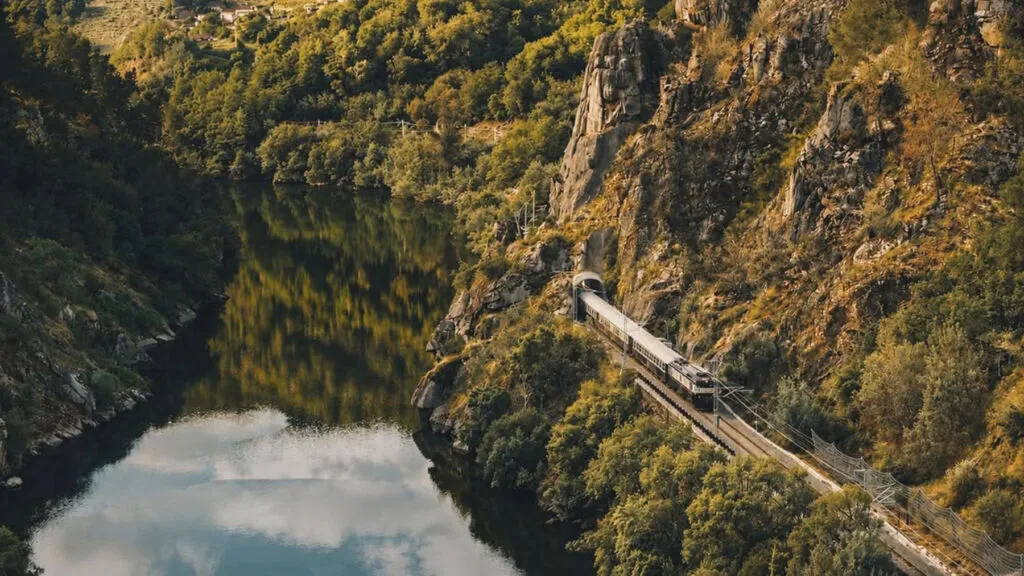
Restored carriages, a locomotive they call the Japanese Woman and a 28.95 euro return ticket. What it sells is not...
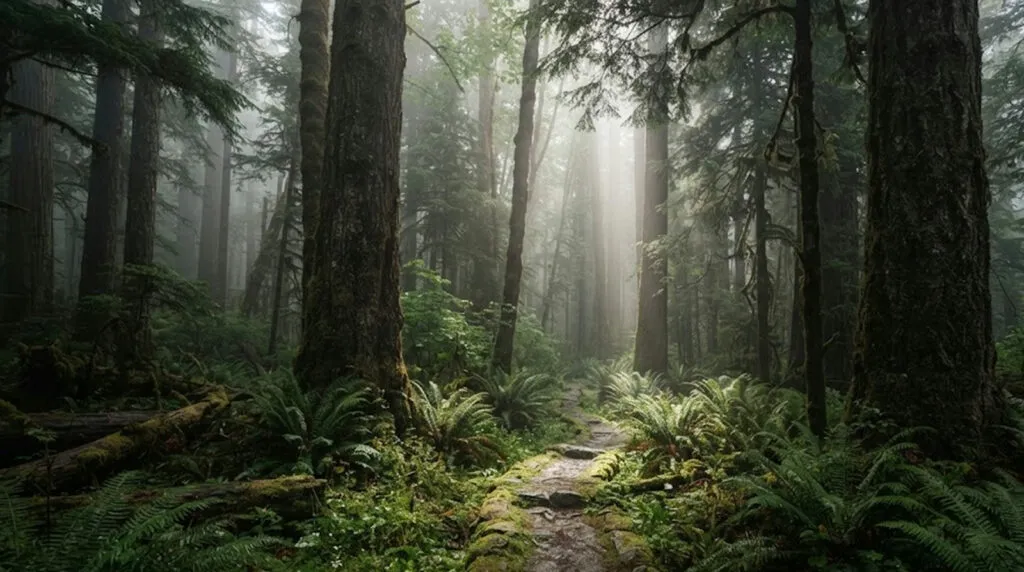
Two hundred and fifty tree species from every corner of the world, a monastery from 1628 and a palace that...
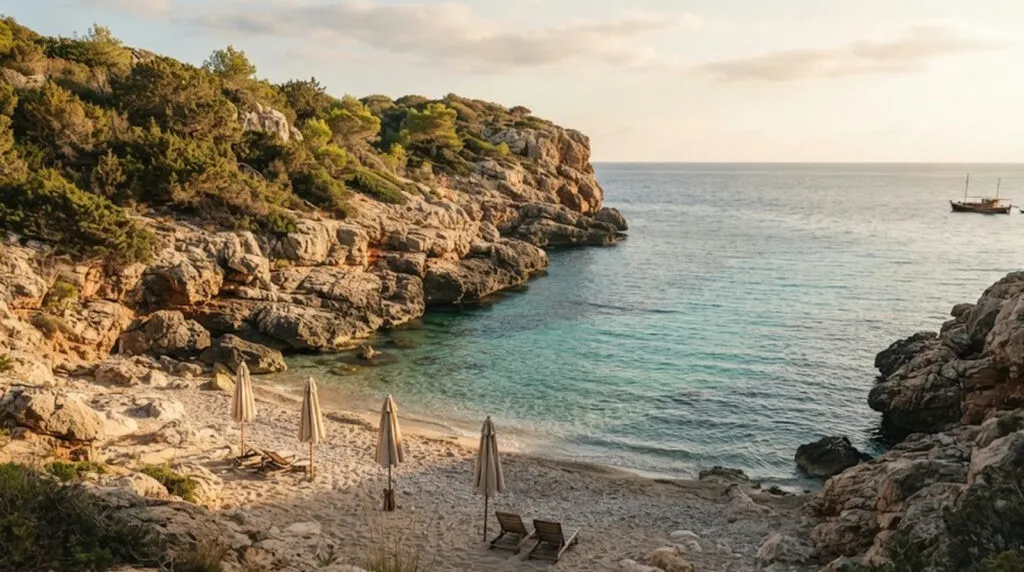
The same places cost more in August, look crowded and are experienced at half strength. The difference is made by...
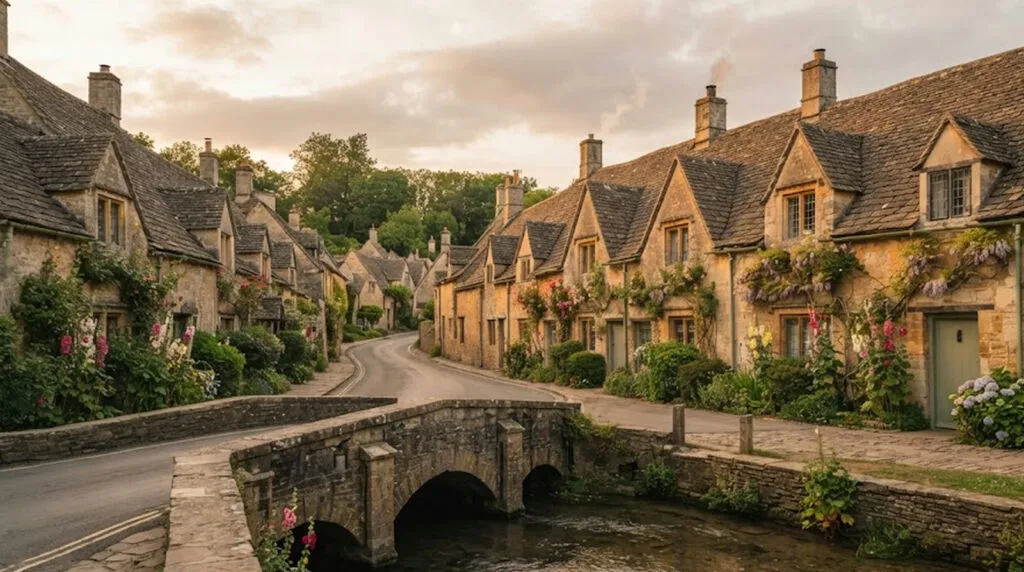
The Beckhams have a place there, so do Kate Moss and Ellen DeGeneres. But the Cotswolds needs none of those...

Down on the coast the buses pass each other with centimetres to spare and all you see is people. Up...
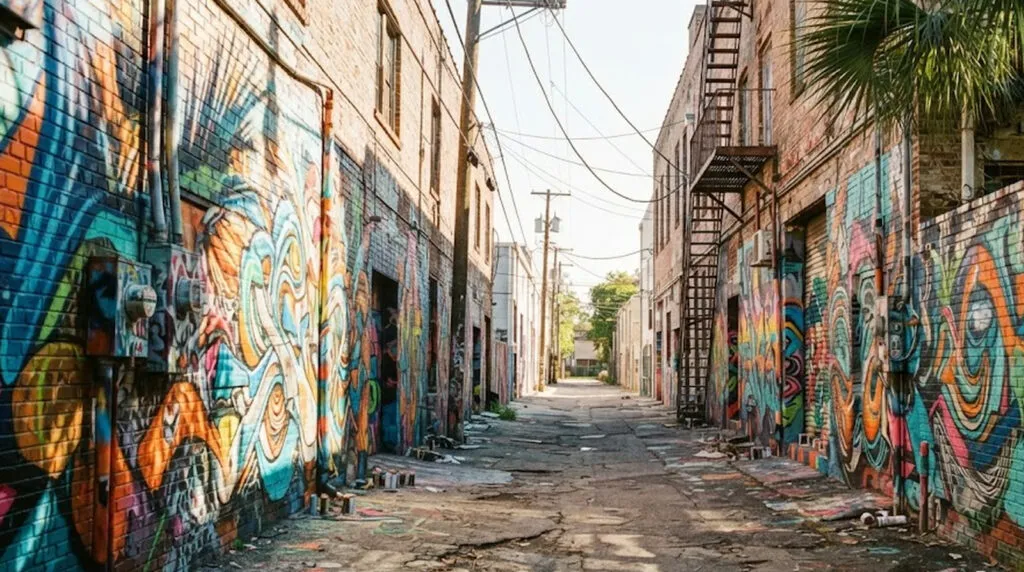
Empty warehouses, low rents and one real estate developer. A model we know without flying to Florida.
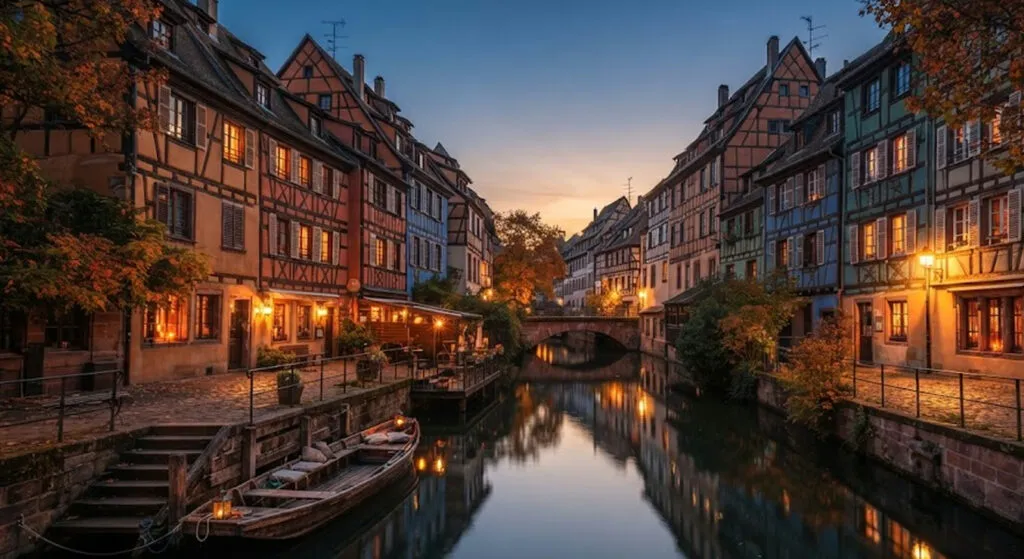
Old tanners' and dyers' workshops, built directly over the river. From 10 to 13 September the town puts boats and...
This site uses cookies - is that okay? Learn more
Be the first to know when Metla launches something new
Leave your email and we will write when there is a new guide or something new on Metla.
