

They Rode In on Scooters, Torched the Shops and Left: The Fire in Shuto Orizari Burned for Three Hours, Setting It Took Fifty Seconds
13.09.2026


13.09.2026

13.09.2026

13.09.2026

13.09.2026

13.09.2026
13.09.2026
13.09.2026

12.09.2026

11.09.2026

13.09.2026

13.09.2026

12.09.2026

13.09.2026

13.09.2026

13.09.2026
13.09.2026

12.09.2026

11.09.2026
13.09.2026

13.09.2026

13.09.2026

13.09.2026

13.09.2026

12.09.2026

09.03.2026

27.02.2026

19.02.2026
13.09.2026

12.09.2026

11.09.2026

23.04.2026

23.04.2026

12.04.2026

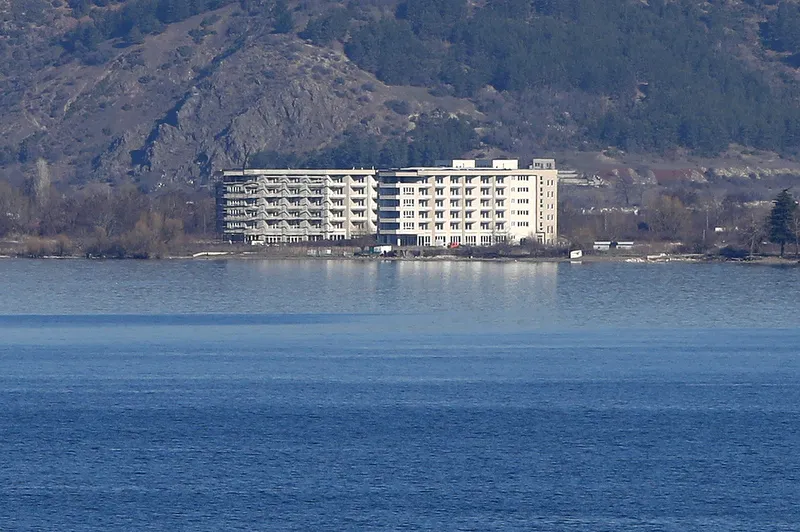
These days, in a distant Korean city, a group of people sits around a table deciding the fate of something that has been ours for centuries. UNESCO's World Heritage Committee, at its 48th session, is to decide whether the Ohrid region will stay on the prestigious list - or be moved to the one nobody wants to hear about: the list of world heritage in danger.
What does that „endangered heritage” actually mean? It isn't removal from the list, but a last warning - an alarm mechanism for when a significant monument faces destruction. Formally, it opens the door to international financial and technical aid to prevent lasting damage. Informally, it's an international yellow card, and the last one before the red.
The threats are no mystery - they've been listed for years. Uncontrolled urbanization. Ecological problems from lagging infrastructure. Weak institutional coordination. Illegal buildings, sewage systems that were never completed, platforms illegally set up in the lake itself. Every recommendation UNESCO has sent back sits like an undone piece of homework.
The political war seized on the question at once. The Left issued a sharp reaction: „Asking UNESCO for another six years is an admission that the state has for decades failed to do what should have been done long ago. What will change in those six years? Will the illegal buildings be torn down, will the illegally built Mijalkov hotel be dealt with, will the Ohrid shore be freed from concession-holders who haven't paid for years?” Questions that, admit it, are hard to argue with.
Why this isn't only about prestige. Ohrid was inscribed in 1979-1980 as one of just 38 mixed natural-cultural sites in the world and one of eight in Europe - home to one of the oldest lakes on the continent and to Byzantine architectural riches. Losing the status would mean irreparable damage to tourism, ecology and national identity.
This decision will show something more than which list Ohrid ends up on. It will show whether a state that has been getting warnings for decades can hear them at all - or whether we're waiting for a foreign committee to tell us what we've long known ourselves.
The latest 10 news from this category
Ivanovska recalls why Vodno was forested in the first place. Gerasimovski says the court annulled the old plan and a...
Three Bulgarian ministries, MPs from different parties and flags inside the medical centre. MAEI asks why a check-up in a...
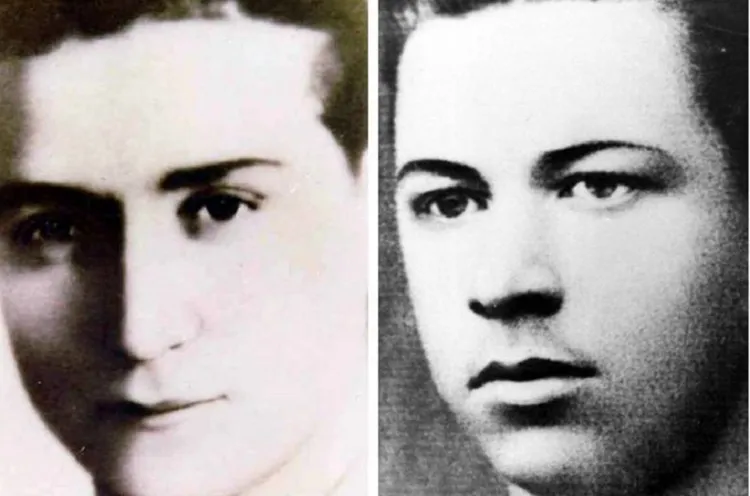
Flowers were laid in Bitola for Stefan Naumov and Dimitar Bogoevski. Behind the anniversary stand two biographies that ended at...
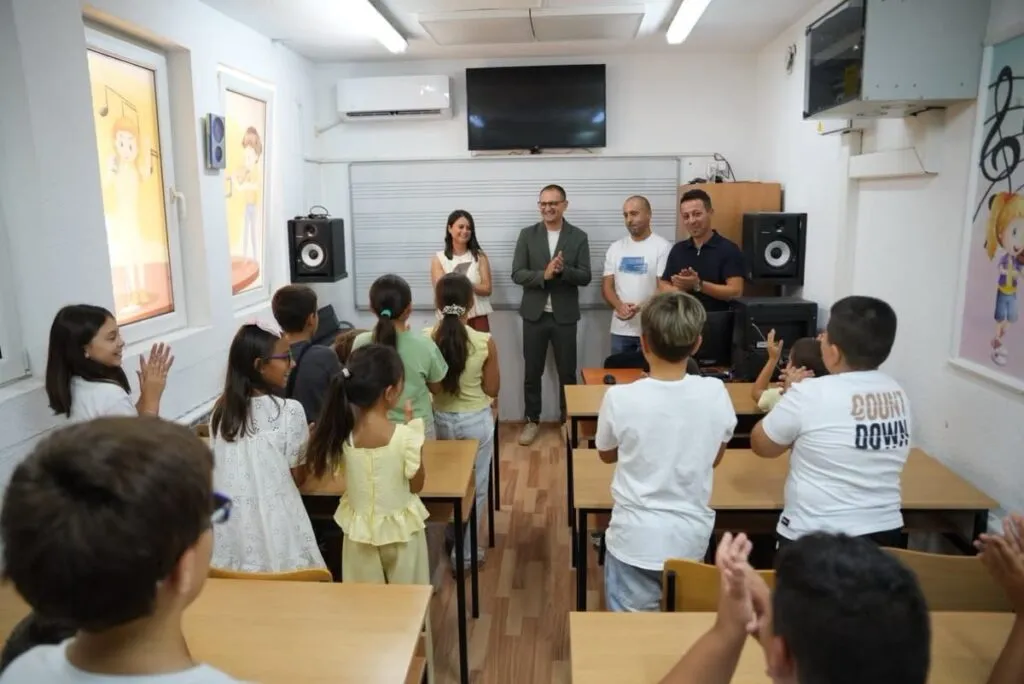
Eighty children do not simply appear out of nowhere. The question no ceremony answers is whether there are enough instruments...
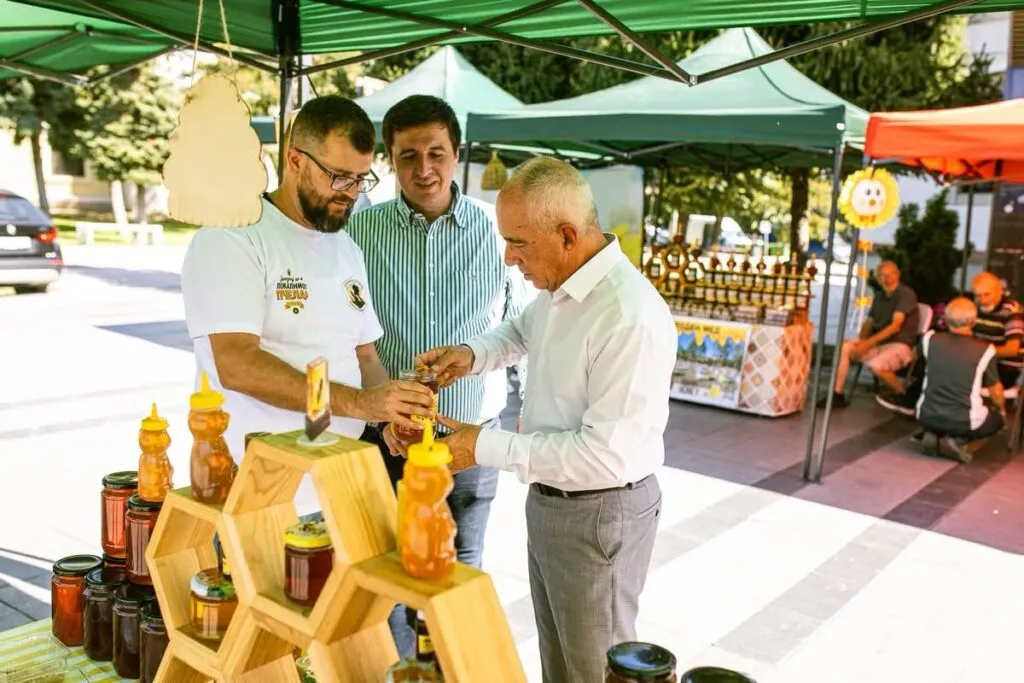
When you buy honey from the man who tells you which village it came from, you bypass the entire trade...
Any citizen can submit a nomination. That is exactly where these competitions either come alive or become an internal affair...
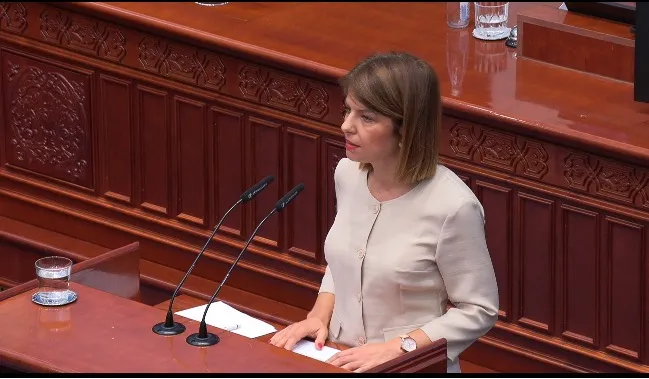
The minister answered that pupils are not a risk group because the youngest patient was 25. The MP had asked...
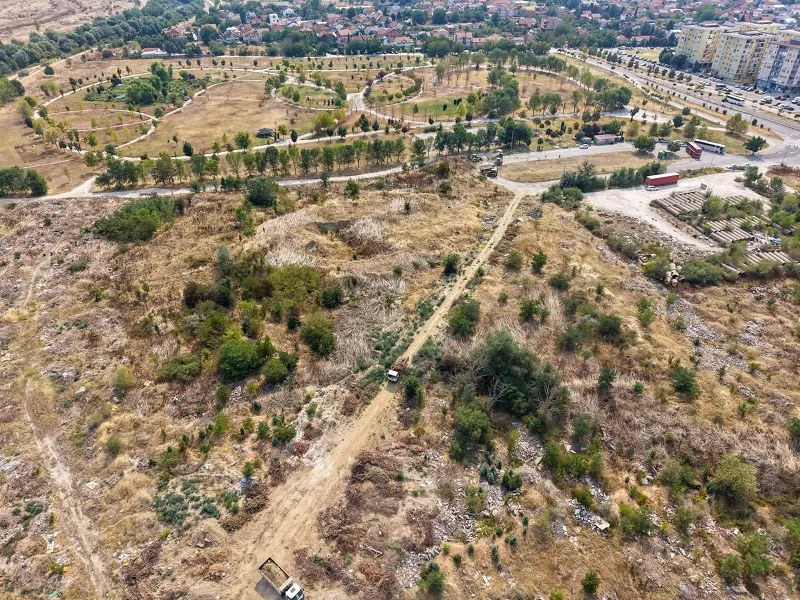
For five years after the promise, the dump stayed a dump. The two neighbouring parks tell the story that comes...
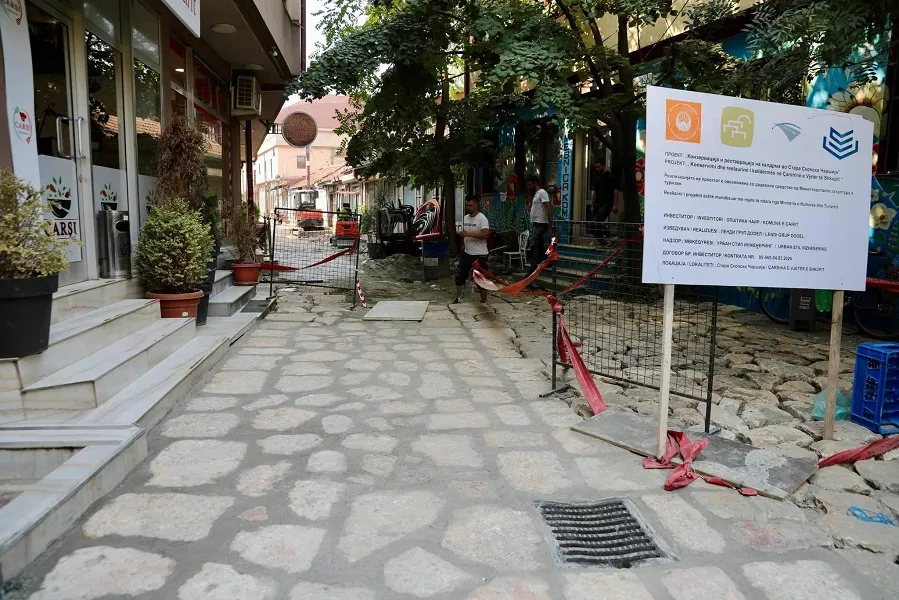
The most visited historic space in Skopje waited fifty years for someone to replace the pipe under the cobblestones. The...
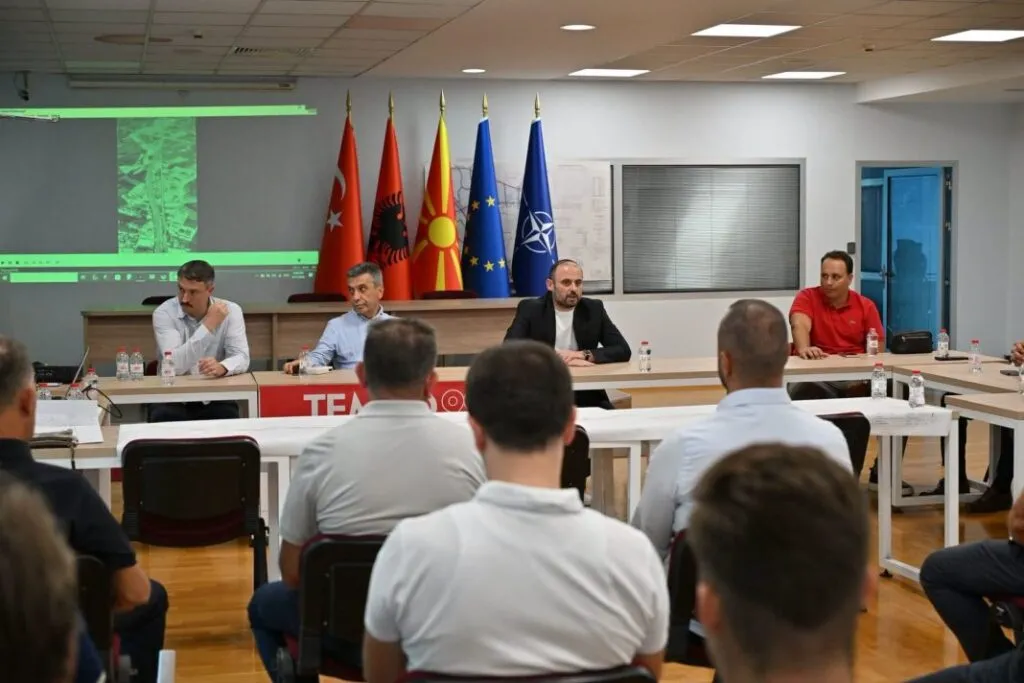
There is a route, there is a presentation and there is agreement that the road is needed. There is no...
This site uses cookies - is that okay? Learn more
Be the first to know when Metla launches something new
Leave your email and we will write when there is a new guide or something new on Metla.
