

Kratovo man stabs police officer mid-intervention: prosecutors want the 40-year-old detained
15.09.2026


15.09.2026

15.09.2026
15.09.2026

15.09.2026
15.09.2026
15.09.2026
15.09.2026

14.09.2026

13.09.2026

15.09.2026

15.09.2026

14.09.2026

15.09.2026

15.09.2026

15.09.2026

15.09.2026

14.09.2026

13.09.2026

15.09.2026

15.09.2026

15.09.2026

15.09.2026

15.09.2026

14.09.2026

09.03.2026

27.02.2026

19.02.2026

15.09.2026

14.09.2026
14.09.2026

23.04.2026

23.04.2026

12.04.2026

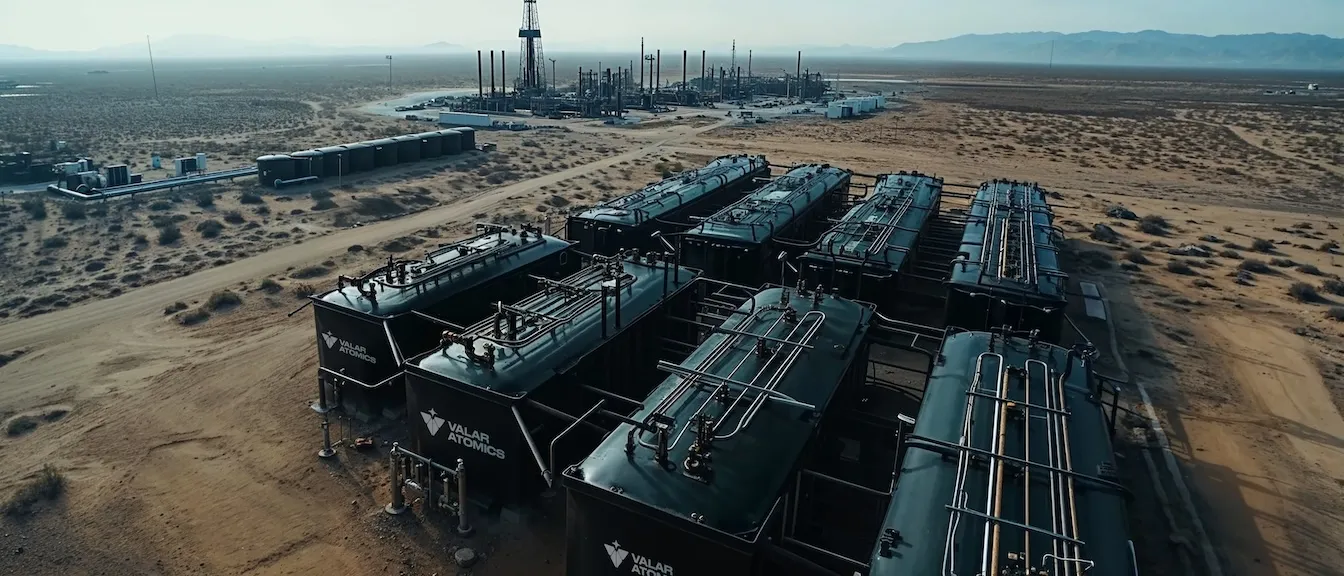
A three-year-old startup building small modular nuclear reactors is raising money at an estimated valuation of 6 billion dollars (about 5.5 billion euros). The company is called Valar Atomics, and the round is expected to be led by Sequoia Capital. Just four months ago, in March, the same firm was worth three times less - 2 billion dollars. Nuclear energy, it seems, is fashionable again - but this time not because of the climate, but because of the electricity being swallowed by AI data centres.
The numbers alone tell a story. The previous round brought in 450 million dollars - 340 million in equity and 110 million in debt. The new one is drawn up as a one-billion round, but with a trick that has become standard in the AI-funding era: the money comes in tranches, at different valuations. In practice, different investors pay a different price for the same share - which nicely blurs the real moment when the company actually leapt in value.
Behind the numbers stands a person with a biography tailored for an investor pitch. Founder Isaiah Taylor is 27, dropped out of high school at 16, and had already run two companies before this one. His great-grandfather was a nuclear physicist on the „Manhattan\" Project - the detail no investor deck will leave out, even when it has nothing to do with whether the reactor will actually work.
The technology is real, not just a presentation. Valar uses helium-cooled high-temperature gas reactors and announced that one of its reactors had already powered an Nvidia AI chip. The plan is to build hundreds of such modules - purpose-built for data centres that burn electricity like small towns. In the same sector, Kairos Power, TerraPower (backed by Bill Gates), and NuScale Power are already competing.
There is one detail that reveals which way the wind is blowing. Valar is suing the US Nuclear Regulatory Commission, together with several states and competitors, arguing the agency unjustifiably applies its long licensing procedures even to test reactors. In other words: startups want to build nuclear reactors faster than the regulator is willing to allow. In the Balkans, where even an ordinary building permit drags on for months, the idea of someone complaining that a nuclear licence takes too long sounds almost like science fiction.
The latest 10 news from this category
A scientist at the same company puts the probability of human extinction above 10 percent within the next decade. The...
The president called in while the event was running, and the man who makes the chips answered that there would...

No virus attached, no suspicious file. Just a box that looks like the "I am not a robot" check and...
A researcher quit because the firms are gambling with our lives. Instead of denying it, Anthropic confirmed it - with...
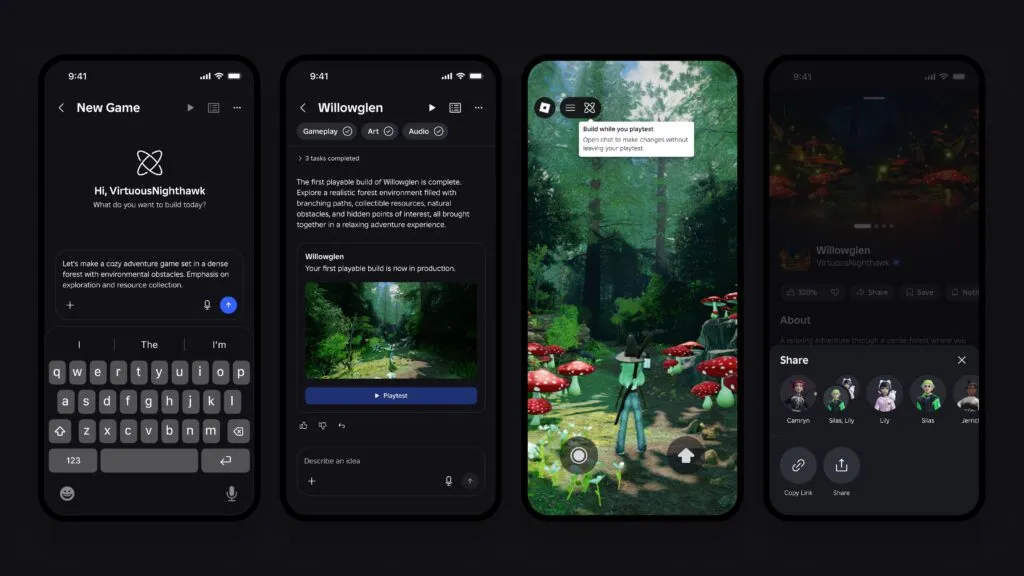
Write a sentence, get a game. Until now it worked only in New Zealand, now in Belgrade too. Creators on...
When the two biggest firms in an industry ask for rules on how fast anyone may run, the rules rarely...
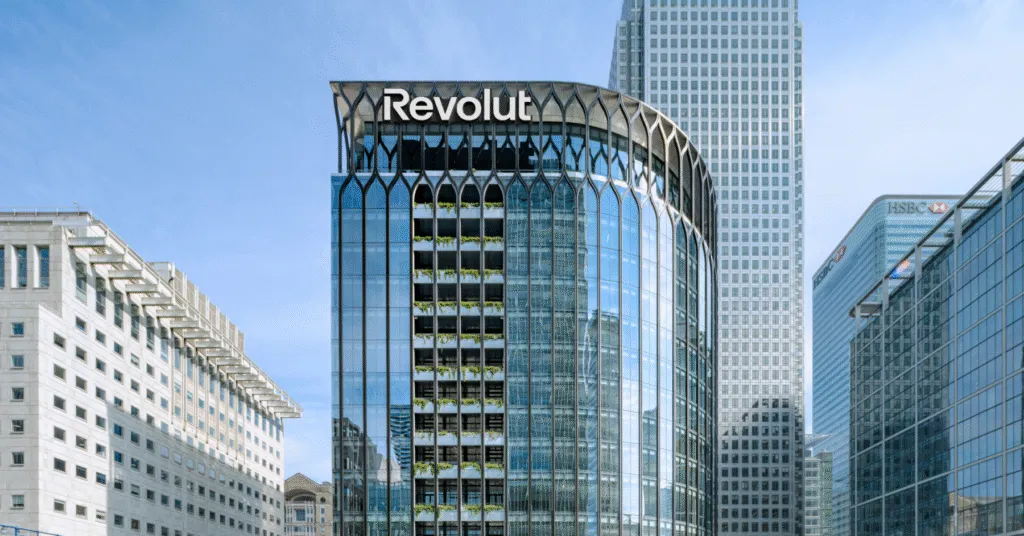
Not a single password fell. What fell was the assumption that a request from a government domain is automatically a...
The biggest names in mathematics have signed a letter against the AI labs. The dispute is not whether the machine...

Five campaigns, 200 million exchanges, and the defences fell to a request for a Japanese translation. The industry that harvested...

The hackers were inside for a whole year. The company confirmed it only after a journalist found his own licence...
This site uses cookies - is that okay? Learn more
Be the first to know when Metla launches something new
Leave your email and we will write when there is a new guide or something new on Metla.
