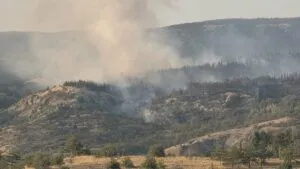
34 fires in 24 hours: three still burning, and the warnings put out nothing
09.09.2026


09.09.2026

09.09.2026
09.09.2026

09.09.2026

09.09.2026

09.09.2026
09.09.2026
08.09.2026
07.09.2026

09.09.2026

08.09.2026

08.09.2026

08.09.2026

08.09.2026

08.09.2026

08.09.2026

07.09.2026

06.09.2026

09.09.2026

09.09.2026

09.09.2026

09.09.2026

09.09.2026
08.09.2026

09.03.2026

27.02.2026

19.02.2026

23.04.2026

23.04.2026

12.04.2026


From 2011, when West Nile fever was first recorded in Macedonia, to the end of 2025, a total of 54 cases and five deaths were confirmed here. That is the balance of fifteen years.
This year, up to 1 September, 56 cases have been recorded. More in eight months than in the previous fifteen years combined. Of the 110 cases in the country since 2011, fully 50.9 percent happened this year alone.
Seven people have died so far.
Who gets ill
The profile is consistent to a degree that demands explanation. Of the 56 patients, 44 are men - 78.7 percent. Forty-five of the cases are people over 60. The average age of those infected is 65.8, and of those who died, 73.2.
The most recent death was a 69-year-old man from Gazi Baba who had multiple underlying conditions and was hospitalised for more than 38 days, health minister Sašo Klekovski announced. Five of those who died had other conditions as well.
Of the 56 cases, 54 developed the neuroinvasive form of the disease and all were hospitalised. The fatality rate among confirmed cases stands at 10.7 percent.
Where it is
This is not an evenly distributed phenomenon. Fifty-four of the patients live in Skopje, with one case each in Veles and Kumanovo. On 11 August the Skopje public health centre declared an epidemic in Kisela Voda, Gazi Baba, Aerodrom and Butel.
The heaviest concentration is in Kisela Voda, particularly the Dračevo area, and in Gazi Baba - according to the epidemiological analysis, centred in rural settlements.
So we know both who is getting ill and where. That is more information than is usually available while the season is still running.
The number the authorities need to hear
According to the latest weekly report from the European Centre for Disease Prevention and Control, Macedonia has the highest number of infections and deaths per million inhabitants in Europe. Not among the highest - the highest.
For comparison, Serbia reported 18 cases, Croatia seven. We reported 56.
This is where you stop. When a small country tops Europe for a mosquito-borne disease rate, the question is not a medical one. The mosquito did not cross the border because of something that happened in medicine - it bred where there is standing water, in the months when nobody was counting how many such spots there are in Dračevo.
What they advise
The public health institute's recommendations to citizens are concrete: remove places where water collects - open containers, flowerpots, barrels, buckets, old tyres. Clean your gutters. Maintain pools and fountains.
All of that is correct, and all of it is a job for the individual in their own yard. What is not in anyone's yard - the canals, the illegal dumps holding water, the public spaces - is where the measure is called mosquito treatment, and that appears in no advice addressed to a citizen.
The institute says the circulation of the virus and its geographic spread cannot be predicted in advance. That is true of the virus. But the places where mosquitoes breed in Kisela Voda are not unpredictable - they are in the same spot every summer.
The latest 10 news from this category
Konjanovski's report is full of figures - 10 kilometres of streets, 220 parking spaces, 96 million for the cinema. But...

A monthly pass costs 1,850 denars, under 90 denars a day for the round trip. If rail is the fastest...
The emptiest is the Technical Faculty with 269 places, while two of its own programmes filled up in the first...
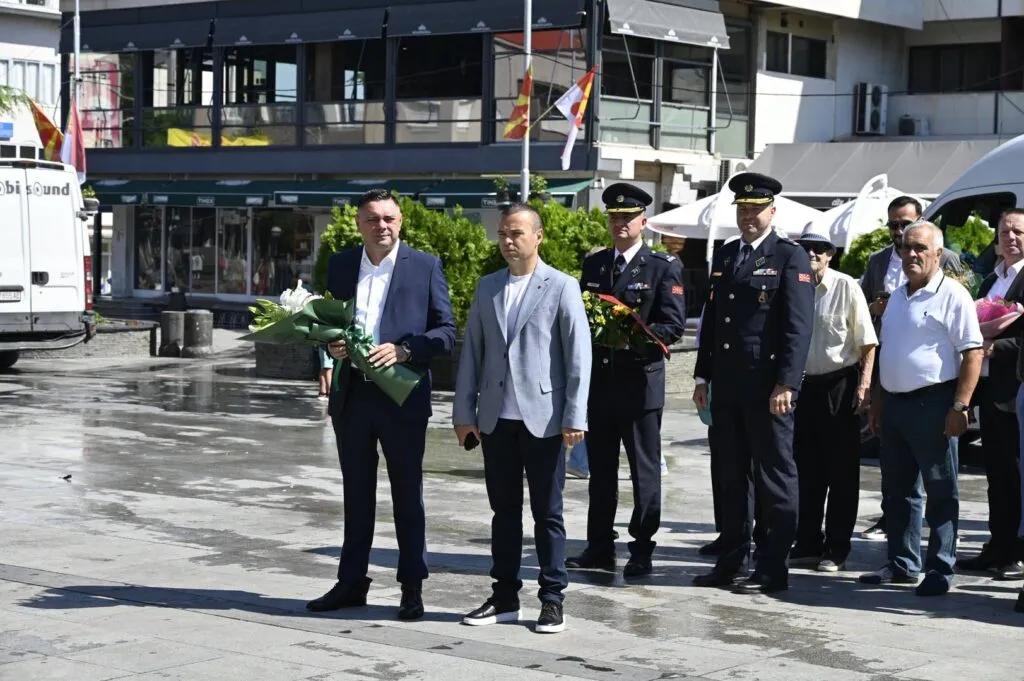
Local history remembers quietly, with a few bouquets and one speech. State history remembers with a stage and lights. The...

Maths dropped 10 points against 2022, and just 1 percent of pupils reach the top levels against 8 percent across...
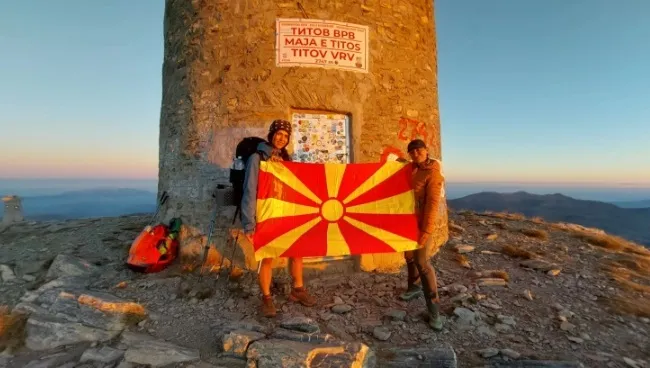
Blagica Vladimirovska and Ema Lazareska climbed 8,400 metres of total ascent with no logistical support. A marking of 35 years...

Five new municipal vehicles have arrived in Kumanovo. The utility company that has been broke for decades still waited for...
The Technical Faculty has the most free places - 269. Students read the job market better than we care to...

The vehicle came off the road near the village of Beranci. Cars are being let through alternately, freight traffic is...

The question was about the value of the contract for a concert financed from the budget. The journalists' association responded....
This site uses cookies - is that okay? Learn more
Be the first to know when Metla launches something new
Leave your email and we will write when there is a new guide or something new on Metla.