
The "Lottery" Trial: 231 Pieces of Evidence, and So Far Not a Single Message Between Grubi and Bajrami
24.09.2026


24.09.2026

24.09.2026
24.09.2026

24.09.2026

24.09.2026

24.09.2026

24.09.2026

23.09.2026
22.09.2026

24.09.2026

24.09.2026

23.09.2026

24.09.2026

24.09.2026

24.09.2026

24.09.2026

23.09.2026

22.09.2026

24.09.2026

24.09.2026

24.09.2026

24.09.2026

23.09.2026

23.09.2026

09.03.2026

27.02.2026

19.02.2026
24.09.2026

23.09.2026

22.09.2026

23.04.2026

23.04.2026

12.04.2026

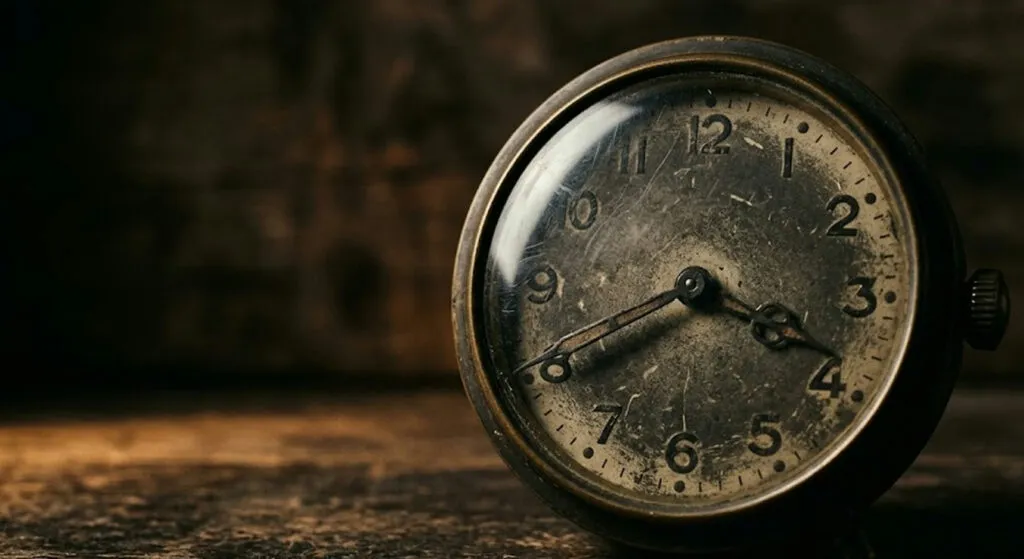
When president Trump announced to Congress that America is engaged in hostilities with Iran, he wasn't starting a new war. He was registering the start of a legal clock. Under the American Constitution, the president has 60 days to use military authorities without a green light from Congress. Day 60 - is today, May 1.
The Senate yesterday rejected, for the sixth time, the Democratic resolution to limit these authorities. The result: 47 in favour, 50 against. A margin tighter than a parking space. But enough for Trump to keep going.
A high-positioned White House official insists there has been a ceasefire since April 8 and that there are no longer firefights between American and Iranian forces. If that's true, why have six votes in the Senate? Because a ceasefire is a quiet phase, not a peace settlement. And in the legal world, only the president can decide whether the 60 days will extend by another 30 - "as long as a military need exists".
The military logic is one thing. The Balkan logic is another. We know here how presidential clocks end. In 1999, a few hours after the "negotiating" deadlines in Rambouillet expired, the strikes on Belgrade began. The clock isn't for counting days. The clock is the instrument for legitimising what was going to happen anyway.
Iran, with general Ahmad Vahidi as the new commander of the Revolutionary Guard, shows no signs of backing off. Instead, Tehran has announced that Hormuz remains an Iranian "zone of decisions". In such an environment, "ceasefire" sounds like a deal to smoke a cigarette before the gunfire continues.
For the Balkan economies, the problem isn't political. It's the price of oil, the price of gas and the food chain that ends in our supermarkets. When Hormuz becomes cut off for a few hours, it doesn't matter whether the Senate in Washington voted 47 or 50. What matters is how much we pay for diesel on Monday.
The latest 10 news from this category
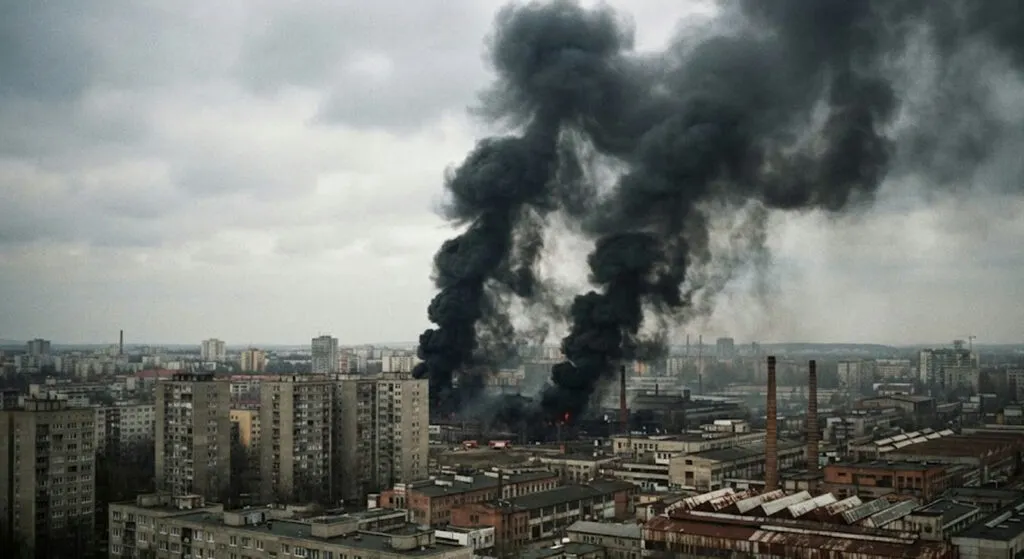
One dead, eight injured, two major providers offline and the city railway halted. The Balkans knows what a city preparing...
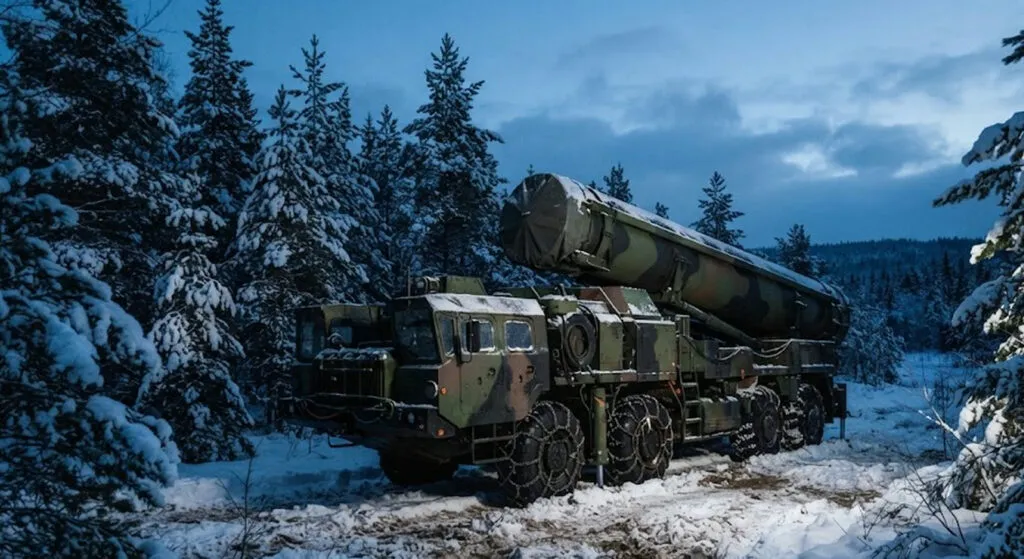
99 MPs voted in favour, and a threat arrived from Moscow right away. Is a small country on the line...
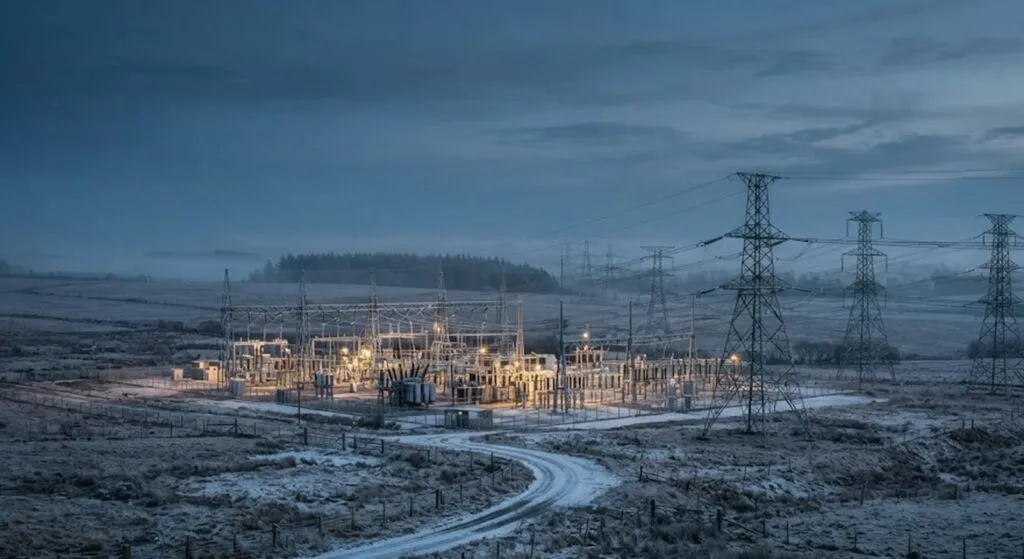
The offer is deliberately narrow - energy only, with a deadline before winter. When a power line goes down in...
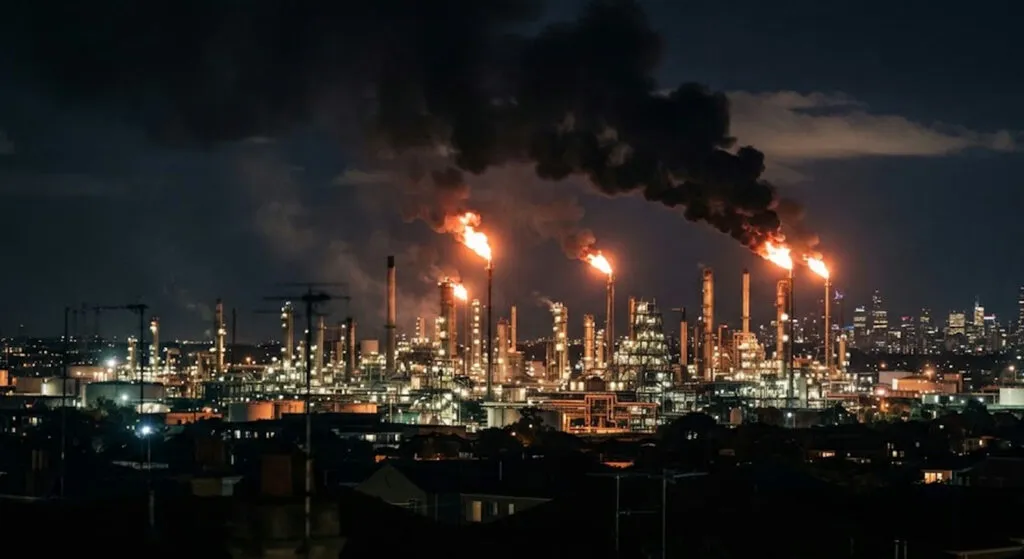
On the night Russia was closing its parliamentary elections, Ukrainian drones reached the refinery at Kapotnya and residential blocks in...
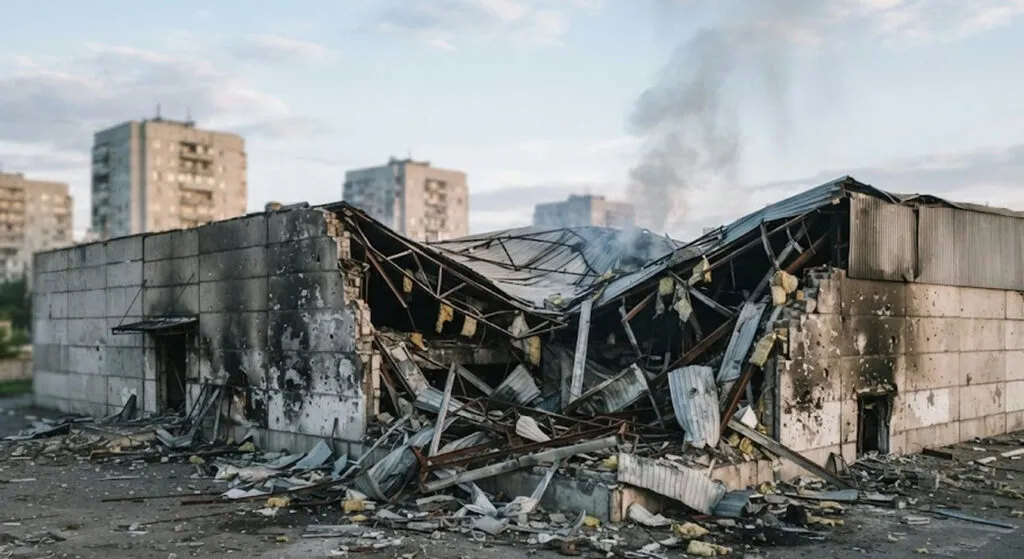
Every sentence about last night's offensive has the same author - the Russian Ministry of Defence. There is smoke over...
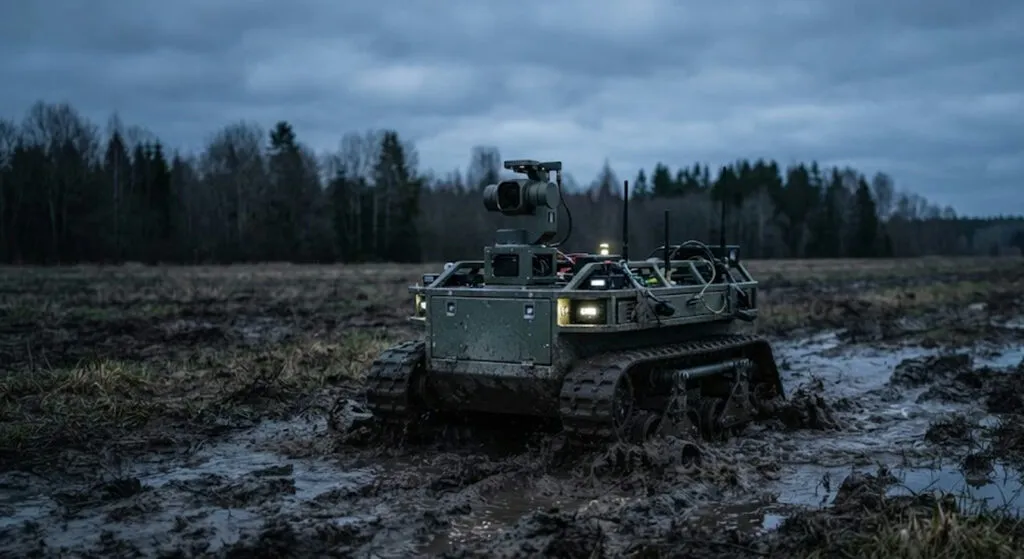
The Telegram statement reads like a trailer: drones that blind drones, robots dropped from the air behind enemy lines, and...
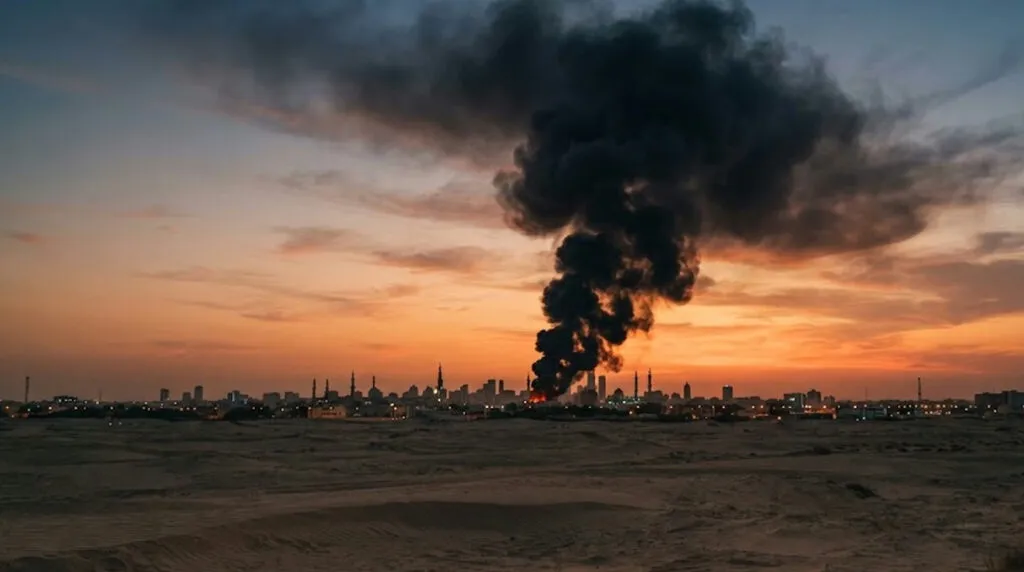
Black smoke over the main airport, sirens in the middle of the night and a state that will not say...
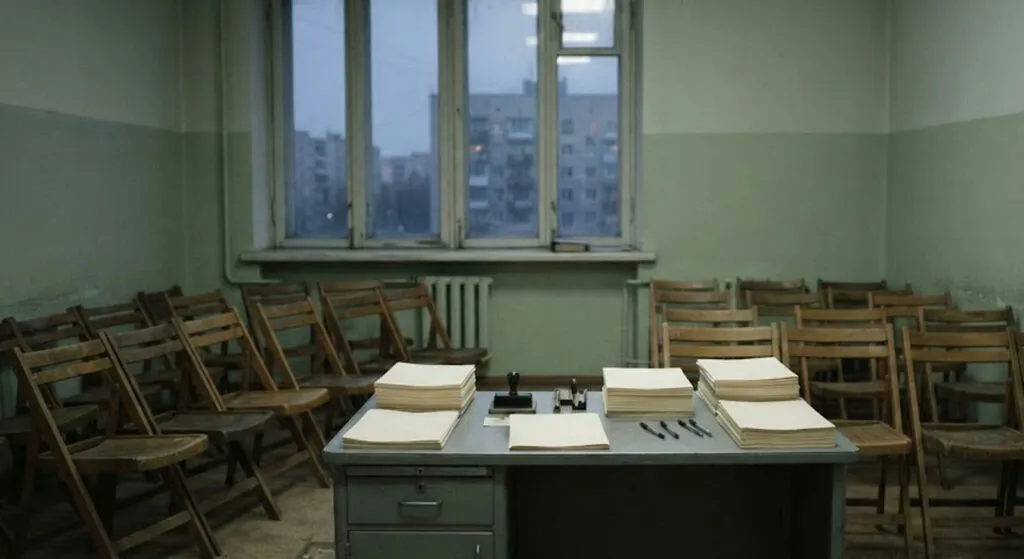
Western agencies say no decision has been taken - only preparations that would let it all happen overnight. In the...
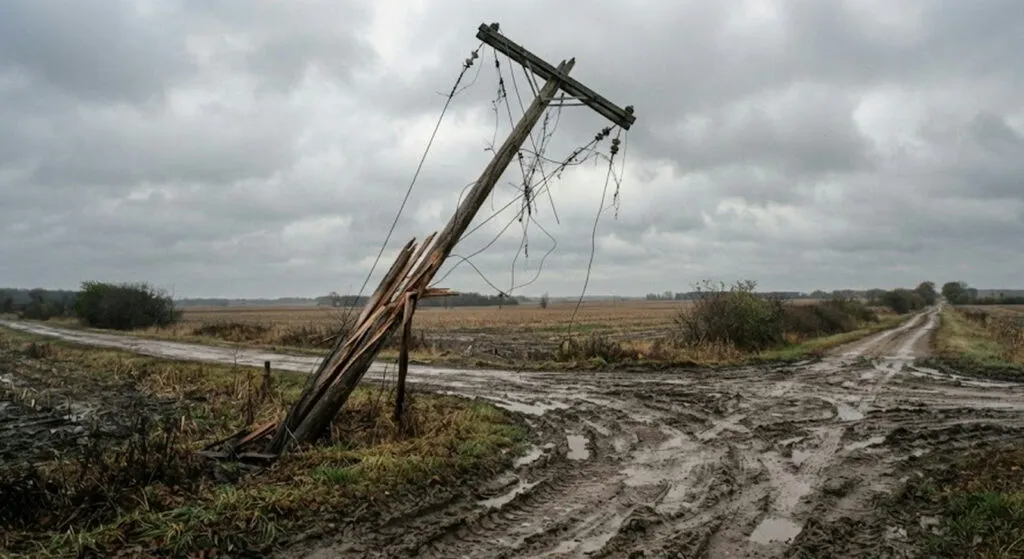
A Russian commander promised to cut the Kharkiv encirclement "like a pie". Every number comes from the camp running the...
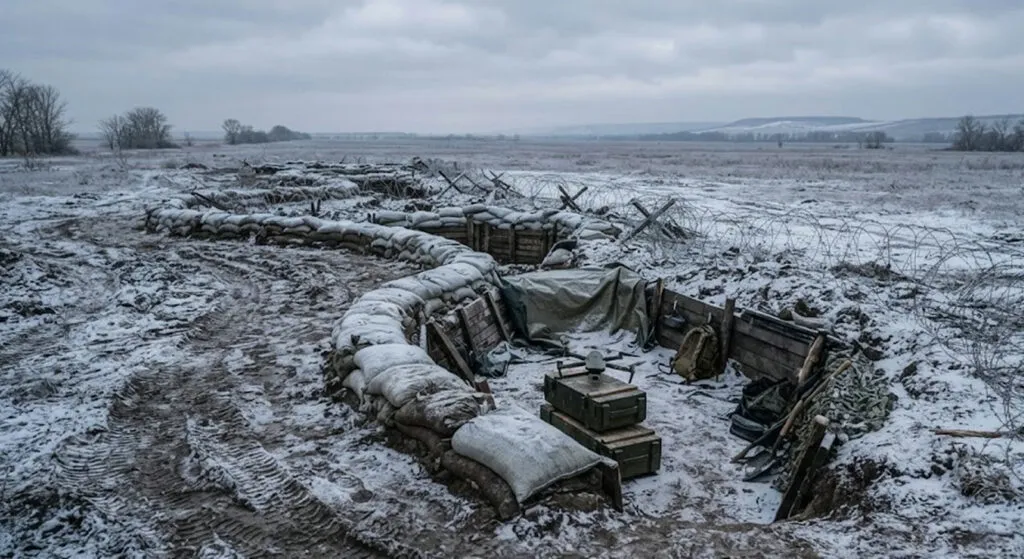
Around 8,500 North Korean soldiers are still in Russia, among them 1,000 engineers and 400 drone operators. Estimates point to...
This site uses cookies - is that okay? Learn more
Be the first to know when Metla launches something new
Leave your email and we will write when there is a new guide or something new on Metla.