Skopje Breathed Smoke From Two Mountains: 21 Fires in One Day, and Vodno Was Clean
25.08.2026


25.08.2026

24.08.2026

23.08.2026

25.08.2026

25.08.2026

24.08.2026

25.08.2026

25.08.2026

25.08.2026

25.08.2026

24.08.2026

23.08.2026

25.08.2026

25.08.2026

25.08.2026

25.08.2026

25.08.2026

25.08.2026

09.03.2026

27.02.2026

19.02.2026

23.04.2026

23.04.2026

12.04.2026
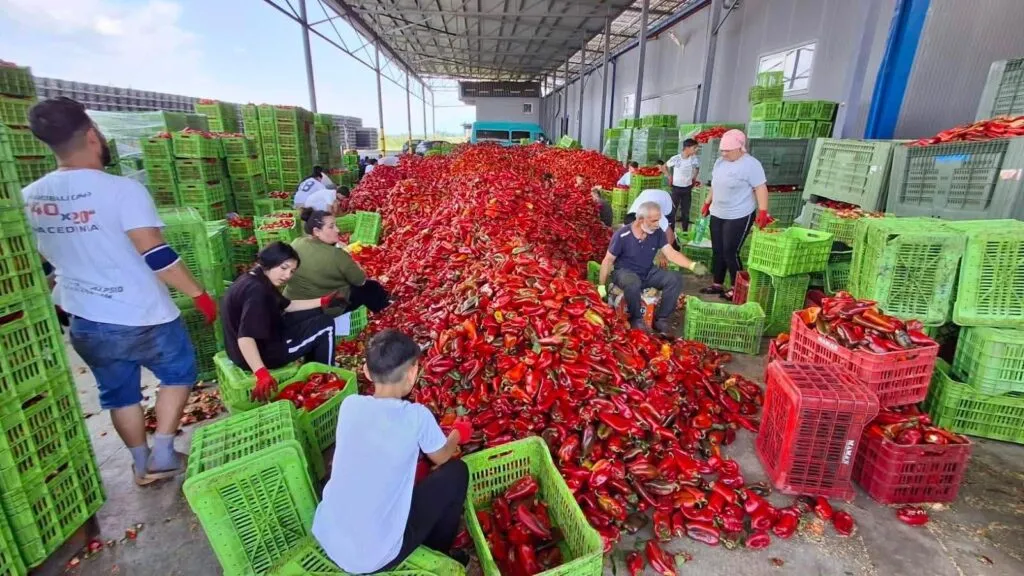
The deal held for four days. That is all. Then the buy-up price for the "ajvarka" pepper in the Strumica area dropped back to 25 denars a kilo, even though after earlier protests, with the agriculture minister mediating, it had been agreed at 30.
The farmers are not only angry about the price. They are angry because with the state mediating they reached a deal that fell apart in practice in under a week.
"The pepper deal held for only four days, and here for the next five days peppers in the Strumica area are being bought at 25 denars a kilo; as a 'gift' from the factories we have already been told to expect new, lower prices from Monday," write the local association "Mladi Murtino", the organisers of the protests. And they ask directly: "Where is the minister, the responsible mediator, to see this 'deal' enforced and monitored to the end?"
The arithmetic of the loss
The farmers have worked out their production cost: one kilo of kurtovska kapija from a greenhouse costs them 29.22 denars. The buy-up price is 25.
"The maths is simple. Every kilo of pepper sold today is a 10-denar loss," the association states. Which means the more you produce, the more you lose - economic logic under which any normal business would shut its doors.
The deal that was reached set 40 denars for first class, 30 for second and industrial, and 15 denars for the reject grade. Nothing is left of it.
The promise and what came after it
At the meeting with the buyers, farmers asked for written guarantees that the agreed prices and grades would be honoured. They did not get them. They asked minister Borche Serafimovski how he would guarantee the factories would honour a verbal deal. The answer, as they recount it, was confident: after the meeting there would be a press conference publicly announcing the agreed prices, they would have to be honoured, and otherwise it would mean the factory owners were taking a step against the state and the problem would be solved.
"Here is the step, minister, it came in under four days from your press conference. Now it is your turn," the farmers are saying now.
After the earlier deal, the State Agricultural Inspectorate announced intensified checks at buy-up points in the Strumica region. If those checks were carried out, their result is not visible in the price at the point.
The protest
A new protest is set for 11am outside the regional office of the Agriculture Ministry in Strumica, with the march starting at 10:15. Farmers are calling on people to come with agricultural machinery too, and stress the protest will be peaceful and without party backing. Mickoski has been invited on an "excursion to Strumica" to see the problems for himself.
Beyond the price, farmers are also reacting because, as they claim, their subsidies have not been paid out.
What makes this story bigger than one crop and one region is the question underneath it. If the state mediates a deal and that deal does not survive a week, what exactly does state mediation mean? The farmers say they feel manipulated and belittled, and that the main aim of the mediation was to quiet the noise rather than solve the problem. That conclusion is hard to counter with facts.
The latest 10 news from this category
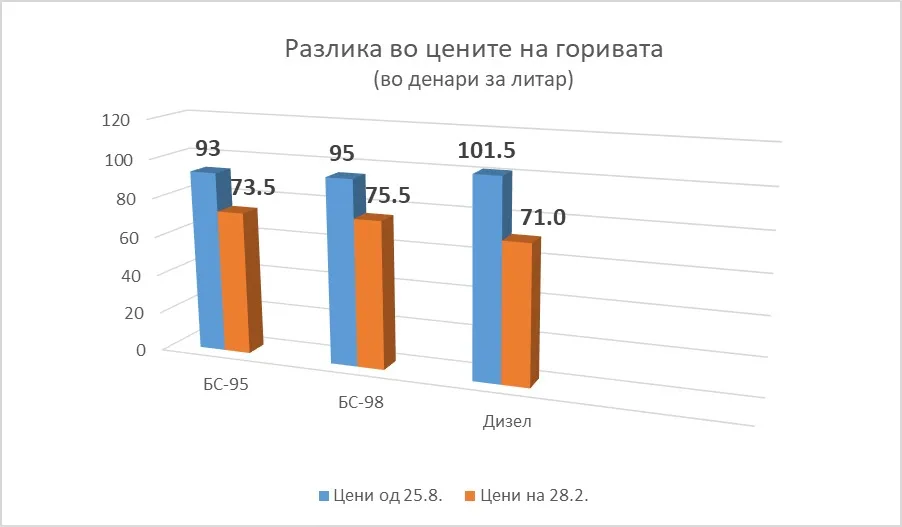
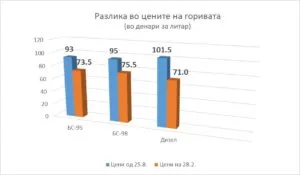
One tank now costs 1,525 denars more than in February. And that is with VAT cut and excise duties cut...
The figure refers to a global commodity index, not to the Macedonian checkout. Wheat is the most exposed, and the...

An Indian startup has flown 13,000 autonomous flights and still has no revenue. It wins not because it flies faster...

Oura is heading to the stock market at a valuation five billion higher than last year. The same week, a...

The regulator argued the deal could have kept Redfin off the market for nine years. A settlement gets signed when...
Food already takes 50.1 percent of the household budget. The first wave of price rises is expected in October.
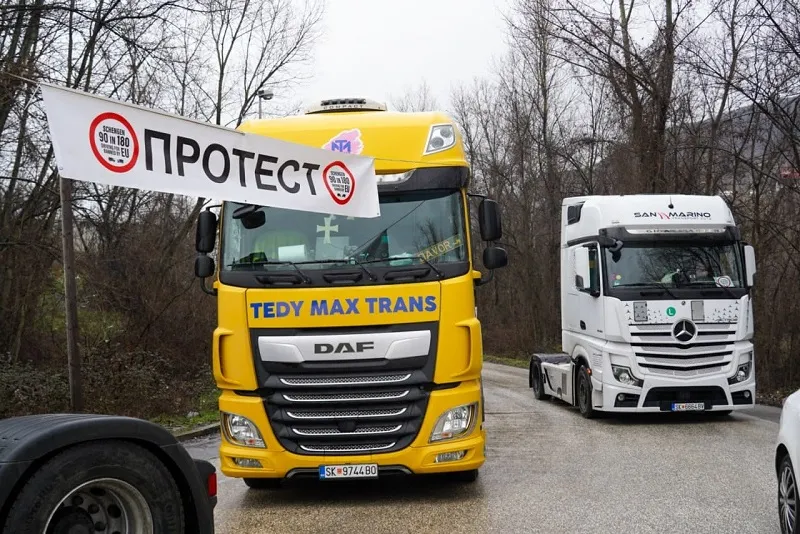
Seven months without an answer from Brussels. If the 1 September meeting brings no solution, a border blockade of more...
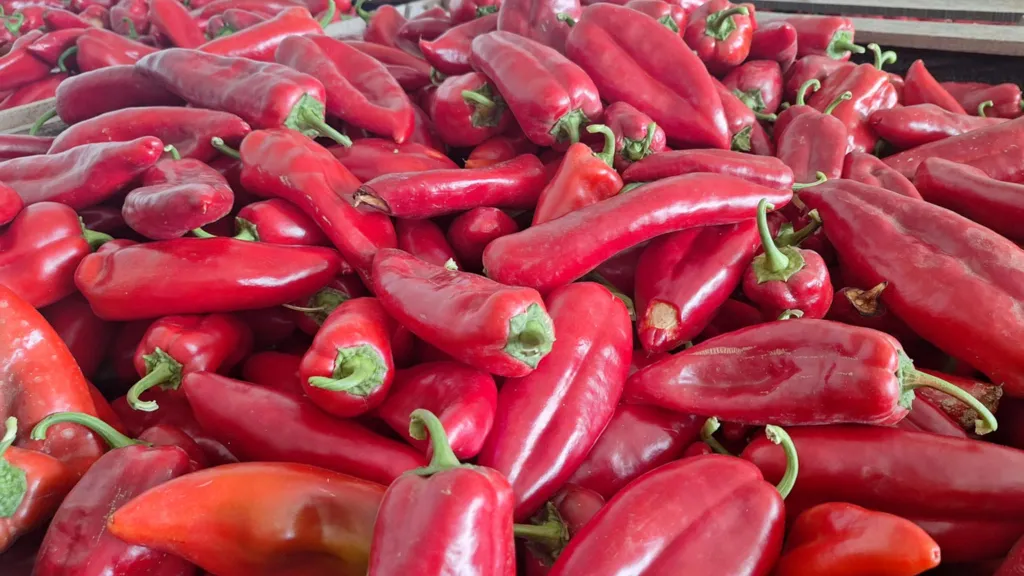
The buying price is back down to 25 denars a kilo. Tomorrow Strumica goes out to protest, this time with...
The argument is not about copper, it is about who stays in the southeast. The same initiative that talks about...

A billion and a half in penalties for a company projecting two hundred billion in revenue. The judge ruled that...
This site uses cookies - is that okay? Learn more
Be the first to know when Metla launches something new
Leave your email and we will write when there is a new guide or something new on Metla.