Skopje Breathed Smoke From Two Mountains: 21 Fires in One Day, and Vodno Was Clean
25.08.2026



25.08.2026

24.08.2026

23.08.2026

25.08.2026
25.08.2026

24.08.2026

25.08.2026

25.08.2026

25.08.2026

25.08.2026

24.08.2026

23.08.2026

25.08.2026

25.08.2026

25.08.2026

25.08.2026

25.08.2026

25.08.2026

09.03.2026

27.02.2026

19.02.2026

23.04.2026

23.04.2026

12.04.2026
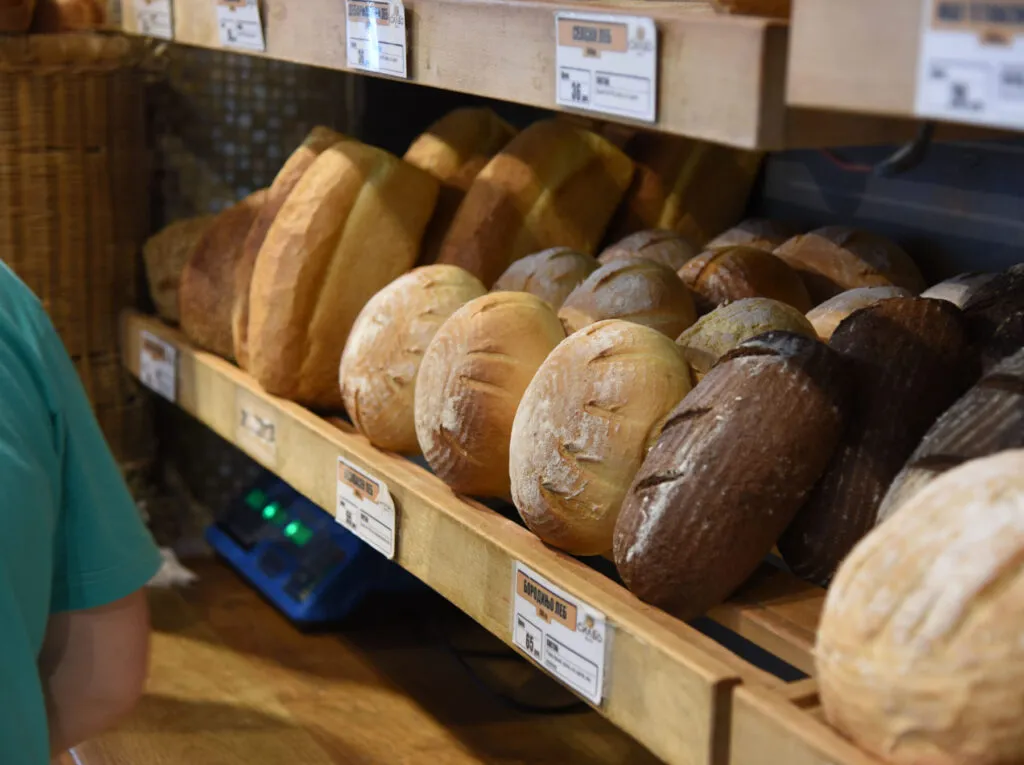
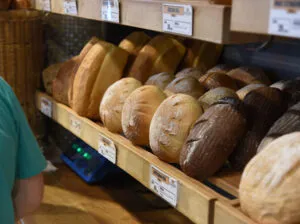
The next wave of price rises may not come from the petrol pump but from the bread shelf. According to estimates by Oxford Economics, global food prices could rise by 11.8 percent in 2026 and another 4.8 percent in 2027.
Before that number sparks panic, it is worth reading what it actually means. It is a projection for a global index of food commodity prices - not for the bill a consumer pays at the till. Oxford Economics itself warns that a rise in commodities does not pass automatically, or at the same percentage, into retail. The final price depends on domestic production, imports, transport, energy and processing.
When, and on what
The hit will not arrive all at once. With fresh fruit and vegetables, production disruptions reach consumers within two to three months - so the first wave is expected in October and November. With bread, pasta, cheese, oil and other processed food the process takes longer because of stocks, contracts and distribution, so the strongest pass-through is expected between February and May 2027.
Wheat is the most exposed. Oxford Economics estimates its price in the third quarter of 2026 could be around 36 percent higher than the same period last year, with a projected price of 6.92 dollars per bushel. That does not mean bread will get 36 percent dearer, but it does mean pressure on flour, bakery products, pasta and cereals.
Why this is happening
The reason is not one bad harvest but three pressures at once. First, the weather: after summer heat and drought in Europe, the Coceral association cut its forecast for the EU and UK grain harvest from 295.5 to 286.6 million tonnes. For comparison, around 310 million tonnes were gathered in 2025 - a difference of over 23 million tonnes in one year. In Germany, grain output is expected to fall by around seven percent, to roughly 41.9 million tonnes.
Second, costs. Global diesel prices in July were around 36 percent higher year on year, and fertiliser prices could rise 22 percent this year. Wheat is particularly dependent on fertiliser, which leaves it doubly exposed.
Third, wars and disrupted trade routes - the Strait of Hormuz, the Middle East, Ukraine.
Where Macedonia sits in all this
The domestic wheat harvest offers a degree of security, but farmers depend on imported fuel, fertiliser and inputs, and the food industry on energy, transport and raw materials. In a small, open economy, rises in those items gradually spill into domestic prices.
For now, though, the official statistics show no panic. According to the State Statistical Office, total inflation in July 2026 was 0.1 percent against June and 2.3 percent against July last year. Food and non-alcoholic drinks were 1.1 percent cheaper in July than in the previous month.
The global picture is not one-directional either. In July, global food commodity prices were around one percent higher than a year earlier, with cereals up 6.9 percent and vegetable oils up around 17.3 percent. That is an important counterweight to alarming headlines.
The region, meanwhile, shows how different national risks can be. In Croatia, agriculture ministry adviser Tatjana Radic said talks with experts mention possible rises of 20 to 30 percent, and under certain scenarios up to 40 percent in 2027 - but that estimate is tied to the state of Croatian agriculture.
So: there is no projection under which food here will get 11.8 percent dearer, and anyone passing that figure off as a domestic forecast either has not read the full analysis, or is hoping you will not. What is real is that the coming months carry risk, and how much of it reaches the checkout will depend on the domestic harvest, on stocks, and on importers' contracts.
The latest 10 news from this category
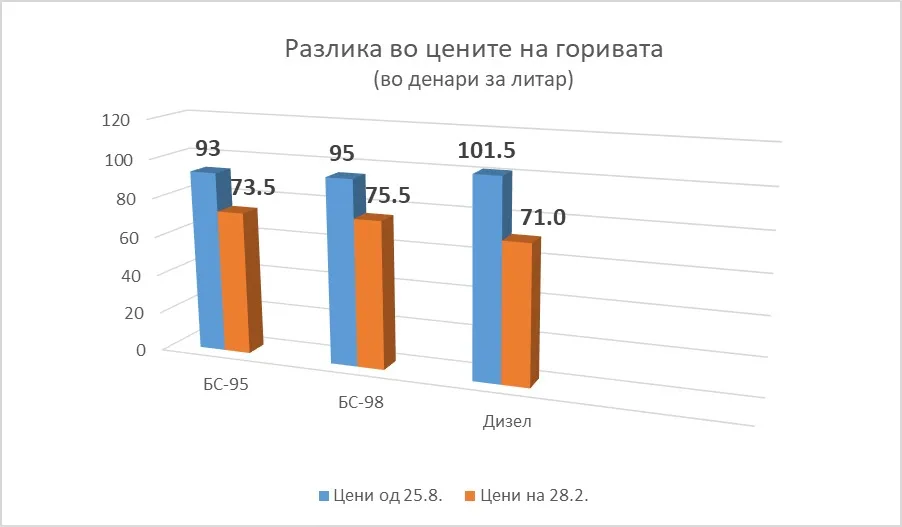
One tank now costs 1,525 denars more than in February. And that is with VAT cut and excise duties cut...
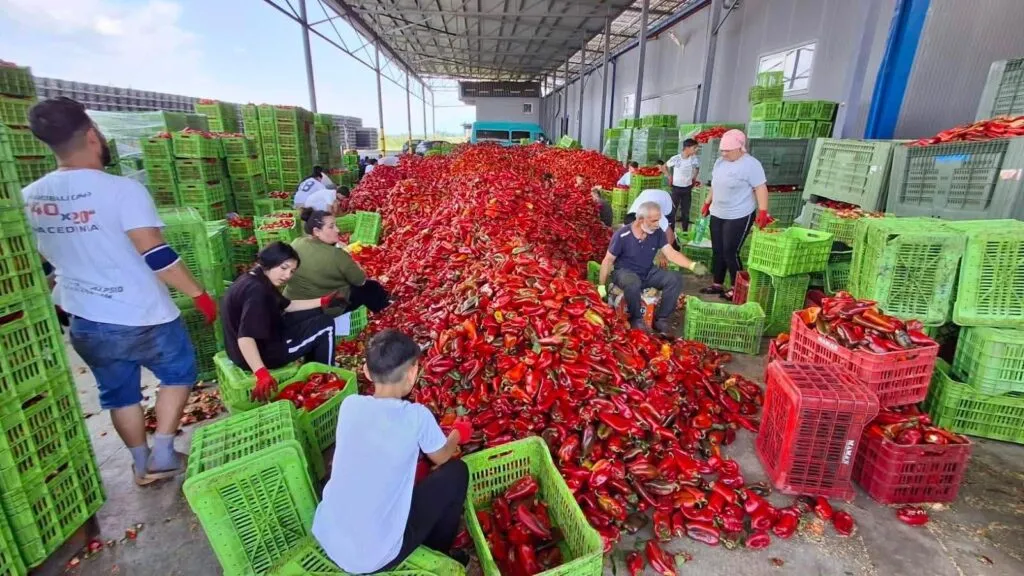
The price fell back to 25 denars, even though a higher one was agreed with the minister mediating. Farmers are...

An Indian startup has flown 13,000 autonomous flights and still has no revenue. It wins not because it flies faster...

Oura is heading to the stock market at a valuation five billion higher than last year. The same week, a...

The regulator argued the deal could have kept Redfin off the market for nine years. A settlement gets signed when...
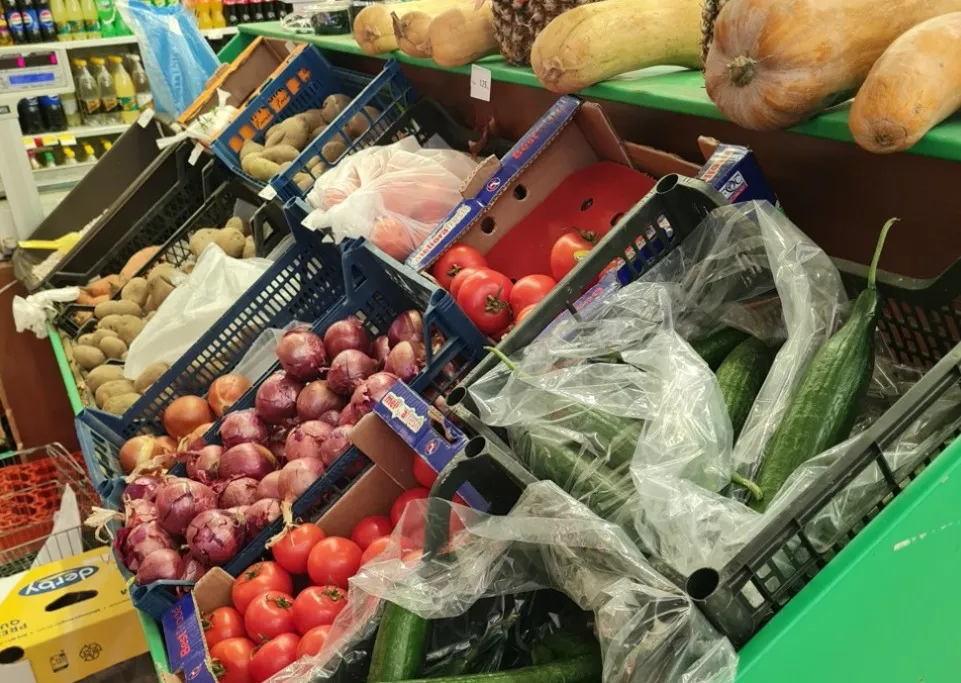
Food already takes 50.1 percent of the household budget. The first wave of price rises is expected in October.
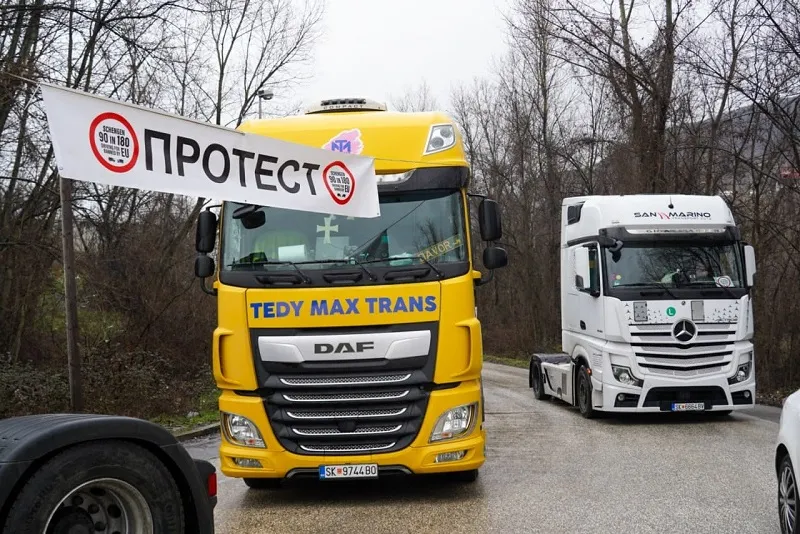
Seven months without an answer from Brussels. If the 1 September meeting brings no solution, a border blockade of more...
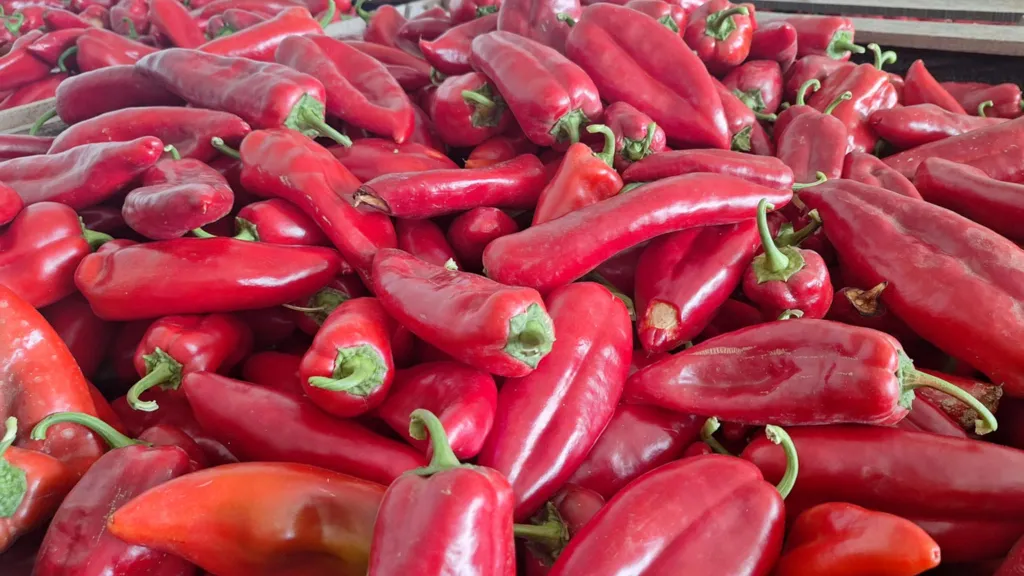
The buying price is back down to 25 denars a kilo. Tomorrow Strumica goes out to protest, this time with...
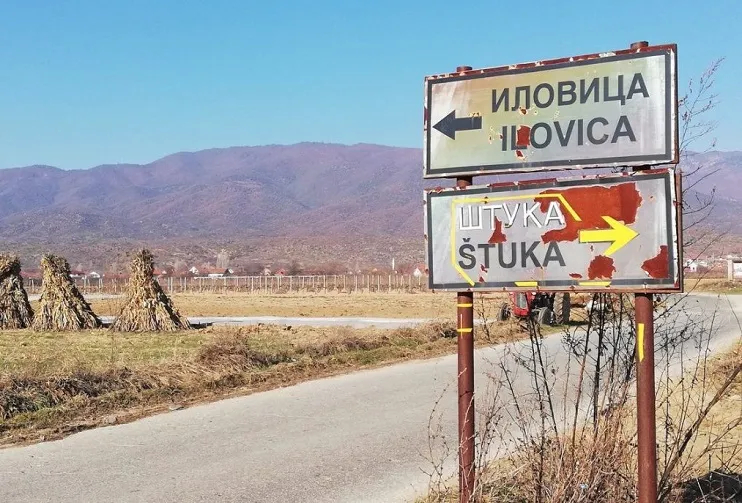
The argument is not about copper, it is about who stays in the southeast. The same initiative that talks about...

A billion and a half in penalties for a company projecting two hundred billion in revenue. The judge ruled that...
This site uses cookies - is that okay? Learn more
Be the first to know when Metla launches something new
Leave your email and we will write when there is a new guide or something new on Metla.