Skopje Breathed Smoke From Two Mountains: 21 Fires in One Day, and Vodno Was Clean
25.08.2026


25.08.2026

24.08.2026

23.08.2026

25.08.2026
25.08.2026

24.08.2026

25.08.2026

25.08.2026

25.08.2026

25.08.2026

24.08.2026

23.08.2026

25.08.2026

25.08.2026

25.08.2026

25.08.2026

25.08.2026

25.08.2026

09.03.2026

27.02.2026

19.02.2026

23.04.2026

23.04.2026

12.04.2026
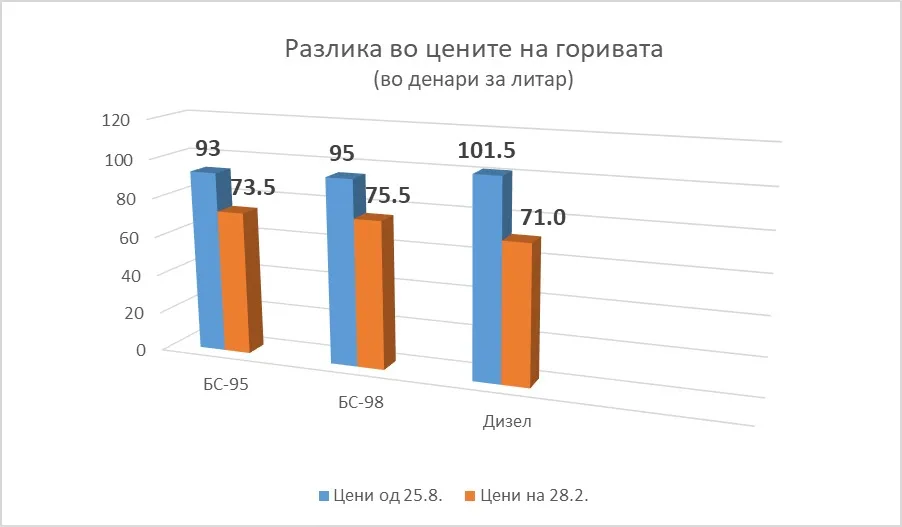
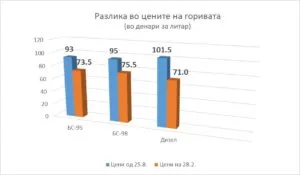
Diesel in Macedonia has broken through the 100 denar per litre mark. The maximum price is now 101.5 denars - a rise of 3.5 denars under the latest decision by the Energy Regulatory Commission. Petrol is up by 1.5 denars: Eurosuper BS-95 will cost 93, and BS-98 - 95 denars per litre.
The number that shows the real picture, though, is not today's adjustment but the comparison with the start of the year. On 28 February, when the US and Israel began strikes on Iran, diesel cost 71 denars per litre, BS-95 - 73.5, and BS-98 - 75.5 denars.
So: diesel has risen by over 30 denars per litre, around 43 percent. Petrol is up almost 20 denars, or around 26 percent. In six months.
What that means at the pump
Calculated on a 50-litre tank, the difference becomes tangible. Filling up with diesel now costs 5,075 denars, against 3,550 denars on 28 February - 1,525 denars more per tank. Fifty litres of BS-95 now takes 4,650 denars, which is 975 more than the 3,675 it cost when the strikes began.
For someone who fills up twice a month, that is around 3,000 denars more every month on diesel alone, without a single other thing in their life having changed.
The state stepped in. It did not help enough.
The heaviest blow landed right after the war started - on 9 March the Regulatory Commission passed a decision that pushed diesel up by 14.5 denars, to 85.5 per litre. The government then intervened with fiscal measures: VAT on fuel was cut from 18 to 10 percent, and excise duties were reduced by four denars on diesel and two on petrol.
Those measures are still in force. Prices kept climbing anyway. On 7 July BS-95 cost 85.5 and diesel 82.5 denars. Three weeks later - 93 and 98.5. Today - 93 and 101.5.
In other words: without the reduced VAT and the reduced excise, diesel today would not cost 101.5 denars but considerably more. The fiscal measure did not stop the rise - it only slowed the speed of the climb.
The Regulatory Commission points out that the set prices are maximums, meaning traders are free to sell cheaper. In practice that rarely happens - the maximum price tends to become the price.
The rise comes amid prolonged instability on the global oil market because of the war with Iran and disrupted shipping through the Strait of Hormuz. That is a real external factor Skopje has no influence over. What it does have influence over is what happens next - whether the fiscal reserve is spent, and how much longer the reduced excise duties can hold before the budget speaks up.
The latest 10 news from this category
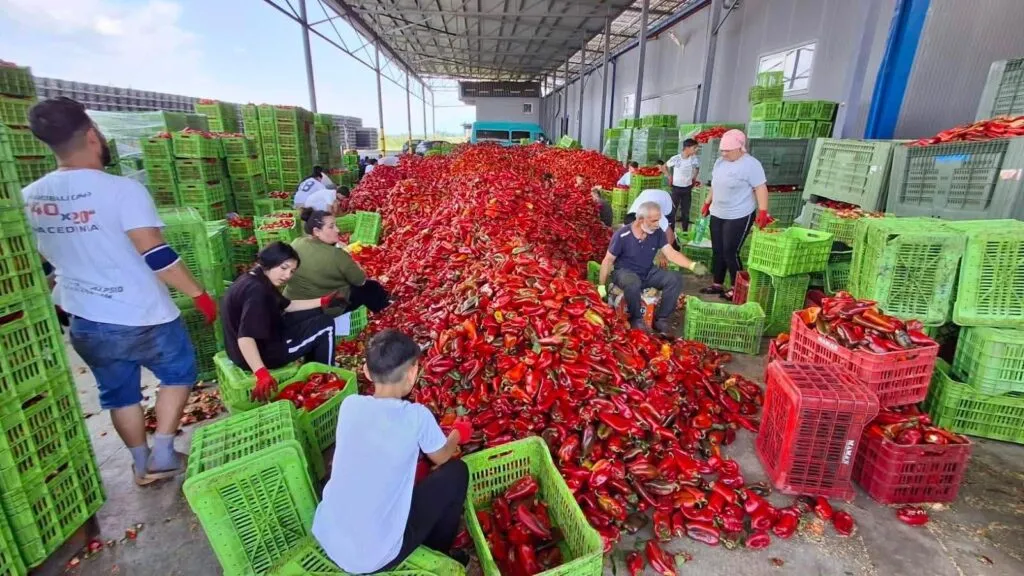
The price fell back to 25 denars, even though a higher one was agreed with the minister mediating. Farmers are...
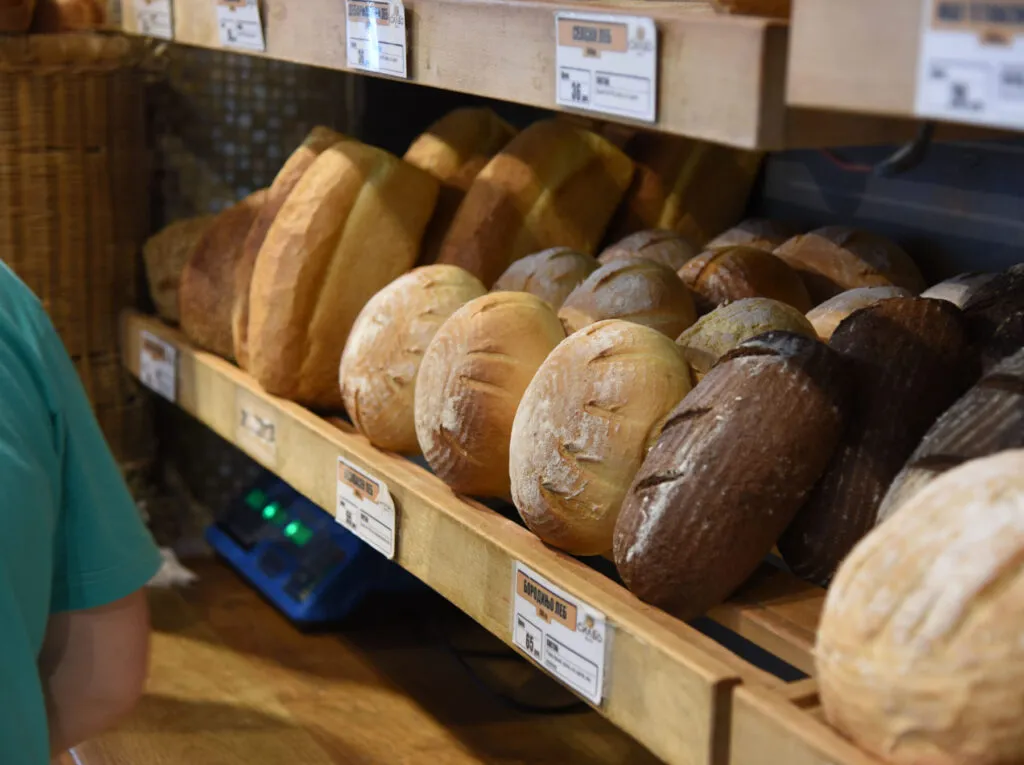
The figure refers to a global commodity index, not to the Macedonian checkout. Wheat is the most exposed, and the...
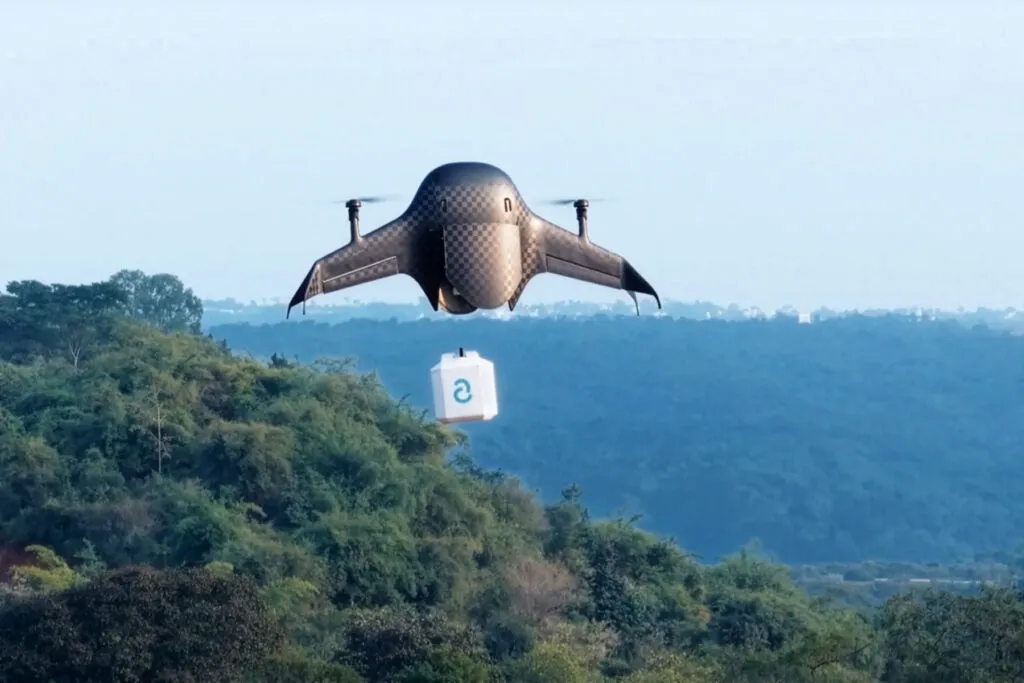
An Indian startup has flown 13,000 autonomous flights and still has no revenue. It wins not because it flies faster...

Oura is heading to the stock market at a valuation five billion higher than last year. The same week, a...

The regulator argued the deal could have kept Redfin off the market for nine years. A settlement gets signed when...
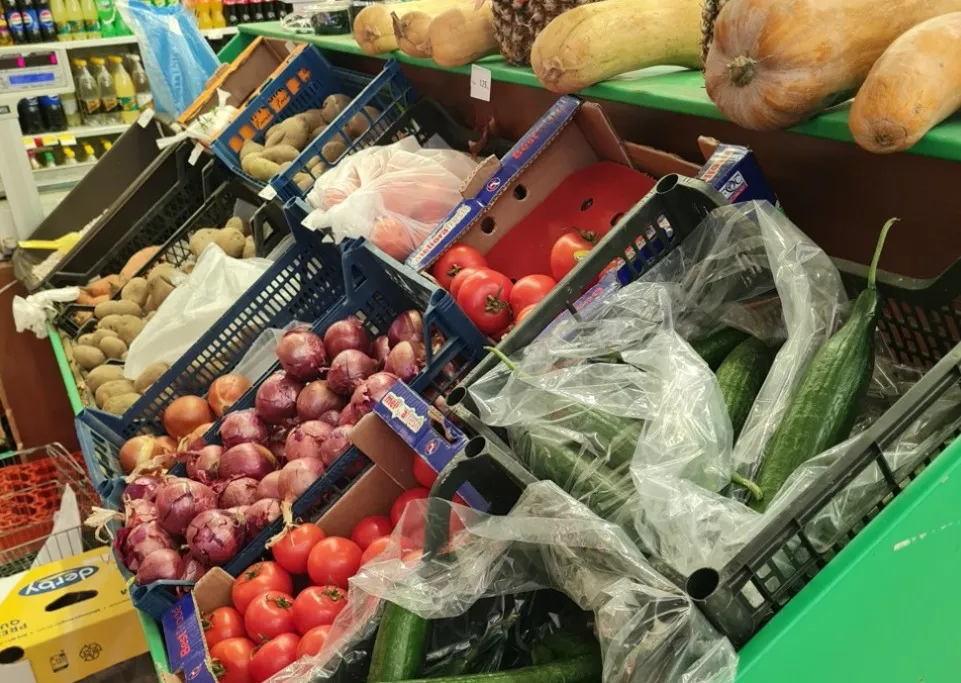
Food already takes 50.1 percent of the household budget. The first wave of price rises is expected in October.
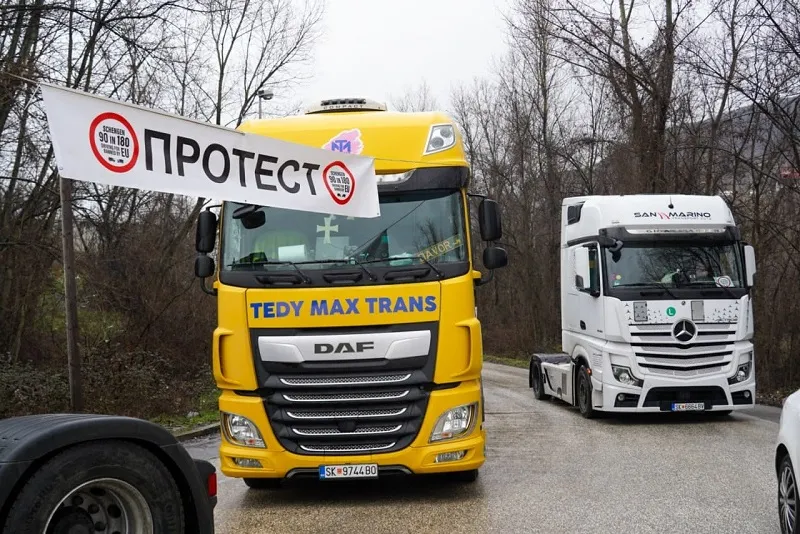
Seven months without an answer from Brussels. If the 1 September meeting brings no solution, a border blockade of more...
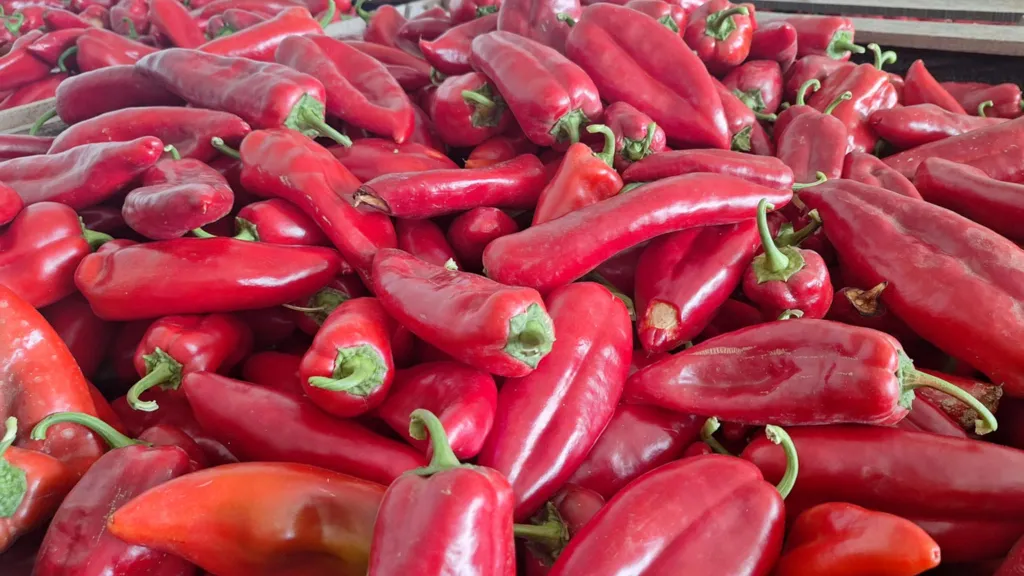
The buying price is back down to 25 denars a kilo. Tomorrow Strumica goes out to protest, this time with...
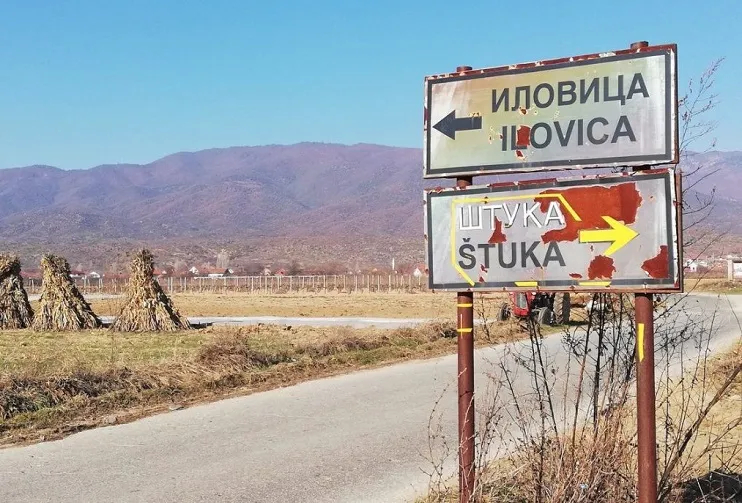
The argument is not about copper, it is about who stays in the southeast. The same initiative that talks about...

A billion and a half in penalties for a company projecting two hundred billion in revenue. The judge ruled that...
This site uses cookies - is that okay? Learn more
Be the first to know when Metla launches something new
Leave your email and we will write when there is a new guide or something new on Metla.