

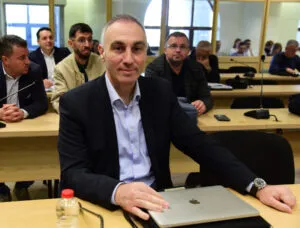
Grubi calls the entire government as witnesses, while 9.7 million euros' worth of machines sit in a warehouse
21.10.2026


21.10.2026
21.10.2026
21.10.2026

21.10.2026
21.10.2026
21.10.2026

21.10.2026
20.10.2026
20.10.2026

21.10.2026

21.10.2026
20.10.2026

21.10.2026

21.10.2026

21.10.2026
21.10.2026

20.10.2026

19.10.2026

21.10.2026

21.10.2026

21.10.2026
21.10.2026

21.10.2026
20.10.2026
21.10.2026
20.10.2026
19.10.2026
20.10.2026
19.10.2026
17.10.2026

23.04.2026

23.04.2026

12.04.2026

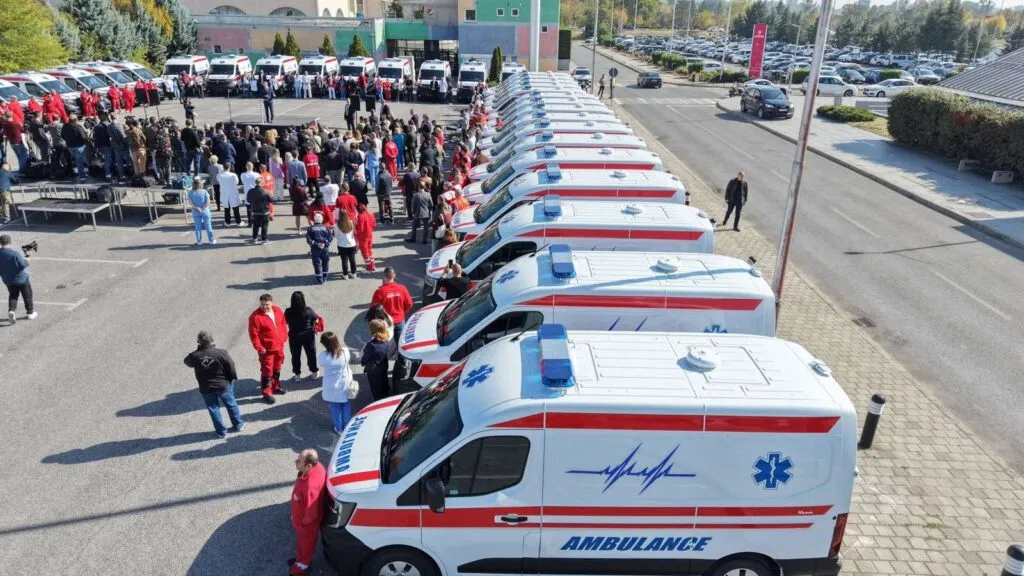
A hundred white vehicles lined up in a car park, a prime minister, a minister and cameras. The Emergency Medical Service is getting 100 new ambulances, equipped with ECG machines, defibrillators, respiratory support equipment and air conditioning. A nice picture. And then, answering a journalist's question, Health Minister Sašo Klekovski said the sentence worth more than the whole launch: the biggest bottleneck in the Emergency Service is - drivers.
The numbers look like this. The services currently have around 140 active vehicles. Of the new 100, 60 will increase capacity and 40 will replace worn-out ones. That should bring the total to around 200. The ministry is already discussing another 50 vehicles next year. Distribution, Klekovski says, will follow criteria: population, territory, annual call-outs, transports and the condition of existing vehicles. The vehicles will go into service once the teams have been trained on the new equipment.
A national staffing analysis by category - drivers, doctors and nurses - with a forecast of retirements up to 2030, showed where the biggest bottleneck is: the people behind the wheel. The ministry will talk to health facilities and to the Finance Ministry. In other words: we have the vehicles, the money for the people is still being looked for. How many of the 200 vehicles will sit in a garage because there's nobody to drive them?
Prime Minister Hristijan Mickoski used the launch for a broader tally: 120 vehicles for the Interior Ministry, around a hundred for the Post, 53 for cleaning in the municipalities, and soon 150 electric buses. "Many things were neglected, many things were destroyed, many things were stolen," he said, admitting that "not everything is solved with these 100 vehicles". It's hard to disagree with him on that.
Klekovski also announced reforms: separating the Emergency Service from the Skopje Health Centre as a standalone service, then extending that nationally, national triage standards, a national dispatch centre and the gradual introduction of paramedics. "Citizens don't know the municipal boundaries of health centres," the minister said - and he is right. When someone collapses in the street, they don't care whose ambulance it is, only whether it comes. And for it to come, besides a vehicle, it needs a driver.
The latest 10 news from this category
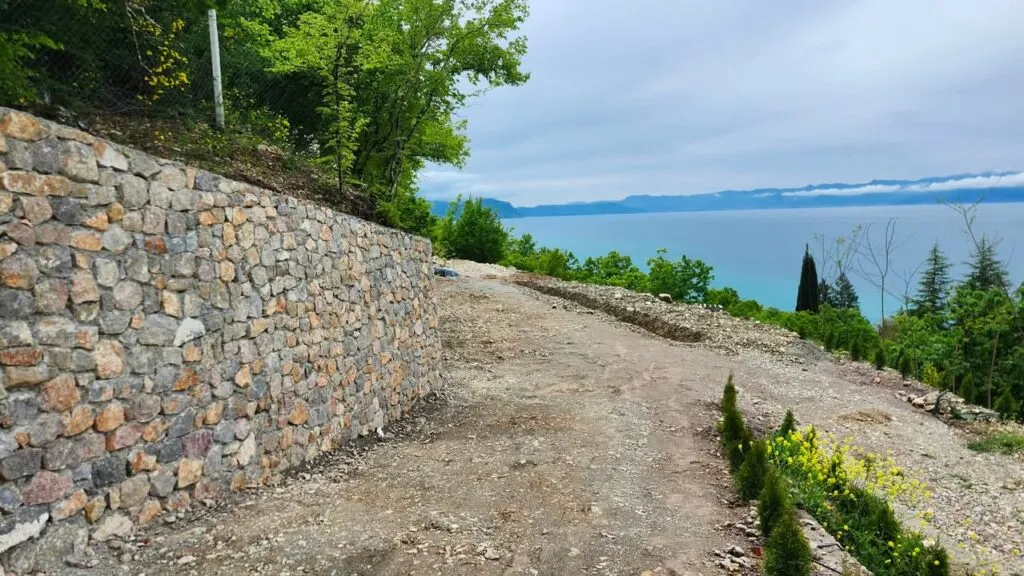
The national park itself established the violations and filed complaints with four institutions. Three years later, the scar at Lagadin...
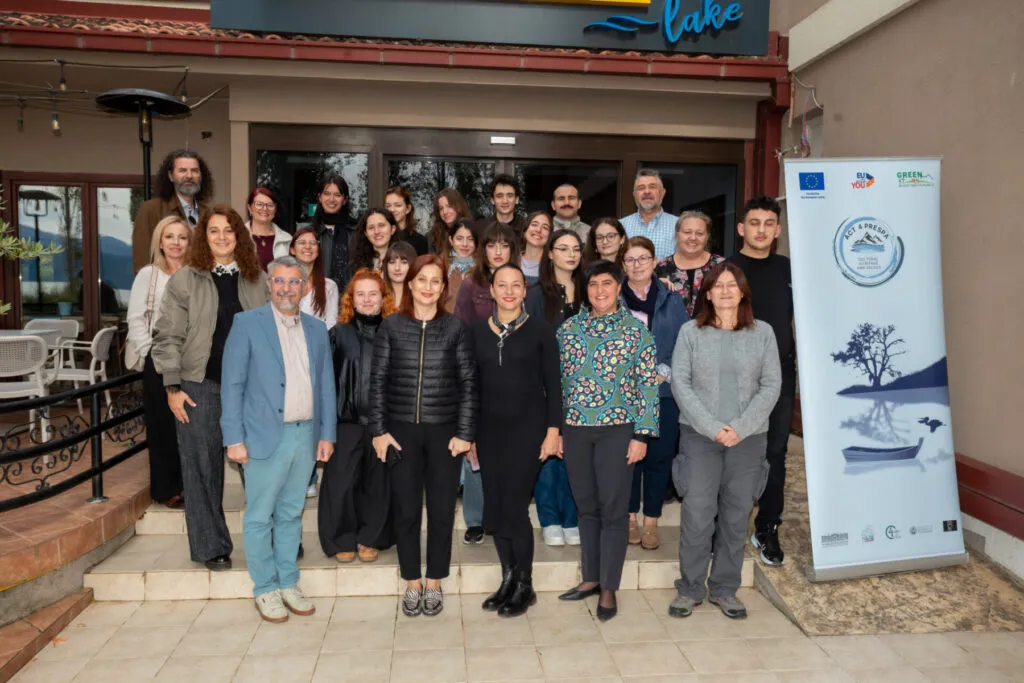
Twelve papers, a field trip to Ljubojno and European money. The question is whether the knowledge will reach the people...
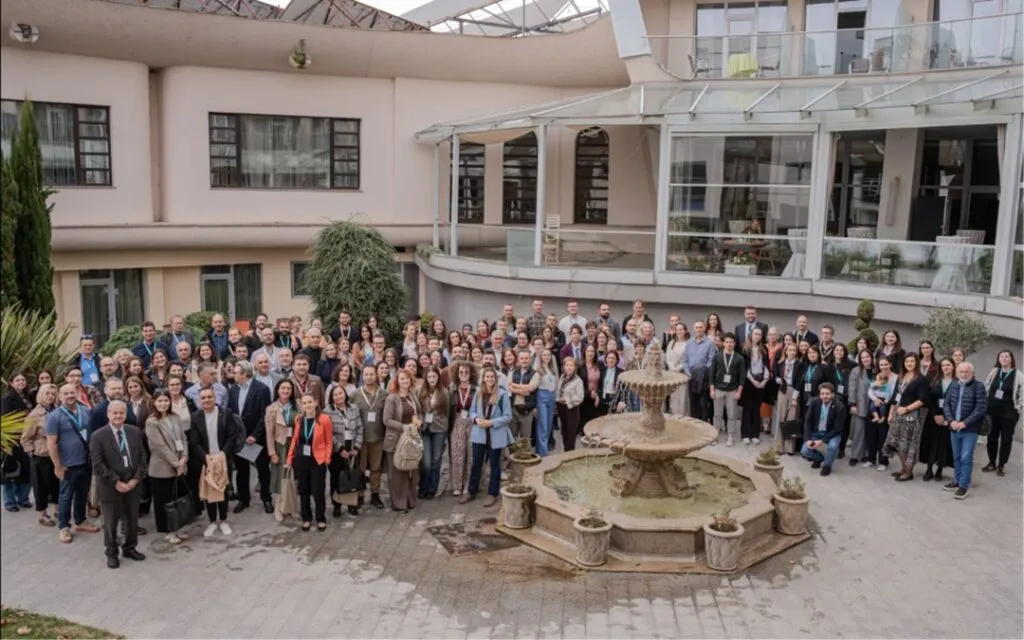
Nickel in the soil, drought among the oaks, Prespa in a climate crisis. The knowledge is there - it just...
In Sofia the topic wasn't even raised, by "tacit agreement". Back home, the violations in her treatment remain - and...
Instead of severance or a transfer, permanent jobs as civilians. The collective agreement, however, is still being negotiated.
A real-time photo, a location, a notification when the bin is emptied. Young people built the app - how fast...
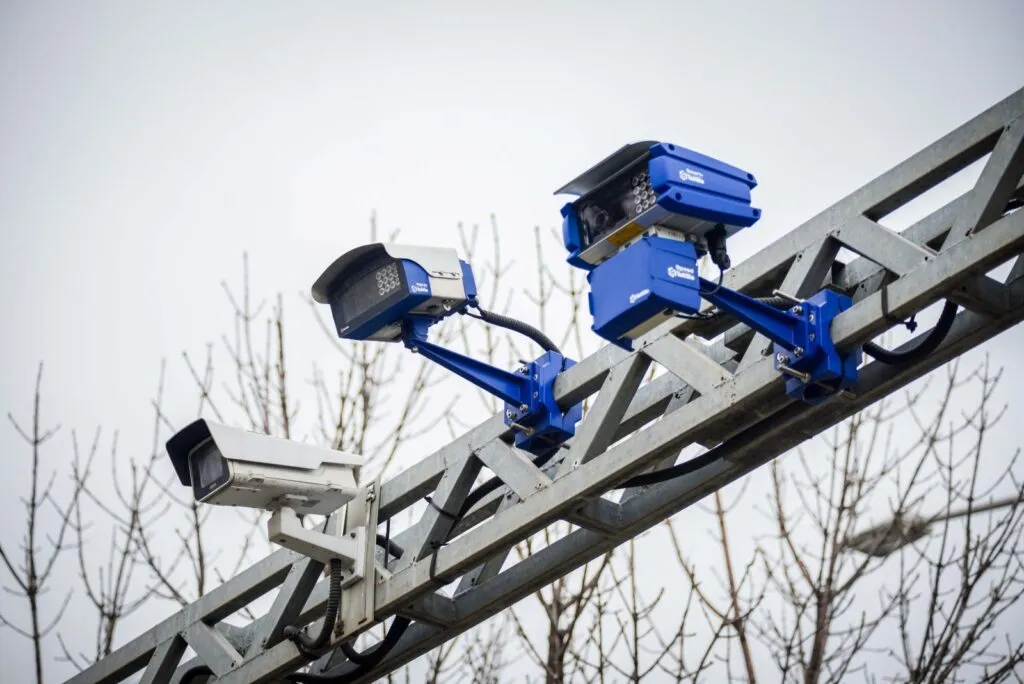
The benches by the restored "Lotos" fountain have already been covered in graffiti three times. The cameras will record, but...
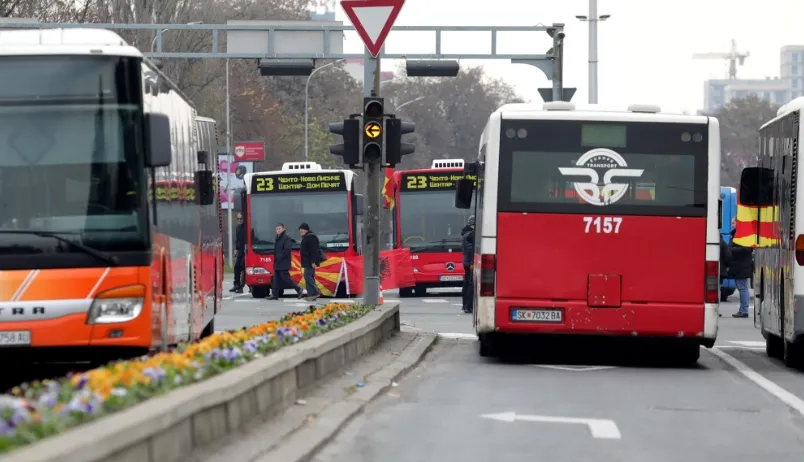
No official explanation, and the City won't say whether anyone checks on the private operators or how much the public...
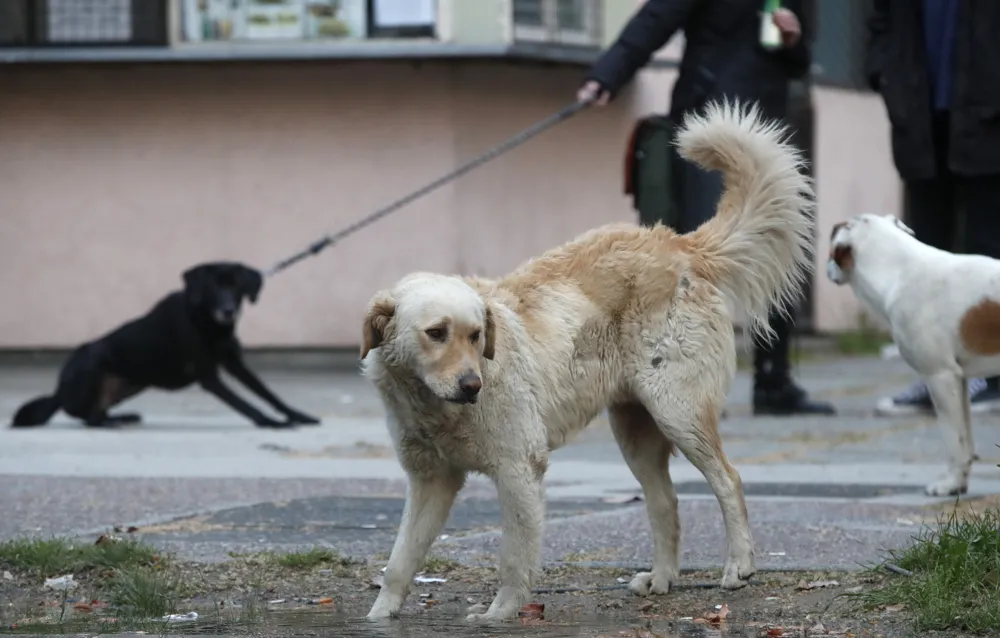
A mother and her seven-year-old daughter had to run out between cars to escape three stray dogs. The police sent...

Late procurement, two-year waits for drugs already approved in the EU, and young patients left without a clinic at 18....
This site uses cookies - is that okay? Learn more
Be the first to know when Metla launches something new
Leave your email and we will write when there is a new guide or something new on Metla.


