

Two failing grades and you're out: parliament brings in automatic dismissal for civil servants, but who will write the appraisals?
20.10.2026


20.10.2026

20.10.2026

20.10.2026

20.10.2026

20.10.2026

20.10.2026

20.10.2026

19.10.2026

19.10.2026

20.10.2026

20.10.2026

19.10.2026

20.10.2026

20.10.2026

20.10.2026

20.10.2026

19.10.2026

18.10.2026

20.10.2026

20.10.2026

20.10.2026

20.10.2026

20.10.2026

20.10.2026

20.10.2026

19.10.2026

18.10.2026
19.10.2026

17.10.2026

15.10.2026

23.04.2026

23.04.2026

12.04.2026


When a drug does not arrive on time, a patient with a rare disease does not just lose days. They lose functions that never come back. That is why patient associations have gone public again: therapy is late, new medicines wait for years, and the National Strategy for Rare Diseases, they say, has already been delivered to the government in its final version.
The National Alliance for Rare Diseases of Macedonia, the Bitola association "Living with Challenges" and the Association of General and Family Medicine Doctors held a press conference and a symposium under the motto "Think Rare: Recognise and Refer". The message was clear: despite cooperation with the institutions, delays in procurement and delivery leave patients without therapy for anything from a few days to a month.
The demands are not a luxury. A steady supply of medicines. A clear, published plan for when and by what criteria new patients and new therapies will be added. And an end to the practice of patients waiting two years for access to drugs the European Medicines Agency has already approved. According to the Alliance's president, Nataša Anǵeleska, patients are not asking for privileges, but for basic rights to healthcare.
It is hardest for those with muscular dystrophy. The patients' association has 26 members - the youngest is a six-month-old baby, the oldest is 23. For them every delay means an irreversible loss of physical abilities. The associations expect the procurement of the therapy that slows the disease to be completed by the end of the year. If the tender is late, so is everything the drug was supposed to preserve.
There is also a hole in the system that nobody is filling: when a patient turns 18, they leave paediatric care and have nowhere to go. "Once they turn 18, we wander around, nobody accepts them, we don't know where to apply for an examination," said the parent of a child with a rare disease. The associations want a multidisciplinary team, so that patients travelling to Skopje can complete all their check-ups in a single day.
They have also requested a meeting with Health Minister Sašo Klekovski, who took office in July, to agree the budgeting for the therapy in time. The strategy is written, the demands are clear. What exactly is the state still waiting for?
The latest 10 news from this category

A mother and her seven-year-old daughter had to run out between cars to escape three stray dogs. The police sent...

Line 23 failed to show for an hour, and at the railway station passengers could not squeeze on. Skopje is...

Municipalities hold awareness events, yet according to the audit cited by the AFŽ, a third of women waited more than...

For the fifth year running, Bitola municipality is asking residents what they need. The list is long, and the real...
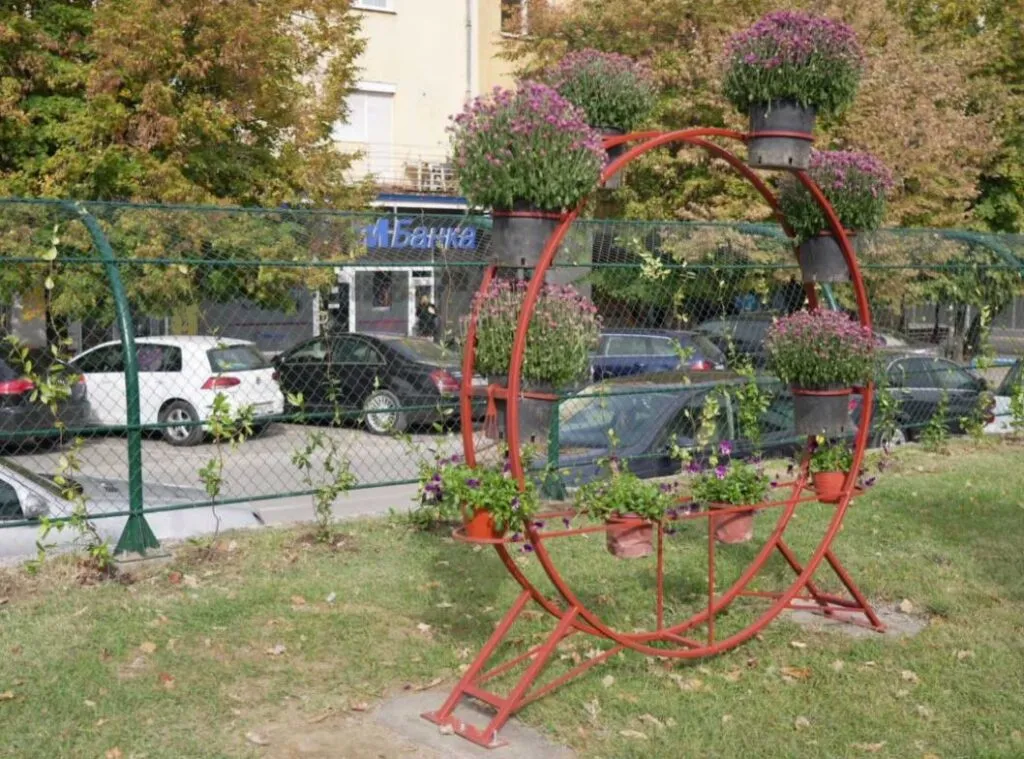
The new greenery is part of the "Urban Greening for Healthier Breathing" project. Planting is the easy part - the...
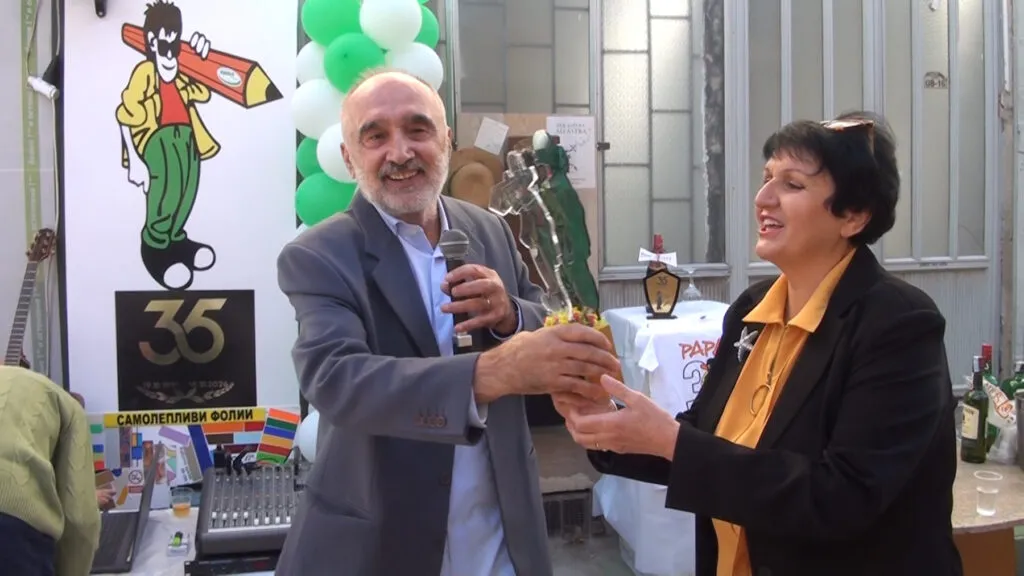
Velčo Petrovski - Papal started his firm on 18 October 1991. The hardest stretches, he says, were the first five...
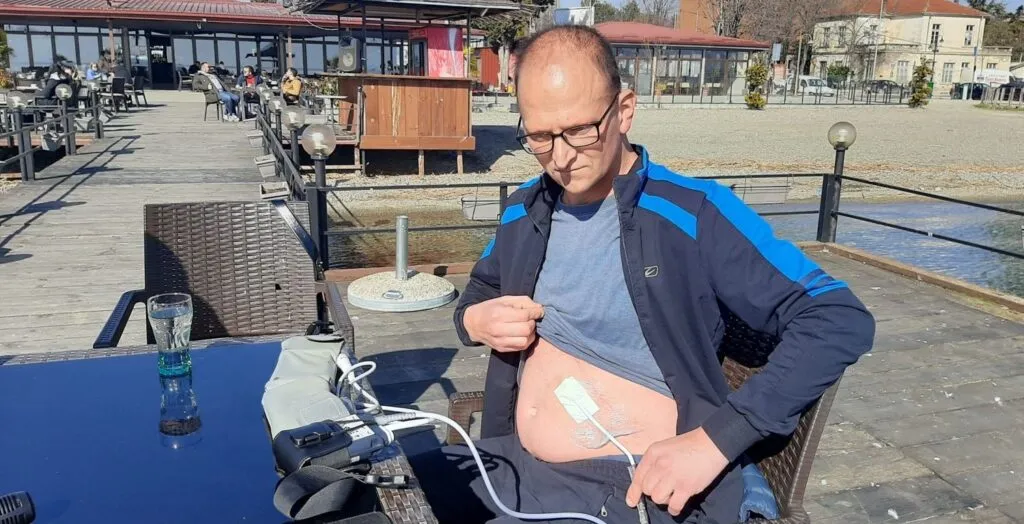
The president of "Brave Heart" took the chance to become the first patient on mechanical support to receive a heart...
Mornings stay cold, afternoons stay pleasant. The long-range forecast is already pointing to the first sub-zero temperatures in mid-November.

The global initiative turned ten; Macedonia marked it for the third time. In the EU, the right to repair is...

Prodanoski boasted about the turnout and the many children and young people at the start line. The next challenge is...
This site uses cookies - is that okay? Learn more
Be the first to know when Metla launches something new
Leave your email and we will write when there is a new guide or something new on Metla.


