

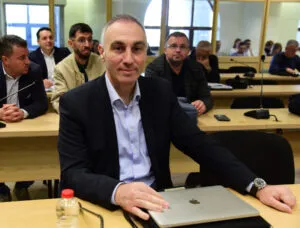
Grubi calls the entire government as witnesses, while 9.7 million euros' worth of machines sit in a warehouse
21.10.2026


21.10.2026

21.10.2026
21.10.2026

21.10.2026
21.10.2026
21.10.2026
21.10.2026

20.10.2026
20.10.2026

21.10.2026

21.10.2026

20.10.2026

21.10.2026

21.10.2026
21.10.2026

21.10.2026

20.10.2026

19.10.2026

21.10.2026

21.10.2026

21.10.2026
21.10.2026

21.10.2026

20.10.2026
21.10.2026

20.10.2026

19.10.2026
20.10.2026

19.10.2026

17.10.2026

23.04.2026

23.04.2026

12.04.2026

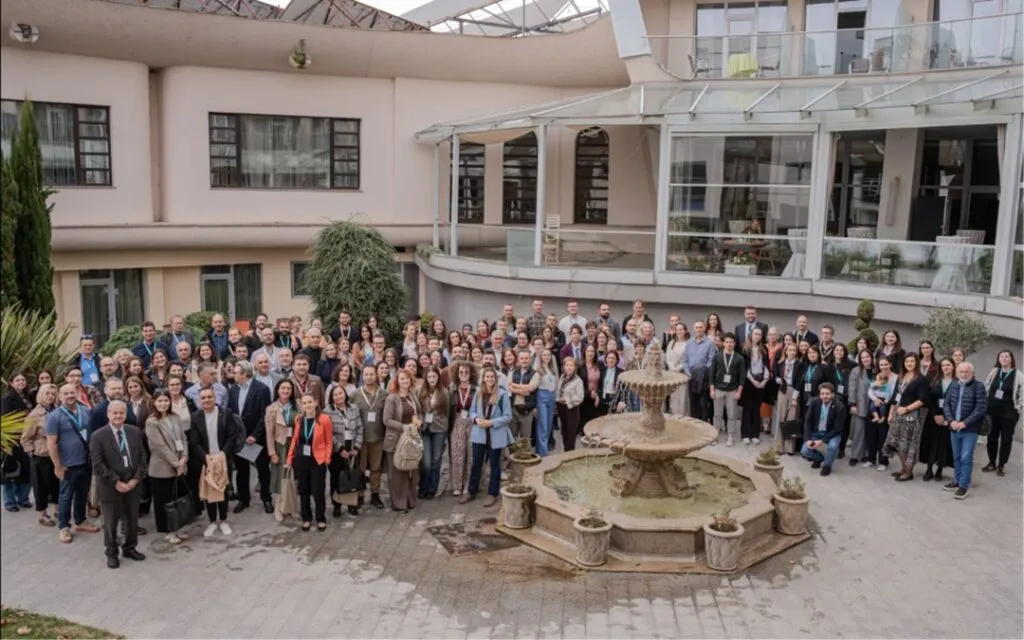
Nature usually makes the front pages when something burns, collapses or stinks. In Struga, it was discussed for four days with numbers, measurements and field studies. The Seventh Congress of Ecologists of Macedonia with international participation, held from 15 to 18 October, brought together more than 180 speakers and guests from the region and 170 papers and poster presentations, organised by the Macedonian Ecological Society (MED).
The topics are the ones we live with every day and rarely understand: air, water and soil pollution, biodiversity, forestry, agriculture and changes in ecosystems. Bulgarian professor Irina Karadzhova spoke about plants that accumulate nickel and can be used to clean up contaminated land. Dr Tim van der Schriek used the example of Lake Prespa to talk about protecting nature in the middle of a climate crisis, and Dr Jovana Devetaković from Belgrade spoke about how vulnerable four oak species are to drought.
Perhaps the most important sentence of the congress came from Prof. Panayotis Dimopoulos of the University of Patras: the technical assessment of ecosystem services has to be turned into concrete decisions. How often does an assessment like that get any further than the book of proceedings here? "Twenty-eight years after the first congress, we are still here," said MED's executive director, Robertina Brajanoska. A sentence that sounds like both pride and a warning.
More than 200 pupils from 14 primary schools presented their research on habitats from Šar Mountain and Prespa to the Pešna cave, and biology students gave 18 presentations. The congress was dedicated to Prof. Dr Ljupčo Grupče, one of its founders, who did not live to see the seventh edition. Generations of ecologists have the knowledge. The question is whether anyone who signs urban plans and permits will read what they have written.
The latest 10 news from this category
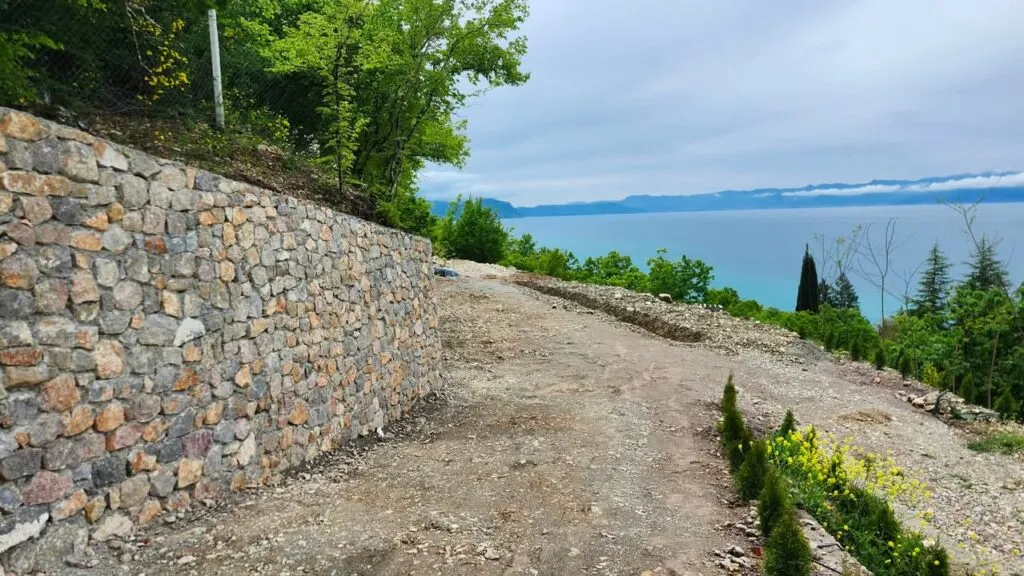
The national park itself established the violations and filed complaints with four institutions. Three years later, the scar at Lagadin...
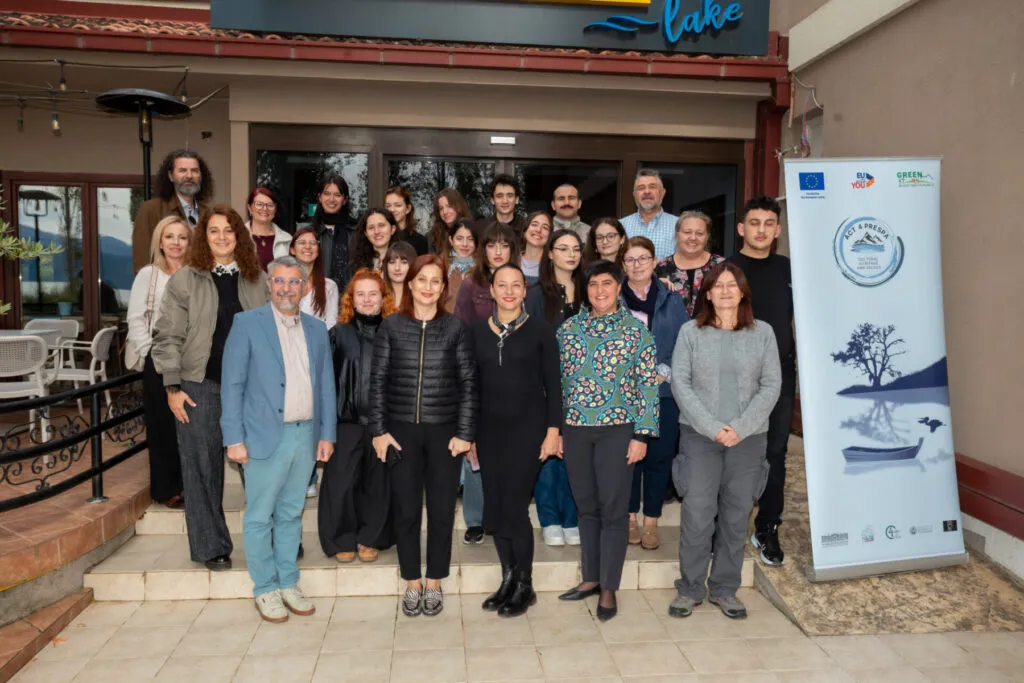
Twelve papers, a field trip to Ljubojno and European money. The question is whether the knowledge will reach the people...
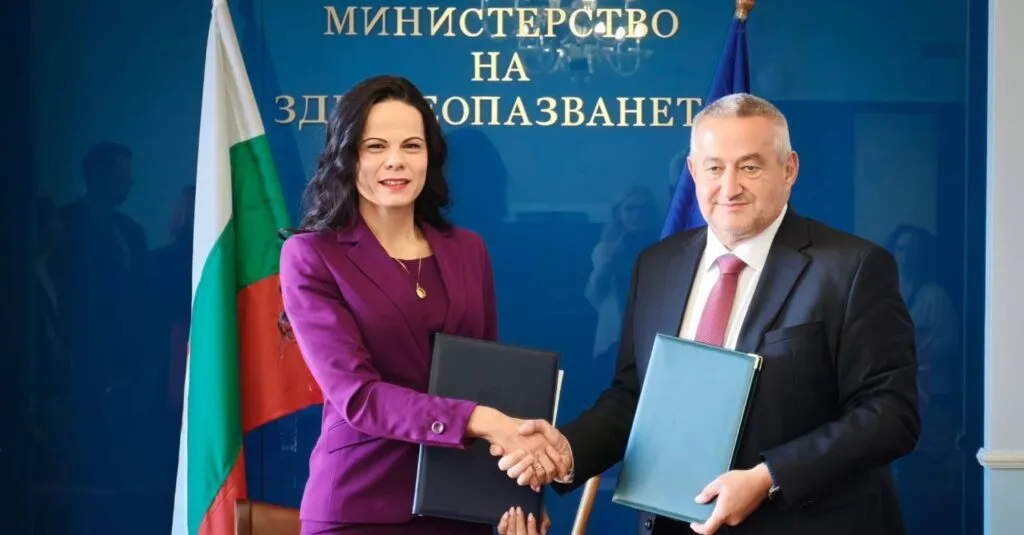
In Sofia the topic wasn't even raised, by "tacit agreement". Back home, the violations in her treatment remain - and...
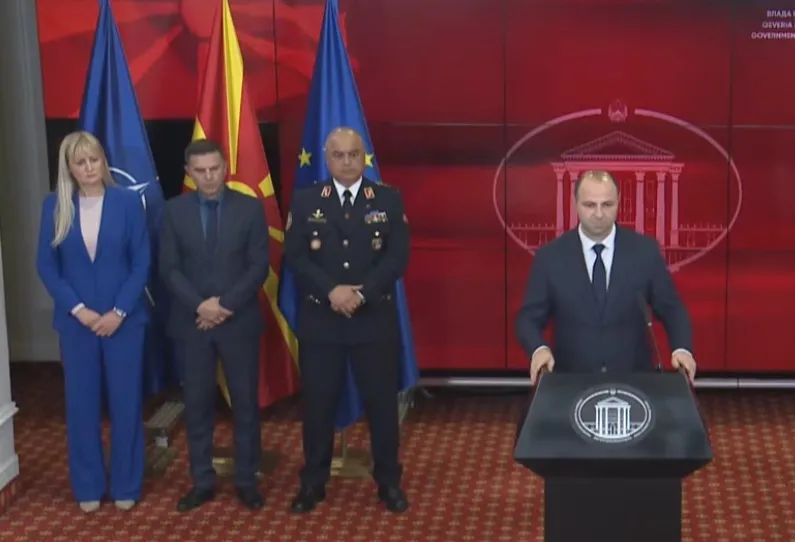
Instead of severance or a transfer, permanent jobs as civilians. The collective agreement, however, is still being negotiated.

The fleet grows from 140 to around 200 vehicles. The staffing analysis shows the biggest bottleneck isn't the equipment, but...
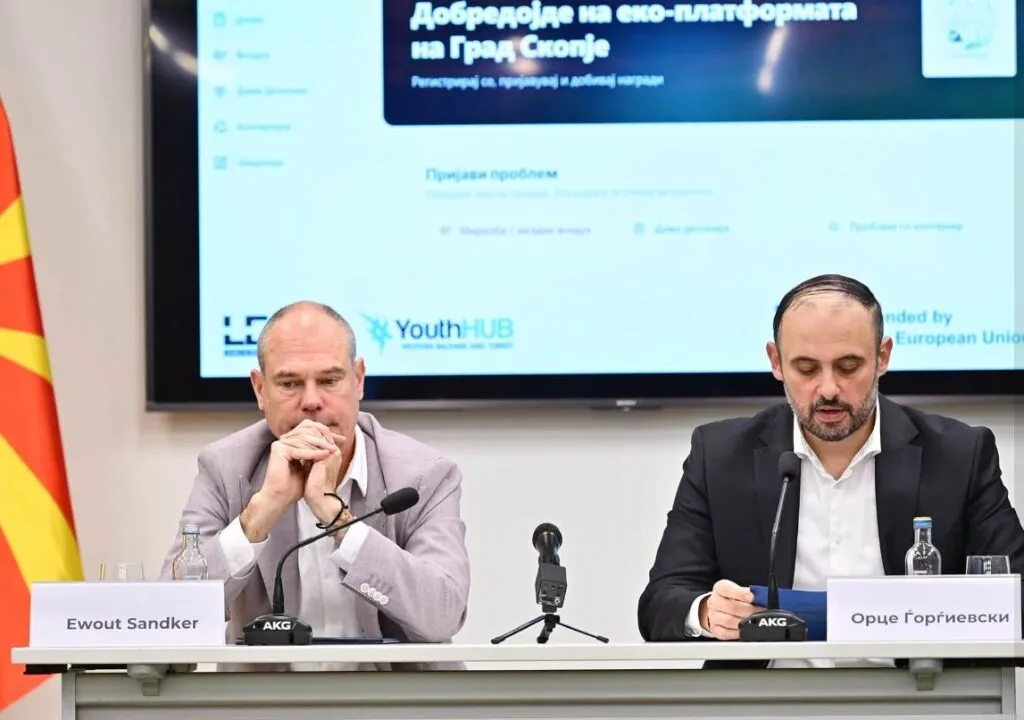
A real-time photo, a location, a notification when the bin is emptied. Young people built the app - how fast...

The benches by the restored "Lotos" fountain have already been covered in graffiti three times. The cameras will record, but...
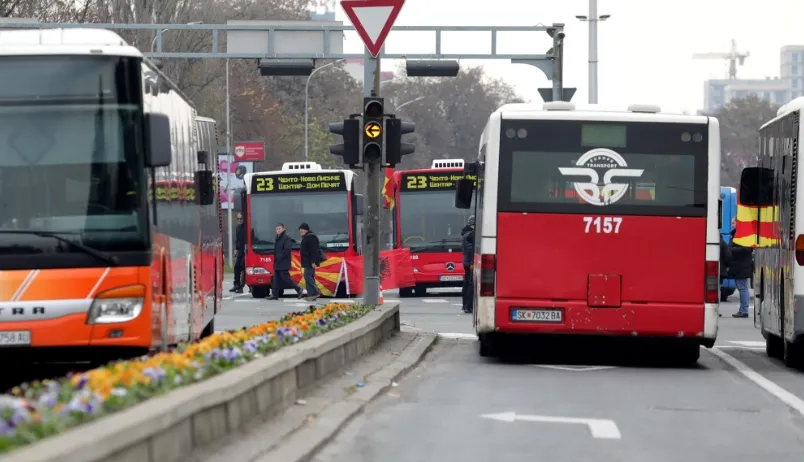
No official explanation, and the City won't say whether anyone checks on the private operators or how much the public...
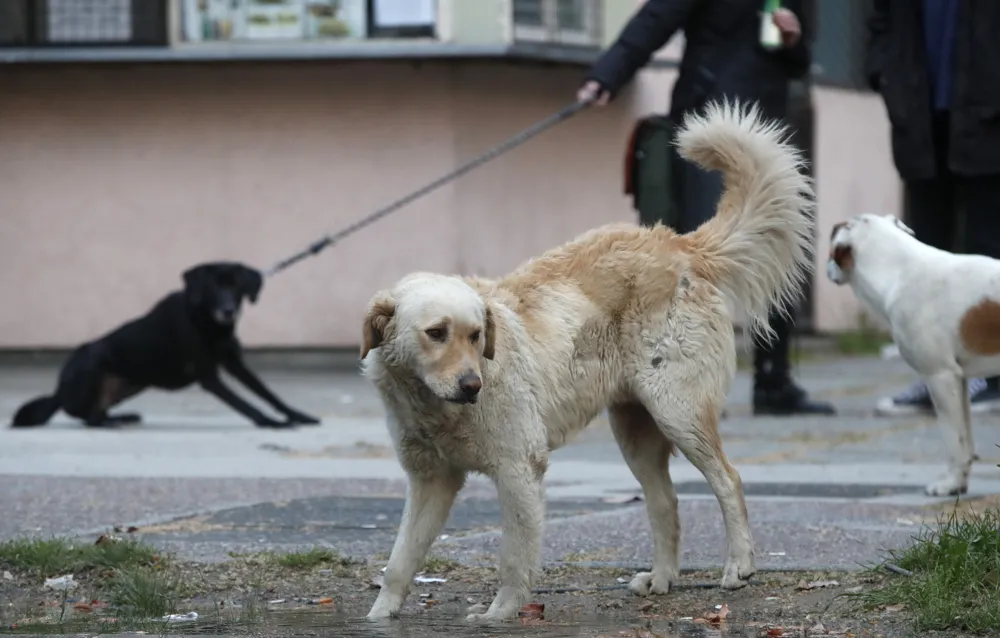
A mother and her seven-year-old daughter had to run out between cars to escape three stray dogs. The police sent...

Late procurement, two-year waits for drugs already approved in the EU, and young patients left without a clinic at 18....
This site uses cookies - is that okay? Learn more
Be the first to know when Metla launches something new
Leave your email and we will write when there is a new guide or something new on Metla.


