
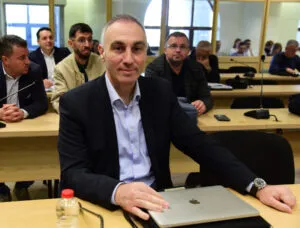
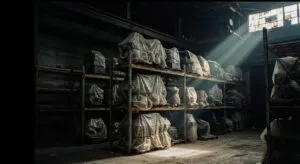
Grubi calls the entire government as witnesses, while 9.7 million euros' worth of machines sit in a warehouse
21.10.2026


21.10.2026
21.10.2026
21.10.2026

21.10.2026
21.10.2026
21.10.2026

21.10.2026
20.10.2026
20.10.2026

21.10.2026

21.10.2026

20.10.2026

21.10.2026

21.10.2026

21.10.2026

21.10.2026

20.10.2026

19.10.2026

21.10.2026

21.10.2026

21.10.2026
21.10.2026

21.10.2026
20.10.2026
21.10.2026
20.10.2026
19.10.2026
20.10.2026

19.10.2026

17.10.2026

23.04.2026

23.04.2026

12.04.2026

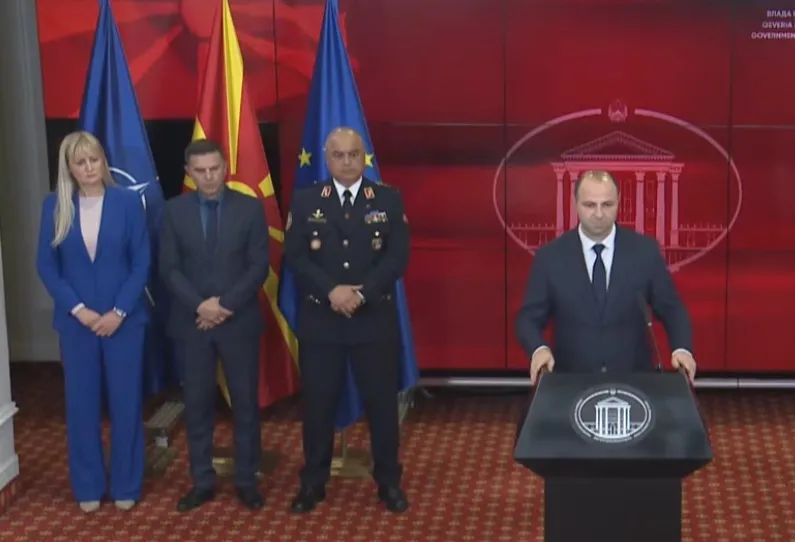
In the Army, 45 was the cut-off. A professional soldier at that age could take severance pay or ask to move to another institution, and the uniform was left behind. Yesterday the government adopted a decision that changes this: soldiers who turn 45 will be able to stay in the Army as civilians, on permanent contracts.
The solution was presented by Defence Minister Vlado Misajlovski, Chief of the General Staff Major General Saško Lafčiski, and representatives of the defence trade unions. "All the options remain - severance, transfer to institutions - but with this reform we are making it possible for every soldier to stay in the Army as a civilian," Misajlovski said. According to the press conference, the basic salary and all allowances stay the same, and retirement follows the existing rules.
What will they do? They will be assigned to units securing garrisons, barracks and Army property - a task that units have so far carried as an extra, "tertiary" duty. The professional soldiers' union also lists postings close to home, rent compensation, a retirement bonus, an army allowance, recognition of higher education and a five percent allowance for shift work.
It sounds like good news, and it most likely is. But the most telling sentence came from Lafčiski himself: the question of soldiers' status after 45 "has been dragging on for more than 15 years". Fifteen years in which governments, ministers and chiefs of staff came and went, while every generation of soldiers ran into the same wall. The union did not miss the chance to say that Army personnel "know who helped them" when things were hardest.
Two things remain open. The solution, as the minister admitted, is not part of the collective agreement, and negotiations on that are continuing. And second: the decision has to be turned into a new organisational structure with real jobs in the barracks. Will that happen before the next generation turns 45?
The latest 10 news from this category
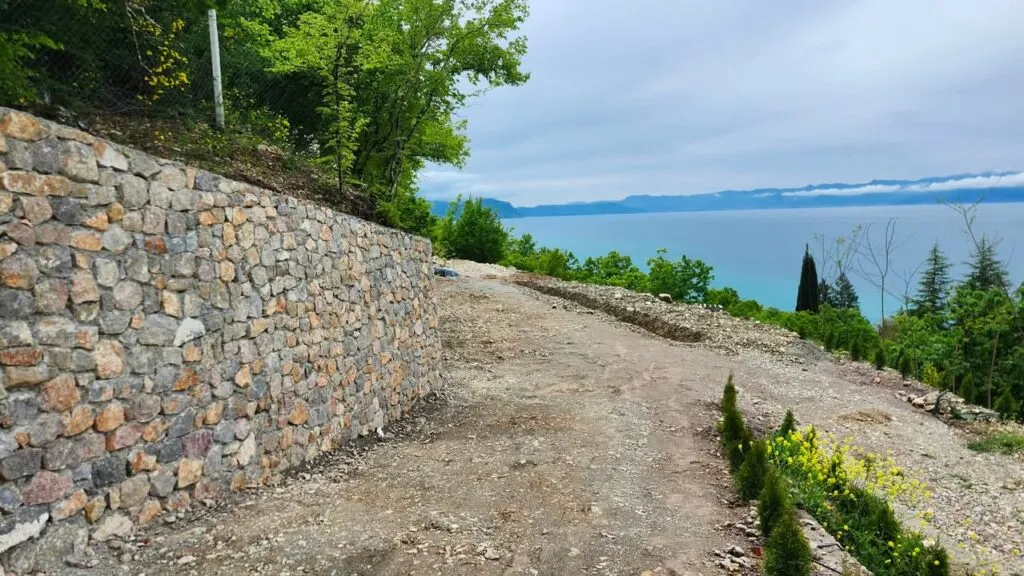
The national park itself established the violations and filed complaints with four institutions. Three years later, the scar at Lagadin...
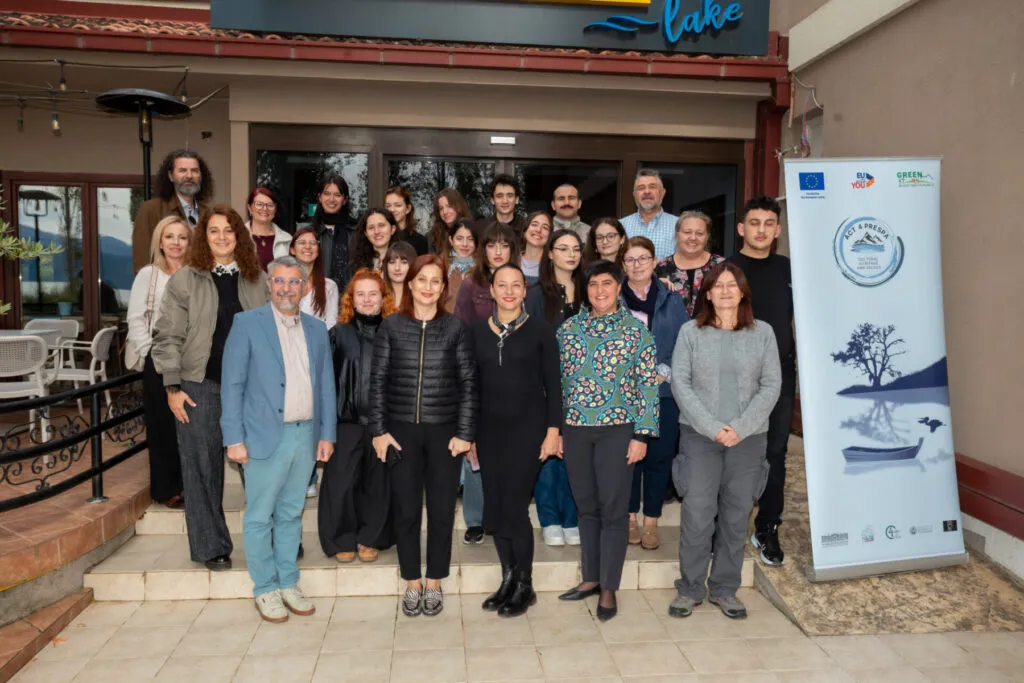
Twelve papers, a field trip to Ljubojno and European money. The question is whether the knowledge will reach the people...
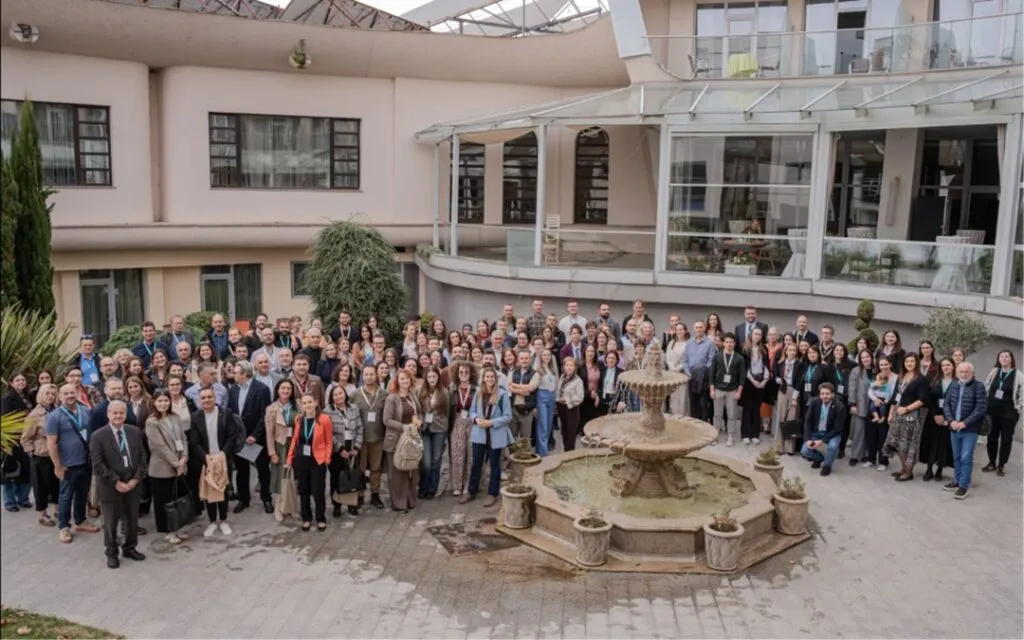
Nickel in the soil, drought among the oaks, Prespa in a climate crisis. The knowledge is there - it just...
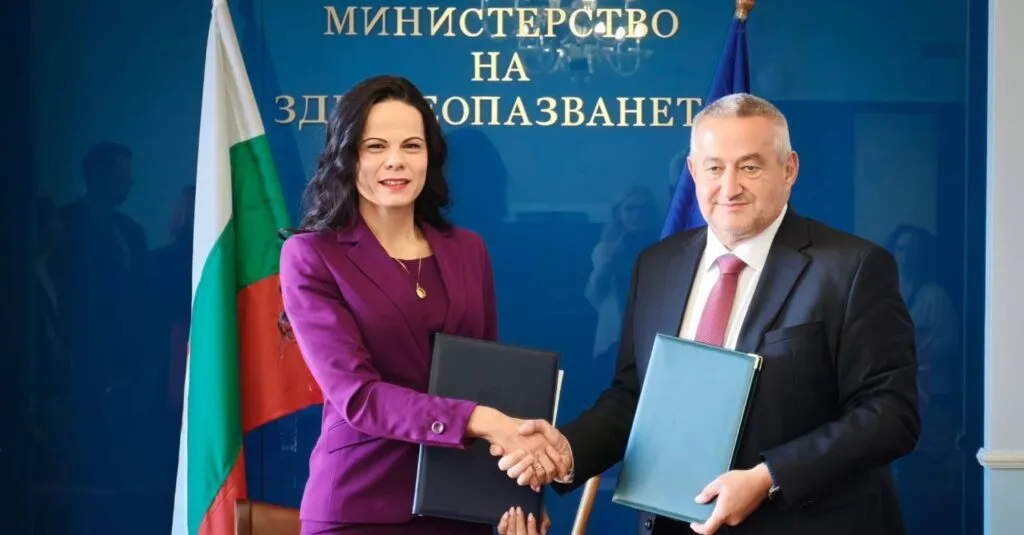
In Sofia the topic wasn't even raised, by "tacit agreement". Back home, the violations in her treatment remain - and...
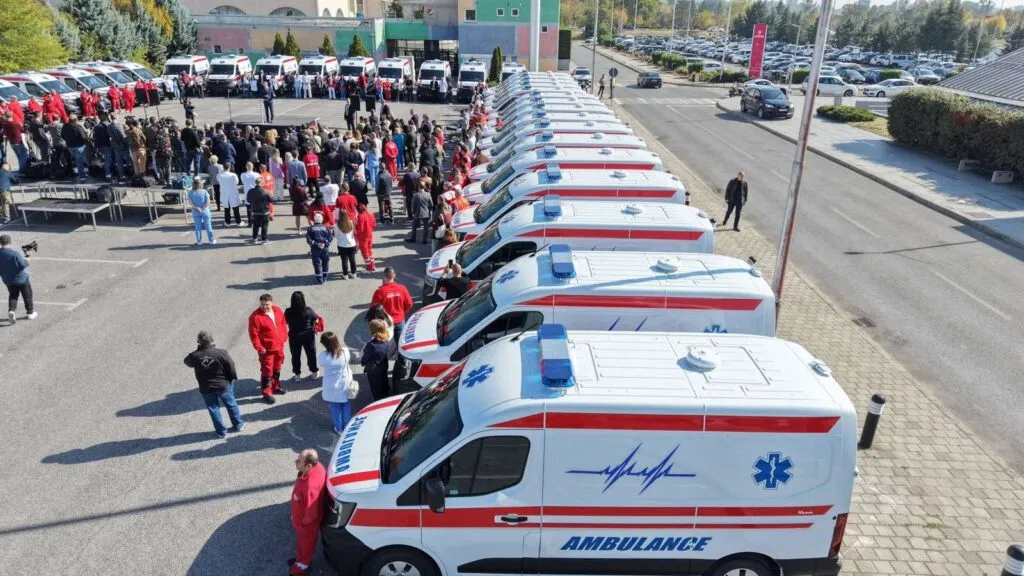
The fleet grows from 140 to around 200 vehicles. The staffing analysis shows the biggest bottleneck isn't the equipment, but...
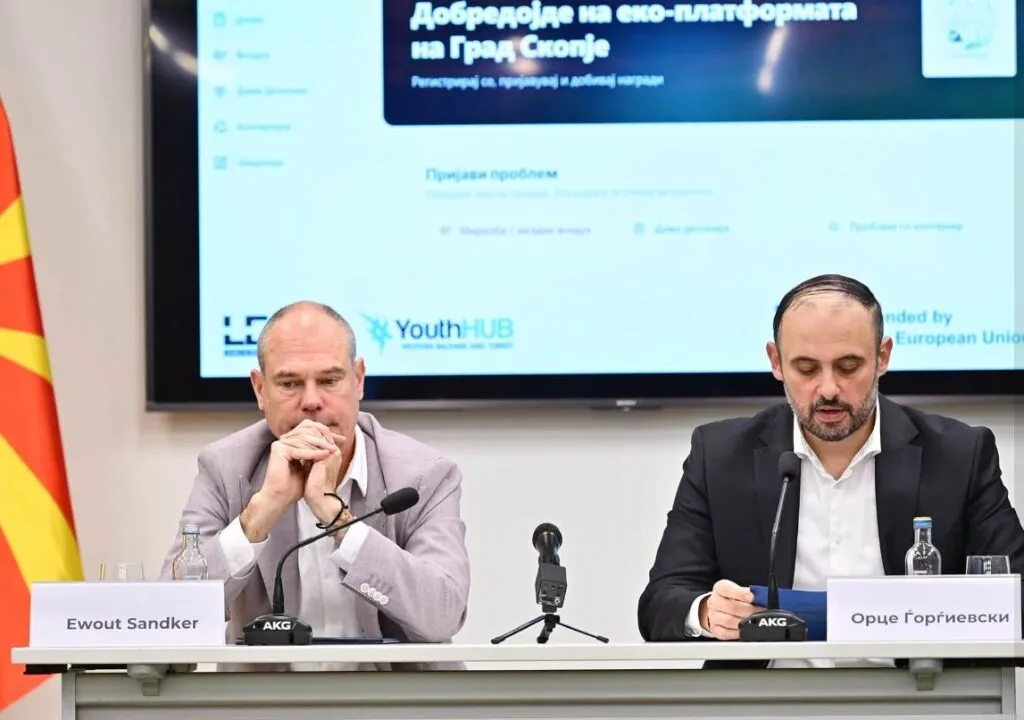
A real-time photo, a location, a notification when the bin is emptied. Young people built the app - how fast...
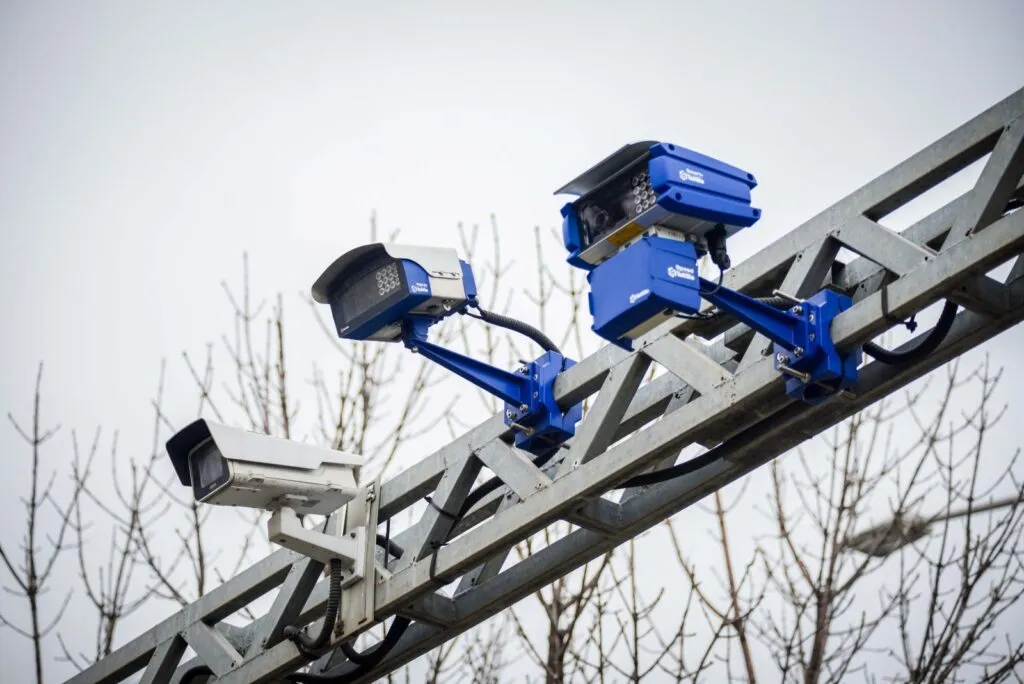
The benches by the restored "Lotos" fountain have already been covered in graffiti three times. The cameras will record, but...
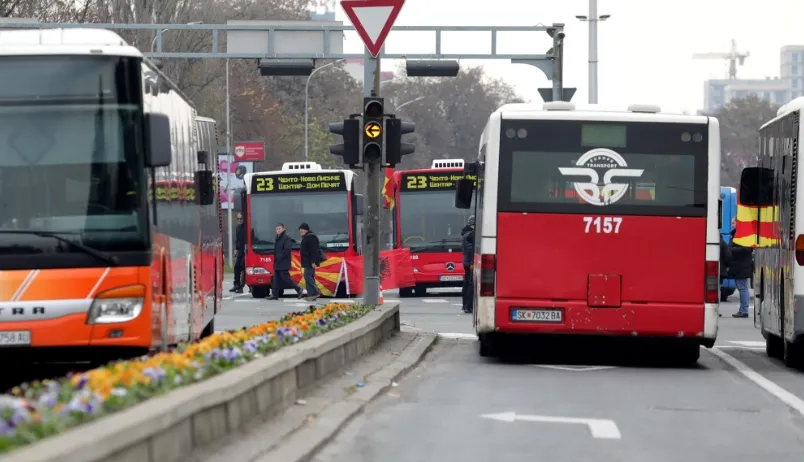
No official explanation, and the City won't say whether anyone checks on the private operators or how much the public...
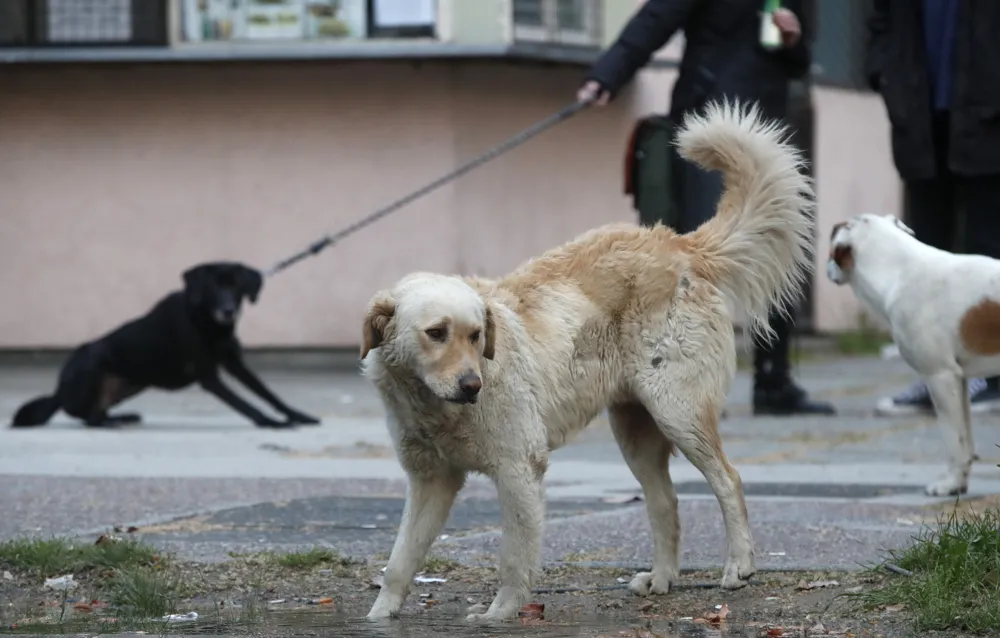
A mother and her seven-year-old daughter had to run out between cars to escape three stray dogs. The police sent...

Late procurement, two-year waits for drugs already approved in the EU, and young patients left without a clinic at 18....
This site uses cookies - is that okay? Learn more
Be the first to know when Metla launches something new
Leave your email and we will write when there is a new guide or something new on Metla.


