Six reports in 24 hours: violence in the Macedonian family runs on a schedule, and the institutions arrive last
29.08.2026


29.08.2026
29.08.2026
29.08.2026
29.08.2026
29.08.2026

29.08.2026
29.08.2026
28.08.2026
27.08.2026
29.08.2026
29.08.2026
28.08.2026
29.08.2026
28.08.2026
27.08.2026
29.08.2026
29.08.2026
29.08.2026
29.08.2026

29.08.2026
28.08.2026

09.03.2026

27.02.2026

19.02.2026
28.08.2026
27.08.2026
26.08.2026

23.04.2026

23.04.2026

12.04.2026
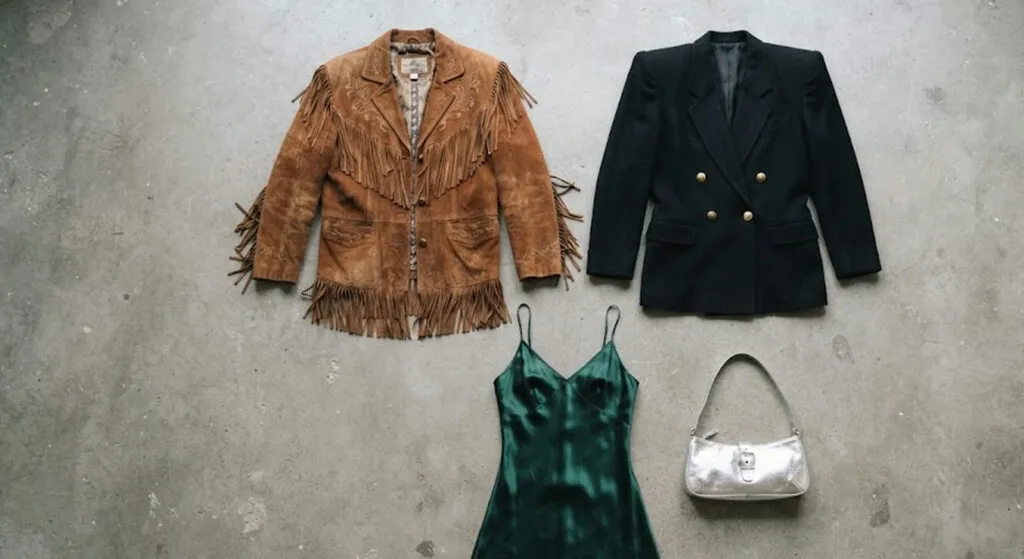
There is a word for the feeling you get looking at a photograph from the eighties and missing something you never lived through. The word is anemoia - nostalgia for a time you did not spend. And that word matters more to fashion today than any forecast for next season.
Ivan Denia, a fashion consultant and photographer working between Madrid and London, explains that designers are constantly researching backwards - old red carpets, historical periods, music, books, film. Fashion, as he puts it, works in the past and the future at once through constant revision. Nothing is created out of nothing; everything is reworked.
What has changed is not that fashion repeats itself - it always has. What has changed is the speed. The cycle used to run twenty to thirty years; now, according to Denia, it is incomparably shorter. The reason is social media. If the algorithm shows something enough times, it becomes a trend before anyone has decided it is one.
Maria Martin-Montalvo, director of institutional relations at ISEM Fashion Business School at the University of Navarra, says the same thing in different language: trends now coexist, and cycles shorten in response to the constant demand for novelty. There is no longer one dominant season - there are five running in parallel, and all of them are old.
Denia says of himself that he was born in 1982 and feels the strongest anemoia towards the eighties, specifically towards the Madrid cultural movement of that period. That is an honest detail: the man explaining the phenomenon admits he is part of it. And that is exactly the point - an unlived era always looks more interesting, because all we remember of it is the photographs, not the bills.
The pandemic, in his view, may have amplified that idealisation. People shut in, looking at their own lost years, produced what he calls an explosion of emotion and a stronger desire to live the moments they had missed. The industry has already named it: the revival spiral.
For a reader in the Balkans there is one more layer. Here nostalgia is not a fashion category, here it is a political currency traded regularly. The difference is that fashion at least admits it is selling a feeling for a time that never existed. Do the other nostalgia sellers admit the same?
The latest 10 news from this category
In time you are no longer smelling a perfume - you are smelling part of your own biography. The best...
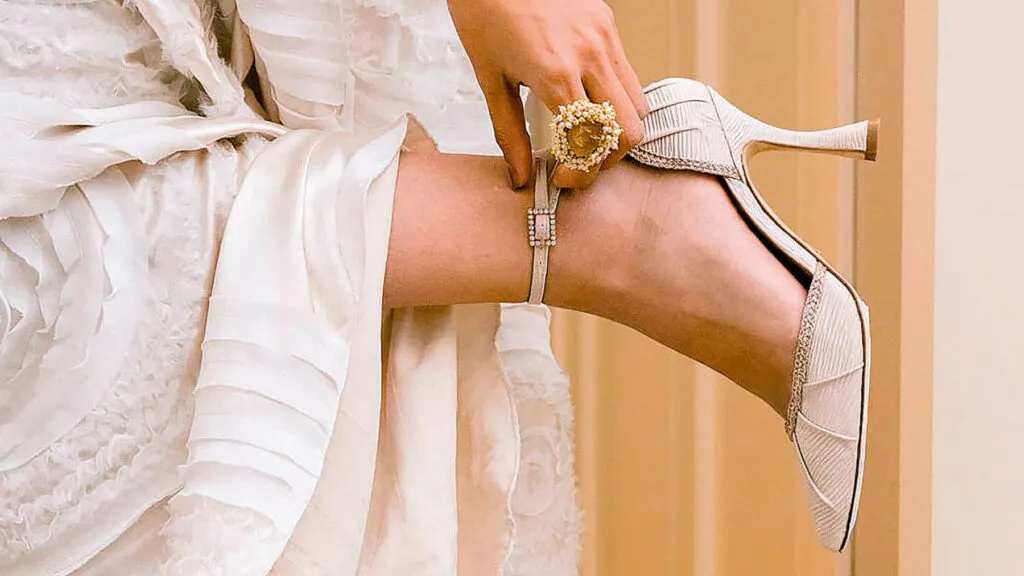
Heels are moving towards five, six and a half and eight and a half centimetres - thinner, not higher. At...
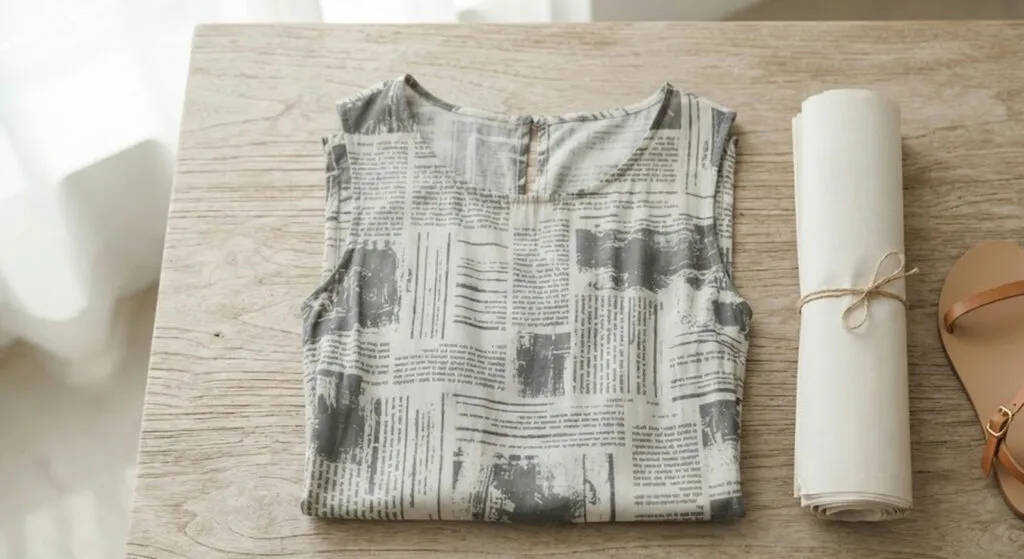
When the top shelf and the cheapest shelf have the same idea at the same moment, the trend is usually...
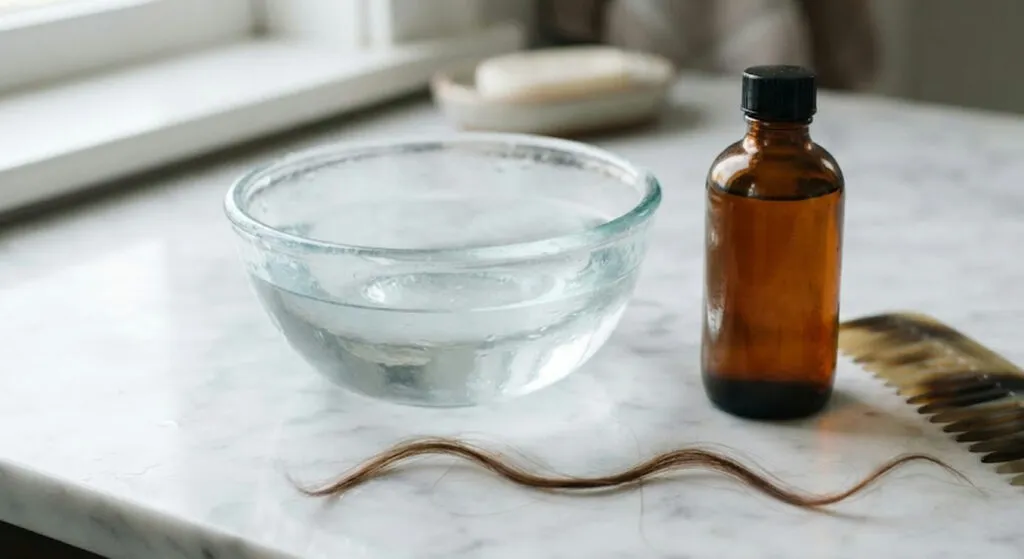
Chlorine, limescale from the water and dye residue build up inside the shaft and form a barrier. You are paying...
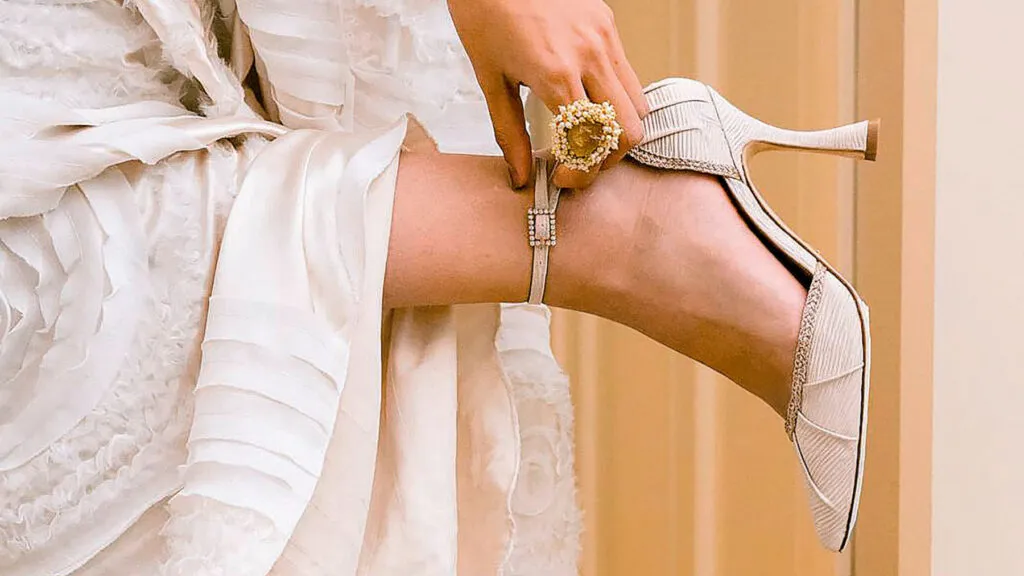
Expensive leather will not save the wrong last. And there is one logistical detail most brides learn too late: two...
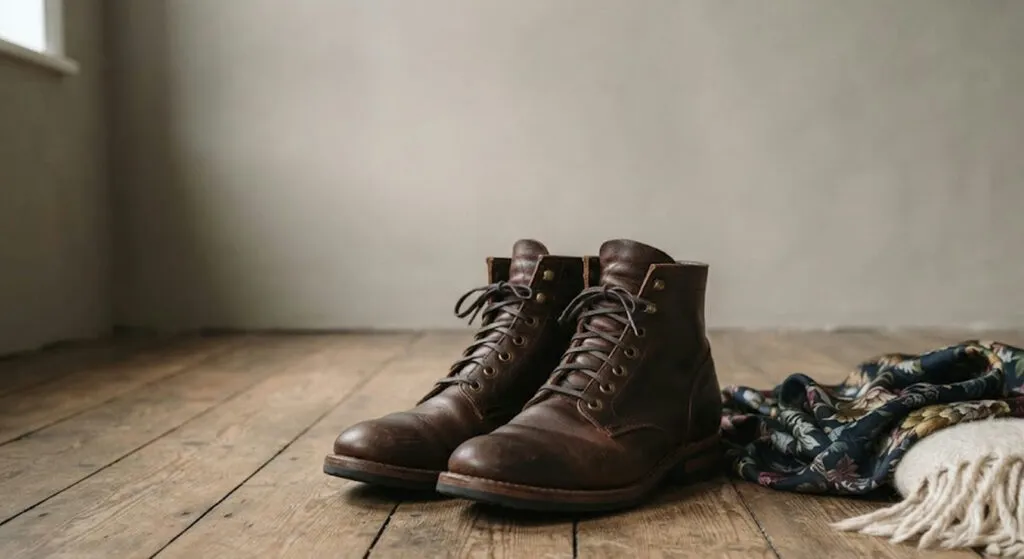
Four pieces from 39.95 to 79.95 euros that survive the border between August and October. The most common buying mistake...
Heavy metals from the tap, chlorine from the pool and badly fixed colour get inside the fibre and make it...
Charlene's dress took 2,500 hours of work. Tatiana Santo Domingo arrived in a two-piece set and flat sandals, and today...
She still wears the 1993 Chanel jeans, the same ones on the cover of Elle in 2020. Lagerfeld's lesson was...
Wet hair swells and breaks more easily, and the micro-fractures accumulate. Eighty percent dry is the number, and the mistake...
This site uses cookies - is that okay? Learn more
Be the first to know when Metla launches something new
Leave your email and we will write when there is a new guide or something new on Metla.