
Six reports in 24 hours: violence in the Macedonian family runs on a schedule, and the institutions arrive last
29.08.2026


29.08.2026

29.08.2026
29.08.2026
29.08.2026

29.08.2026

29.08.2026

29.08.2026

28.08.2026

27.08.2026

29.08.2026

29.08.2026

28.08.2026

29.08.2026

28.08.2026

27.08.2026

29.08.2026

29.08.2026

29.08.2026

29.08.2026

29.08.2026

28.08.2026

09.03.2026

27.02.2026

19.02.2026

28.08.2026

27.08.2026

26.08.2026

23.04.2026

23.04.2026

12.04.2026
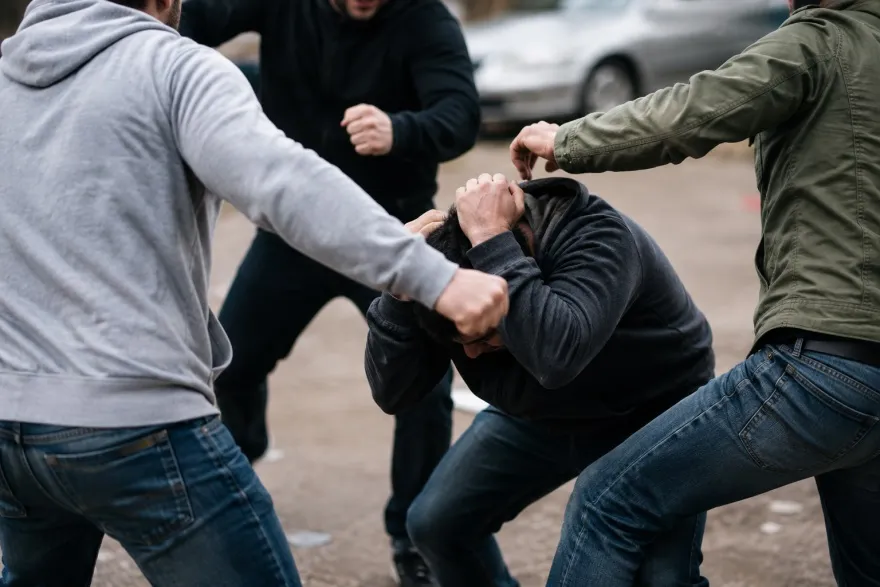
Six reports in 24 hours. Then a few more. Radovis, Veles, Negotino, Tetovo, Skopje, Debar, Makedonska Kamenica, Suto Orizari - the geography changes, the pattern does not. Someone from the closest family hit, threatened, and then the police showed up to write down what the neighbours already knew.
The list from the police bulletins for 27 and 28 August reads like a map of the country. In Radovis, a 25-year-old physically attacked his 20-year-old sister. In Veles, a 37-year-old attacked and threatened his 33-year-old common-law wife. In Negotino, a 42-year-old was aggressive and threatened his own parents. In Tetovo, a 23-year-old attacked his common-law wife. In Skopje, a 22-year-old woman reported that her uncle attacked her in a restaurant. In Debar, a man physically attacked a minor in front of her parents.
The worst case came from Makedonska Kamenica. According to the report, at 21:35 that evening the incident was preceded by an argument between a 23-year-old woman and her husband. She then attacked her mother-in-law, and threw a knife at her father-in-law, hitting him in the leg. He struck back with a blunt object. That is a scene from a horror film - except it happened in a house in eastern Macedonia, on a Tuesday night, between people who sit at the same table.
In Suto Orizari, four people ended up in police custody after a fight in a family home. In every case the response is identical: the public prosecutor is notified, the appropriate filings follow.
The number nobody reports
What the police statistics show is only the part that made it past four walls. Each of these reports means someone finally decided to pick up the phone - a relative, a neighbour, the victim herself. How many other evenings in those same towns did nobody call? Not even the Interior Ministry knows.
The template is the same in every report: argument, physical attack, threat, then the institution arrives once everything has already happened. The police do their job - they arrest, they document, they notify the prosecutor. But the arrest is the last link in the chain, not the first. The question no bulletin answers is what happens to those families next week, when the filing goes into the archive and the people stay in the same house.
The Law on Prevention and Protection from Violence against Women and Domestic Violence exists. The social work centres exist. The shelters exist, at least on paper. And every other day the bulletin still carries the same list with different town names on it.
The latest 10 news from this category

Three institutions, three different speeds. The competition commission already said yes, the media regulator now says wait, and the financial...
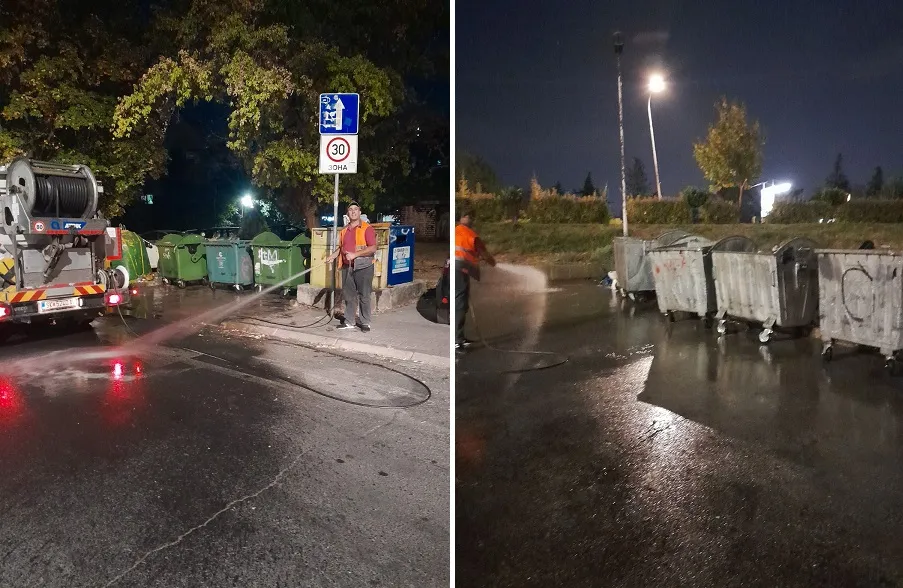
In front of the churches it really was washed, documented and worth the credit. The problem is the translation from...
The question is not why the man filed a report, but why he waited eight months. Anyone who has worked...

When the party of a sitting minister publicly pays tribute to a convicted war criminal, asking whether that is the...

The rule makes no distinction between someone who parked for 40 minutes and someone who dropped a passenger in three....

Novaci gives 10,000, Mogila 9,000, Demir Hisar 7,000, Zrnovci 5,000. The gap between neighbouring municipalities says this is a decision,...
Колку аплицирале, колку излегле на тестирање, колку поминале. МВР ги има тие податоци во истата евиденција од која излегле 310-те...
„Меѓу нив и едно со пиштол“ е фраза што минува незабележано во соопштение од четири реченици, а ја носи целата...
Тврдењата на борците се датирани - мај 1941, јуни 1943, судска пресуда. Тоа се работи што се проверуваат во архива,...
Convicted of genocide, he died in detention in The Hague. And over the next 24 hours the government and the...
This site uses cookies - is that okay? Learn more
Be the first to know when Metla launches something new
Leave your email and we will write when there is a new guide or something new on Metla.