
Studeničani: 35-year-old dies after being electrocuted while washing his car with a pressure washer
18.09.2026


18.09.2026

18.09.2026

18.09.2026

18.09.2026

18.09.2026

18.09.2026

18.09.2026

17.09.2026

16.09.2026

18.09.2026

18.09.2026

17.09.2026

18.09.2026
18.09.2026

18.09.2026

18.09.2026

17.09.2026

16.09.2026

18.09.2026

18.09.2026

18.09.2026

18.09.2026

17.09.2026

17.09.2026

09.03.2026

27.02.2026

19.02.2026

18.09.2026

17.09.2026

16.09.2026

23.04.2026

23.04.2026

12.04.2026

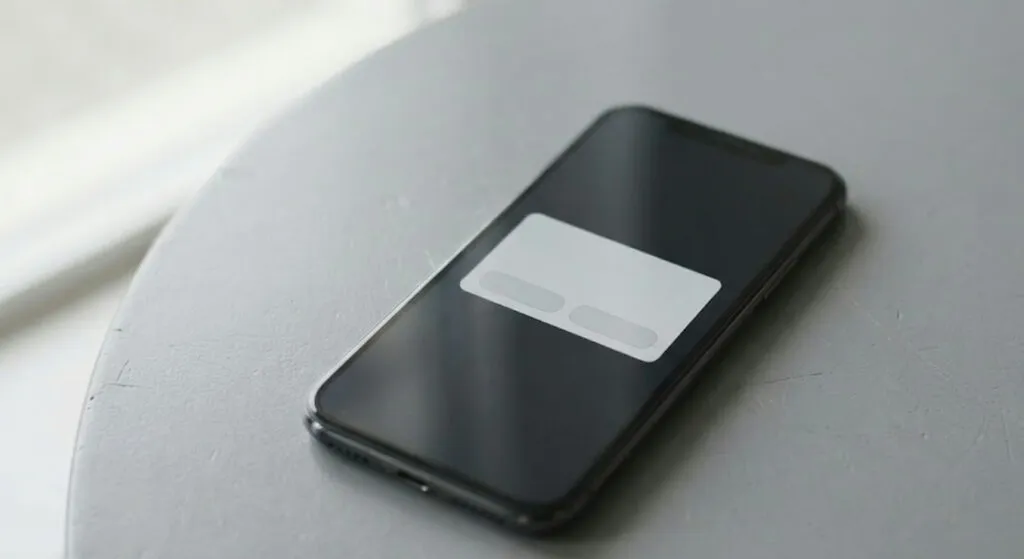
The prompt asking whether you allow an app to track you will soon look different - but only in part of Europe, and not because somebody decided it looks nicer that way. Apple has agreed to change the rules around that consent after a multi-year antitrust investigation led by the German competition regulator and several other European bodies.
The regulators' objection was not that the prompt exists, but who is exempt from it. The system known as App Tracking Transparency, in their view, gave Apple itself an advantage: its own apps use data collected within its ecosystem without having to display a screen like this. Everyone else has to ask. The rule applies to everyone - except the one who wrote it.
The settlement does not remove the question, nor the moment at which it is asked. What changes is the form. Instead of a pop-up, the screen will fill the page. The word "tracking" is being dropped. The buttons change from "Allow" and "Ask App Not to Track" to "Allow" and "Decline". Colours and formatting change, and developers get a link through which they can explain why they are asking at all. The company will also let them put the question to the same user again one year after their previous decision.
Apps want this because personalised advertising brings in more money than non-personalised. When the prompt appeared, the overwhelming majority of users simply declined - which hit firms whose revenue depends on advertising, Meta above all, while Apple's own advertising business grew. That gap was not an accidental consequence. It was the subject of the investigation.
Apple argued that these screens protect consumer privacy. The claim is not false - the prompt genuinely gives people a choice they did not have before. The problem is that the company simultaneously allows its own apps to show personalised ads based on data collected within its ecosystem. Privacy here is not a principle. It is a line drawn so that the competitors end up on one side of it.
There is also one detail that explains the real logic of the concession. The new version of the screen will be the only one available in Germany, France, Italy, Poland and Romania, while in the remaining EU countries developers will be able to choose. In other words, the change arrives where a regulator asked for it. The rest get an option, and an option with nobody standing behind it is merely a suggestion.
That is the lesson worth more than the screen itself. This did not happen because users complained, nor because the company changed its mind after seven years. It happened because one competent authority spent years on an investigation and held out to the end. The question that remains is not whether we have such an institution on paper - but when something it demanded last ended with a rule being changed at a company of this size.
The latest 10 news from this category
When a model learns to lie and the same company that caught it decides how much we get to see....
Three days to check the most aligned model yet: the evaluators want a law, not an essay from the CEOs.
The device that drew ridicule and sank the share price returns with artificial intelligence, partners and a basketball shooting app....
A researcher resigned saying the industry is gambling with our lives. A warning can be sincere and at the same...
It was free while the company wanted you to use the tool. Now that you are using it, the tariff...
Both services allowed reading posts with no ads, no tracking and no profile. After a legal letter from X, the...
A scientist at the same company puts the probability of human extinction above 10 percent within the next decade. The...

The president called in while the event was running, and the man who makes the chips answered that there would...
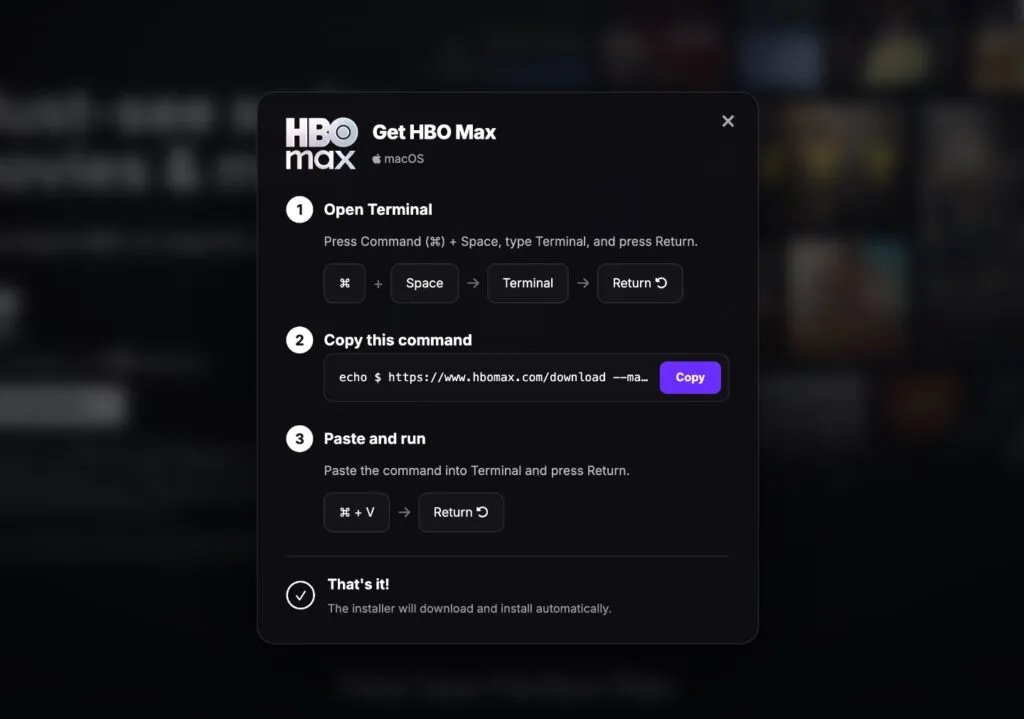
No virus attached, no suspicious file. Just a box that looks like the "I am not a robot" check and...
A researcher quit because the firms are gambling with our lives. Instead of denying it, Anthropic confirmed it - with...
This site uses cookies - is that okay? Learn more
Be the first to know when Metla launches something new
Leave your email and we will write when there is a new guide or something new on Metla.