
A Wolf on a Chain in Kozle: Fines Up to 20,000 Euros, But No Rescue Centre - The System Only Wakes Up When It Spills Onto the Street
15.05.2026


15.05.2026

15.05.2026
15.05.2026
15.05.2026

15.05.2026
15.05.2026

15.05.2026
14.05.2026

14.05.2026

15.05.2026

15.05.2026

14.05.2026

15.05.2026

15.05.2026

15.05.2026

15.05.2026

14.05.2026

13.05.2026

15.05.2026

15.05.2026

15.05.2026

15.05.2026
14.05.2026

14.05.2026

09.03.2026

27.02.2026

19.02.2026

14.04.2026

07.11.2025
07.11.2025

23.04.2026

23.04.2026

12.04.2026

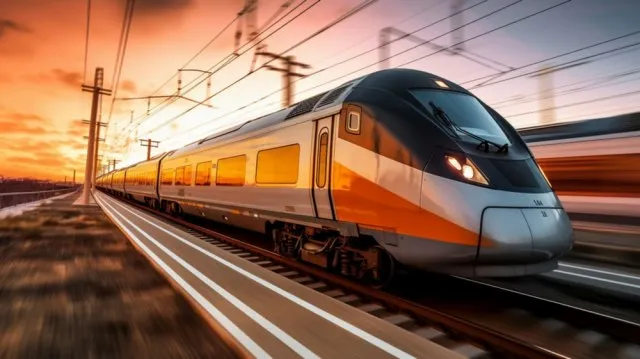
One journey. One ticket. One booking. Sounds simple - but in today's EU, if you want to take the train from Vienna to Barcelona with connections, you will buy 4-5 different tickets, pass through that many platforms, and if one train is late, you will lose the connection with no right to compensation for the rest of the trip.
The European Commission is trying to change that. The new regulatory package, presented this week, commits to the principle of "one journey, one ticket": passengers will be able to book an entire route across multiple operators and countries with a single ticket. If they miss a connection due to one operator's delay, they get the right to assistance, rerouting or compensation - regardless of who actually missed the connection.
The Commissioner for sustainable transport, Apostolos Tzitzikostas, described the concept like this: "Europeans will be able to plan, compare and buy tickets for multiple modes of transport with a single click." It sounds like a slogan - because it is. But the concrete package also implies neutral sales platforms, an obligation for dominant rail operators to open their booking systems to competitors, and passenger protection across the whole route.
For Macedonia? This package does not apply directly - because Macedonia is not part of the EU single rail market. Macedonian railways operate in an entirely isolated world: trains leave when they leave, are as late as they are late, tickets are sold at a single counter, and connections to international operators are limited and ad hoc. Everyone who has ever tried to travel by train from Skopje to Vienna remembers the phrase "night train change in Belgrade and a long wait." That is the reality.
But EU regulations have a way of reaching the neighbourhood through indirect channels - interoperability standards, binding frameworks for market access, and pressure through the accession process. If Macedonia one day becomes part of the joint rail market, this regulation will be the foundation of how connections to Greece, Bulgaria, Serbia work. That is when it will become clear that the rail sector in Macedonia needs deep reform - not just new trains (much discussed), but new infrastructure, new booking systems, and a new discipline in timetables.
Meanwhile, a new European normal of travel is emerging: by train, one ticket, guaranteed compensation. And every day that Macedonia spends outside that circle is another day when a young person from Bitola or Shtip buys an airline ticket Vienna-Barcelona, instead of even thinking about the train. Because the train in this geography means trouble. It does not have to be that way - but it is.
The latest 10 news from this category
Debt is not an abstraction. It is a bill someone will pay. Only 47 million of the 250 earmarked for...
A reactive market where one sentence from Washington moves prices. Macedonia: we will pay at the pump for someone\'s tweet....

A new feature copied from Snapchat and BeReal is causing chaos - photos go to all friends with a single...

A venture capitalist with 18 months of experience nearly missed the 2016 meeting. Today his firm holds shares worth over...
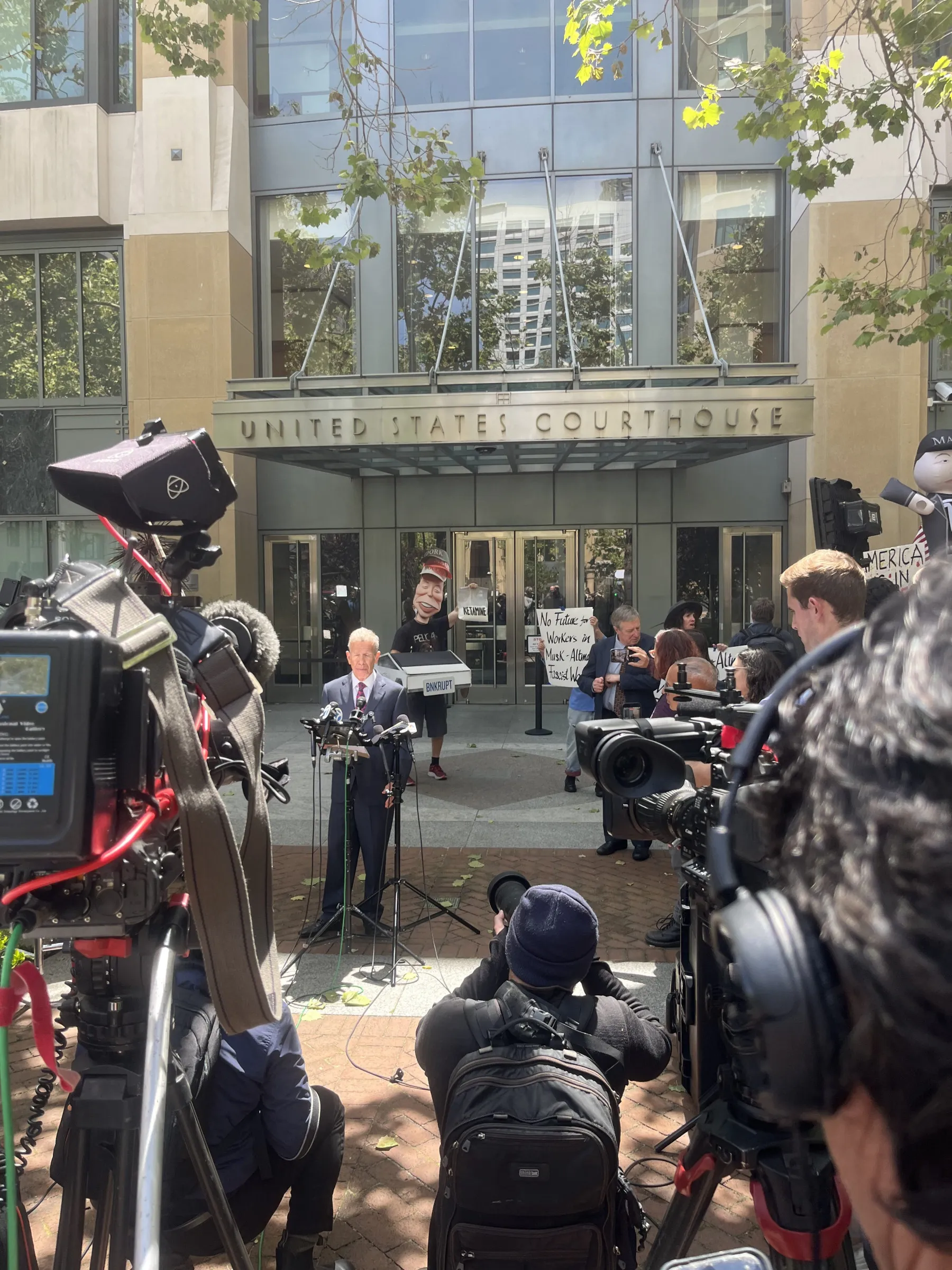
A California jury gets three questions that could change the structure of the world\'s biggest AI company. Musk claims his...
73,921 tourists in March. Germans and Turks at the top. But overnight stays fell by 0.3% - everyone arrives, nobody...
13,000 cancelled flights just this month, two million unused seats. „There's simply no way for the companies to absorb the...
12.8 million barrels a day gone since February 28. The Strait of Hormuz has done damage that will be felt...

No filters, no opening the gallery, no screenshots - the feature is launching globally. The question is whether Meta is...

The nine-year-old startup doubled its valuation in a year. A contract for a space missile shield, a contract with the...