
A Wolf on a Chain in Kozle: Fines Up to 20,000 Euros, But No Rescue Centre - The System Only Wakes Up When It Spills Onto the Street
15.05.2026


15.05.2026

15.05.2026

15.05.2026
15.05.2026
15.05.2026

15.05.2026

15.05.2026

14.05.2026

14.05.2026

15.05.2026

15.05.2026

14.05.2026

15.05.2026

15.05.2026

15.05.2026

15.05.2026

14.05.2026

13.05.2026
15.05.2026

15.05.2026

15.05.2026

15.05.2026
14.05.2026
14.05.2026

09.03.2026

27.02.2026

19.02.2026

14.04.2026

07.11.2025
07.11.2025

23.04.2026

23.04.2026

12.04.2026

The number is clear. 2.5 billion euros. That is how much Macedonia's public debt has grown in a period of just two years. Former deputy prime minister for economic affairs, Fatmir Bitiqi, ran through the figures last night on TV Telma. December 2023 - public debt of 8.5 billion euros. Now - 10.8 billion euros, with the potential to cross 11 billion through additional borrowing.
These are not opposition calculations. These are official Ministry of Finance figures.
Translated into practice - it means every citizen of this country now owes an extra 1,200 euros or so compared to two years ago. That is an extra weight on future tax obligations, on the pension system, on the budget capacity to invest in education, health and infrastructure. Not an "abstract" number - it is a bill someone will have to pay.
Bitiqi also raised a more concrete question: where is the one billion euros from the Hungarian loan? The contract earmarked 250 million euros for local self-government units - to support regional development, infrastructure, municipal projects. Of that sum, according to Bitiqi, only 47 million euros have been distributed so far. The remaining 200 million - what is happening with them? It is written nowhere. And no one answers.
And the full Hungarian credit line was one billion. Where is the rest? Bitiqi wants a public answer. The Ministry of Finance is not reacting for now.
Public debt in Macedonia has never been a central topic of political debate, because its consequences are postponed. The interest on today's borrowing is paid for 10, 15 or 20 years. Which means every government has a political incentive to borrow now and to not talk about paying it back. The result: debt grows faster than the economy. The debt-to-GDP ratio worsens every year.
Are 2.5 billion euros in two years "emergency borrowing for investment" or "borrowing to cover operating costs and keep the regime running"? That is the question the government avoids by refusing to publish a concrete breakdown of where the money went. And the question is fundamental: because the difference between "investments that build the economy" and "money that finances daily operations" is the difference between a healthy state balance sheet and a long-term crisis.
The latest 10 news from this category
One click, one ticket, guaranteed compensation. That is how Europe is starting to travel. Macedonian trains - on a different...
A reactive market where one sentence from Washington moves prices. Macedonia: we will pay at the pump for someone\'s tweet....

A new feature copied from Snapchat and BeReal is causing chaos - photos go to all friends with a single...

A venture capitalist with 18 months of experience nearly missed the 2016 meeting. Today his firm holds shares worth over...
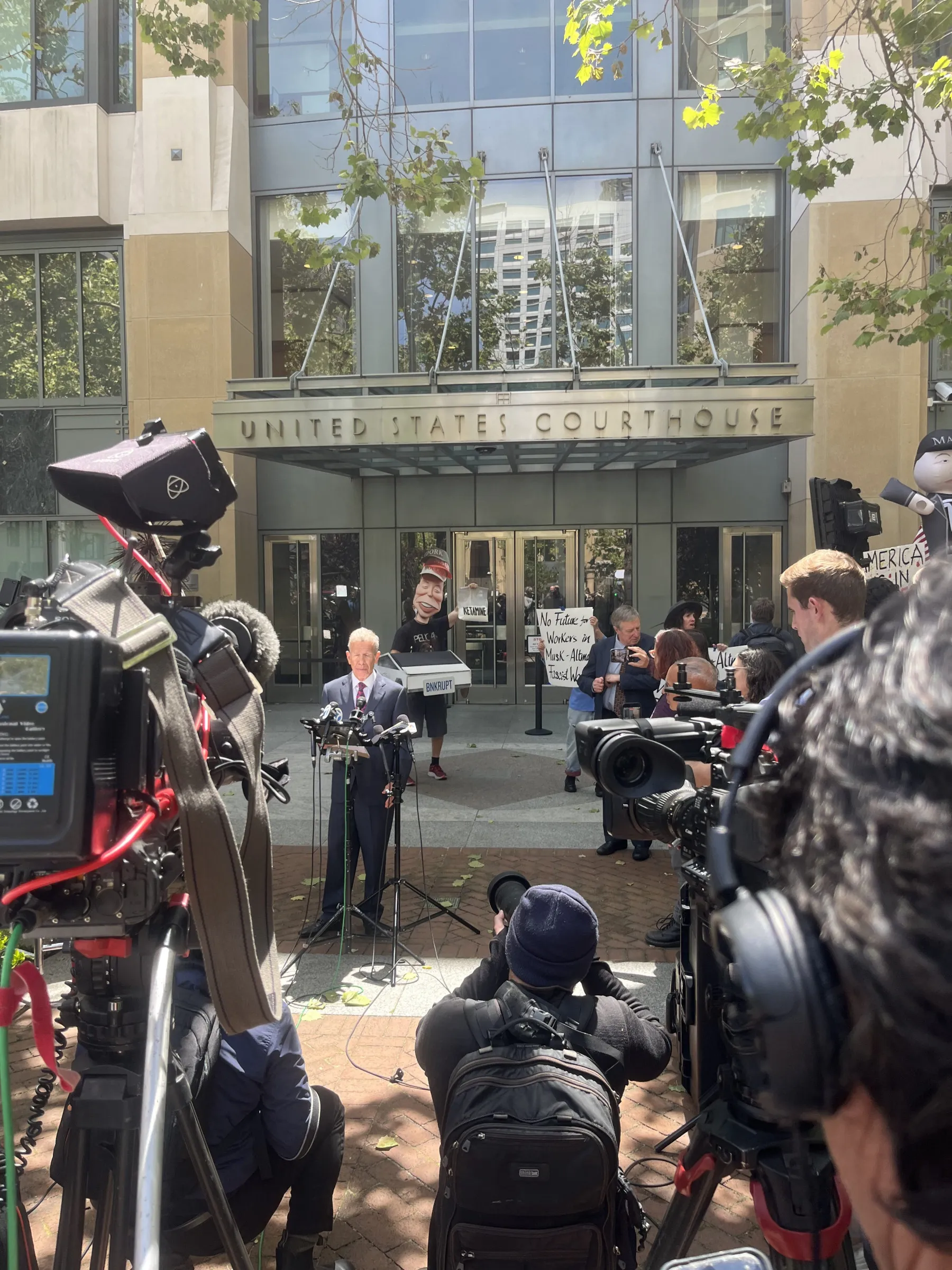
A California jury gets three questions that could change the structure of the world\'s biggest AI company. Musk claims his...
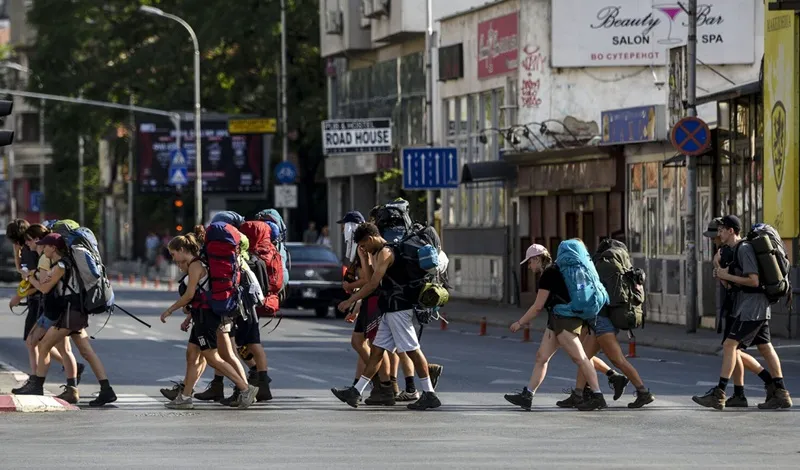
73,921 tourists in March. Germans and Turks at the top. But overnight stays fell by 0.3% - everyone arrives, nobody...
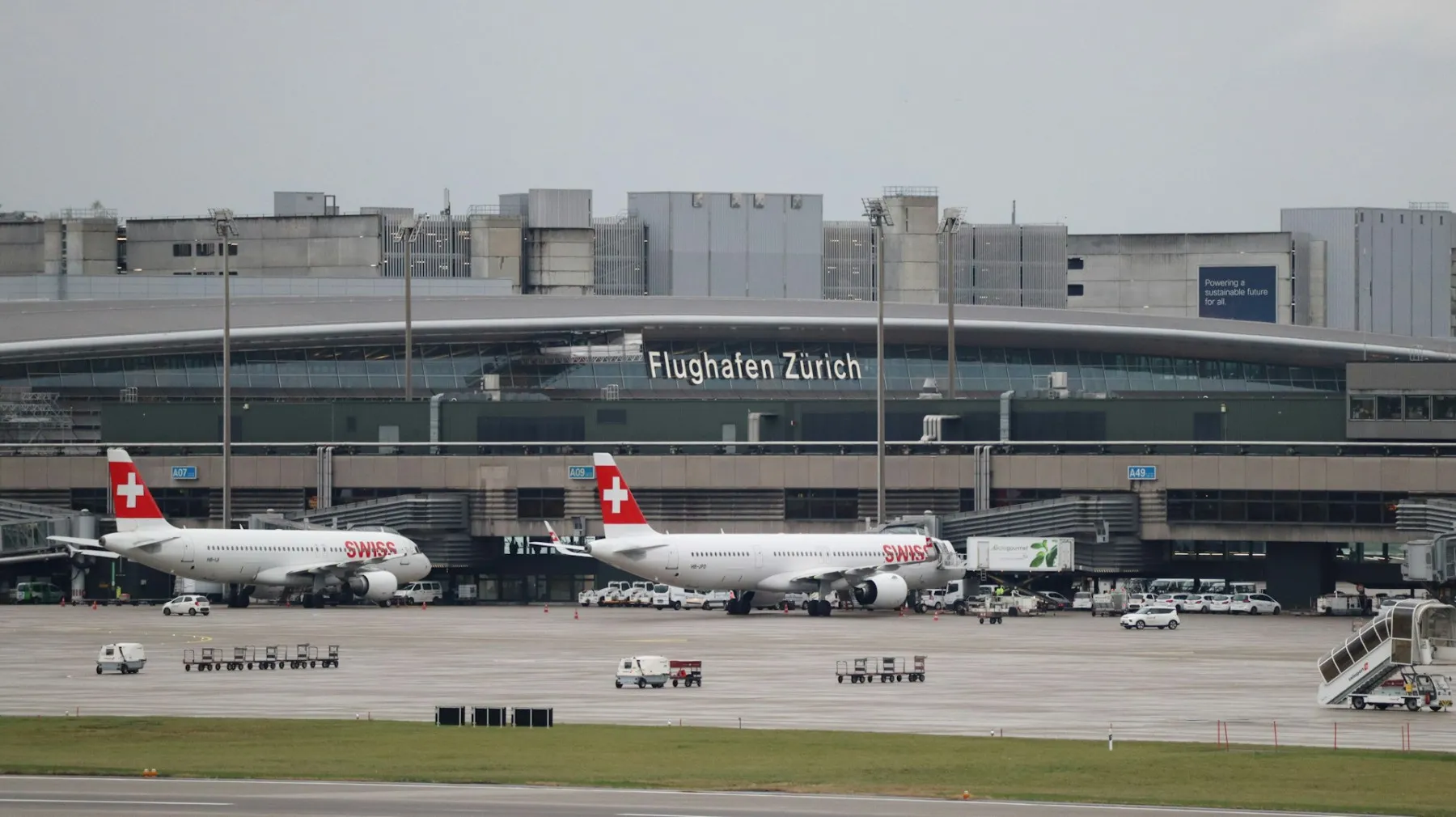
13,000 cancelled flights just this month, two million unused seats. „There's simply no way for the companies to absorb the...
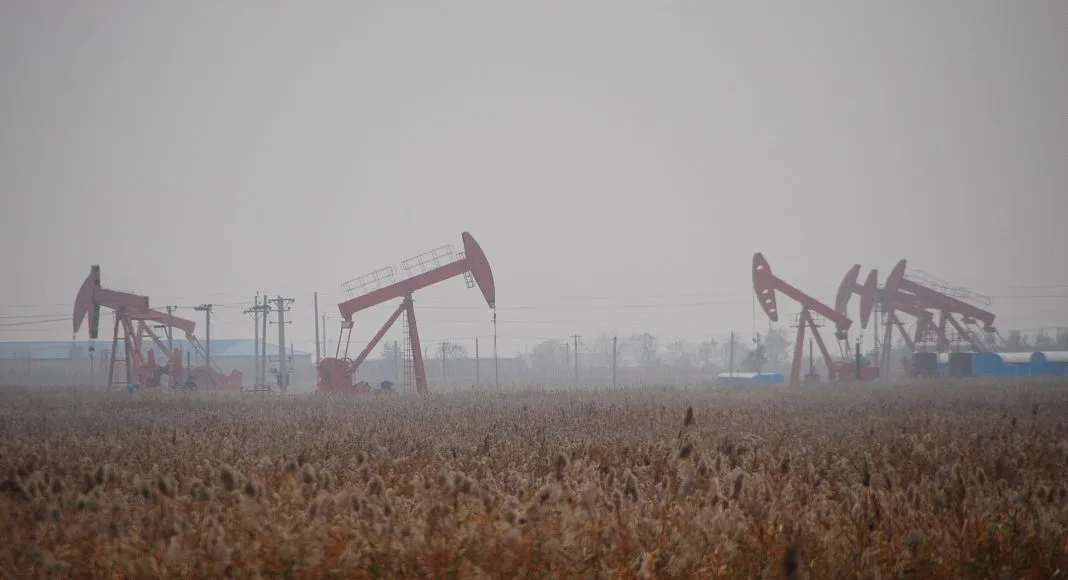
12.8 million barrels a day gone since February 28. The Strait of Hormuz has done damage that will be felt...

No filters, no opening the gallery, no screenshots - the feature is launching globally. The question is whether Meta is...

The nine-year-old startup doubled its valuation in a year. A contract for a space missile shield, a contract with the...