A Wolf on a Chain in Kozle: Fines Up to 20,000 Euros, But No Rescue Centre - The System Only Wakes Up When It Spills Onto the Street
15.05.2026


15.05.2026

15.05.2026
15.05.2026
15.05.2026

15.05.2026
15.05.2026

15.05.2026

14.05.2026

14.05.2026

15.05.2026

15.05.2026

14.05.2026

15.05.2026

15.05.2026

15.05.2026

15.05.2026

14.05.2026

13.05.2026

15.05.2026

15.05.2026

15.05.2026

15.05.2026
14.05.2026

14.05.2026

09.03.2026

27.02.2026

19.02.2026

14.04.2026

07.11.2025
07.11.2025

23.04.2026

23.04.2026

12.04.2026

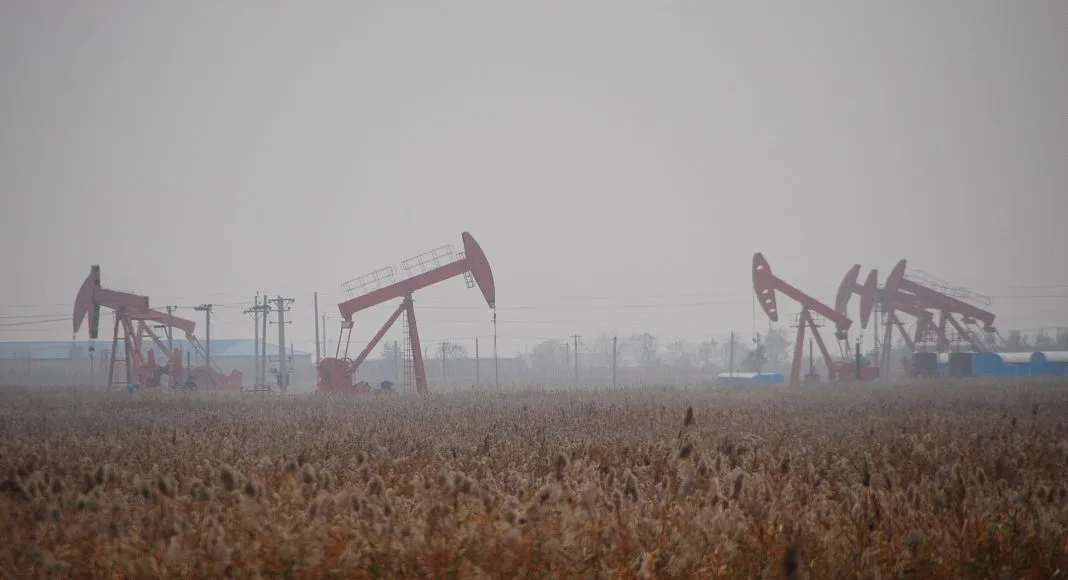
One statement from Donald Trump. One sentence: "China has agreed that it wants to buy oil from the US." And Brent prices jumped immediately by more than one percent - to about 106-107 dollars a barrel. WTI (the US benchmark) - to over 102 dollars. The global market reacts to every whisper from Washington in real time, because the geopolitical context has never been this unstable.
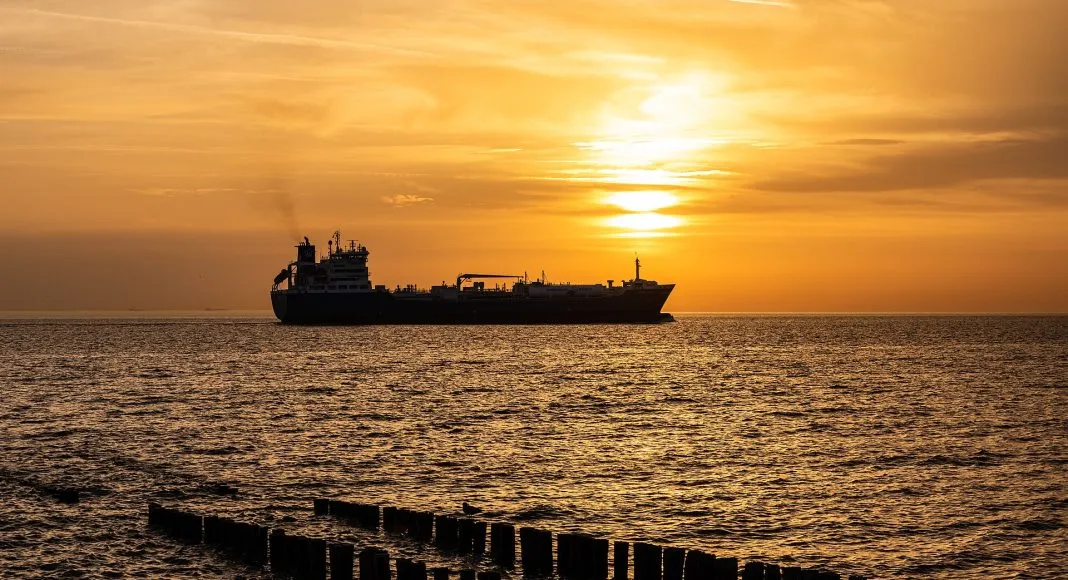
The rise is not driven solely by the announcement of new sales of US oil to Chinese markets. It also comes from the still active risk in the Strait of Hormuz - the strategic maritime passage through which a large share of global oil and natural gas transport passes. The Iranian side claims that around 30 ships passed normally through the Strait yesterday, but traders do not believe in "normality" - this month the Strait saw vessel seizures and attacks.
For this week, Brent is up around six percent. WTI - over seven. That is a big move for the oil market within five days.
For Macedonia, this is not a statistic from a distant market. Pump prices for fuel are set by an official reference to international prices, and current movements will inevitably show up in the coming weeks. RKE publishes new references every fifteen days. When the global price of oil rises by 10-15 dollars a barrel over two months, that ultimately means a few denars more in the price of petrol and diesel.
What if Trump backs out of the deal in ten days? What if Iran blocks navigation through the Strait for a day? Prices will move in the same direction again, at the same speed. This market behaves more like a reaction apparatus to political signals than a fundamental balance of supply and demand. And the long-term way out - less dependence on fossil fuels, faster electrification of transport - is exactly what Macedonia has been postponing for decades. On top of that, postponed with "we have more important problems" and "energy policy is complex." Complex for whom? For those who will pay the bill at the end.
The latest 10 news from this category
One click, one ticket, guaranteed compensation. That is how Europe is starting to travel. Macedonian trains - on a different...
Debt is not an abstraction. It is a bill someone will pay. Only 47 million of the 250 earmarked for...

A new feature copied from Snapchat and BeReal is causing chaos - photos go to all friends with a single...

A venture capitalist with 18 months of experience nearly missed the 2016 meeting. Today his firm holds shares worth over...
A California jury gets three questions that could change the structure of the world\'s biggest AI company. Musk claims his...
73,921 tourists in March. Germans and Turks at the top. But overnight stays fell by 0.3% - everyone arrives, nobody...
13,000 cancelled flights just this month, two million unused seats. „There's simply no way for the companies to absorb the...
12.8 million barrels a day gone since February 28. The Strait of Hormuz has done damage that will be felt...

No filters, no opening the gallery, no screenshots - the feature is launching globally. The question is whether Meta is...

The nine-year-old startup doubled its valuation in a year. A contract for a space missile shield, a contract with the...