


Studeničani: 35-year-old dies after being electrocuted while washing his car with a pressure washer
18.09.2026


18.09.2026

18.09.2026

18.09.2026

18.09.2026

18.09.2026
18.09.2026

18.09.2026

17.09.2026

16.09.2026

18.09.2026

18.09.2026

17.09.2026

18.09.2026

18.09.2026

18.09.2026

18.09.2026

17.09.2026

16.09.2026

18.09.2026

18.09.2026

18.09.2026

18.09.2026

17.09.2026

17.09.2026

09.03.2026

27.02.2026

19.02.2026

18.09.2026

17.09.2026

16.09.2026

23.04.2026

23.04.2026

12.04.2026

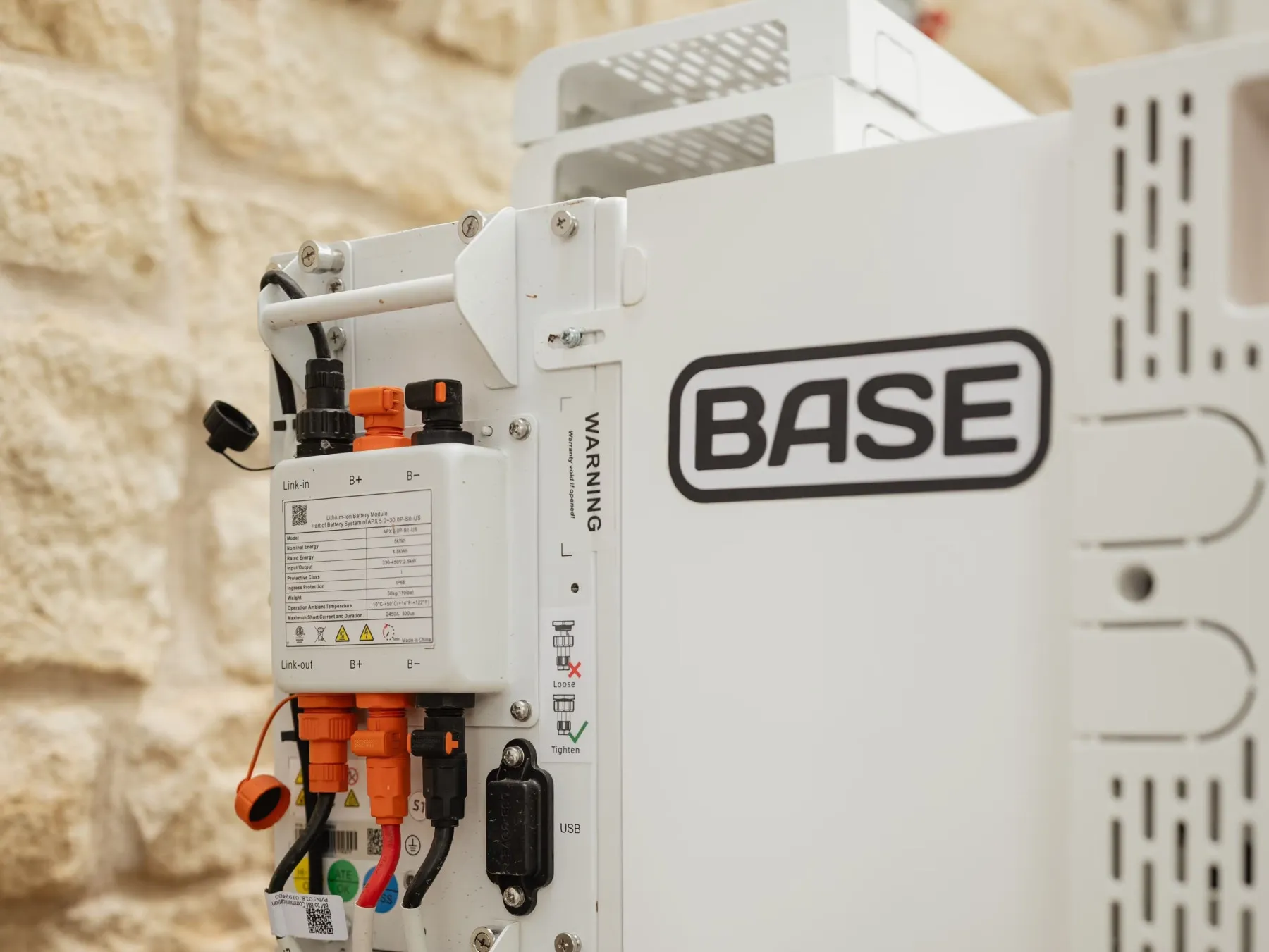
While most energy storage firms hunt for large plots of land near strong points on the grid, Base Power went after something far less romantic: ordinary people's yards. The startup has raised another one billion dollars (around 900 million euros), less than a year after a previous round of the same size, and is now worth 13 billion dollars post-investment.
The numbers behind that are more interesting than the valuation. The company installs around 100 batteries a day and hopes to double that by the end of the year - that is nearly 8 megawatt-hours of new capacity every single day, requiring neither a new transmission line nor an industrial zoning permit. So far it has installed a total of over 500 megawatt-hours.
The model is subscription, not purchase, and that is where the real trick sits. In the Houston area Base Power charges 695 dollars for installation, then 19 dollars a month and 13.1 cents per kilowatt-hour - roughly the ordinary regional rate. The battery remains the company's property, and the company then sells the stored electricity back to the grid when demand spikes. The customer gets a day or more of backup power during an outage; the company gets a distributed virtual power plant paid for by the subscriber.
The new unit, called Base Core, is made at a factory in Austin, Texas, and stores 39.2 kilowatt-hours, considerably more than competitors offer. Customers can choose one or two batteries. The company currently operates only in Texas and Illinois.
Why is anyone throwing a billion at home batteries now? Because the American grid is growing again for the first time after decades of stagnation - and immediately choked. Demand from electrification and the race to build AI data centres has squeezed the system especially in PJM, the grid operator covering the largest number of data centres and parts of Illinois. When the grid cannot expand fast enough, somebody will sell the solution that requires no expansion.
The round was led by Ribbit, Addition, Valor Equity Partners and the strategic investment group at JPMorganChase, with participation from a16z, Lightspeed, Coatue, CapitalG, Thrive Capital and a whole row of other funds. The co-founder and chief executive is Zak Dell, and his father, Dell chief executive Michael Dell, did not take part in the round - a detail someone felt worth clarifying.
The latest 10 news from this category
An eight-year-old firm that started out mining crypto has tripled its value in ten months. It did not discover anything...

The price of uranium has jumped 75 percent in five years, and the list of countries that mine it reads...
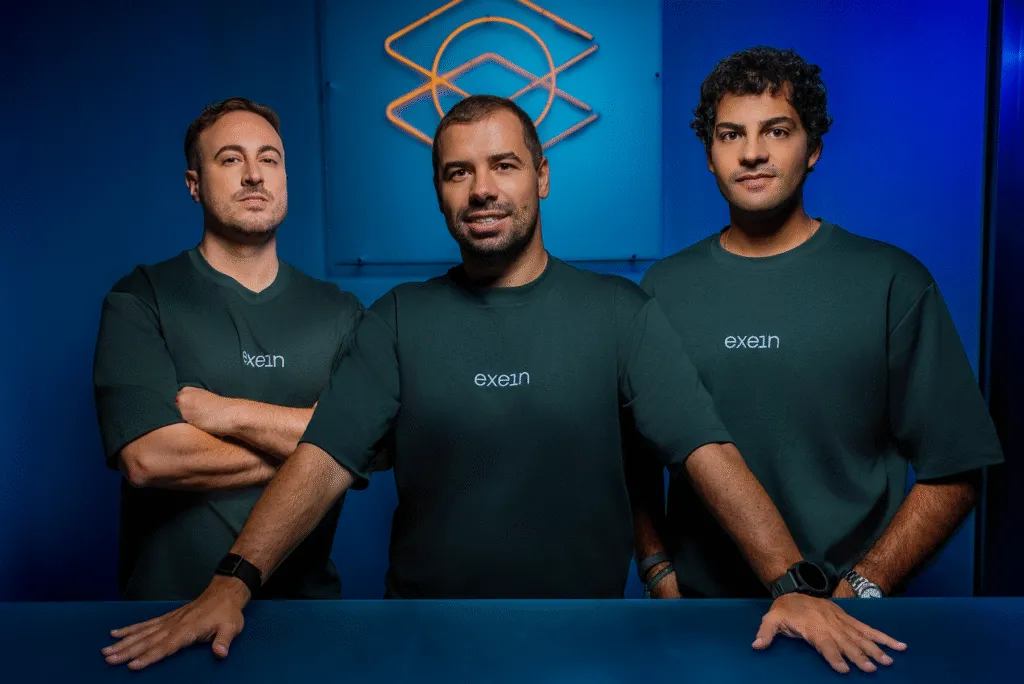
Exein raised 270 million dollars and its valuation jumped thirtyfold in two years. The European regulation coming into force in...
A startup valued at 94 million dollars changed hands, and both sides said openly what was being bought - not...
A technology sold for decades as the answer to the climate is now taking money from the defence industry. The...

The board voted, the founder kicked the administrators out of Slack and held out for three days. What does a...

Three months ago the company raised 60 million. Now it is worth almost ten times that, and its product is...

After Ohridska Banka, Sparkasse has gone after a second one. The approvals come from Podgorica, Belgrade and Frankfurt. The market...

They had offers and visas to stay in the US. They went back to Munich because the numbers worked better...

A signed term sheet in venture capital is treated as a word of honour. When the buyer offers sixty-seven years...
This site uses cookies - is that okay? Learn more
Be the first to know when Metla launches something new
Leave your email and we will write when there is a new guide or something new on Metla.
