
Food safety inspector detained in Skopje: a clean inspection report allegedly came with a price tag
25.09.2026


25.09.2026
25.09.2026
25.09.2026
25.09.2026
25.09.2026
25.09.2026
25.09.2026

24.09.2026
23.09.2026

25.09.2026
25.09.2026

24.09.2026

25.09.2026

25.09.2026
25.09.2026

25.09.2026

24.09.2026

23.09.2026

25.09.2026

25.09.2026

25.09.2026

25.09.2026

25.09.2026
24.09.2026

09.03.2026

27.02.2026

19.02.2026

25.09.2026
24.09.2026

23.09.2026

23.04.2026

23.04.2026

12.04.2026

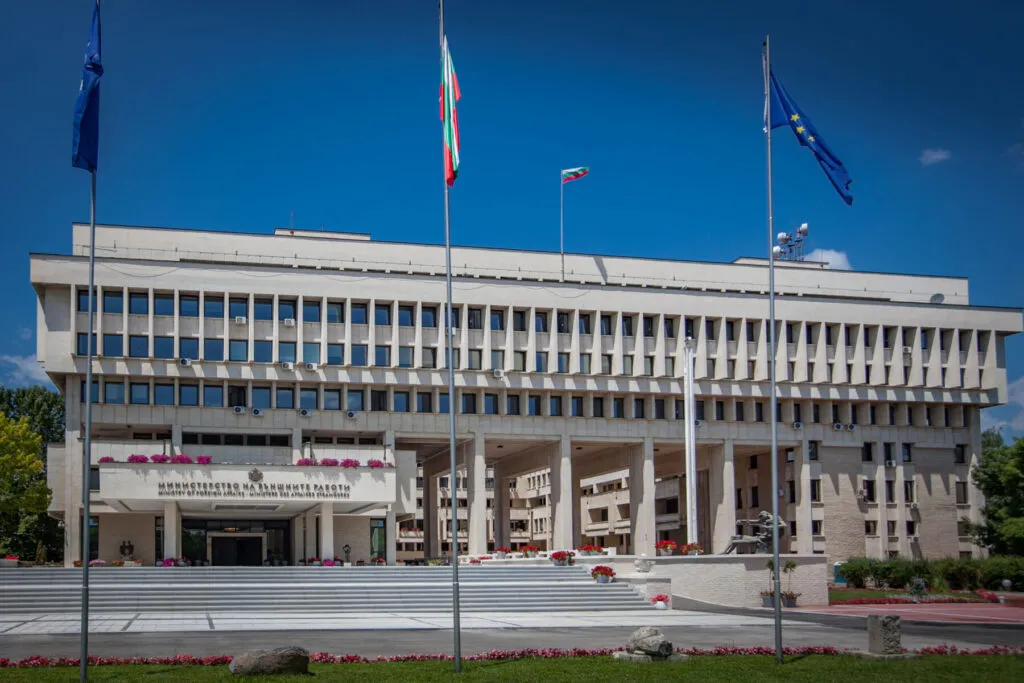
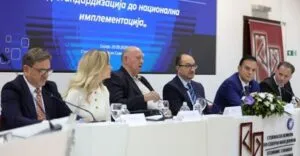
Skopje asked for a witness; Sofia answered with a rulebook. Foreign Minister Timcho Mucunski said Macedonia wants the European Union present at every future conversation with Bulgaria - either through its institutions or through member states - because, in his words, trust between the two sides is currently missing.
The Bulgarian Foreign Ministry didn't slam the door. But it didn't open it any wider either. Its reply is that Macedonia's accession is a European matter, settled within the European institutions and according to rules and procedures already in place. Bulgaria, it says, supports the work of the European Commission, and results are assessed in the European Council.
Then comes the sentence Skopje has been hearing for years: "Bulgaria has always been and remains open to constructive dialogue with the Republic of North Macedonia." And straight after it, the condition: "We expect the Republic of North Macedonia to fulfil its obligations and begin the necessary changes in order to progress on its European path." Sofia adds that good-neighbourly relations are a precondition for progress, and that other candidates are making significant progress despite a complex security environment.
Translated from diplomatese: the EU can take a seat at the table, but the menu has already been printed. Sofia keeps pointing to the European consensus of July 2022, and the key point remains writing Bulgarians into the Constitution. The government in Skopje doesn't dispute the constitutional amendment itself, but wants guarantees that no new bilateral conditions will appear in later stages of the negotiations.
Meanwhile, Mucunski noted that at the event he attended there were no official working meetings with Bulgarian representatives, apart from a brief encounter with his Bulgarian counterpart. From Brussels, a document on the future approach to enlargement is expected at the end of September or early October, ahead of Ursula von der Leyen's announced visit to the Western Balkans.
Four years after the consensus, the two sides agree on one thing - that they don't trust each other. Will having Brussels in the room change that, or will we just get one more witness to the same conversation going round in circles?
The latest 10 news from this category
One side accuses the leader of cutting deals with the government; he accuses them of working for the government. Neither...
The majority of judges said "res judicata" and closed the matter. Darko Kostadinovski voted against, arguing that new parties start...
The President reminded him that after all the compromises, negotiations haven't even started. The European Parliament's rapporteur admitted to a...
The flag, the Constitution and the name have all been changed, and the EU is no closer. The diagnosis is...
Andonovski admits there was no project, no study, and no figure for how many megawatts the facility would draw. The...
The video has no room, no table, no flags. In the same week the State Department redirected 52 million dollars...

The right to an opinion is not in dispute. The problem is that in certain offices the line between personal...
America sees us as a close friend, the prime minister says. A 200-billion portfolio, six data-centre companies, Chebren and Galishte....
Eight days of invitations to a joint test, then "report your dealers", then a criminal complaint over photographs and the...
From Washington, the prime minister asks for a third party at the table so the dispute stops being bilateral. Brussels...
This site uses cookies - is that okay? Learn more
Be the first to know when Metla launches something new
Leave your email and we will write when there is a new guide or something new on Metla.