
Stiv Naumov dorm renovated for around 10 million euros: a month later water runs through the walls and the ministry counts wet wipes
24.10.2026


24.10.2026

24.10.2026

24.10.2026

24.10.2026

24.10.2026

24.10.2026

24.10.2026

23.10.2026

22.10.2026
24.10.2026
24.10.2026

23.10.2026

24.10.2026

24.10.2026

24.10.2026

24.10.2026

23.10.2026

22.10.2026

24.10.2026

24.10.2026

24.10.2026

24.10.2026

23.10.2026
23.10.2026

24.10.2026

23.10.2026

23.10.2026
24.10.2026
22.10.2026

20.10.2026

23.04.2026

23.04.2026

12.04.2026

Horchata is a Valencian drink made from tiger nut - a small tuber, not a nut, not milk. Legend has it that King James I of Aragon, tasting it for the first time during the conquest of Valencia, asked what he had been given. A girl replied that it was tiger nut milk, and the surprised king exclaimed: „This is not milk, this is gold, dear!” Hence, supposedly, the name „orxata”.
Historians say it is a fabrication. No medieval source records the anecdote. More likely the word comes from the Italian „orzata”, a barley drink, from the Latin „hordeata”, which over time came to describe other plant-based drinks too. The story about the king is better, but it is not true - and it is worth knowing which is which.
Why tiger nut works in a dessert
The tiger nut is a small tuber rich in complex carbohydrates, fibre and minerals such as potassium, phosphorus and magnesium, with a significant share of unsaturated fats similar to those in olive oil. It contains no gluten and no lactose, which means horchata made of tiger nut, water and sugar is usable for people with those intolerances. The starch and natural sugar give it its characteristic sweetness - which is precisely why it is half a dessert on its own.
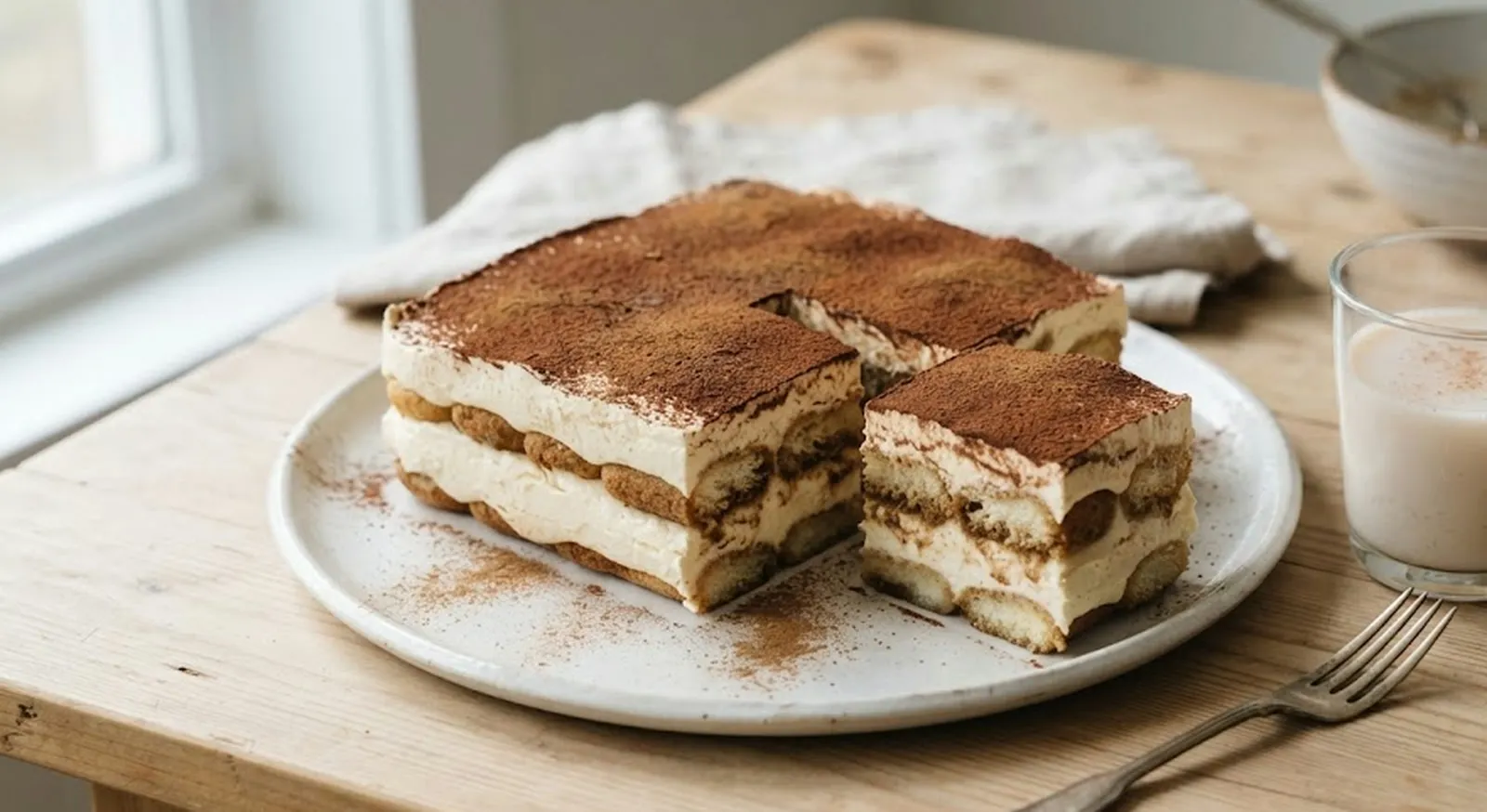
This recipe uses it on tiramisu logic: the biscuits are soaked in horchata instead of coffee, and the cream is mascarpone, whipping cream and horchata. The result is a creamy dessert that needs no oven - which in August is half the argument.
Ingredients (for 8-10 servings)
For the cream: 500 g mascarpone, 300 ml double cream with 35 percent fat, very cold, 50 g icing sugar, 120 ml tiger nut horchata, 2 gelatine sheets (about 4 g).
For assembly: 200-250 g tiramisu biscuits, 250 ml horchata.
To finish: 2 teaspoons pure cocoa powder, 1 teaspoon ground cinnamon, a handful of roasted tiger nuts. The dish should be around 20 by 20 centimetres, or a round 20-centimetre tin with a removable ring.
Method
Soak the gelatine sheets in plenty of ice-cold water for about ten minutes. In a large bowl, whisk the mascarpone with the icing sugar until smooth and free of lumps. Heat two tablespoons of horchata without letting it boil, dissolve the well-squeezed gelatine in it and stir until fully melted. Add that mixture to the remaining cold horchata, then pour it gradually over the mascarpone, folding gently.
Whip the very cold cream to firm but still creamy peaks and fold it in three additions, using turning movements with a spatula - the aim is to keep the air in. This is where most people fail: if the cream is not cold enough, the mixture will not hold its shape.
Pour the soaking horchata into a wide dish. Dip each biscuit for literally one to two seconds. That is all. It should take on flavour and moisture but not go soft - otherwise the layers are lost and you get mush instead of dessert. Lay a first row of biscuits covering the whole base, spread about half the cream and smooth it, then a second row of lightly soaked biscuits, then the rest of the cream, as level as possible.
Cover with cling film and refrigerate for at least eight hours - ideally, make it the day before. That is not a recommendation about patience, it is part of the recipe: in that time the cream sets and the biscuits absorb the moisture fully.
Mix the cocoa with the cinnamon and dust it on immediately before serving, not earlier - otherwise it takes on moisture and is lost. On top, if you like, roasted tiger nuts.
One warning worth more than the entire recipe: the quality of the horchata determines the result. If it is weak, the dessert is weak, and no amount of cocoa on top will save it.
The latest 10 news from this category
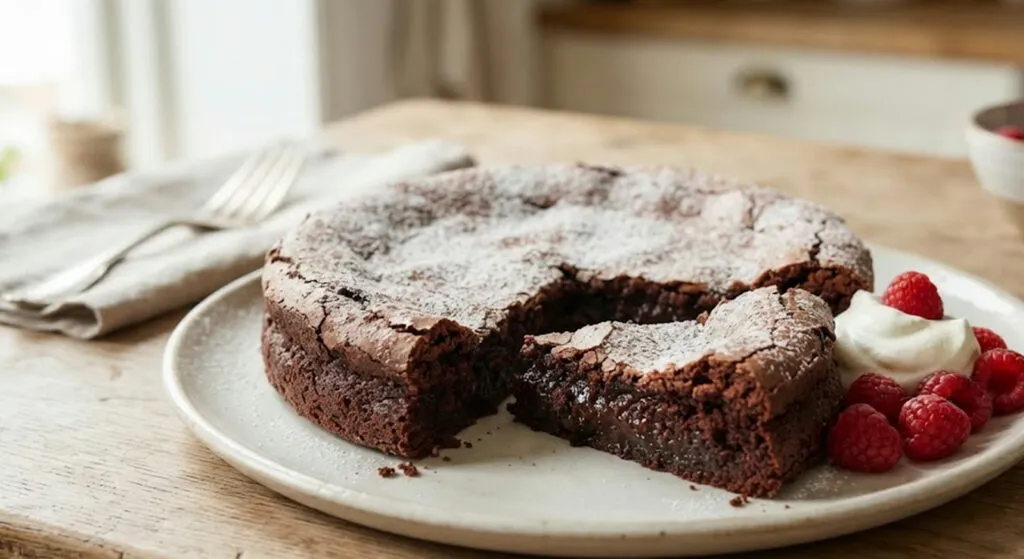
The Swedes have their own brownie, just humbler: two eggs, 250 grams of sugar and the nerve to take it...

Jesús Sánchez defends squid against every add-on that supposedly improves it - egg, milk, and even lemon.
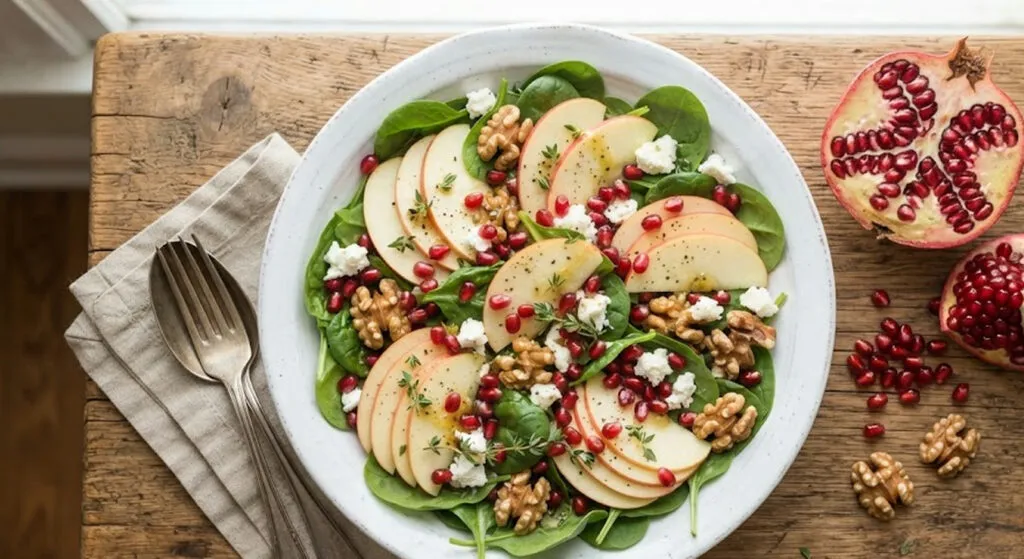
The seeds burst between your teeth, the sweet-sour taste tames the salty, and the juice is a ready-made dressing. In...
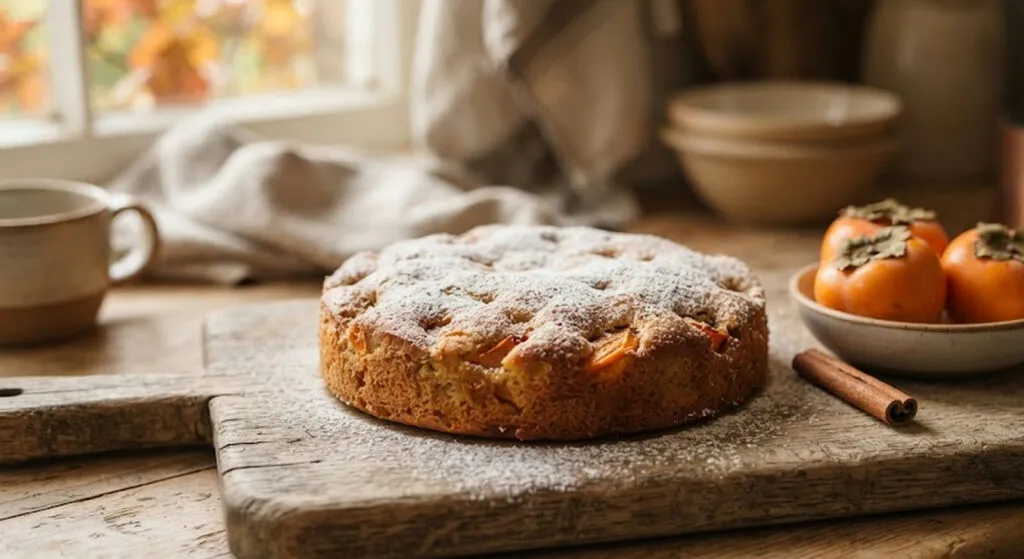
The persimmons that have gone too soft to eat are exactly the ones you need. A recipe for a 22-centimetre...
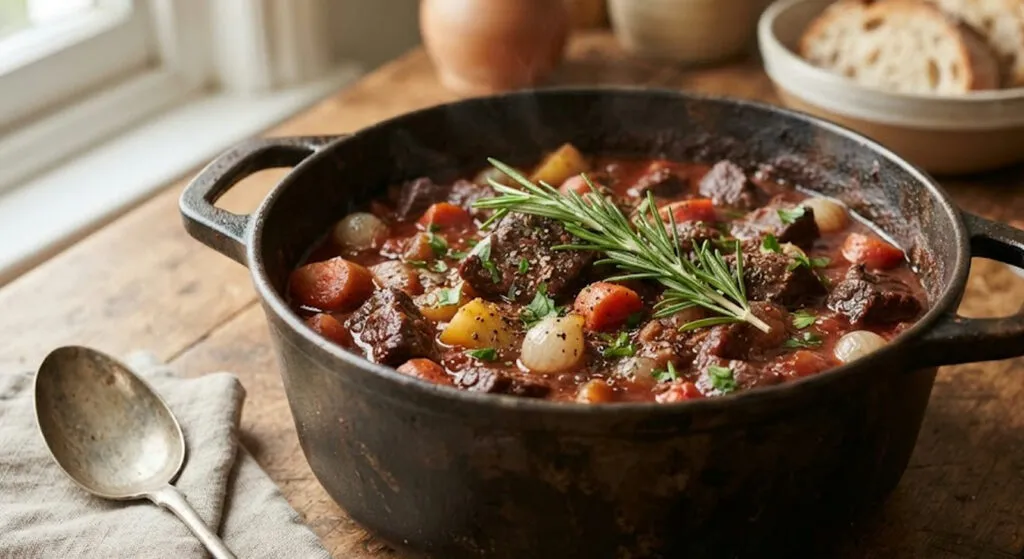
The most tender stew is not made from the leanest meat, but from the cuts that demand patience. And it...
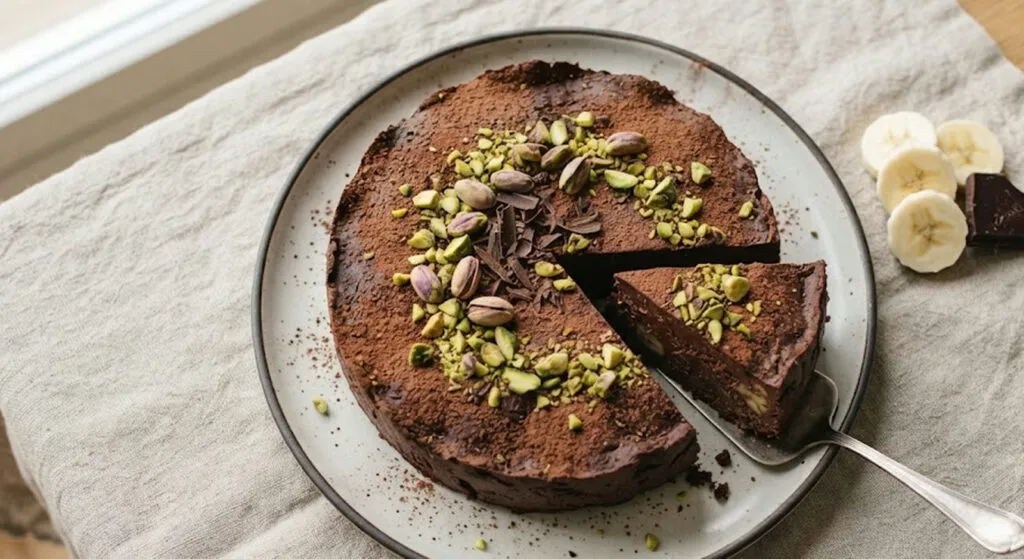
Two ripe bananas, a little dark chocolate and a fridge instead of an oven: the Olympic canoeist's dessert for evenings...
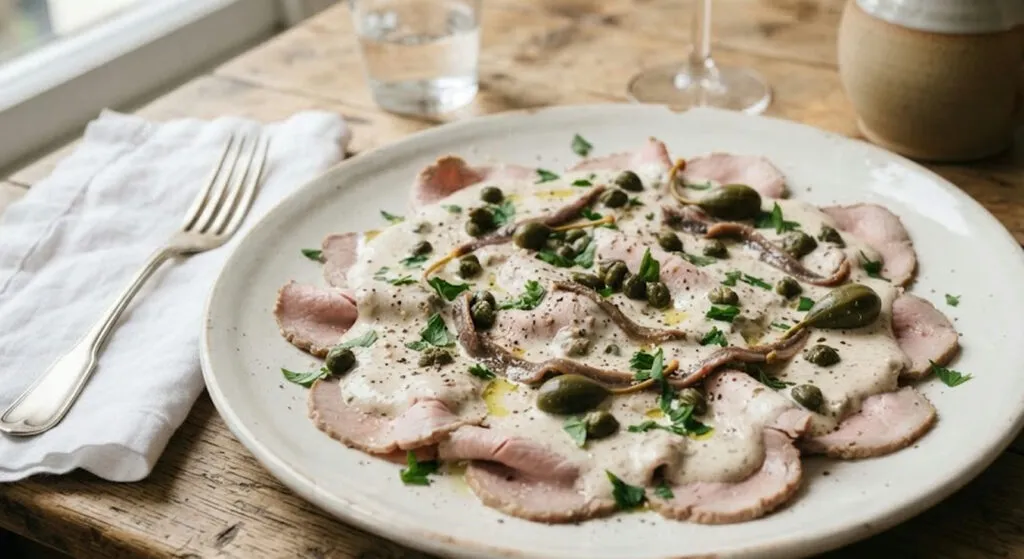
Lean meat that never goes above 65 degrees inside, a night in the fridge and a mayonnaise with tuna, anchovies...
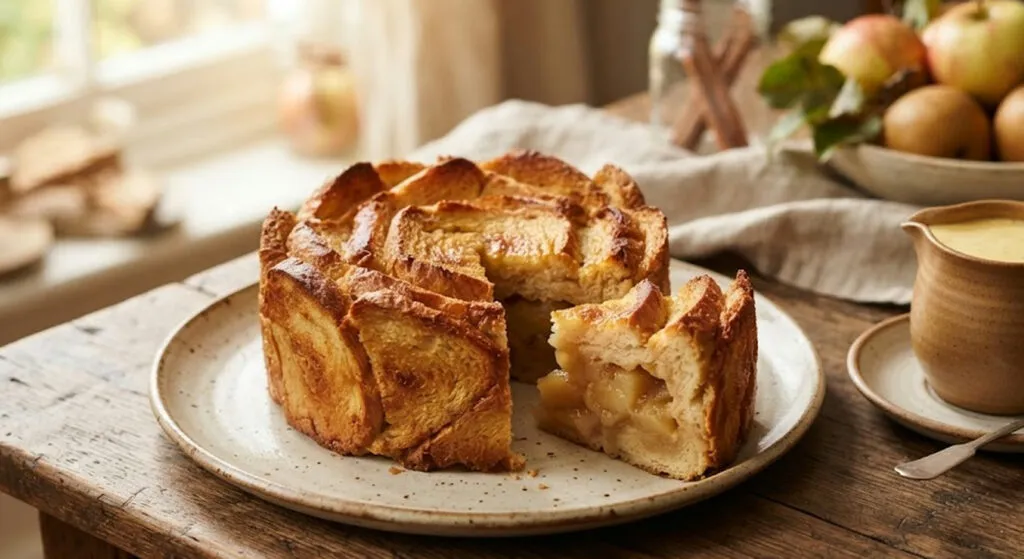
The British turned stale bread into a warm pudding served with custard. The secret isn't the bread, it's the filling,...
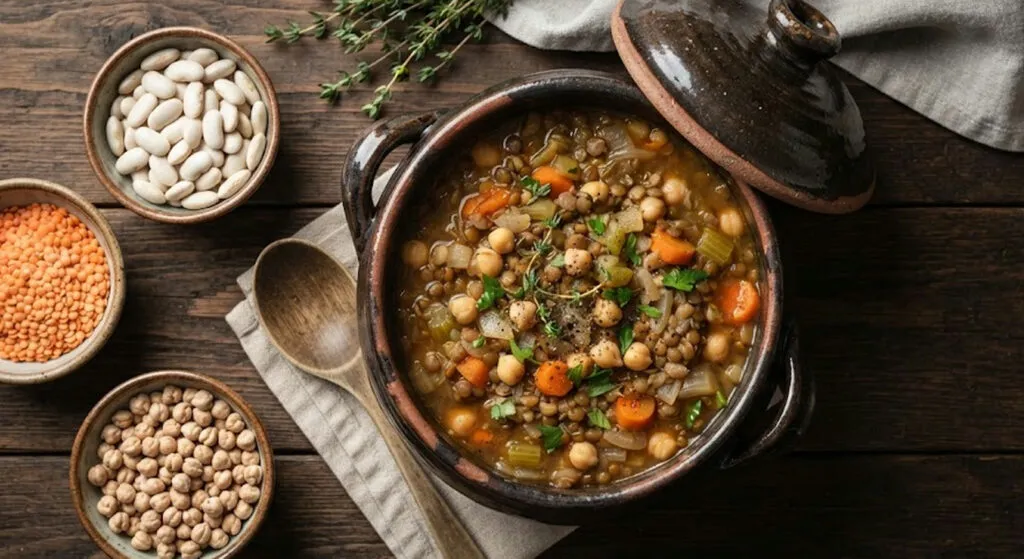
Cheap, filling, cholesterol-free and happy to wait months in the pantry. Ten legume recipes for autumn - and the trick...
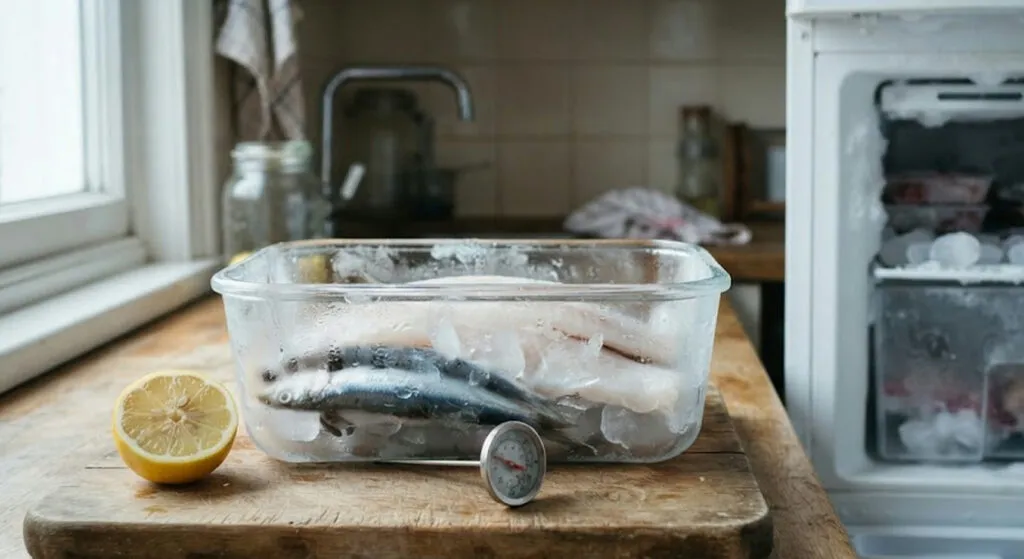
The larvae are killed only by 60 degrees at the centre of the piece or at least four days in...
This site uses cookies - is that okay? Learn more
Be the first to know when Metla launches something new
Leave your email and we will write when there is a new guide or something new on Metla.