
"Being careful" is Macedonia's most-used contraceptive: 43.9% of couples, against 14% using a modern method
28.09.2026


28.09.2026

28.09.2026

28.09.2026

28.09.2026
28.09.2026

28.09.2026

28.09.2026

27.09.2026

27.09.2026

28.09.2026

28.09.2026

27.09.2026

28.09.2026

28.09.2026

28.09.2026

28.09.2026

27.09.2026

26.09.2026

28.09.2026

28.09.2026

28.09.2026

09.03.2026

27.02.2026

19.02.2026

28.09.2026

27.09.2026

27.09.2026

23.04.2026

23.04.2026

12.04.2026


When 43.9% of couples aged 15 to 49 who are married or living together rely on withdrawal, and only 14% use a modern method of contraception, that isn't a bedroom statistic. It's a statistic about the health system. The figures come from UNICEF's Multiple Indicator Cluster Survey (MICS) for 2018-2019, and they're the latest national data that exist. Seven years later, there's nothing newer.
The breakdown is even more telling. Among married or cohabiting couples, 10% used condoms, 1.4% an IUD and just 1.1% the pill. A full 40.1% used no method at all. Among young women aged 20 to 24, around 14% use a modern method, 38.6% rely on withdrawal and 11% use condoms.
Marking World Contraception Day, held this year under the slogan "Choice without barriers", the Health Education and Research Association HERA warns that this isn't just a matter of personal choice. "The low use of modern contraception isn't only a question of personal choice. When methods aren't financially accessible or aren't provided through the health system, the choice isn't equal for everyone," HERA says.
Essential on paper, out of pocket at the pharmacy
In 2026, contraceptive medicines were added to the essential medicines list. But they're still not covered by mandatory health insurance. In other words, the system has admitted they're essential - and left the bill with the patient at the pharmacy till. HERA is calling for the next step: contraceptives on the positive list of medicines, plus comprehensive sex education with accessible, trustworthy and science-based information for young people.
The difference between methods isn't academic. According to data from the US CDC and the World Health Organization, with typical use over one year, around 20 in 100 women get pregnant using withdrawal, around 13 with condoms and around 7 with the pill, while for IUDs the failure rate is between 0.1% and 0.8%. Withdrawal costs nothing and has no side effects, but it doesn't protect against sexually transmitted infections either. The condom is the only method that protects against both pregnancy and most infections.
Globally, the picture is different. According to the latest UN report, in 2026 77.2% of women of reproductive age who want to avoid pregnancy meet that need with a modern method. Direct comparisons call for caution, because the populations aren't the same - but the gap is hard to miss.
Little contraception, and few children
Here's where the paradox comes in. Macedonia has low use of modern contraception and, at the same time, a very low birth rate: in 2025, 15,850 children were born and 20,287 people died. Abortions don't explain it - their number falls year after year, from 4,983 in 2013 to 2,151 in 2024. The likelier explanation lies in demographics: fewer young people, families forming later, and generations of reproductive age who have emigrated. The average age of a mother at her first child reached 28.2 in 2025.
There are two simple questions for the health authorities. If contraceptives are essential enough for the list, why aren't they essential enough for insurance? And why is the latest national picture of something this basic seven years old?
The latest 10 news from this category

A progress report in front of a party banner reading "Macedonia accelerates", a long list of streets and projects -...

Student status will be checked automatically, and the pass will be a QR code in the SkopjeBus app. The news...

Broken play equipment and street furniture, a press release and an appeal to the police. How many times the same...

The Macedonian team came home from Sarajevo with a bronze medal and an honourable mention. The competition cycle that finds...
The epicentre was about 127 kilometres southwest of Skopje, and in Bitola the intensity reached III to IV. Seismologists are...

5 and 10 km races through Ilinden, Marino and Kadino, winners from Macedonia, Serbia, Bulgaria and Kosovo, and a spot...

Her work on the hormone GLP-1 paved the way for drugs used by millions today. The world has been honoring...

For a whole year residents looked out their windows at an illegal dump. Now the excavators are there, and a...
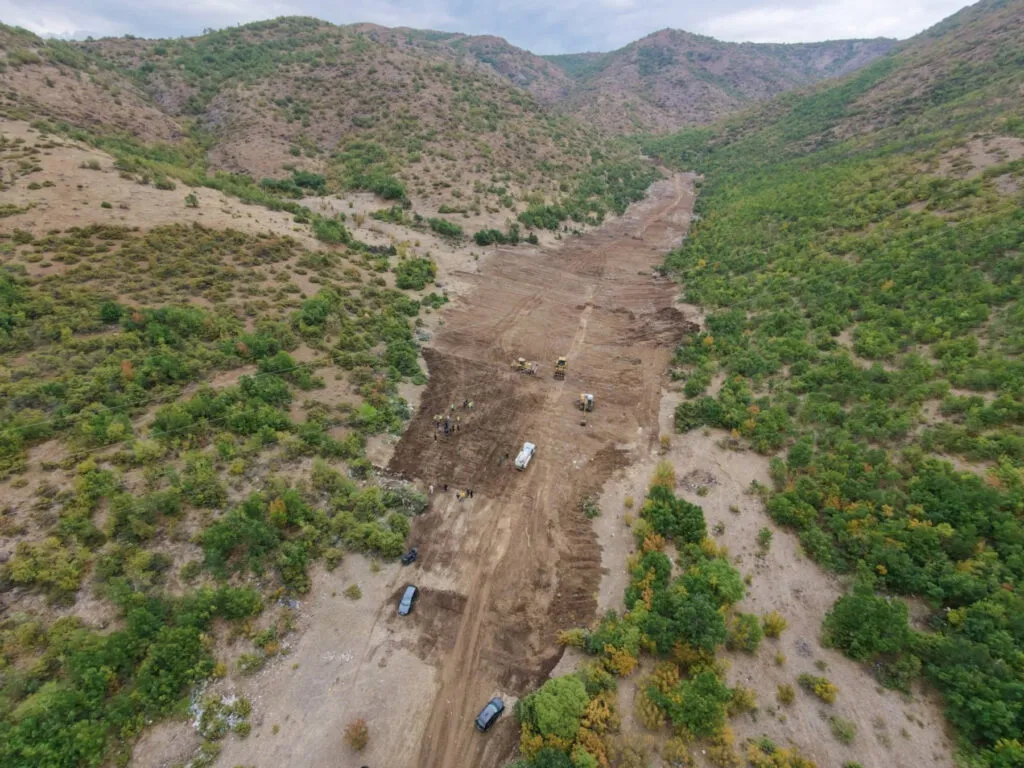
Saraj Mayor Muhamed Elmazi kept a campaign promise. But illegal dumps don't disappear when the excavator leaves. They disappear when...
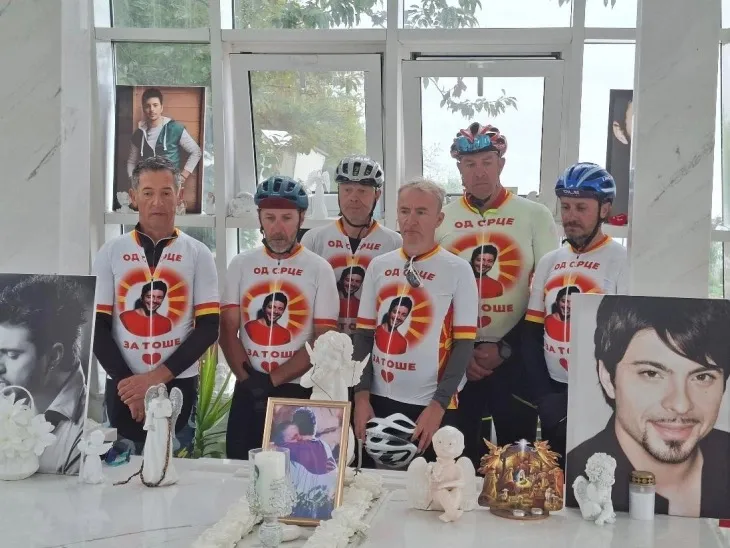
They set off from Croatia on September 19, rode about 150 kilometers a day and reached Toshe's final resting place...
This site uses cookies - is that okay? Learn more
Be the first to know when Metla launches something new
Leave your email and we will write when there is a new guide or something new on Metla.