
"Being careful" is Macedonia's most-used contraceptive: 43.9% of couples, against 14% using a modern method
28.09.2026


28.09.2026

28.09.2026

28.09.2026

28.09.2026
28.09.2026

28.09.2026
28.09.2026

27.09.2026

27.09.2026

28.09.2026
28.09.2026

27.09.2026

28.09.2026

28.09.2026

28.09.2026

28.09.2026

27.09.2026

26.09.2026

28.09.2026

28.09.2026

28.09.2026

09.03.2026

27.02.2026

19.02.2026

28.09.2026

27.09.2026

27.09.2026

23.04.2026

23.04.2026

12.04.2026

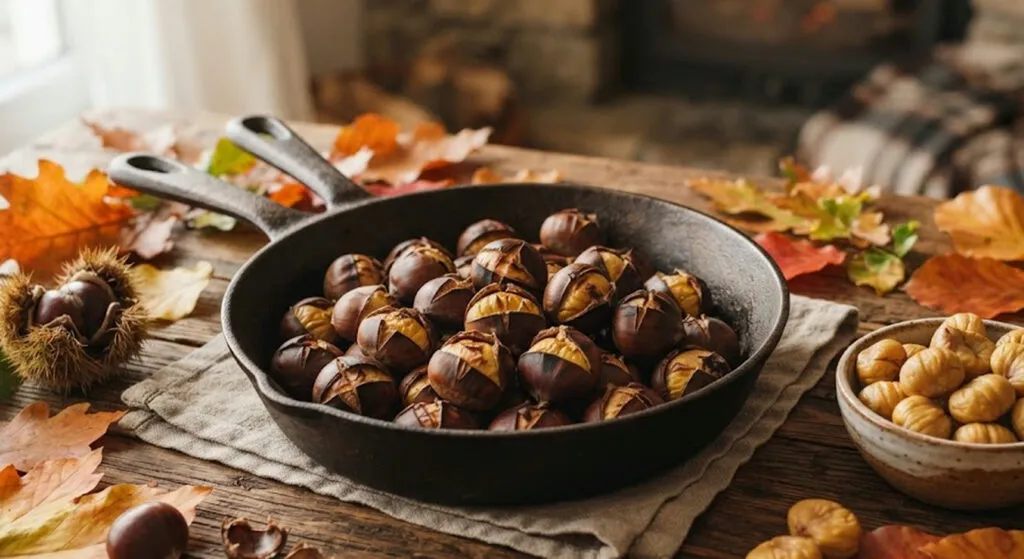
In the Balkans, a chestnut usually means a paper bag from a street vendor and burnt fingers on a cold evening. But autumn has only just begun, chestnuts are already arriving at the markets, and they can do much more than that - from breakfast to dinner.
Although traditionally counted among nuts, chestnuts are completely different in composition from walnuts, almonds or hazelnuts. They contain a lot of water, are rich in complex carbohydrates and starch, and have considerably less fat. They provide fibre, potassium, phosphorus and several vitamins. That's why they're filling and give you energy, especially when simply roasted or boiled. Thanks to the starch they can be used like potatoes or flour - whole, puréed or ground. Chestnut flour is also gluten-free.
For breakfast
The mild, slightly floury flavour goes well with dairy, fruit and cinnamon. A few boiled and chopped chestnuts can go into a bowl of yoghurt with fresh fruit, seeds and a little granola. They can also be stirred into porridge at the end of cooking, with cinnamon, apple or pear. Homemade chestnut spread goes on bread, alone or with fresh cheese and banana - and if you buy it ready-made, it's worth reading the label and choosing one with no added sugar. A few boiled chestnuts blended with milk, banana and cinnamon make a creamy drink.
As a snack
No recipe needed here. Boiled and peeled, chestnuts can be eaten warm or cold and are always handy between meals. Roasted in the oven they have the strongest aroma - but before roasting you have to score the shell, or the steam inside will make them burst. For a small amount, the microwave is a quick fix too. Add a piece of seasonal fruit and the snack is complete.
For lunch and dinner
In a salad, boiled and chopped chestnuts add a sweet note and a different texture - with lettuce, pear or apple, pomegranate, cheese and a light dressing. Puréed with pumpkin, leek or onion, they make cream soups creamy, and they work in pulse soups too. Whole or chopped, they can go into vegetable, bean or meat stews, or be served alongside roast meat and poultry.
For dessert
Boiled and puréed chestnuts are the base for a cream or mousse, and the classic is chestnut flan. Chestnut flour goes into cakes and biscuits, on its own or mixed with other flour. And of course - chestnuts and chocolate, the autumn pairing found in mousses, cakes and cream cups. Whether we stick with the paper bag from the street or bring them into the kitchen, the season is short. It's worth making the most of it.
The latest 10 news from this category
Everyone knows how to scramble eggs - or so we think. The difference between creamy, glossy eggs and a dry,...
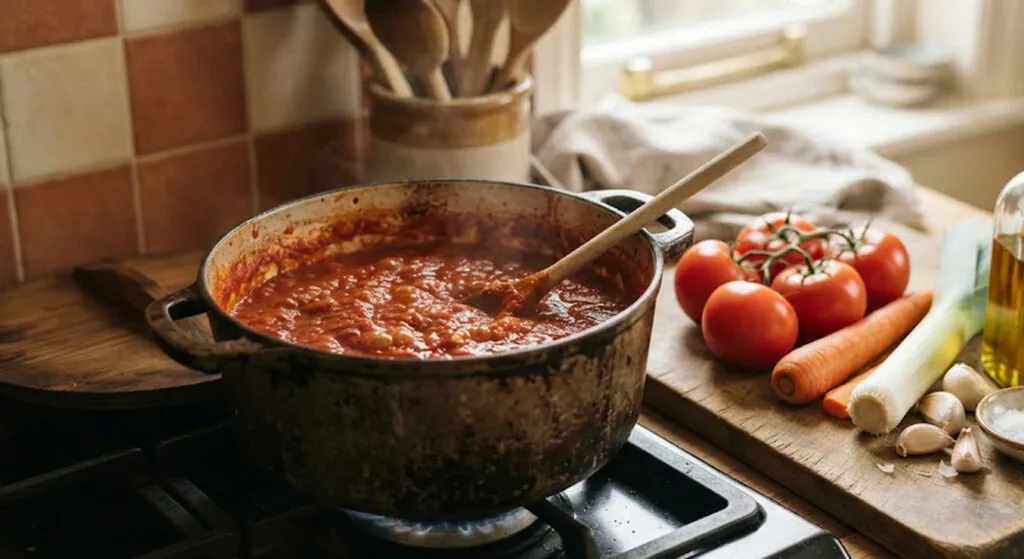
Six tomatoes, two carrots, a leek, garlic and patience. The recipe is simple, and the only secret is the time...
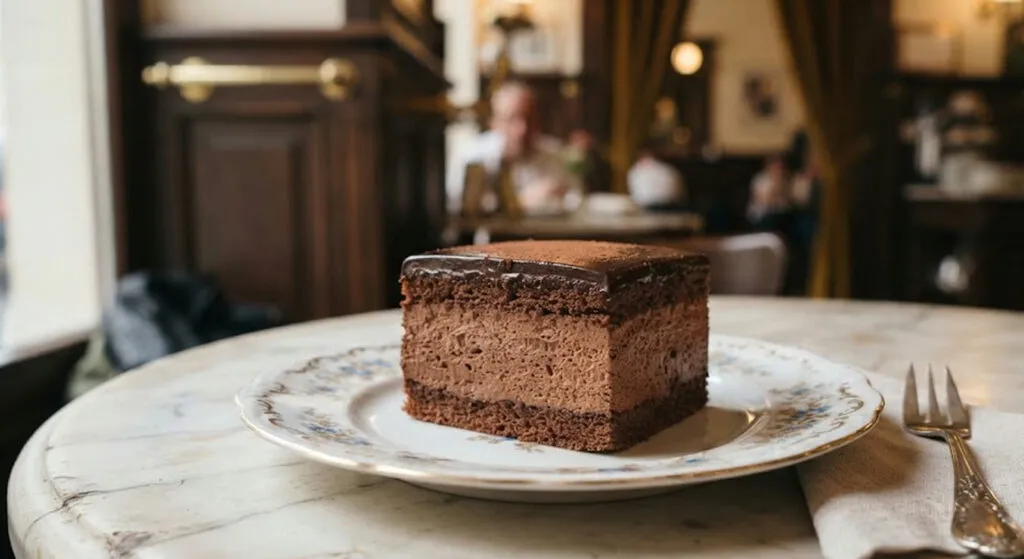
The scandal lasted less than a decade; the cake has survived more than a century. The step that makes it...
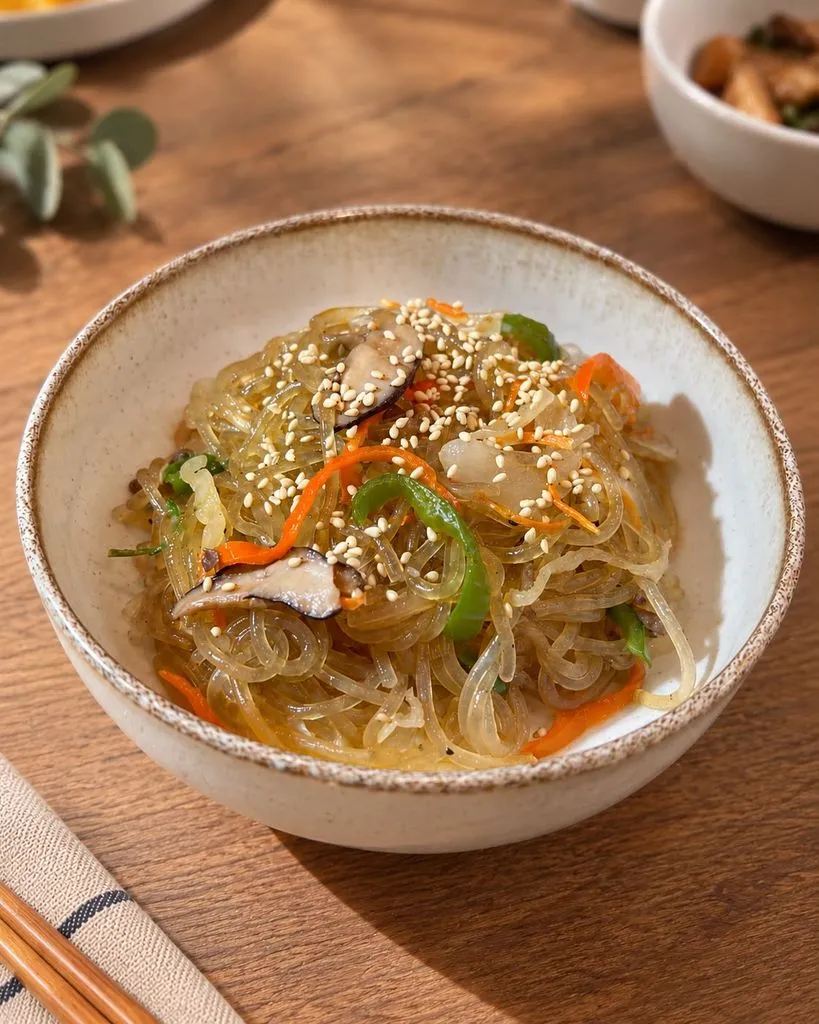
The five dishes of Chuseok take days of work, and fewer and fewer people have the time. Why slowness is...
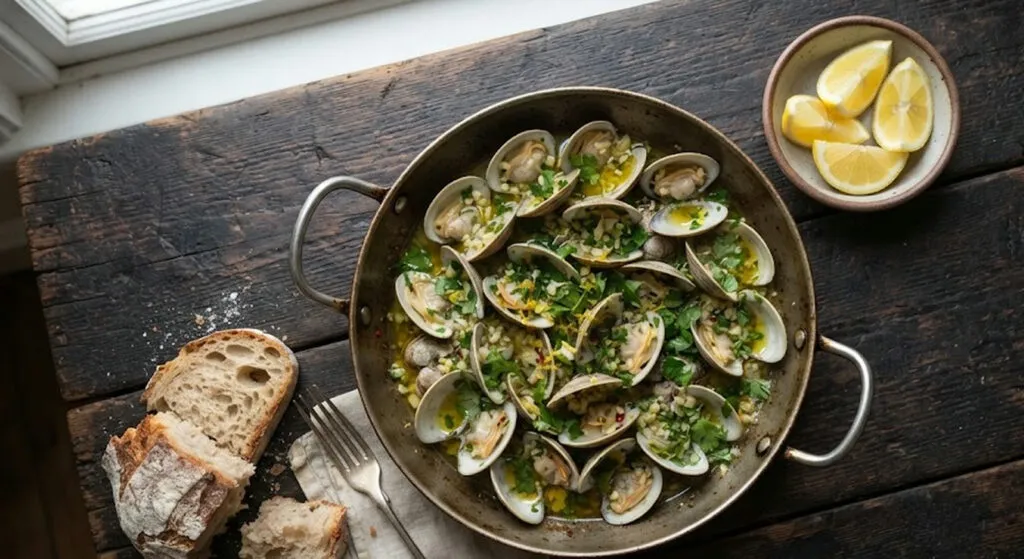
Five ingredients, fifteen minutes of cooking and the name of a nineteenth-century poet. Skip the soaking and you get a...
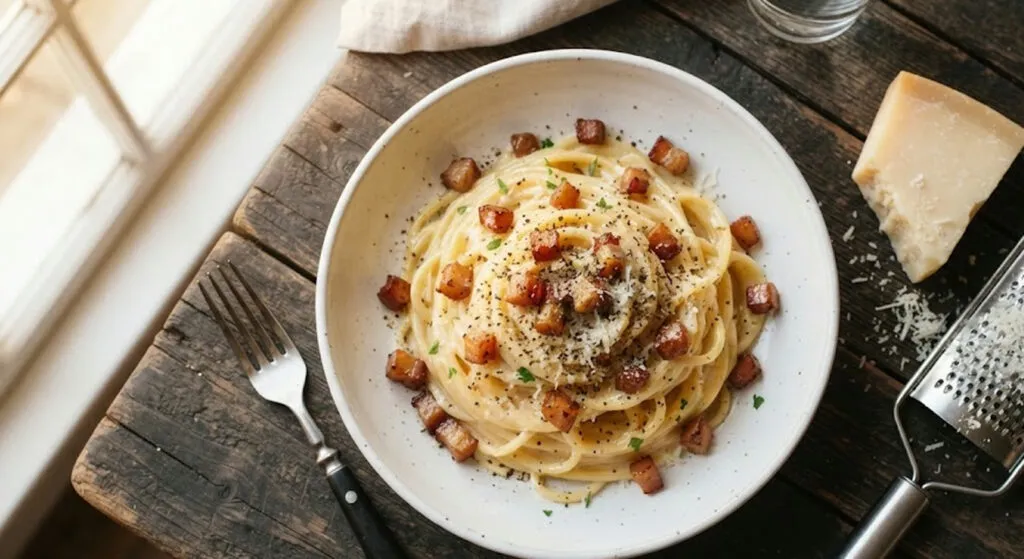
Cream in carbonara is an invention that took hold outside Rome. If the pan is hot when the eggs go...
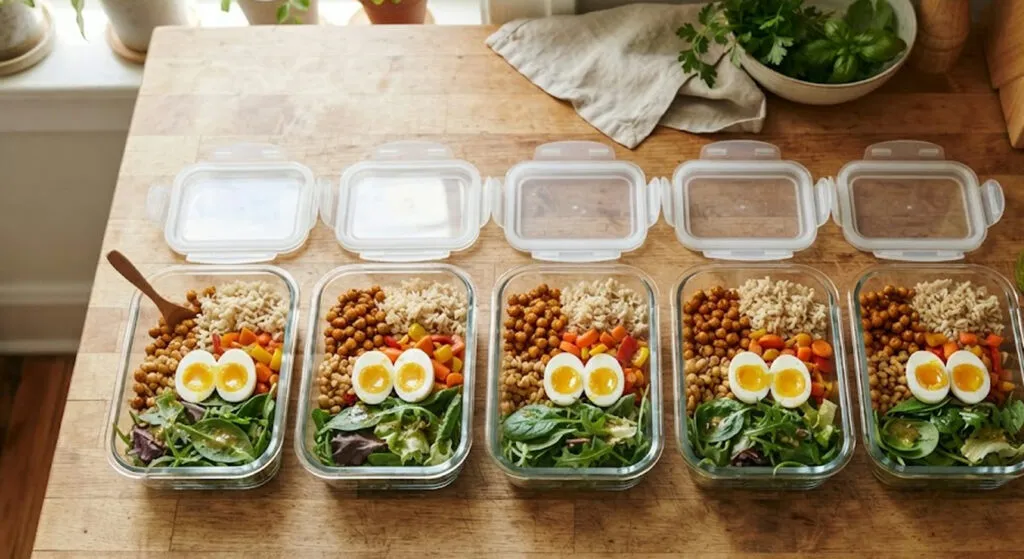
Components separately, or full boxes ready to reheat. One gives you variety, the other speed, and blanching your vegetables before...
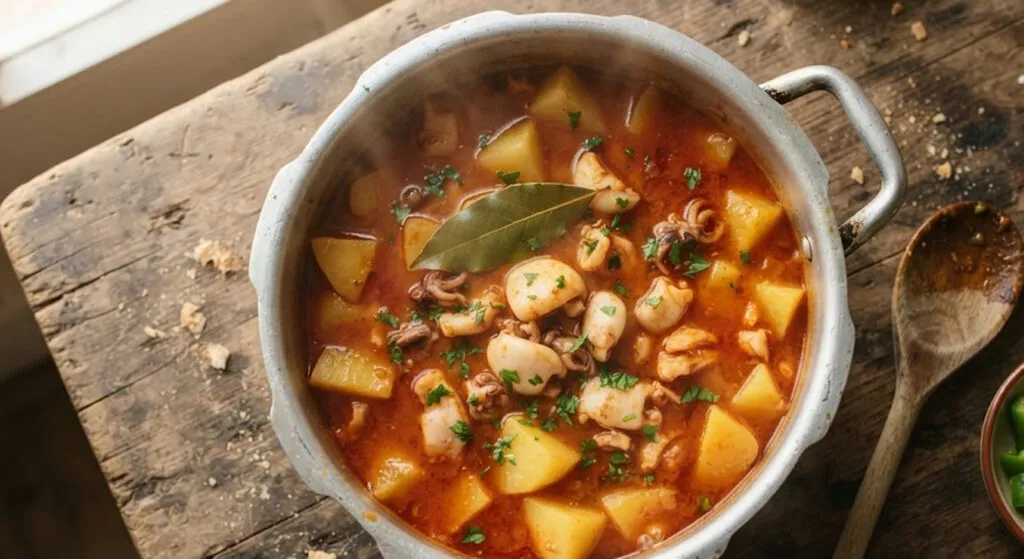
The cuttlefish goes in before the potatoes - the other way round and you get potato in water with pieces...
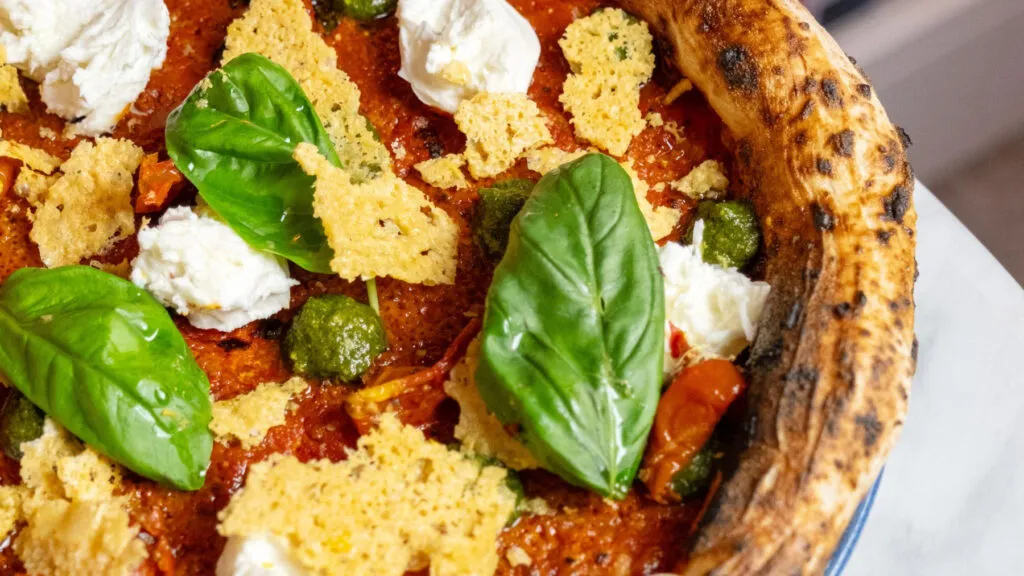
An Italian guide, a gala in Naples, first place for a London restaurant. Spain gets six entries - but only...
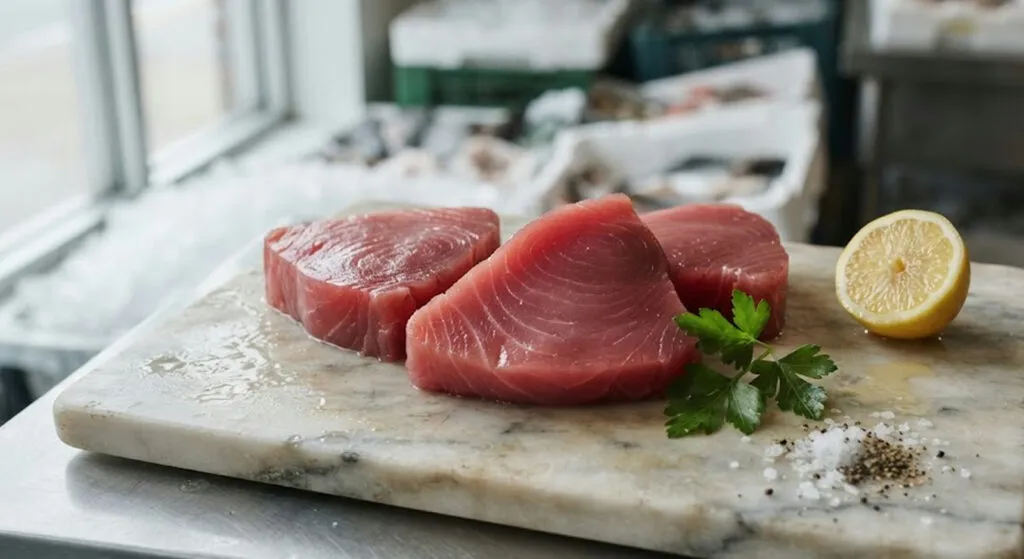
It is caught with hook and line, not with nets, and you can taste that on the plate. The three...
This site uses cookies - is that okay? Learn more
Be the first to know when Metla launches something new
Leave your email and we will write when there is a new guide or something new on Metla.