"Being careful" is Macedonia's most-used contraceptive: 43.9% of couples, against 14% using a modern method
28.09.2026


28.09.2026

28.09.2026
28.09.2026

28.09.2026
28.09.2026
28.09.2026

28.09.2026

27.09.2026

27.09.2026
28.09.2026

28.09.2026

27.09.2026

28.09.2026

28.09.2026

28.09.2026
28.09.2026
27.09.2026

26.09.2026
28.09.2026

28.09.2026

28.09.2026

09.03.2026

27.02.2026

19.02.2026
28.09.2026

27.09.2026
27.09.2026

23.04.2026

23.04.2026

12.04.2026

In the second quarter of 2026, Macedonia had 90,020 unemployed people. In the same period, companies had 10,697 unfilled jobs - a job vacancy rate of 2.17%. And while tens of thousands of people are officially looking for work, companies are increasingly looking for workers in Bangladesh, Nepal, Turkey and India.
According to the Employment Agency, between 1 January and 19 August this year it issued 1,837 approvals for workers from Bangladesh, 1,257 from Turkey, 787 from Nepal, 323 from India and 46 from Pakistan. Demand for foreign labour is highest in construction, manufacturing, hospitality and retail.
Where the hands are missing
The biggest shortage is in services and sales, where 2,980 unfilled positions are registered for shop assistants, waiters, cooks and service staff. In accommodation and food service, 6.23% of jobs are waiting for someone to fill them. The private sector expects 14,498 new hires this year, including 5,328 in manufacturing, 2,342 in retail and 1,437 in construction.
When an employer says "there are no workers", it doesn't always mean there are no people. It often means there aren't enough people who want that job, for that pay, under those conditions. The average net wage in July reached 48,499 denars, 7.1% more than last year in nominal terms. But a young person doesn't compare their pay with last year. They compare it with Germany, Austria and Slovenia - along with the rent, job security and how well institutions work.
Unemployed, but not available
Of the active jobseekers registered in June, 58% had no education or only primary education, and another 25% had secondary school. So 90,000 unemployed are not 90,000 people who could stand behind a machine or a bar tomorrow. Skills, place of residence and working conditions have to match - and that's the job of education, retraining and active employment measures. If the same profiles have been in demand for years, why isn't the system producing them?
Then there's the grey zone. In the second quarter, 101,022 people were working without a formal employment contract, and that number rose by 7.3%. More than half of them are in agriculture, forestry and fishing, and around 17.2% in construction. How many of the "unemployed" on the register are actually working off the books?
There's also a third group, the one mentioned least often. Of the roughly 1.52 million residents over 15, only 798,718 are part of the labour force, while 722,275 are economically inactive. They include pensioners, pupils and students, but the numbers also point to untapped potential: among people aged 15 to 64, 77.8% of men are active but only 56% of women, and among young people aged 15 to 29 - just 45.3%.
A replacement, not a solution
According to a World Bank analysis, around 700,000 people born in Macedonia live outside the country. In 2025, 15,850 children were born and 20,287 people died. The IMF estimates that the decline in the population and in the working-age population could cut potential economic growth by around half a percentage point by 2030. A survey of young people shows that 68% of them say they want to leave.
Foreign workers solve tomorrow's shift at the factory. They don't solve the question of why the local worker left, or why the one who stayed isn't working. The state issues approvals for workers from Bangladesh and Nepal. Does it also have a policy for the people who are still here?
The latest 10 news from this category
Two weeks of 10% VAT, diesel at 104.50 denars, and not a word on what happens from tomorrow. If the...
Stopanska Banka down 8.33%, NLB down 7.88%, Komercijalna down 7.87%. The weekly reports have the numbers, but not the reason.
Кога некој тврди дека сè е по распоред, а истовремено праќа правно известување за настани надвор од негова контрола, повеќе...
Еден менаџер морал да бара посебна дозвола за да им плаќа повеќе на работниците, откако ресторан за брза храна преку...
Документарец со 100 отсто позитивни рецензии на Rotten Tomatoes не можел да купи реклама на најголемите мрежи, бидејќи трејлерот наводно...
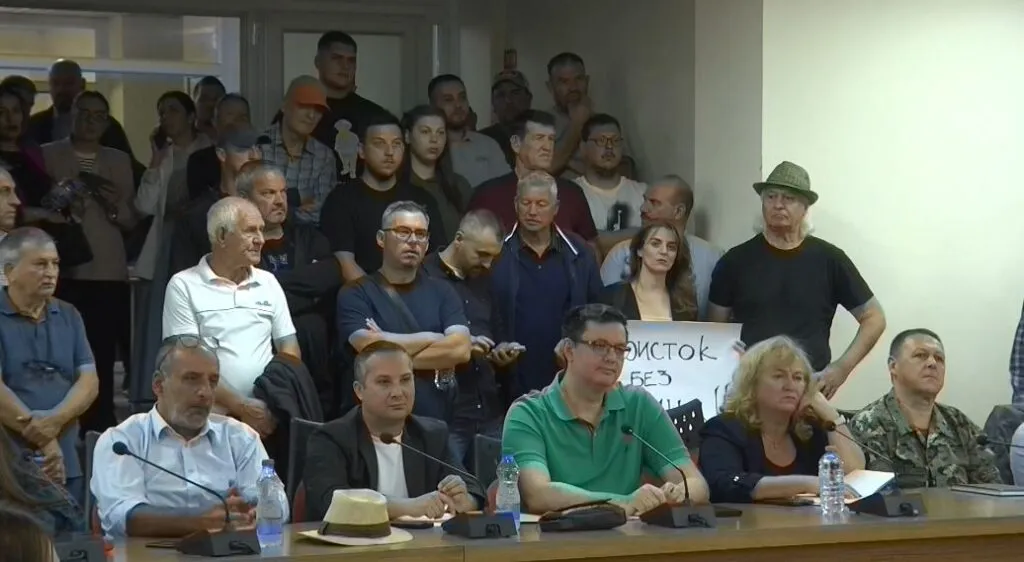
Activists say every council in the Strumica region has decided against mines - yet the state is writing them into...
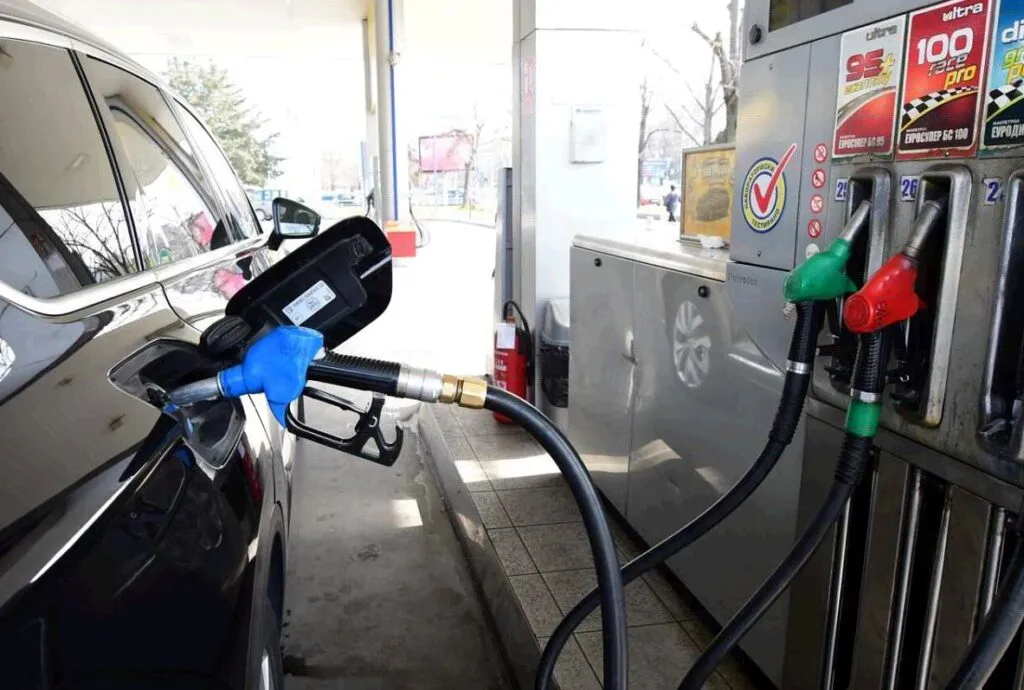
Diesel in Macedonia is among the cheapest in Europe, around 1.7 euros a liter. Whether it stays that way depends...
In hospitality, almost one job in sixteen is waiting for someone to fill it. At the same time, 88,541 people...

Images people uploaded to OpenAI's models ended up in training data, and from there on public websites. Who uploaded them...

A test that until now was done by elite athletes in labs is supposed to reach gyms, with no operator...
This site uses cookies - is that okay? Learn more
Be the first to know when Metla launches something new
Leave your email and we will write when there is a new guide or something new on Metla.