Mickoski Said the Sentence Sofia Doesn't Want to Hear: "We Have a Bilateral Dispute"
27.09.2026


27.09.2026

27.09.2026

27.09.2026

27.09.2026

27.09.2026
27.09.2026

27.09.2026

26.09.2026

25.09.2026
27.09.2026

27.09.2026
26.09.2026

27.09.2026
27.09.2026

27.09.2026

27.09.2026

26.09.2026

25.09.2026

27.09.2026

27.09.2026

27.09.2026

27.09.2026
27.09.2026

27.09.2026

09.03.2026

27.02.2026

19.02.2026

27.09.2026

26.09.2026

25.09.2026

23.04.2026

23.04.2026

12.04.2026

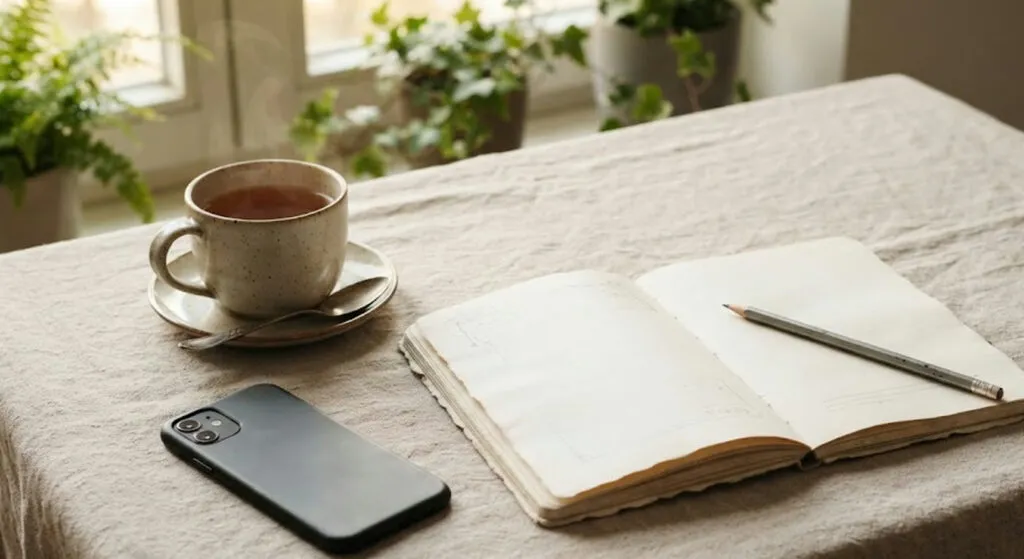
A message, a video, a purchase on your phone, a notification. Each one is a small dose of pleasure that arrives in a second, with no waiting and no effort. The problem starts when that becomes the only way we know how to feel good - that's when the effect flips. That's the thesis of Marian Rojas Estapé, a Spanish psychiatrist, medical doctor and author of books that have spent years translating neuroscience into the language of everyday life.
In an interview for the podcast "Tengo un plan," she draws a distinction that sounds simple but hits hard: not everything that brings pleasure brings satisfaction. "Satisfaction has a lot to do with whether what I've achieved cost me effort. If it didn't cost me effort, it's not satisfaction - it's a reward," Rojas Estapé says.
A reward has one advantage: it doesn't require waiting. Any goal that takes persistence, on the other hand, means enduring stretches where you still don't have what you want. That very waiting, she argues, is part of the satisfaction, because it changes how you value the result. "Everything to do with satisfaction has to do with effort, and we live in a culture that runs from effort. Anything that requires effort today - I don't want it, and I run from it. I want an easy reward. That drives me deeply away from happiness," she says.
Ironically, the Balkans are a region with waiting in their blood: counters, queues, "come back tomorrow." But patience with the state isn't the same as patience with your own brain. In the first case we wait because we have no choice. In the second, the choice is in our pocket - and the faster option almost always wins.
Four weeks without the thing that hurts you most
The solution she proposes isn't to give up pleasure, but speed. Rojas Estapé cites American psychiatrist Anna Lembke and her book "Dopamine Nation," which describes so-called dopamine fasting. "You can't fast from dopamine completely, because you'll get up in the morning and there'll be something pleasant. But you can fast for four weeks from whatever harms you most - alcohol, or a social network you're hooked on. The first two weeks will be hard. What happens in the brain? When your phone is taken away, the brain reactivates, wakes up, comes back, reconnects - and you're once again able to enjoy the small things in life."
Emotional intelligence coach Iksi Avila offers something even simpler: slow down. "Take your time, slow down, regulate your breathing and close your eyes if you can. Pay attention to your body. How does your skin feel the water? Do you notice the change in temperature? How many flavors can you recognize? It's incredible how much more you can feel when you're aware." A shower, a meal, a walk - the same experience, just without autopilot. Attention doesn't change what happens, it changes how you experience it.
Avila also recommends writing - no technique, no style, just putting on paper whatever is taking up space in your head. Instead of immediately reaching for a new stimulus to distract you from an uncomfortable emotion, you stay with it for a few minutes and give it shape. The same goes for creativity: cooking, drawing, photography, playing music. "Creativity is one of the things that brings the most satisfaction, and that satisfaction grows when we combine it with gratitude. When we create in order to give, we allow ourselves to be creative," she says.
Nobody's claiming four weeks without Instagram will make you happy. But the idea is worth something precisely because it's boring: there's nothing to buy, no app to download, no subscription. Maybe that's why nobody advertises it.
The latest 10 news from this category
Everyone knows how to scramble eggs - or so we think. The difference between creamy, glossy eggs and a dry,...
Worse sleep, constant fatigue and a late period can mean your body has nothing left to recover with. A nutritionist...
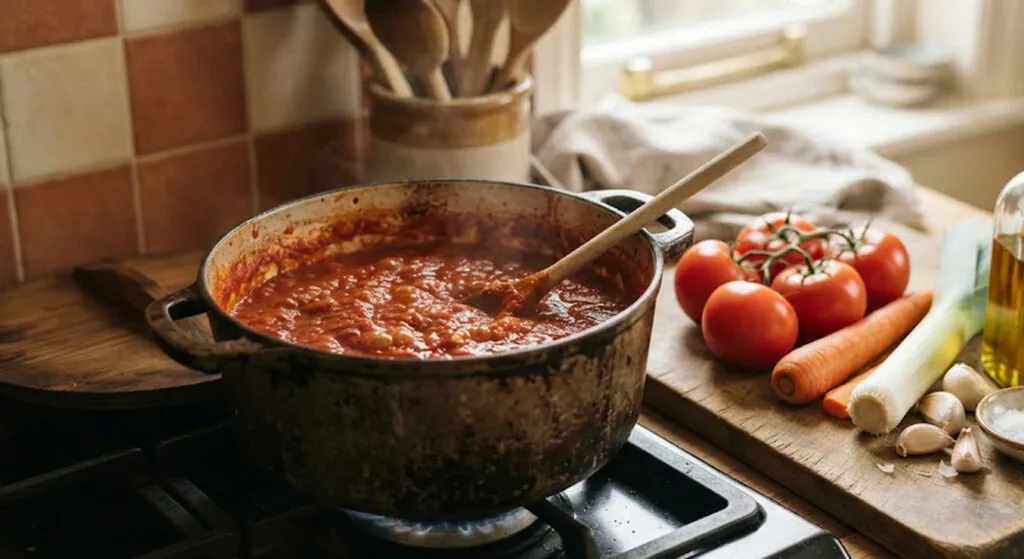
Six tomatoes, two carrots, a leek, garlic and patience. The recipe is simple, and the only secret is the time...

There's even a term for it - leisure guilt. When we measure our worth in completed tasks, every empty afternoon...
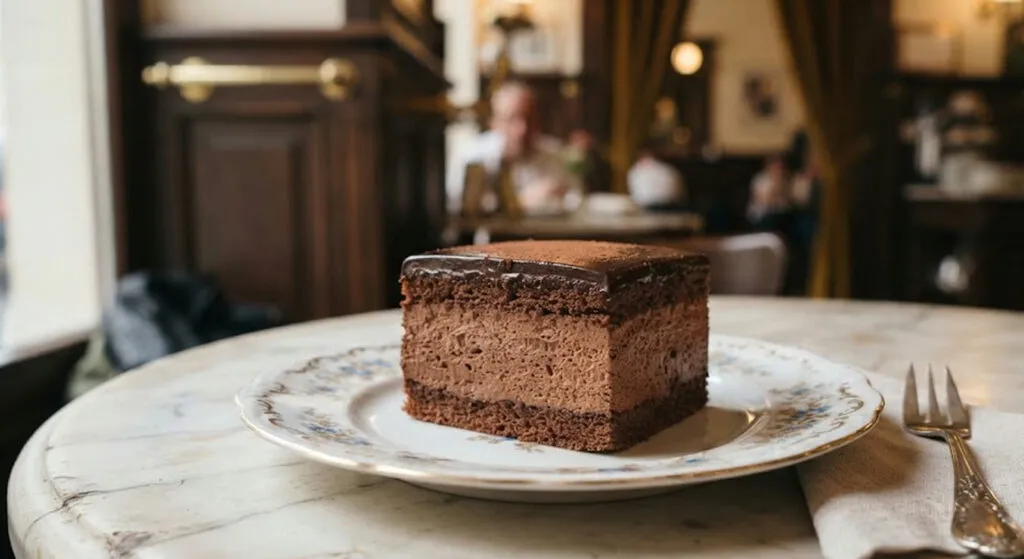
The scandal lasted less than a decade; the cake has survived more than a century. The step that makes it...
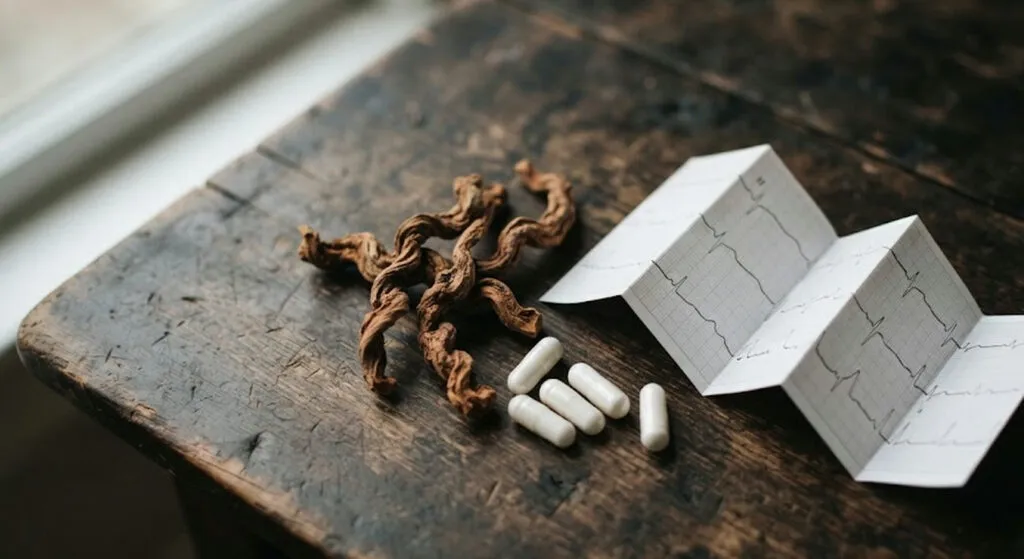
An expert says Presley Gerber's death cannot be linked to ibogaine. But the substance he tried carries a risk that...
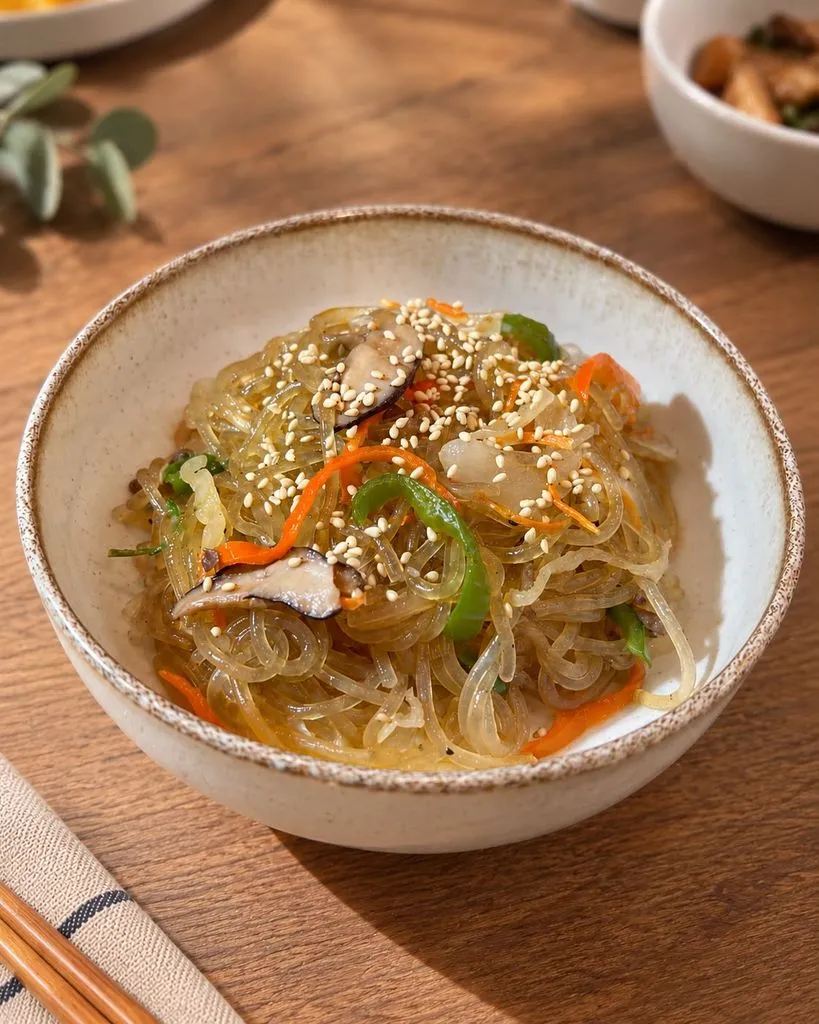
The five dishes of Chuseok take days of work, and fewer and fewer people have the time. Why slowness is...
Sleep, hormones, metabolism and concentration all depend on a single signal that arrives through the eyes. No capsule, no subscription...
Five ingredients, fifteen minutes of cooking and the name of a nineteenth-century poet. Skip the soaking and you get a...
The sleep industry sells mattresses, lamps and trackers. The psychologist said for free what none of them will tell you.
This site uses cookies - is that okay? Learn more
Be the first to know when Metla launches something new
Leave your email and we will write when there is a new guide or something new on Metla.