

Kratovo man stabs police officer mid-intervention: prosecutors want the 40-year-old detained
15.09.2026


15.09.2026

15.09.2026

15.09.2026

15.09.2026

15.09.2026

15.09.2026

15.09.2026

14.09.2026

13.09.2026

15.09.2026

15.09.2026

14.09.2026

15.09.2026

15.09.2026

15.09.2026

15.09.2026

14.09.2026

13.09.2026

15.09.2026

15.09.2026

15.09.2026

15.09.2026

15.09.2026

14.09.2026

09.03.2026

27.02.2026

19.02.2026

14.09.2026

14.09.2026

13.09.2026

23.04.2026

23.04.2026

12.04.2026

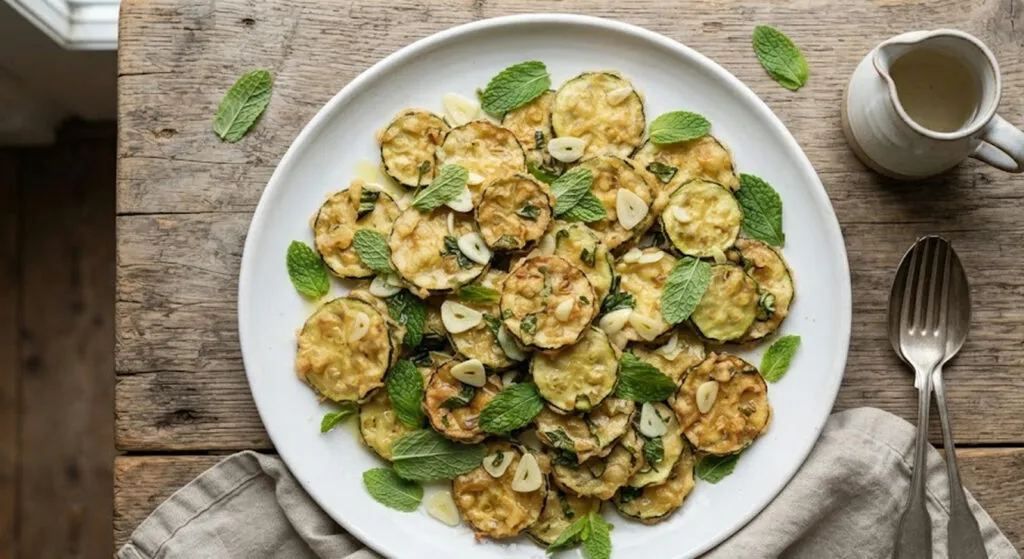
One kilo of courgettes, two or three cloves of garlic, a good bunch of mint, eighty millilitres of white wine vinegar and oil for frying. That is all. The Neapolitan dish "zucchine alla scapece" contains not a single expensive ingredient, and yet most people ruin it - always at the same step.
An hour of waiting before the pan goes on
The courgettes are washed, dried, their ends cut off, and sliced unpeeled into thin rounds of about three to four millimetres. Then comes the step everyone skips: they go into a colander, get lightly salted and are left for about an hour. The salt draws the water out. When the hour is up, they are drained and dried thoroughly with kitchen paper, pressing gently.
Why is this compulsory? Because water and hot oil do not cooperate. A damp courgette does not fry - it steams, browns unevenly and spits. The same logic applies to frying in any kitchen anywhere: dryness is a condition, not a detail.
Frying in small batches
The oil should be plentiful and genuinely hot. The courgettes go into the pan in small batches - never piled up. Any overcrowding drops the oil temperature and the result is steaming instead of frying. They should be golden outside and soft inside. Lift them out with a slotted spoon and drain them on paper.
The layers and the vinegar
The mint is washed and dried, the leaves separated and the larger ones torn by hand. The garlic is peeled and cut into thin slices - thin, so it can be easily picked out later if you want a milder flavour. Then you layer: a layer of courgettes, slices of garlic and mint leaves between them, then again.
The vinegar is poured over evenly. The key is the measure - the courgettes should be well soaked but not submerged. Too much vinegar kills the delicacy of the courgette and leaves nothing but sourness.
Cover it and leave it at room temperature for at least two hours. If you are making it ahead, after those two hours it goes into the fridge - but comes out around thirty minutes before serving. Straight from the fridge, this dish loses its aroma and gains weight.
Neapolitans eat it as a starter, vegetarian and vegan without needing to advertise it as such. To us all of this sounds familiar - salting, draining, frying, dousing in vinegar - because it is the same logic behind pickling and behind the way our grandmothers prepared courgettes before putting them in jars. The difference is the mint, and the fact that here you do not wait for winter.
The latest 10 news from this category
Whoever beat all the eggs together made a different cake. And the glaze must not pass 45 degrees, or the...
One rule applies to all three and it is the one most often skipped. It is not a recommendation to...
One single ingredient separates melitzanosalata from mutabal - tahini. Three aubergines, one clove of garlic, and an oven at 220...

The chicken ends up in the pan anyway. The salad that was sitting half a metre away does not.
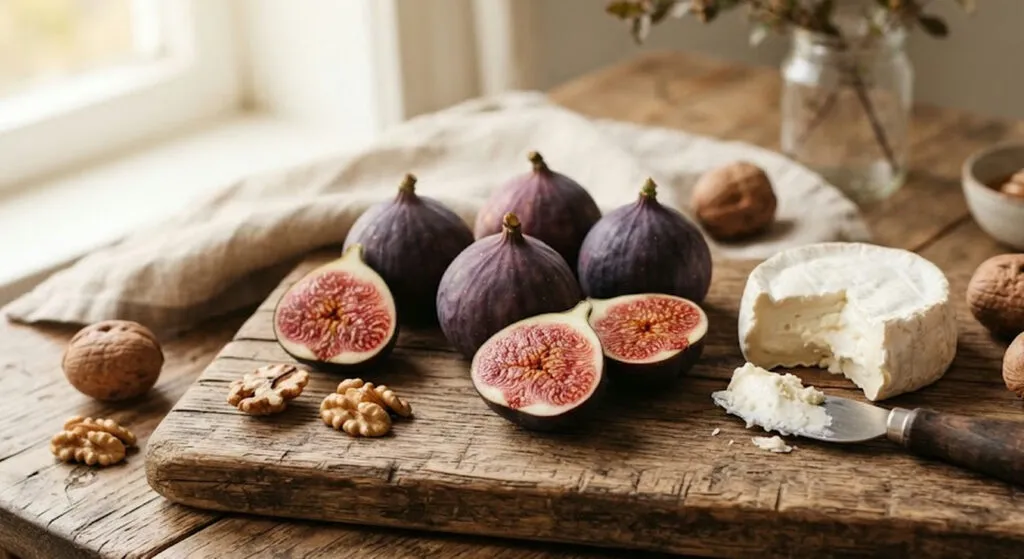
This year the season started as early as August because of the heat. From breakfast to pizza - everywhere a...
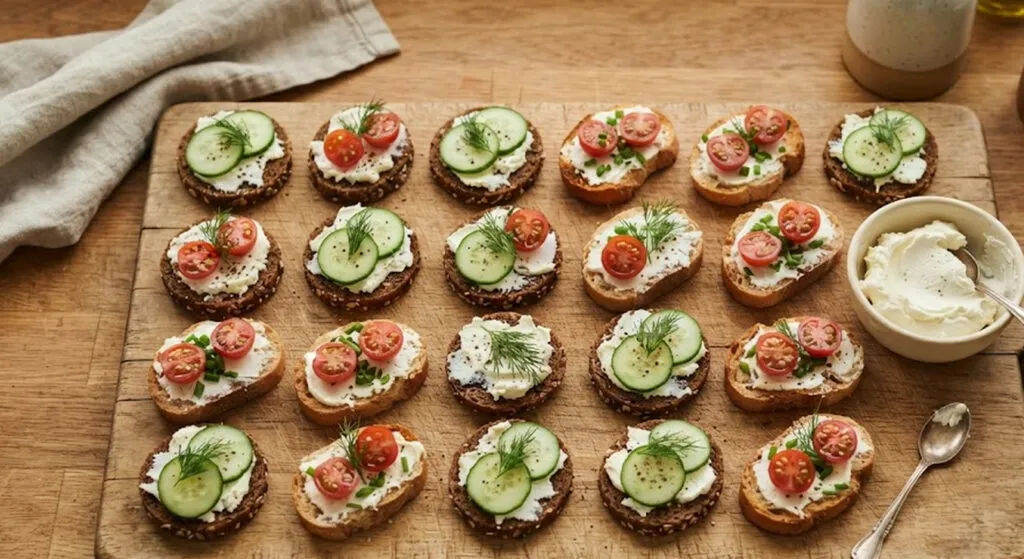
The recipe is not hard, the temperature is wrong. Ten cream cheese canapés and the two rules without which none...

The image of boiled chicken breast is wrong. The indulgence is planned, not broken.
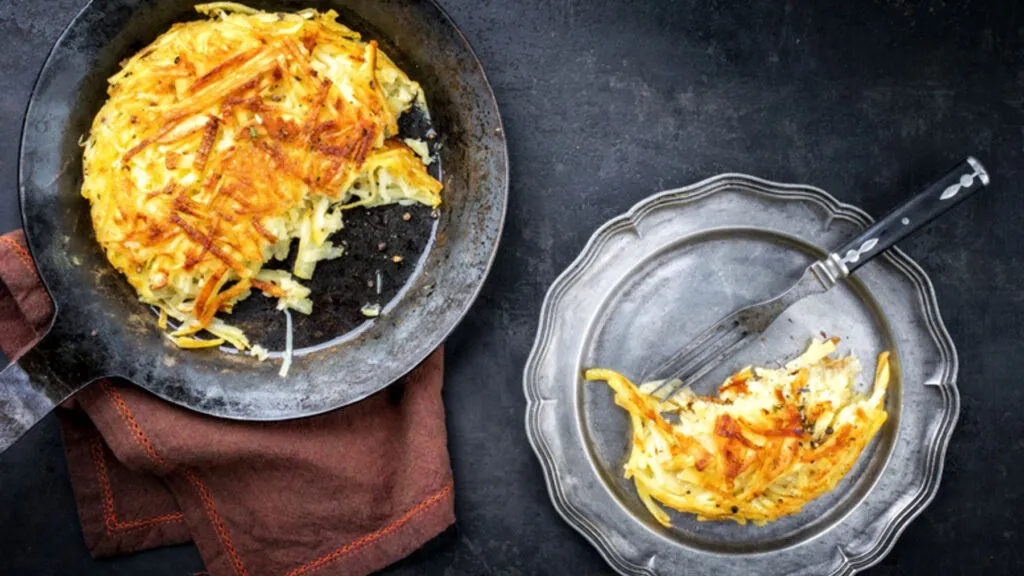
Starch is the natural binder, but only if the water comes out first. Nine versions from Swiss rösti to a...
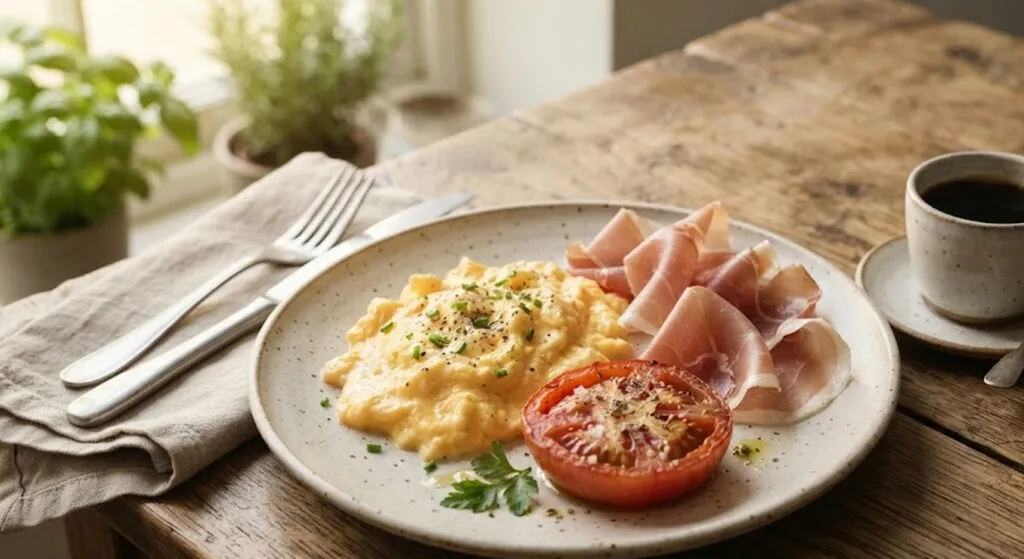
Not one powder, not one supplement, not one name with an English label. Tomato, ham, coffee and an egg -...
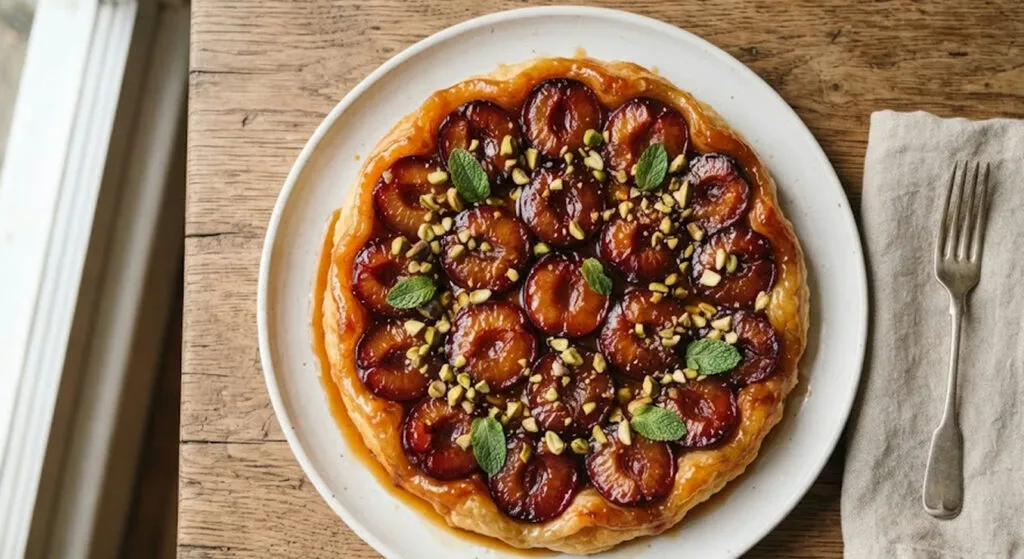
Six to eight minutes on medium-low heat decide whether the pastry bakes or boils. That is nowhere written in capital...
This site uses cookies - is that okay? Learn more
Be the first to know when Metla launches something new
Leave your email and we will write when there is a new guide or something new on Metla.
