
Prime suspect in the Dukjandžik killing arrested in Kosovo - the hunt for the second goes on
26.09.2026


26.09.2026

26.09.2026

26.09.2026

26.09.2026

26.09.2026

26.09.2026

26.09.2026

25.09.2026

24.09.2026

26.09.2026

26.09.2026

25.09.2026

26.09.2026
26.09.2026

26.09.2026

26.09.2026

25.09.2026

24.09.2026

26.09.2026

26.09.2026

25.09.2026

26.09.2026

26.09.2026

26.09.2026

09.03.2026

27.02.2026

19.02.2026

26.09.2026

25.09.2026

24.09.2026

23.04.2026

23.04.2026

12.04.2026

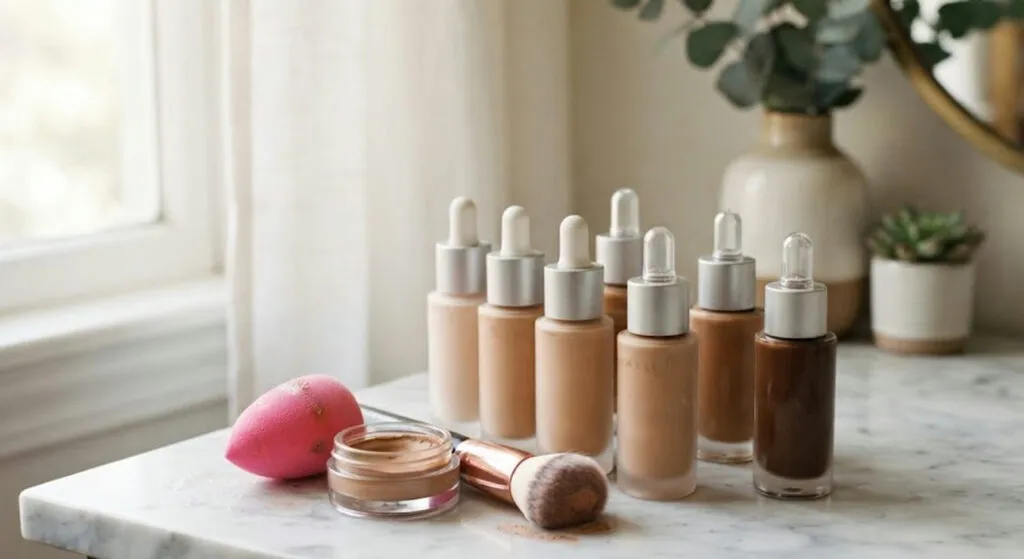
Summer's over, the tan is fading, and hands reach for a foundation one shade darker. It looks like a quick fix for "a bit more summer on the face". Make-up artists agree it's a mistake - and one you can spot at first glance.
"One of the common mistakes when choosing a foundation is going for a darker shade just to look a little more tanned," says M. Ángeles Calvo, a colorimetry expert and make-up artist to Spanish designer and TV personality Vicky Martín Berrocal. Paola Sánchez, a professional make-up artist and image consultant, is even more direct: "The solution isn't in the foundation, it's in what you apply afterwards. If we choose a foundation darker than our real skin, the make-up loses its naturalness and it shows."
Where does it show? On the neck. "It's really important for the skin to look even, without patches or visible lines, and for there never to be a jump in colour between the face and the neck," Sánchez explains. The mask that ends at the jawline is probably the best-known make-up mistake of all, and the industry has spent years selling a "tan effect" in a bottle - without mentioning that a tan isn't made with foundation.
What they recommend instead
Test foundation on the jawline, not on your hand, and check the shade in daylight. To warm up the face, use a cream bronzer and cream blush on the cheekbones and nose, with highlighter on the highest points of the face. Blend all cream products with a damp sponge. A tip worth money: keep two shades of foundation, one for summer and one for winter, instead of one that pretends to be a tan all year round.
The order of application, according to the experts, is: foundation, concealer, cream contour, bronzer and blush, then translucent powder, powder bronzer, powder blush, highlighter and finally setting spray. It sounds like a long list, but the logic is simple - the base stays your own colour, and everything that's "tan" goes on top, where you can control it.
The latest 10 news from this category

After six years the Belgian designer leaves for Maison Margiela, signing off with a collection where nothing is what it...
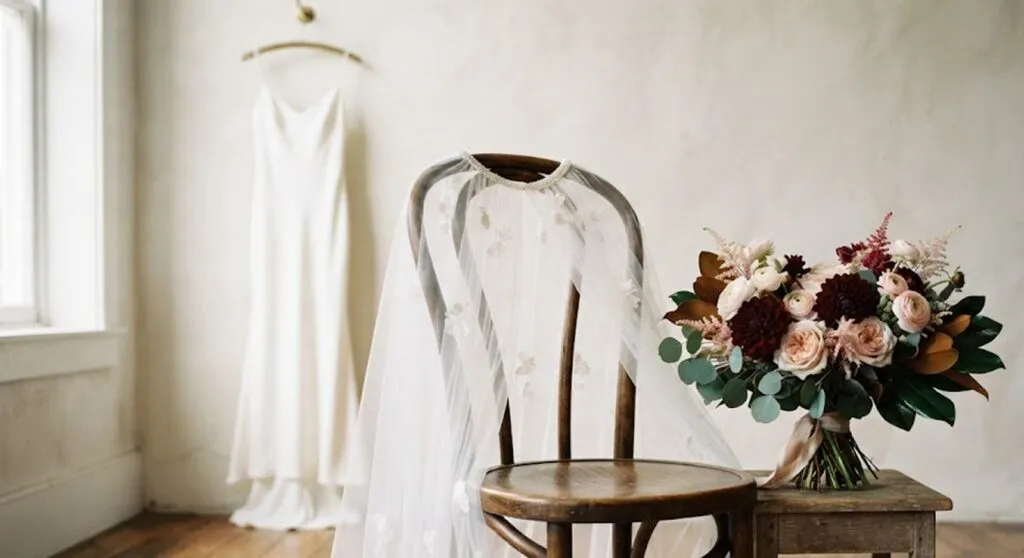
Silk crêpe from a bridal atelier with four decades behind it, a waltz and guests from the Spanish aristocracy. The...

An industry that sells something new every season, and one of its biggest fashion houses came out with one garment...

For years we were scared off with blue light. Now even skincare experts say eight hours in front of a...

An engagement announced just five months before the wedding, a banquet packed with royals and a bride without a crown....

Hermès started out making horse tack, and Longines has been timing racecourses since 1912. The equestrian trend isn't a story...

A higher percentage sounds better on the label, but experts say that's exactly where the mistakes begin. Two or three...

Grandma collected wedding dresses in her shop in Granada, and after her death her granddaughter found the one she would...
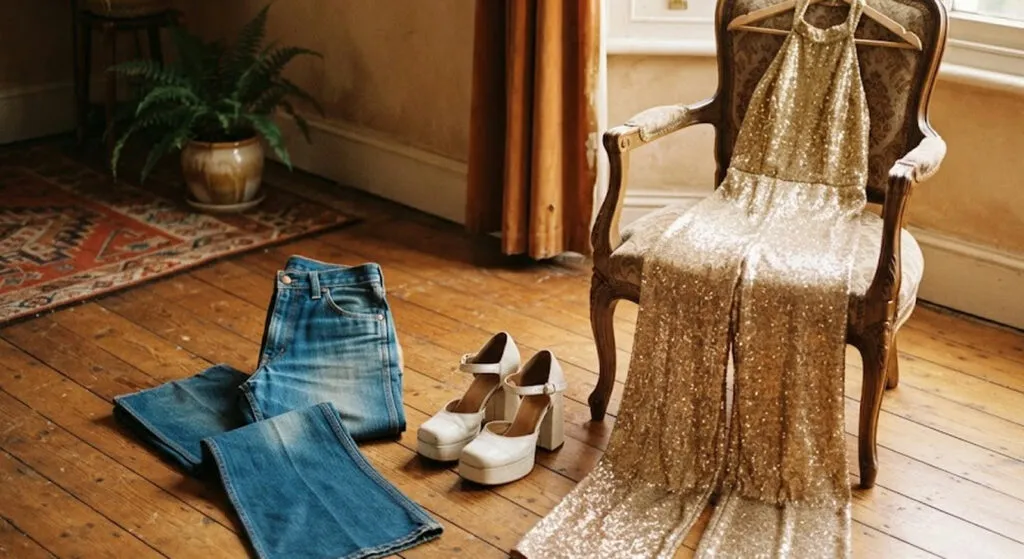
The costume work was done under deadline and budget pressure, and fifty years on it is resold as a fashion...
It works on any length and any hair type, and after forty it softens the lines on the forehead. An...
This site uses cookies - is that okay? Learn more
Be the first to know when Metla launches something new
Leave your email and we will write when there is a new guide or something new on Metla.