
Prime suspect in the Dukjandžik killing arrested in Kosovo - the hunt for the second goes on
26.09.2026


26.09.2026

26.09.2026

26.09.2026

26.09.2026

26.09.2026

26.09.2026

26.09.2026

25.09.2026

24.09.2026

26.09.2026
26.09.2026

25.09.2026

26.09.2026

26.09.2026

26.09.2026

26.09.2026

25.09.2026

24.09.2026

26.09.2026

26.09.2026

25.09.2026

26.09.2026

26.09.2026

26.09.2026

09.03.2026

27.02.2026

19.02.2026

26.09.2026

25.09.2026

24.09.2026

23.04.2026

23.04.2026

12.04.2026

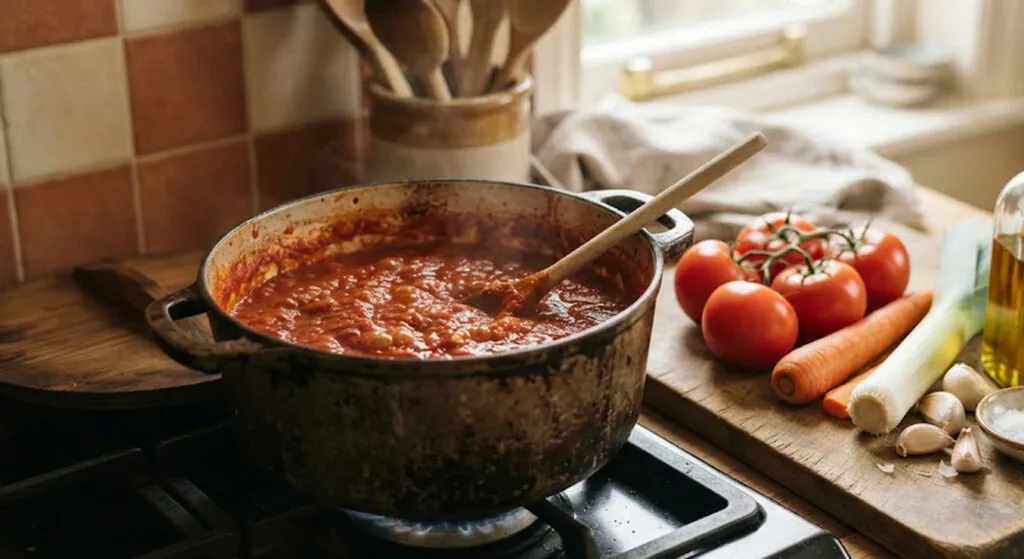
Autumn in the Balkans smells of roasted peppers and of jars lining up on balconies. Putting up preserves for winter is almost a ritual here, and yet in many kitchens the tomato sauce for pasta comes from a shop, in a jar with a label full of words that are hard to pronounce. There's no secret ingredient that sets them apart. Homemade sauce just needs time: 45 to 60 minutes on a low heat and zero rushing.
When you make the sauce yourself, you decide what goes into it. Shop-bought versions often contain additives and preservatives. At home, sugar is just a pinch to tame the acidity - or none at all - and salt and oil go in to taste. The sauce works for vegans, vegetarians, people with coeliac disease and lactose intolerance, and for children too, and it goes with pasta, rice, stews, roast meat and vegetables.
The tomato decides
Ripe, good-quality tomatoes make the biggest difference. Fresh ones need longer cooking because they hold more water. Peeled tinned tomatoes are practical all year round, and chopped tinned tomatoes are the quickest, but check the label for added sugar or thickeners. Chef Martín Berasategui has one more trick: once the vegetables have been sautéed, add a splash of white wine, let it evaporate, and only then add the tomatoes.
You'll need: 6 vine tomatoes, 2 cloves of garlic, 1 spring onion, 2 carrots, 1 leek, a pinch of salt, a pinch of sugar, extra virgin olive oil.
Method: Finely chop the garlic and spring onion, and the leek the same way. Dice the carrots, and cut the washed tomatoes into pieces, removing the stalks. Heat olive oil in a pan, sauté the garlic, then add the onion, followed by the leek, carrots and tomatoes. Salt as soon as the tomatoes go in. Let everything fry for a few minutes, cover and simmer on a low to medium heat for 45 to 60 minutes. The long cooking concentrates the flavours, evaporates the water and gives the sauce its proper thickness. At the end, uncover, blend and pass through a fine sieve for a smooth texture. Taste: if it's too sharp, a pinch of sugar sorts it out.
That's it. No magic, just the patience you won't find on any label. One big pot today means several evenings of pasta without a shop-bought jar. Will this sauce end up on the shelf next to the ajvar too?
The latest 10 news from this category
The scandal lasted less than a decade; the cake has survived more than a century. The step that makes it...
The five dishes of Chuseok take days of work, and fewer and fewer people have the time. Why slowness is...
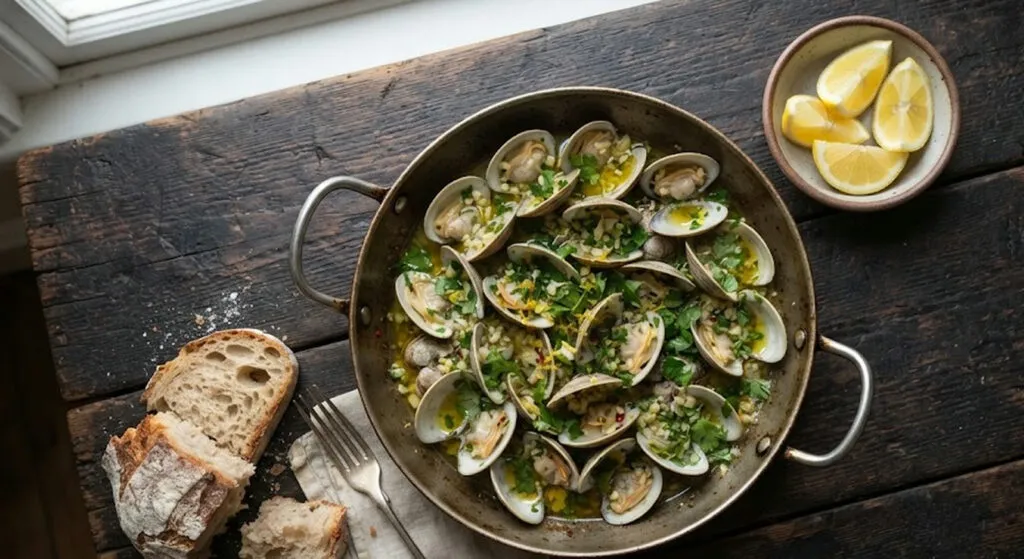
Five ingredients, fifteen minutes of cooking and the name of a nineteenth-century poet. Skip the soaking and you get a...
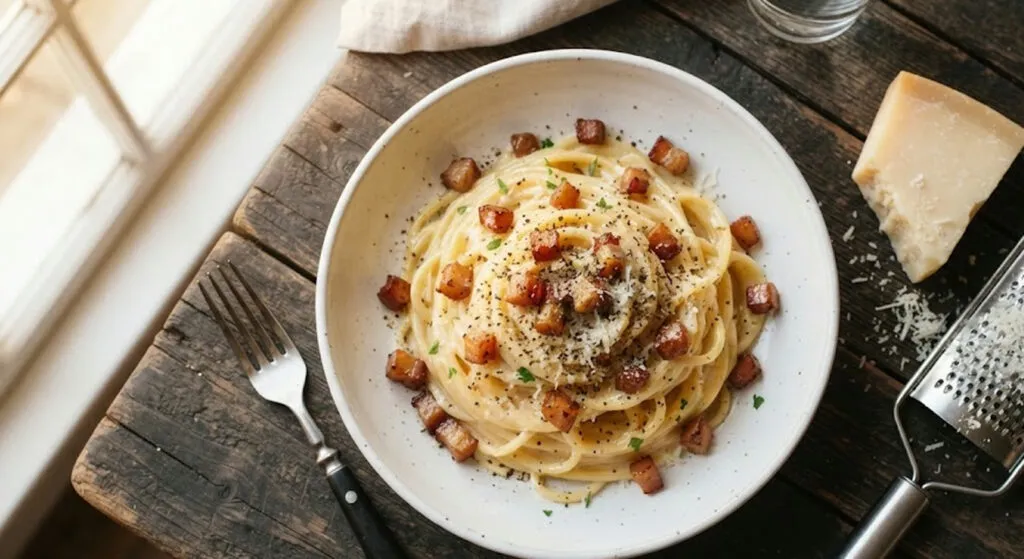
Cream in carbonara is an invention that took hold outside Rome. If the pan is hot when the eggs go...
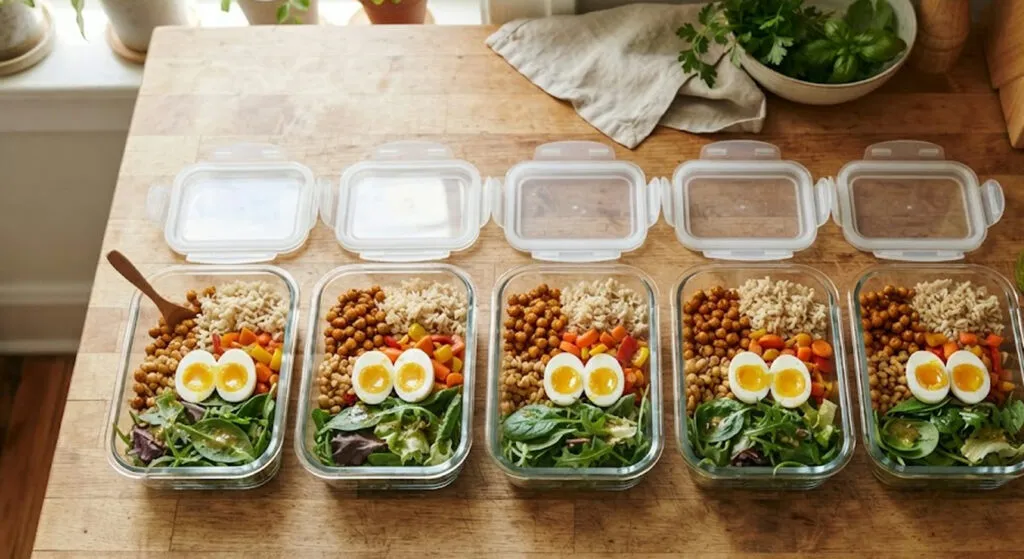
Components separately, or full boxes ready to reheat. One gives you variety, the other speed, and blanching your vegetables before...
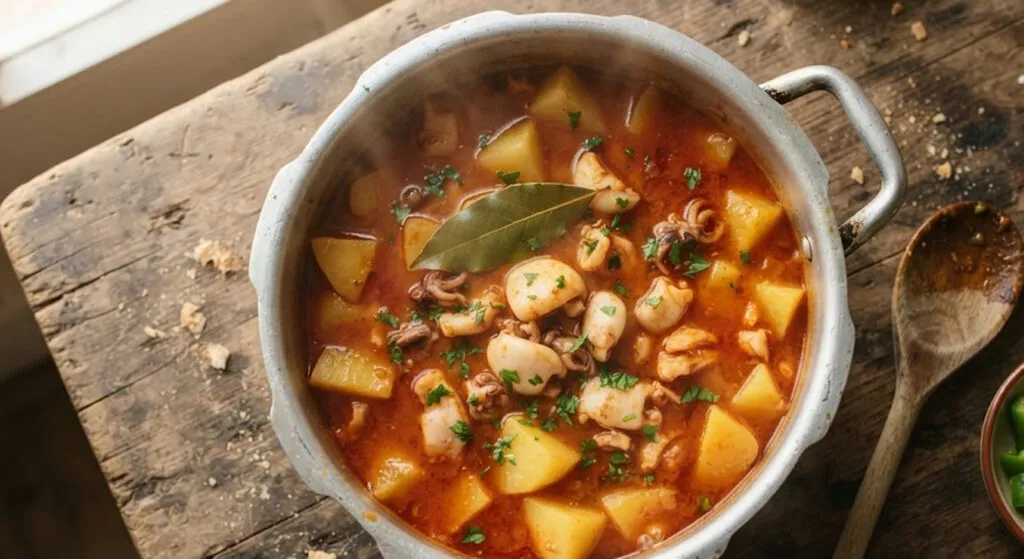
The cuttlefish goes in before the potatoes - the other way round and you get potato in water with pieces...
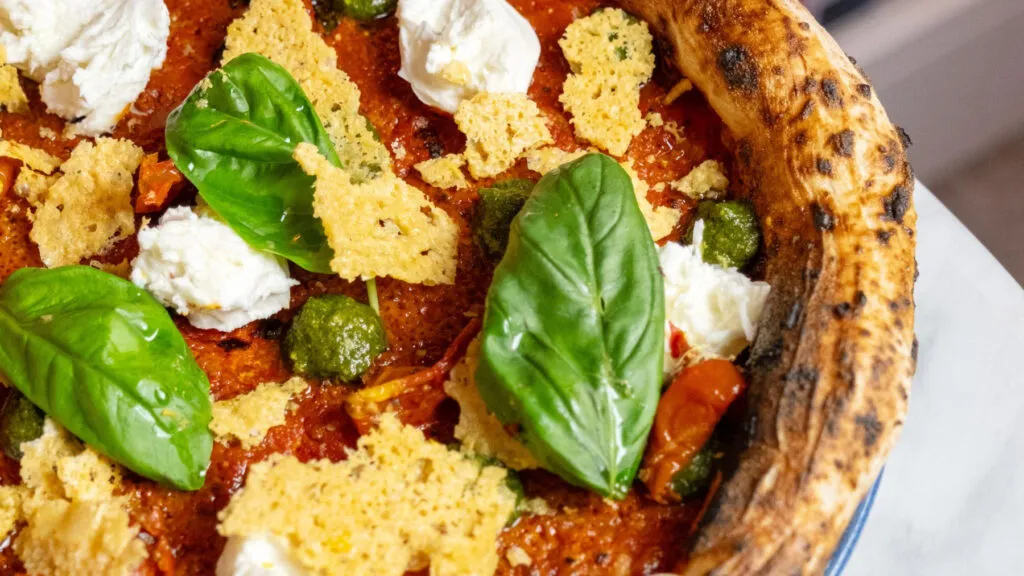
An Italian guide, a gala in Naples, first place for a London restaurant. Spain gets six entries - but only...
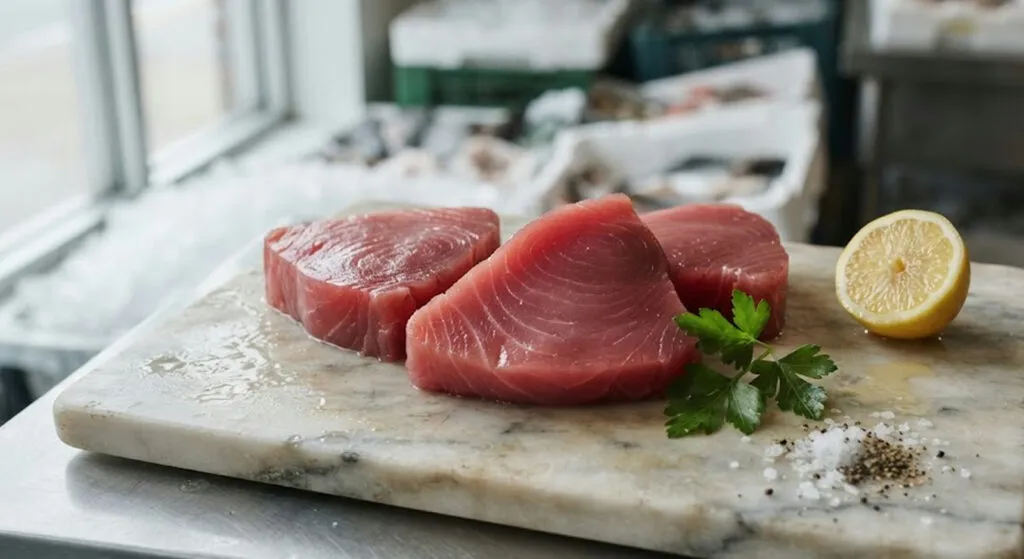
It is caught with hook and line, not with nets, and you can taste that on the plate. The three...
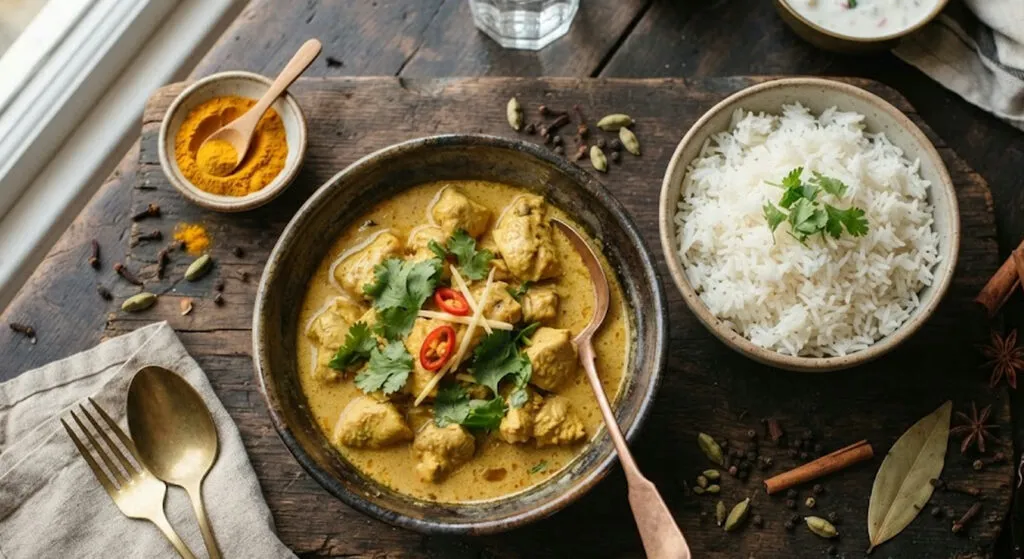
Home-made chicken curry fails at the same point for everyone. The difference is made by one step that has nothing...
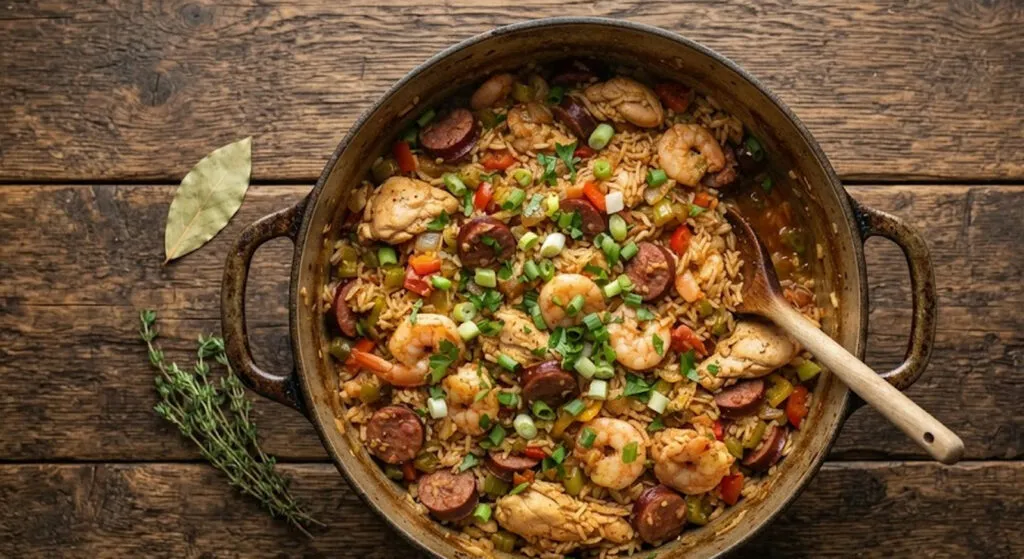
Jose Andres has lived in America for over thirty years, and when asked for his favourite American dish he named...
This site uses cookies - is that okay? Learn more
Be the first to know when Metla launches something new
Leave your email and we will write when there is a new guide or something new on Metla.