
Prime suspect in the Dukjandžik killing arrested in Kosovo - the hunt for the second goes on
26.09.2026


26.09.2026
26.09.2026

26.09.2026

26.09.2026
26.09.2026

26.09.2026

26.09.2026

25.09.2026

24.09.2026
26.09.2026

26.09.2026

25.09.2026

26.09.2026

26.09.2026

26.09.2026

26.09.2026

25.09.2026

24.09.2026
26.09.2026

26.09.2026

25.09.2026

26.09.2026

26.09.2026

26.09.2026

09.03.2026

27.02.2026

19.02.2026

26.09.2026

25.09.2026

24.09.2026

23.04.2026

23.04.2026

12.04.2026

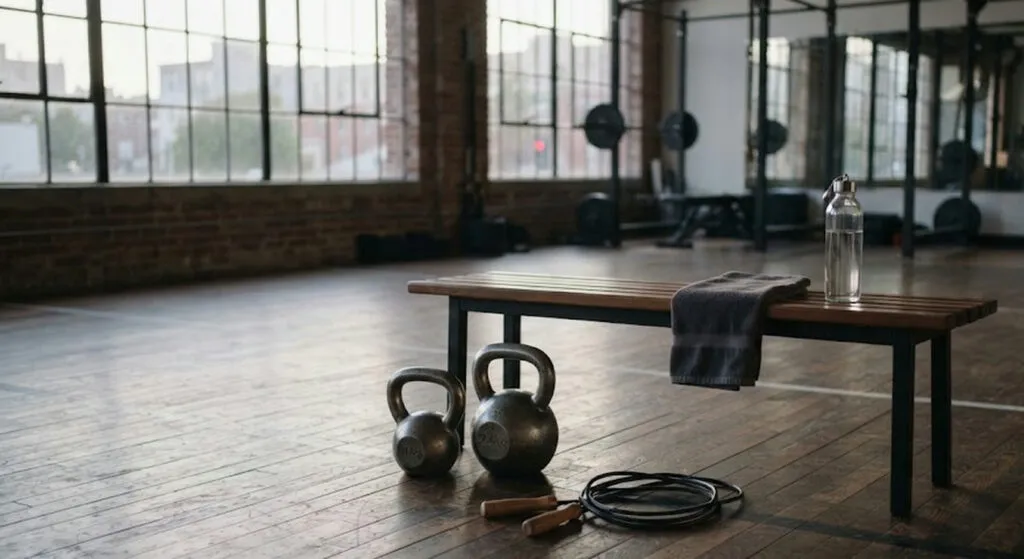
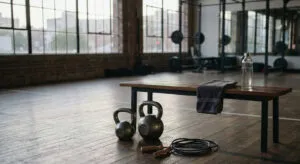
HIIT is fitness's answer to the times we live in: you don't have time, so you train short and all-out. High-intensity intervals, where short bursts of maximum effort alternate with short breaks, genuinely work. Better cardiovascular fitness, higher energy expenditure even after the workout (so-called EPOC), fat loss without losing muscle - Jorge Lobo, founder and director of Piko Studios, confirms all of it. The problem isn't the tool. The problem is that we use it as if it had no upper limit.
"HIIT is a very effective tool for improving cardiovascular capacity, in some cases insulin sensitivity, and physical fitness, but it has to be adapted to each person's level and situation," explains Salena Sainz, a pharmacist, dietitian-nutritionist and nutrition coach. Then she adds the sentence that should hang in every gym: "More intensity doesn't necessarily mean more health."
The body sends signals - you just have to listen
According to Sainz, the trouble starts when three things come together: a lot of intensity, little recovery and too little energy from food. That combination can disrupt the hypothalamic-pituitary-ovarian axis. The first sign is often menstrual disruption, but the list is long: worse sleep, constant fatigue, irritability, falling performance, slower recovery, frequent injuries, feeling cold, changes in libido and in hunger and fullness cues. Sainz says it's more accurate to talk about low energy availability due to overload and insufficient rest than about some vague "stressed hormonal system".
That's where food comes in. The expert recommends a nutrient-rich diet with enough protein, carbohydrates and fats, as well as iron, calcium and vitamin D. In other words, you can't train like an athlete and eat like you're on an eternal diet.
Body fat percentage is not a trophy
Sainz gives an example many will recognise: a woman who has just given birth, with small children and little sleep, training five or six times a week and chasing a very low body fat percentage. "It might be aesthetic, it might be fashion, but if we think about how a female body will function well and healthily, those percentages aren't reasonable," she warns. A long-term energy deficit can reduce the signals linked to oestrogen and progesterone, affect the thyroid hormone T3 and leptin, and in some cases compromise reproductive function, up to an irregular cycle or periods stopping altogether.
Cortisol is a separate story. Very intense training on top of little rest can keep it elevated for longer than necessary. That's why it matters not only what you do, but when, how hard and in what life situation. HIIT on its own doesn't cause a hormonal problem - it's about the dose and the body's ability to recover from it.
The group class as a competition
What worries Sainz most are high-intensity group classes. The same class brings together people with completely different fitness levels and experience, and keeping up with the fittest person in the room leads to poor technique and injuries. How many times have you chased the pace of someone in the front row just so you wouldn't fall behind? That's why she wants the load, the impact, the length of the intervals and the breaks tailored to the individual, and she asks a question hardly anyone asks themselves: "How much time passes between one HIIT session and the next?" Rest, she says, is part of training. Daniel Galindo, a trainer and director at the VivaGym chain, agrees that exercise should be seen as a whole, not as a competition over who can clock up the most sessions.
The solution isn't dramatic. Strength, moderate cardio, and the highest intensity only when your situation allows it. "In sensible doses, with enough recovery. For me, that's the key," says Sainz. The goal isn't to train more every day, but to preserve your muscles and bones without losing your peace of mind. The fitness industry sells "one more round", while the body actually progresses in the pause between rounds.
The latest 10 news from this category

Six tomatoes, two carrots, a leek, garlic and patience. The recipe is simple, and the only secret is the time...

There's even a term for it - leisure guilt. When we measure our worth in completed tasks, every empty afternoon...
The scandal lasted less than a decade; the cake has survived more than a century. The step that makes it...
An expert says Presley Gerber's death cannot be linked to ibogaine. But the substance he tried carries a risk that...
The five dishes of Chuseok take days of work, and fewer and fewer people have the time. Why slowness is...

Sleep, hormones, metabolism and concentration all depend on a single signal that arrives through the eyes. No capsule, no subscription...

Five ingredients, fifteen minutes of cooking and the name of a nineteenth-century poet. Skip the soaking and you get a...

The sleep industry sells mattresses, lamps and trackers. The psychologist said for free what none of them will tell you.

Cream in carbonara is an invention that took hold outside Rome. If the pan is hot when the eggs go...

He is confident while being praised. When somebody else gets the credit, he goes defensive, gets angry, or belittles them....
This site uses cookies - is that okay? Learn more
Be the first to know when Metla launches something new
Leave your email and we will write when there is a new guide or something new on Metla.