

Prime suspect in the Dukjandžik killing arrested in Kosovo - the hunt for the second goes on
26.09.2026


26.09.2026

26.09.2026

26.09.2026

26.09.2026

26.09.2026

26.09.2026

26.09.2026

25.09.2026

24.09.2026

26.09.2026

26.09.2026

25.09.2026

26.09.2026

26.09.2026
26.09.2026

26.09.2026

25.09.2026
24.09.2026

26.09.2026
26.09.2026

25.09.2026

26.09.2026

26.09.2026

26.09.2026

09.03.2026

27.02.2026

19.02.2026

26.09.2026

25.09.2026

24.09.2026

23.04.2026

23.04.2026

12.04.2026

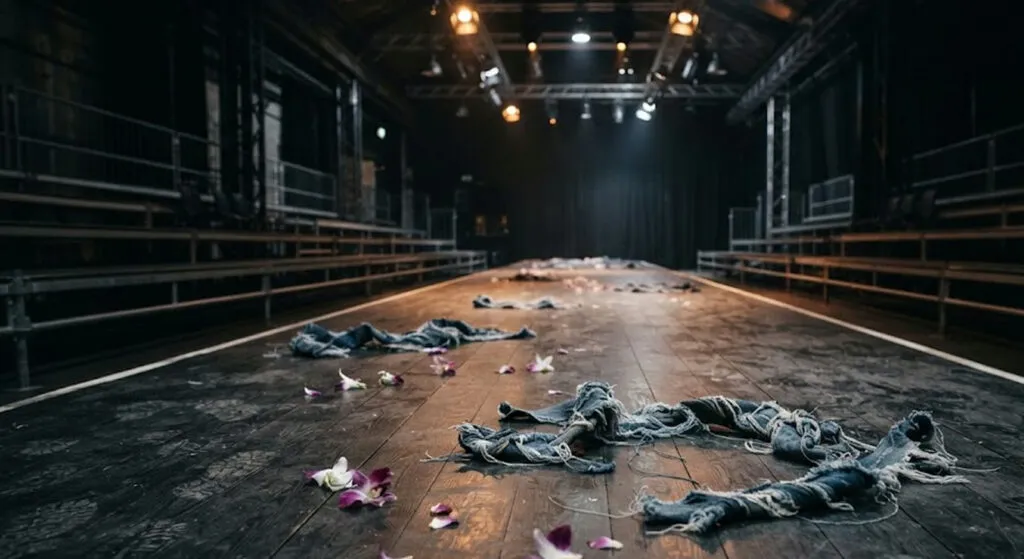
Some goodbyes call for silence. Glenn Martens chose the opposite - music at full blast. His final show for Diesel, held in Milan during Fashion Week, was the spring-summer 2027 collection and at the same time a summary of six years in which the Belgian designer turned the brand into one of the most recognisable signatures in contemporary fashion.
Once again, Martens took clothes apart in order to put them back together. Denim, the foundation of Diesel, was treated and manipulated until it started to look like leather. The pieces seemed to be playing with each other: a T-shirt turned into a dress, a bra or a bandeau, a shirt took on the look of a coat, and jackets and trousers came down the runway unpicked, twisted and partly torn open.
There was room for romance too. Orchid motifs, cut out and appliquéd onto knitted jumpers and polo shirts, sheer fabrics, flowers and pieces resembling lingerie stood shoulder to shoulder with classic jeans, blazers and skirts. Provocation, yes, but with a system - exactly what Martens became known for.
Martens is leaving Diesel to focus on Maison Margiela, a house known for the same approach to deconstructing clothes. For Diesel, this marks the end of an era in which a completely ordinary fabric became an almost endless territory for ideas. For the buyer, it means another season in which ripped jeans are art rather than a reason to take them to the tailor.
Fashion has always sold us illusion, and we know it. But jeans hold a special place in this region's memory: generations from the former Yugoslavia used to travel to Trieste to buy the real thing. The fabric that was once a symbol of freedom from across the border is today, on a Milan runway, a canvas for conceptual art. The question is how much of that art will ever reach an ordinary wardrobe - and at what price?
The latest 10 news from this category

When summer fades, plenty of people reach for a foundation one shade darker. Make-up artists say a tan is built...
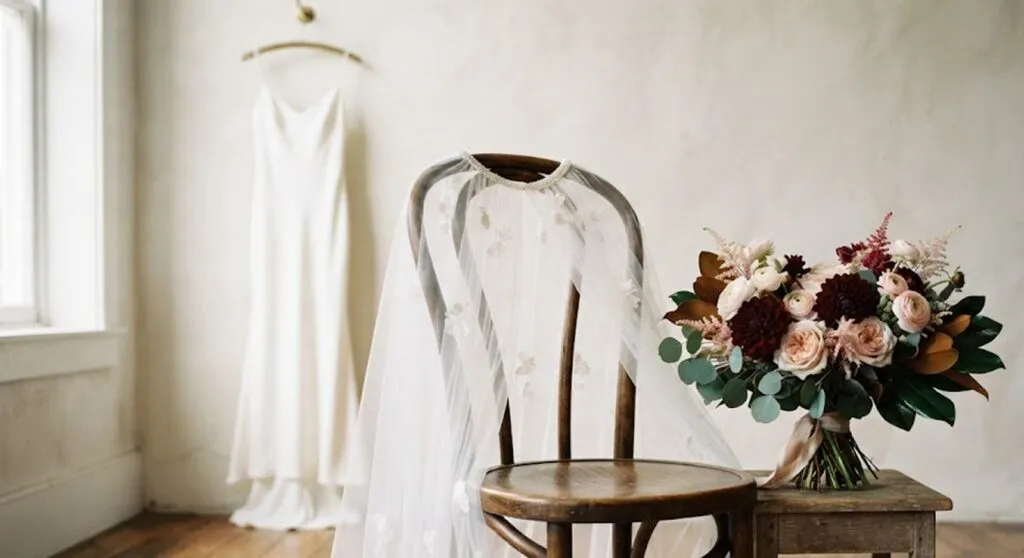
Silk crêpe from a bridal atelier with four decades behind it, a waltz and guests from the Spanish aristocracy. The...
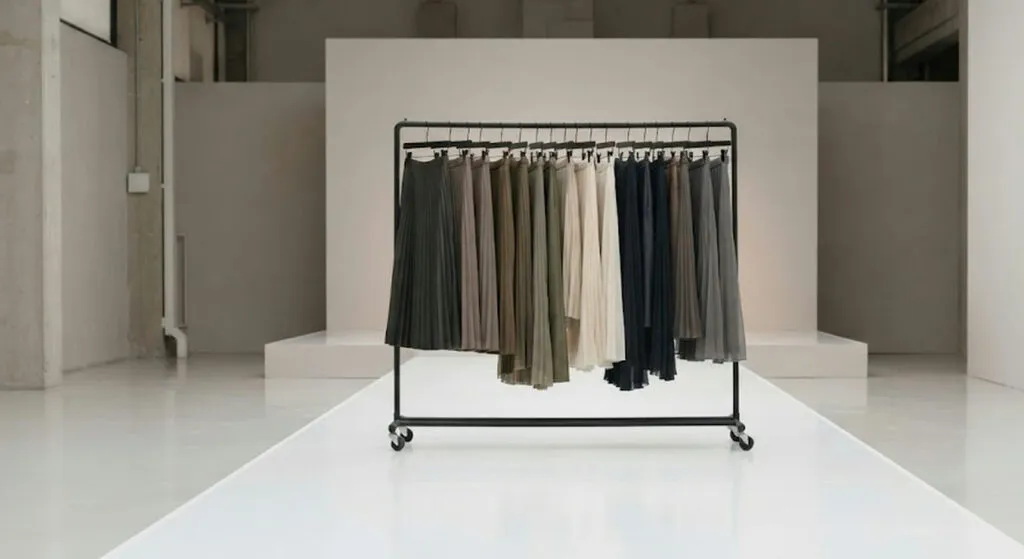
An industry that sells something new every season, and one of its biggest fashion houses came out with one garment...

For years we were scared off with blue light. Now even skincare experts say eight hours in front of a...
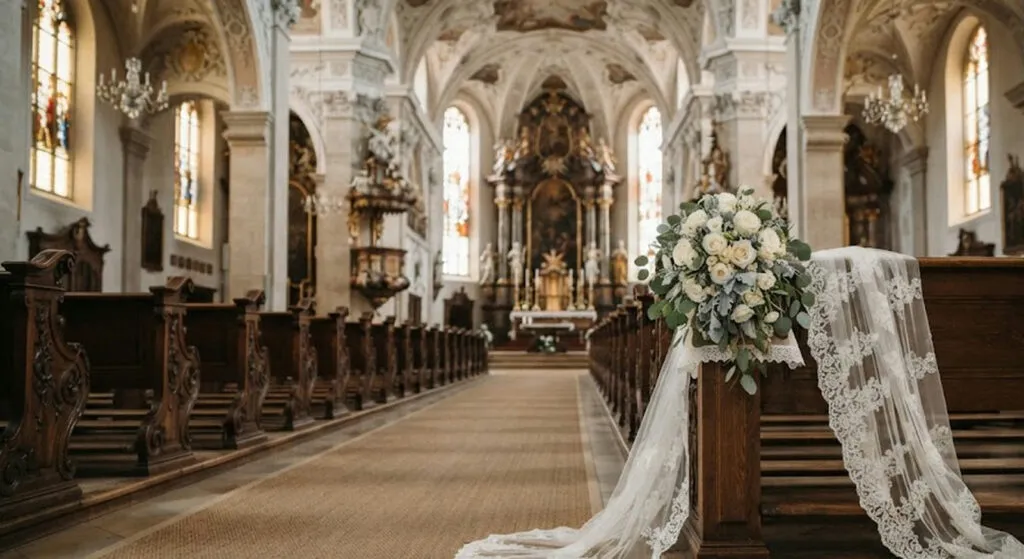
An engagement announced just five months before the wedding, a banquet packed with royals and a bride without a crown....
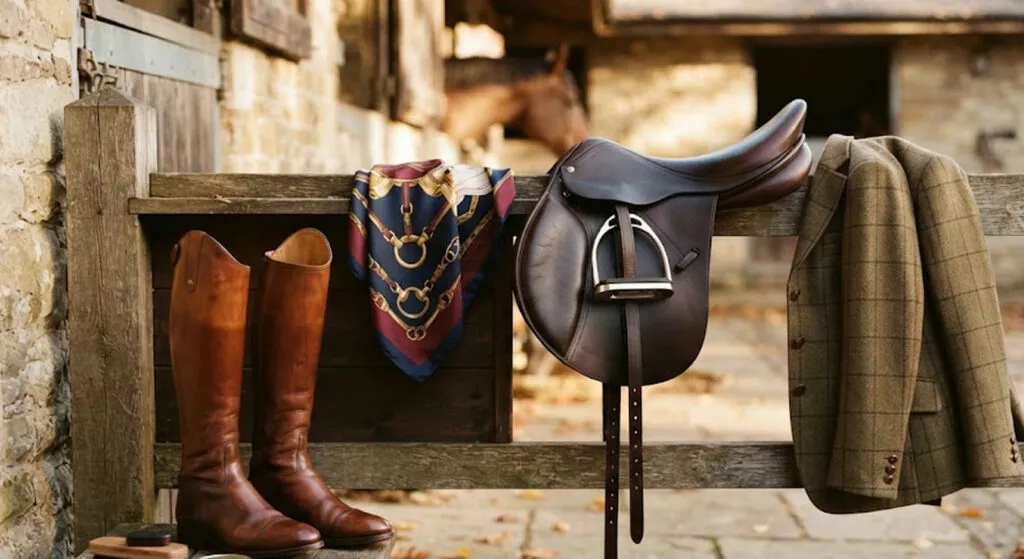
Hermès started out making horse tack, and Longines has been timing racecourses since 1912. The equestrian trend isn't a story...

A higher percentage sounds better on the label, but experts say that's exactly where the mistakes begin. Two or three...

Grandma collected wedding dresses in her shop in Granada, and after her death her granddaughter found the one she would...
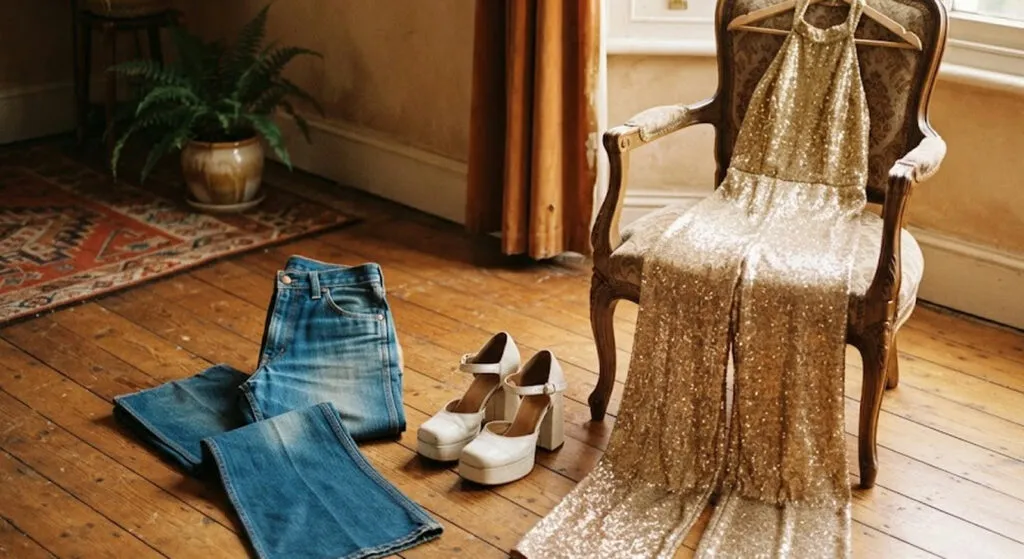
The costume work was done under deadline and budget pressure, and fifty years on it is resold as a fashion...

It works on any length and any hair type, and after forty it softens the lines on the forehead. An...
This site uses cookies - is that okay? Learn more
Be the first to know when Metla launches something new
Leave your email and we will write when there is a new guide or something new on Metla.
