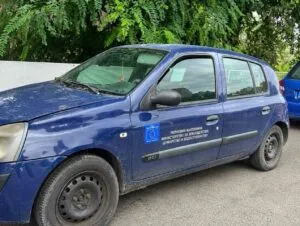
Food safety inspector detained in Skopje: a clean inspection report allegedly came with a price tag
25.09.2026


25.09.2026
25.09.2026
25.09.2026
25.09.2026
25.09.2026

25.09.2026
25.09.2026
24.09.2026
23.09.2026
25.09.2026
25.09.2026
24.09.2026
25.09.2026
25.09.2026
25.09.2026
25.09.2026
24.09.2026
23.09.2026
25.09.2026

25.09.2026
25.09.2026
25.09.2026

25.09.2026
24.09.2026

09.03.2026

27.02.2026

19.02.2026
25.09.2026
24.09.2026
23.09.2026

23.04.2026

23.04.2026

12.04.2026

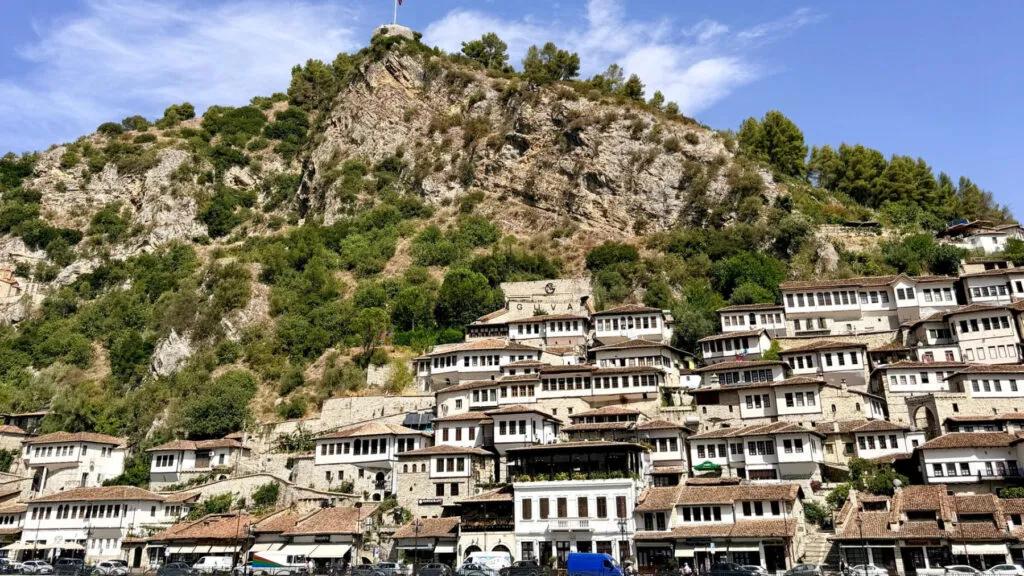
For a long time Albania sat outside the big tourist routes - and that's exactly why it feels like a discovery today. A country between the Adriatic and Ionian seas, with UNESCO-protected stone towns, Ottoman bazaars, bunkers turned into museums and beaches people compare to the Caribbean. For Macedonia it's a neighbour just a few hours' drive away. Here's a route from Tirana to Butrint that shows why it's worth stopping.
Tirana: a capital in transformation
Tirana is turning its past into a view of the future, and you see it at every step: colourful facades, art installations, new restaurants. Blloku explains it best - the district that under the communist regime was reserved for the political elite and is now the heart of city life, with cafes, boutiques, contemporary art galleries and bars where the night carries on. Near Skanderbeg Square and the Parliament stands the Namazgah Mosque, a monumental building that blends Ottoman tradition with contemporary elements, with a large dome and four minarets. Besides a prayer hall, it has a library and community spaces.
For more recent history, you have to go underground. Bunk'Art occupies one of the shelters built during the dictatorship, when Albania lived almost cut off from the world. Those spaces, along with the countless bunkers scattered across the country, are now a museum dedicated to art and historical memory. After that - to the table: fergese from Tirana, sweet peppers, tomatoes and local white cheese baked in a clay pot. Anyone from the Balkans will recognise a lot of these flavours.
Kruja: a bazaar on a rock
Not far from the capital, Kruja rises on a rocky massif above the Albanian plains. Its heart is the old Ottoman bazaar, with cobbled lanes and wooden shops selling hand-woven rugs, copperware, silver filigree jewellery and antiques. The climb leads to the medieval castle and the museum dedicated to Skanderbeg, the central figure of Albanian national history. From the terraces above the bazaar, on a clear day, the view reaches the Adriatic. You can also buy a ciftelia here - a traditional instrument with just two strings, the sound that defines the country.
Durres: an amphitheatre by the sea
In Durres the ancient past lives right next to the seafront promenade and the beaches. Its greatest treasure is the 2nd-century Roman amphitheatre, built under Emperor Trajan. The city is a good stop for a long lunch looking out to the horizon - grilled Adriatic fish, sea bass or sea bream, olive oil and seasonal vegetables.
Berat: the city of a thousand windows
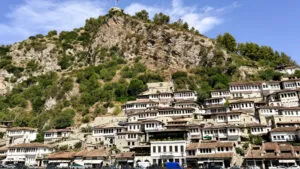
If Durres looks out to sea, Berat is made to be looked at from the other bank of the Osum river. The water splits it into the old quarters of Mangalem and Gorica, and the Ottoman houses climb the slope with white facades and large wooden windows - hence the nickname "the city of a thousand windows". Berat is UNESCO-protected and at its most beautiful at sunset, when the walls turn pink, violet and gold. Cobbled streets lead up to the fortified citadel, where people still live - among Byzantine churches and small houses. In the evening the taverns serve tave kosi: lamb, yoghurt, rice and egg, baked in a clay dish.
Gjirokaster: the city of stone
The road continues to Gjirokaster, built on the slopes of the Drino valley and also under UNESCO protection. The town looks as if it were built from a single material - stone. Roofs of stone slabs reflect the light above steep cobbled streets, and among them stand the old Ottoman tower houses that belonged to influential families in the 18th and 19th centuries. In the old bazaar, workshops still keep the crafts of textiles and stone alive. The local speciality is qifqi, little rice balls with mint, black pepper and egg.
The Blue Eye: a spring wrapped in legends
Between the mountains and the forests lies Syri i Kaltër, the Blue Eye. The spring bursts up from the depths and forms a huge natural pupil: intense blue in the middle, turquoise and green towards the edges. The force with which the water rises has given birth to legends about its depth and about attempts to explore it. Small wooden restaurants by the river serve petulla, fried dough with white cheese and wild honey - closer to our own mekici than you'd expect.
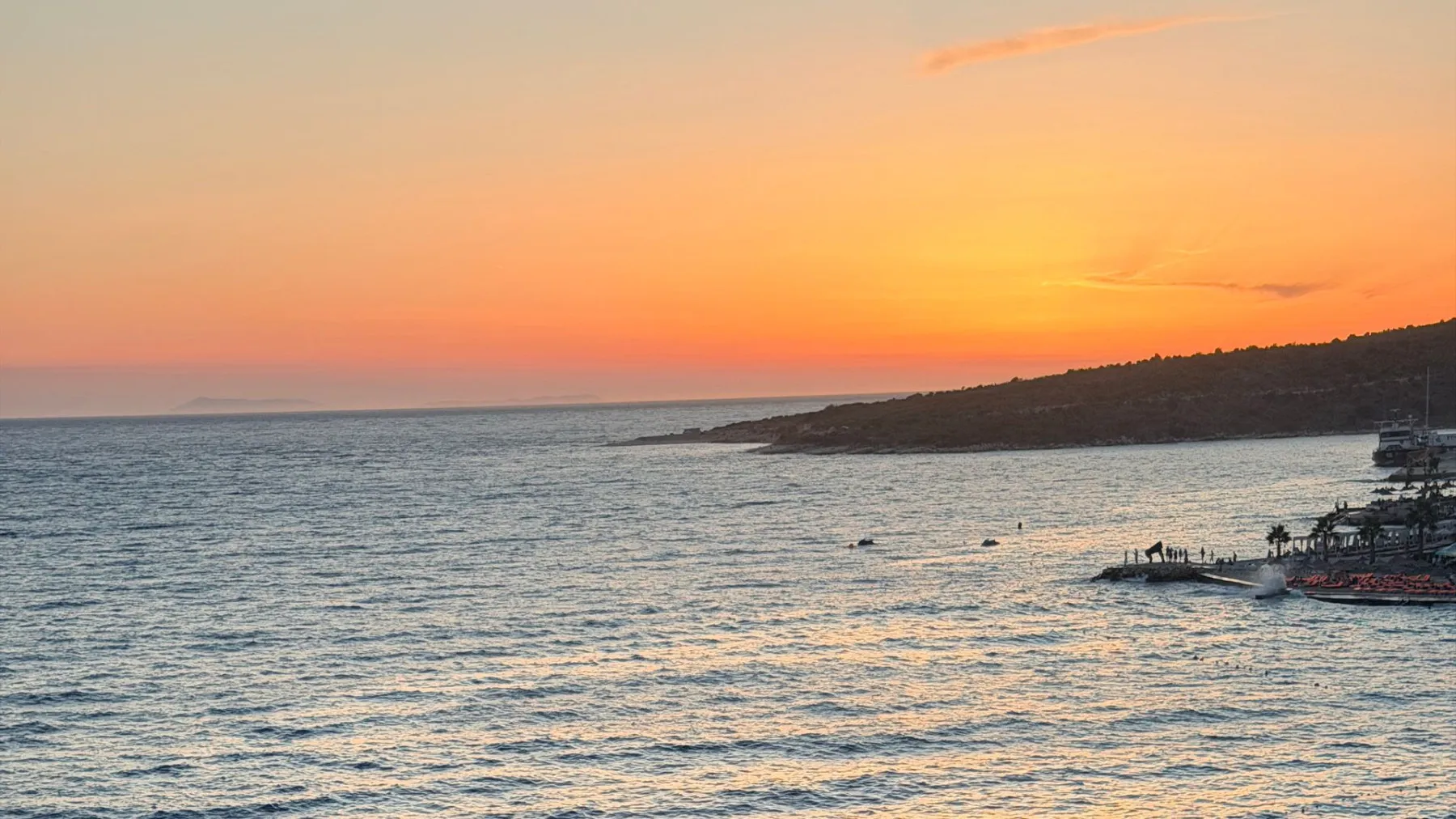
Saranda and Ksamil: a Mediterranean that looks like the Caribbean
When you reach the Ionian Sea, the scene changes completely. Saranda is the gateway to the Albanian Riviera, with a promenade, palm trees and restaurants right on the water. But Ksamil is where the landscape peaks: small coves with white sand, clear water and a few islets just off the shore, which is why people call it "the Albanian Caribbean". You reach the islets by boat or kayak, best at sunset. On the table: fried squid, grilled octopus and mussels farmed in the salt lagoon near Butrint.
Butrint: an ending among ruins and nature
A few minutes from Ksamil is Butrint National Park, also UNESCO-listed, with remains from the Hellenistic, Roman, Byzantine and Venetian periods. The Roman theatre, basilicas, walls and fortifications sit within a forest beside a salt lagoon, in the shade of eucalyptus and holm oaks. A perfect ending to a route that has shown every face of Albania. For dessert - trilece, sponge cake soaked in three kinds of milk with a caramel topping.
Albania doesn't win you over with big effects but with contrasts: a monumental mosque in a capital that keeps changing, a medieval fortress above a bazaar, ruins hidden among trees. Of all the people who drive through it every summer on the way to the Ionian Sea, how many have stopped in Berat even once?
The latest 10 news from this category
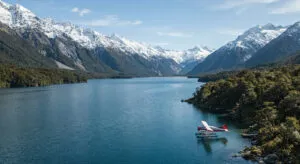
Brad Pitt fights to survive the Alaskan wilderness, while the camera stood in New Zealand the whole time. Where exactly...
UNESCO protected the tradition in 2023, and the song sung there is documented as far back as 1545 - it...
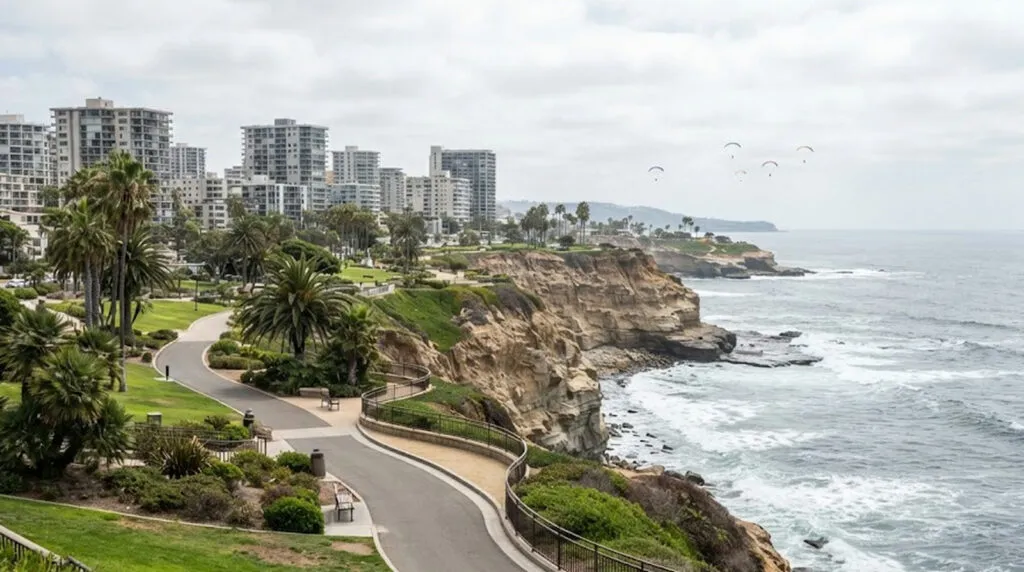
Miraflores sits on the edge of cliffs above the Pacific and has a fourth-century ceremonial centre in the middle of...
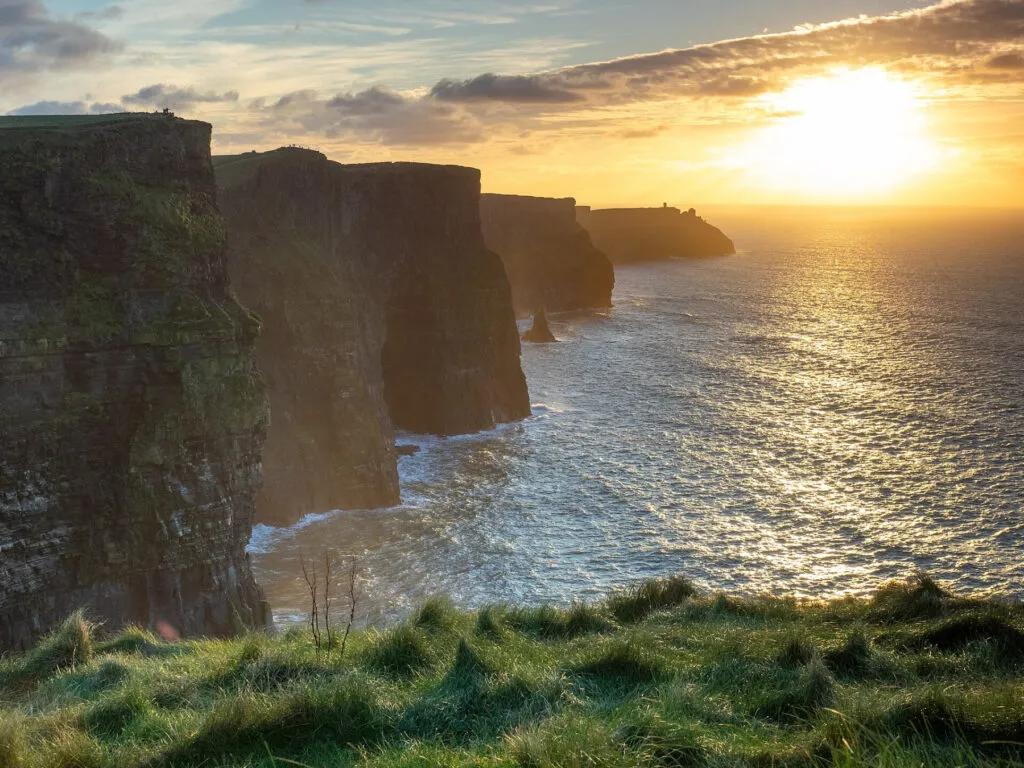
A castle with a banquet every night, a pub from 1620, a dolmen with an arrowhead still in a pelvis,...
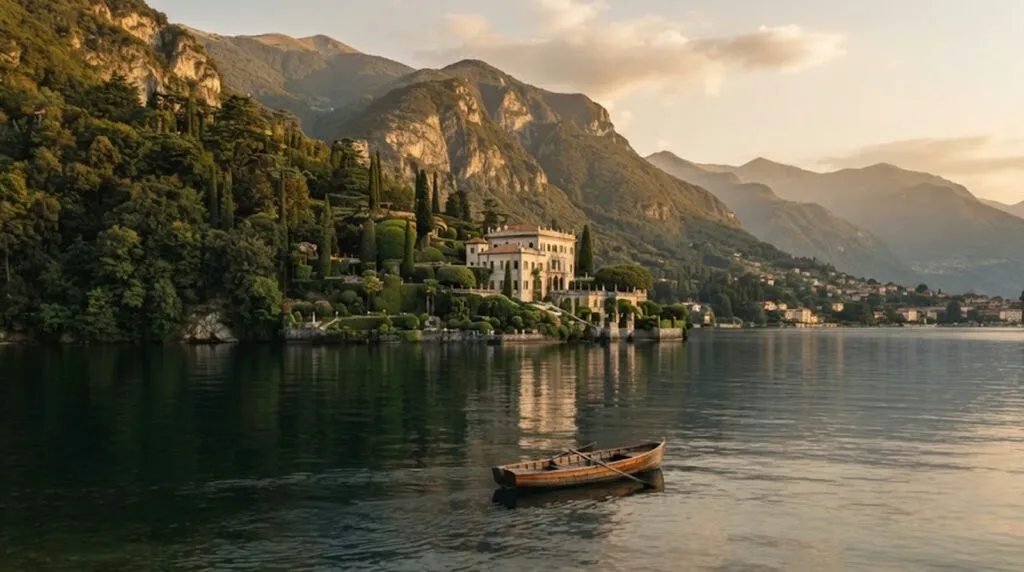
Tremezzo, Bellagio, Varenna and the villa where Star Wars and Casino Royale were filmed - all on the same line...
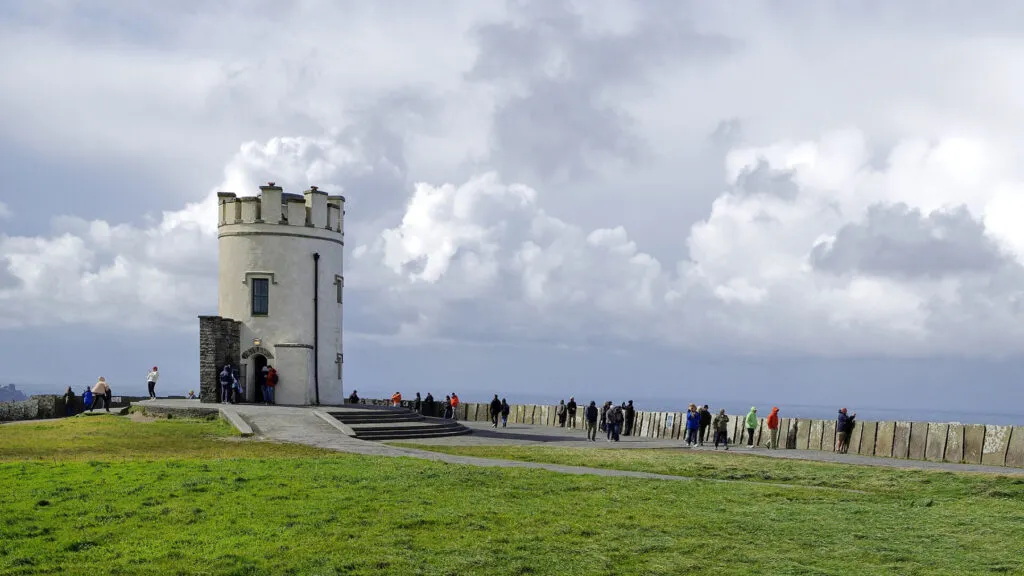
Every airport on the planet copies that model, and almost nobody knows where it started. Around it - cliffs 214...
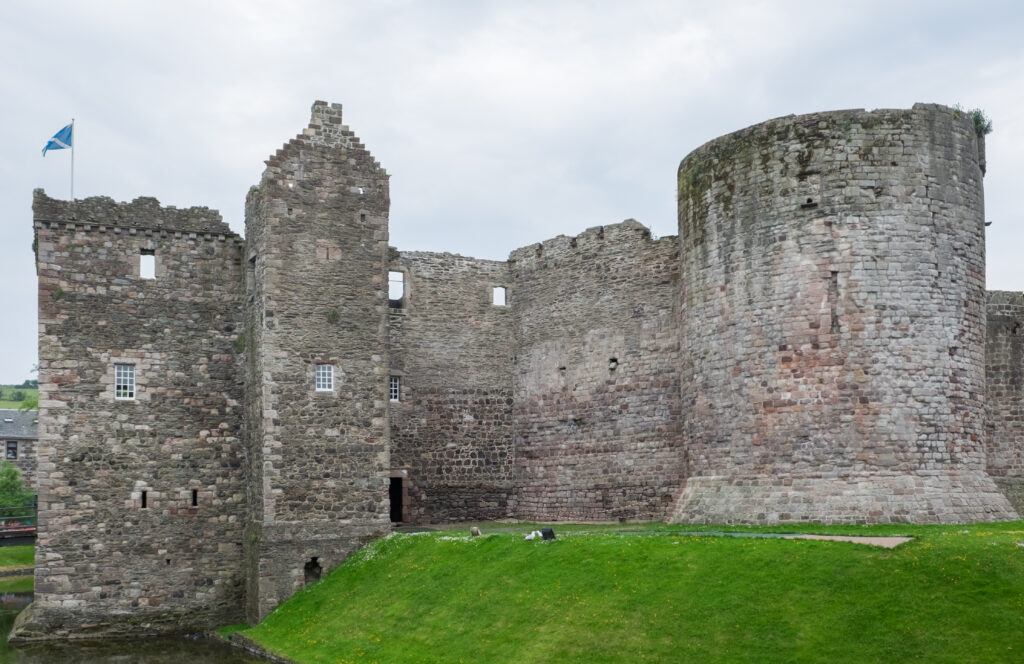
The royal couple walked yesterday into a pub the village bought back for itself. How many buildings like that sit...

Of twenty-five new inscriptions, five are natural - and only one is in Europe. For the richest of them, the...
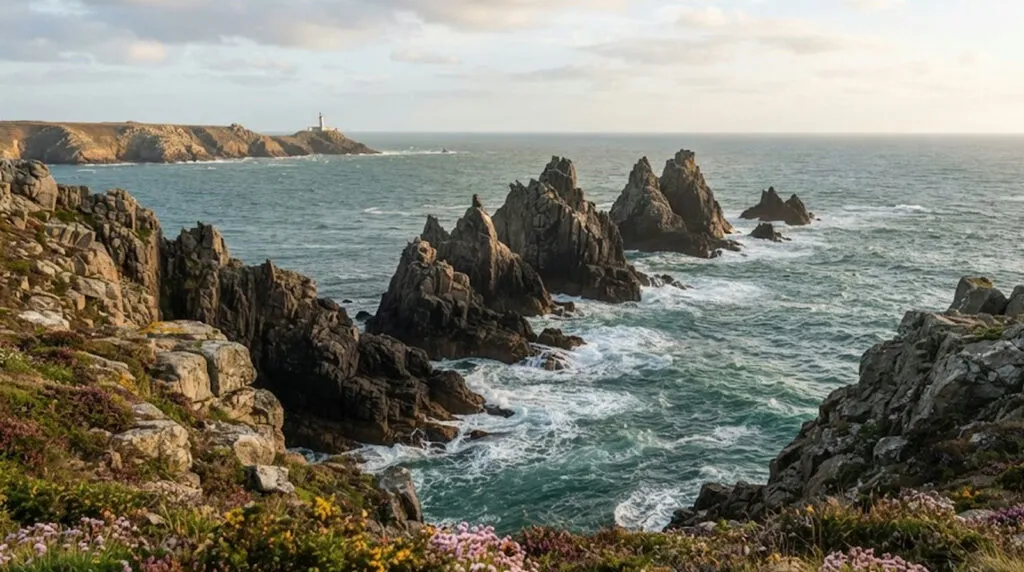
Fifty beaches, more than 120 villages and a trail France voted its favourite. Monet came for a few days and...
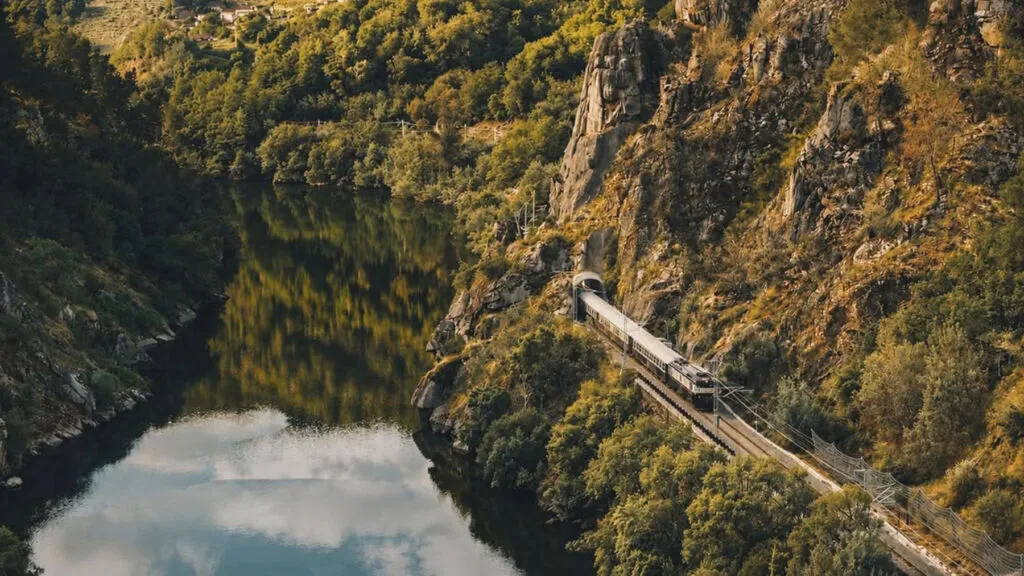
Restored carriages, a locomotive they call the Japanese Woman and a 28.95 euro return ticket. What it sells is not...
This site uses cookies - is that okay? Learn more
Be the first to know when Metla launches something new
Leave your email and we will write when there is a new guide or something new on Metla.