
Police officer from Drachevo drove without ever passing a driving test: Who checks the people who check everyone else?
18.10.2026


18.10.2026
18.10.2026
18.10.2026
18.10.2026
18.10.2026

18.10.2026
18.10.2026
18.10.2026
18.10.2026

18.10.2026

18.10.2026

17.10.2026

18.10.2026

18.10.2026

18.10.2026

18.10.2026

17.10.2026

16.10.2026
18.10.2026

18.10.2026

18.10.2026

18.10.2026
18.10.2026

18.10.2026
18.10.2026

18.10.2026

17.10.2026

17.10.2026

15.10.2026

13.10.2026

23.04.2026

23.04.2026

12.04.2026

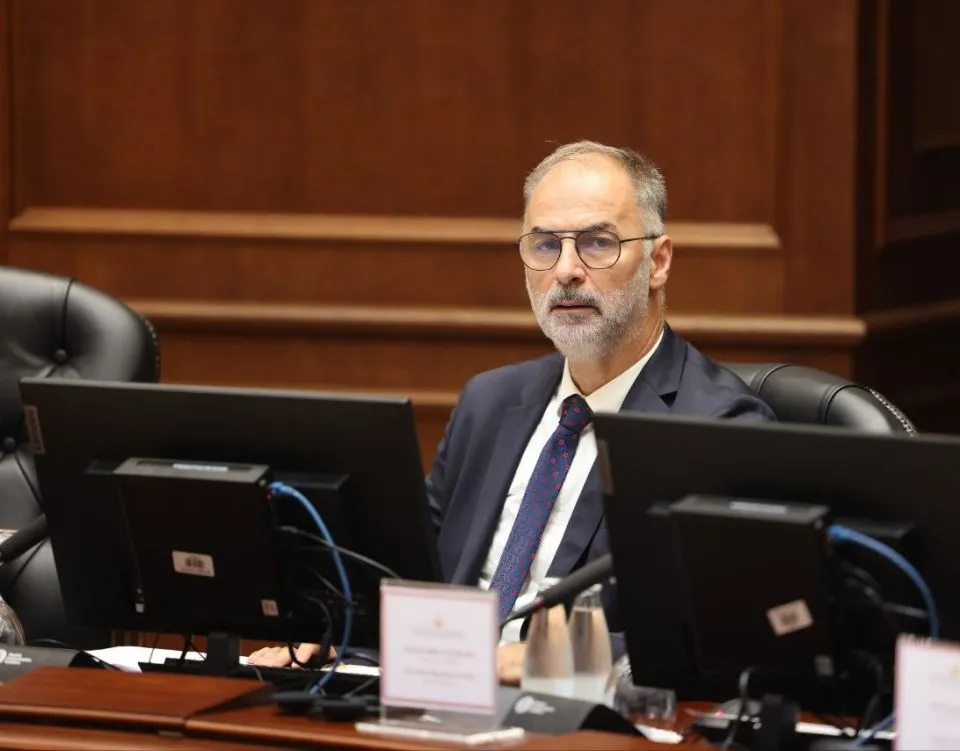
The party of a minister in Macedonia's government published a text glorifying Ratko Mladic. The Democratic Party of Serbs in Macedonia, whose leader Ivan Stoilkovic is the minister of local self-government, described Mladic on its Facebook page as "a soldier, a general and a man who devoted his life to the service of the army and the people he belonged to".
Ratko Mladic is serving a life sentence for genocide, war crimes and crimes against humanity. Among them is Srebrenica, where more than 8,000 men and boys were killed. That is not a contested historical interpretation - it is a final court judgment.
According to the post, the text was written by Tatjana Domazet, described as a librarian at the National Library of Serbia in Belgrade. On top of that, Dalibor Kitanovic, director of the Agency for the Realisation of the Rights of Communities, published an AI-generated image showing Mladic alongside Serbian historical figures under the title "Generals of the heavenly army".
The reactions and the silence
SDSM responded that for Stoilkovic "the leader of the Bosnian Serbs Ratko Mladic - convicted of genocide, war crimes and crimes against humanity - is a great man and a hero", placing it in the wider context of a pro-Russian agenda inside the government. They asked Mickoski to say whether this is the government's position.
From DUI the message was different in tone, identical in substance: "They are not talking about history. They are romanticising a person convicted of some of the gravest crimes committed in Europe since the Second World War." Vlen condemned the glorification, but its statement pointed at the head of the agency - not at Stoilkovic's party.
From VMRO-DPMNE - nothing.
The question left open
Stoilkovic is not an anonymous party official. He is a minister in this government, and his party is part of the ruling coalition. When the party of a minister publicly pays tribute to a convicted war criminal, the question "is that the government's position" is not party rhetoric - it is a question the prime minister is obliged to answer.
Silence is also an answer; it just takes longer to work out which one.
Macedonia is not Bosnia and has no Srebrenica of its own. But the Balkans know this scene by heart: the verdict is there, the documents are there, the graves are there - and still, every few years, somebody tries to put the man back in uniform and pull him out of the courtroom. The difference this time is that it is not a fringe page doing it, but the page of a party holding a ministerial seat.
The latest 10 news from this category
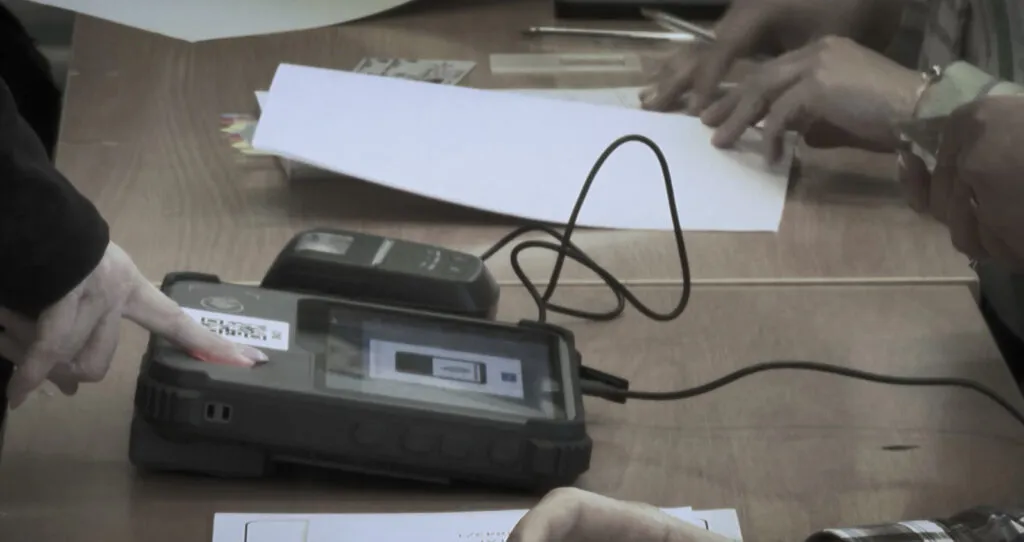
A new mayor is being elected on machines that only work thanks to a last-minute deal - even though the...
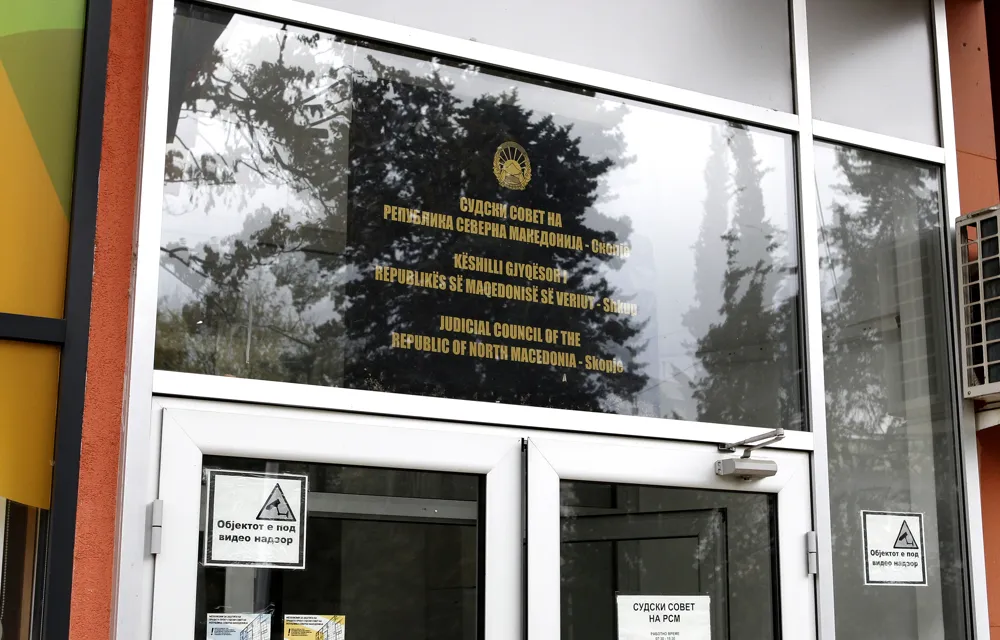
The Government says NATO allies will be the first to see the evidence about her escape. The question that remains...
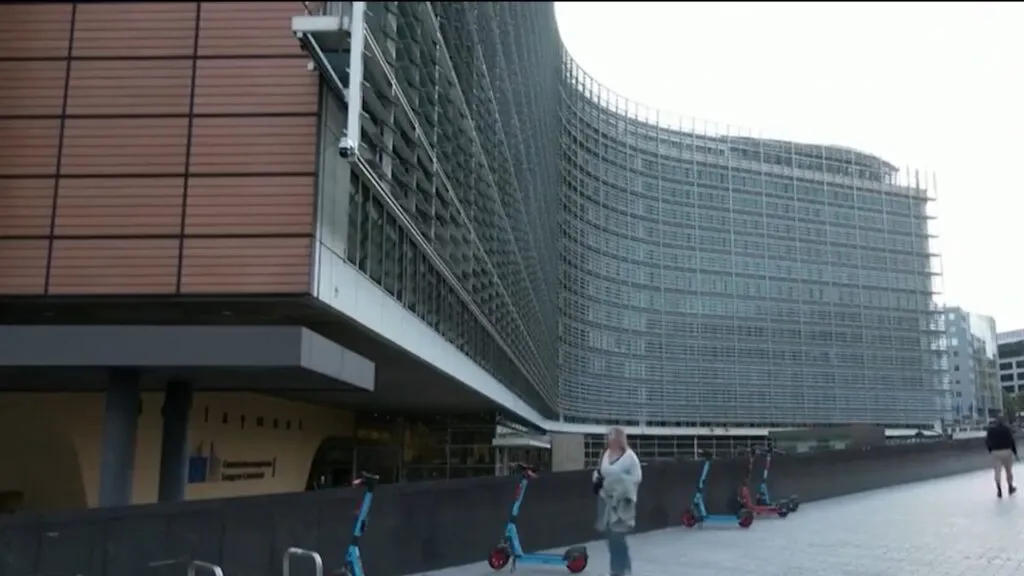
The European Council called enlargement a geostrategic investment, and of the whole region it named only Montenegro. Macedonia, a candidate...
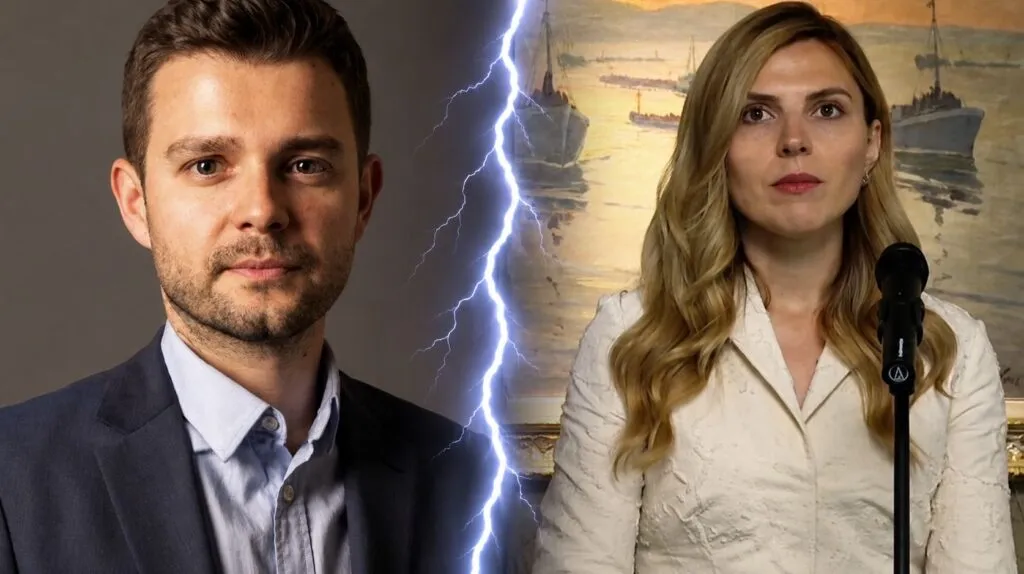
One candidate was shown "Cela da e" comments under the prime minister's posts, the other had been photographed at a...
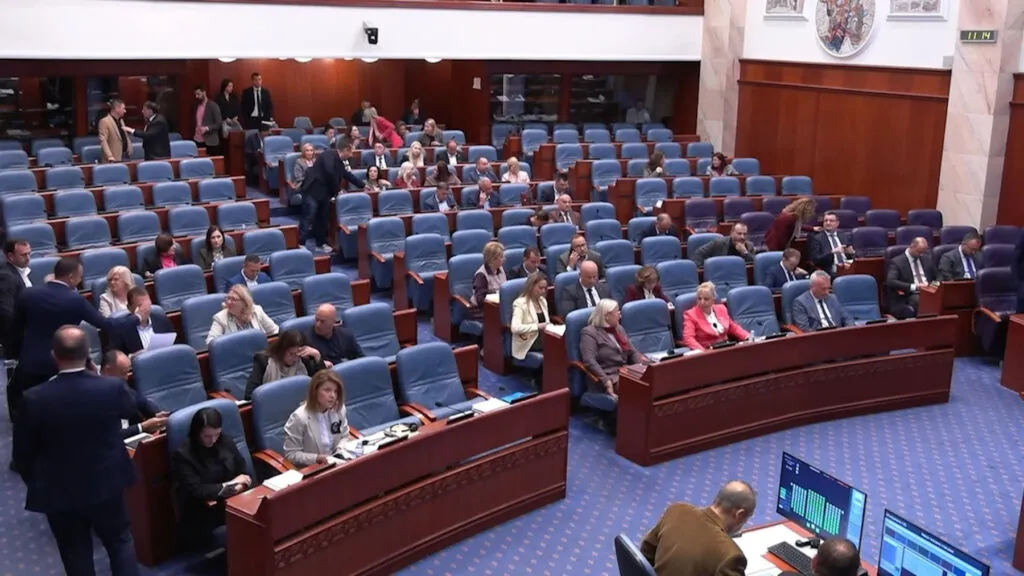
The opposition refuses or hesitates, and from Sofia comes word that the constitutional changes are not up for renegotiation. Is...
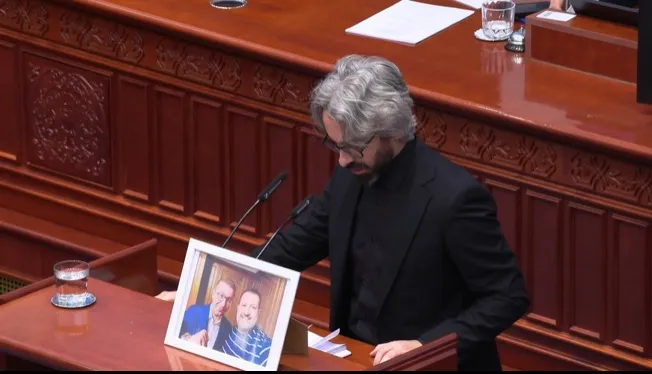
Six companies, around 20,000 euros in donations from the brother-in-law, and a lunch for 250 guests as the Strumica municipality's...
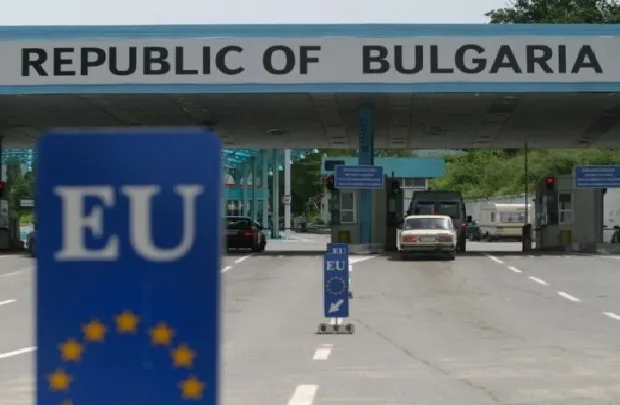
Charged over a fatal car crash, with both her passports confiscated, she crossed a border where neither Macedonian nor Bulgarian...
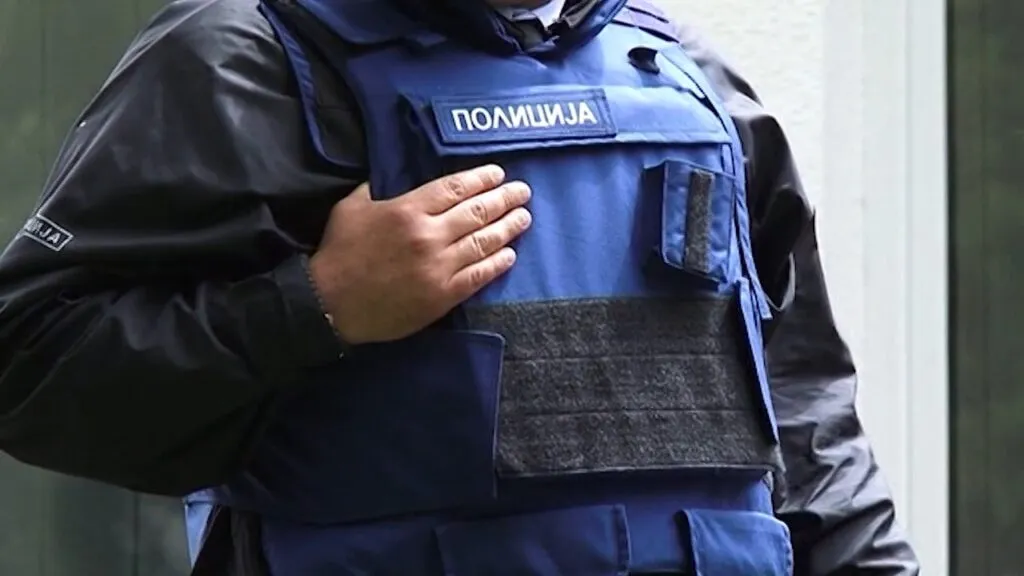
The Interior Ministry acted only after the footage was already circulating, the police union offers its own version, and DUI...
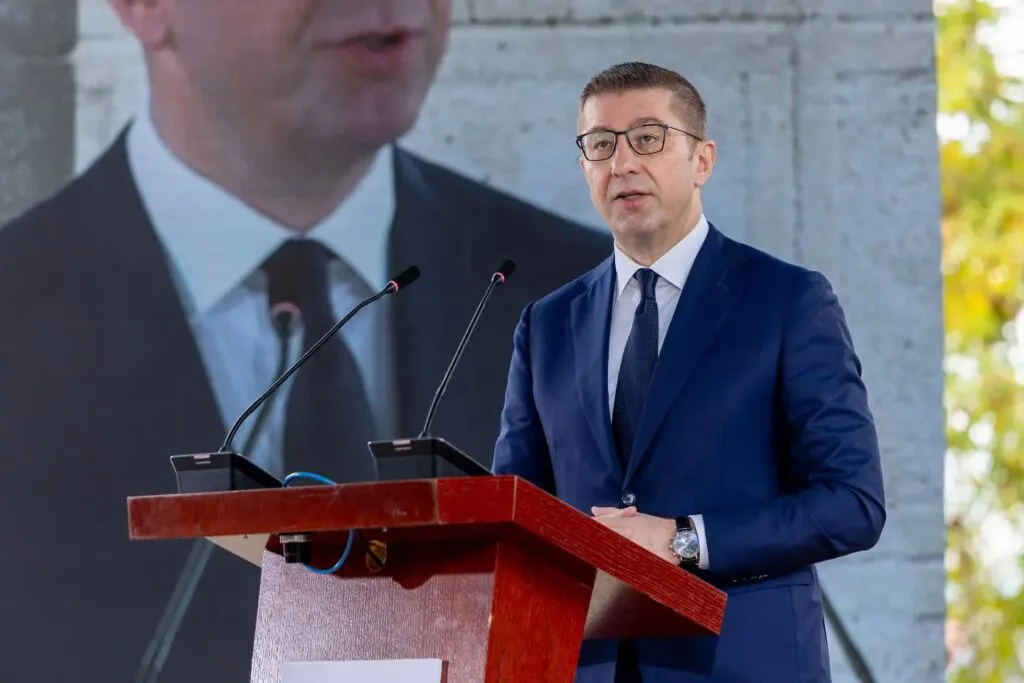
At the 85th anniversary of the uprising, the prime minister called for unity, set a 1,000-euro salary target and attacked...
A day after the meeting in Sofia, Bulgaria's foreign minister told MPs there will be no renegotiation and no delayed...
This site uses cookies - is that okay? Learn more
Be the first to know when Metla launches something new
Leave your email and we will write when there is a new guide or something new on Metla.