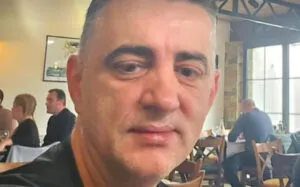
Ljupcho Has Been Missing Ten Days, and the Family Warned Beforehand: They Got the Referral, the Hospital Said It Was Being Renovated
16.08.2026


16.08.2026
16.08.2026
16.08.2026

16.08.2026

16.08.2026

16.08.2026

16.08.2026

15.08.2026
14.08.2026

16.08.2026

16.08.2026

15.08.2026

16.08.2026

16.08.2026
16.08.2026

16.08.2026

15.08.2026

14.08.2026

16.08.2026

16.08.2026

16.08.2026

16.08.2026

16.08.2026

15.08.2026

09.03.2026

27.02.2026

19.02.2026
15.08.2026
14.08.2026
13.08.2026

23.04.2026

23.04.2026

12.04.2026
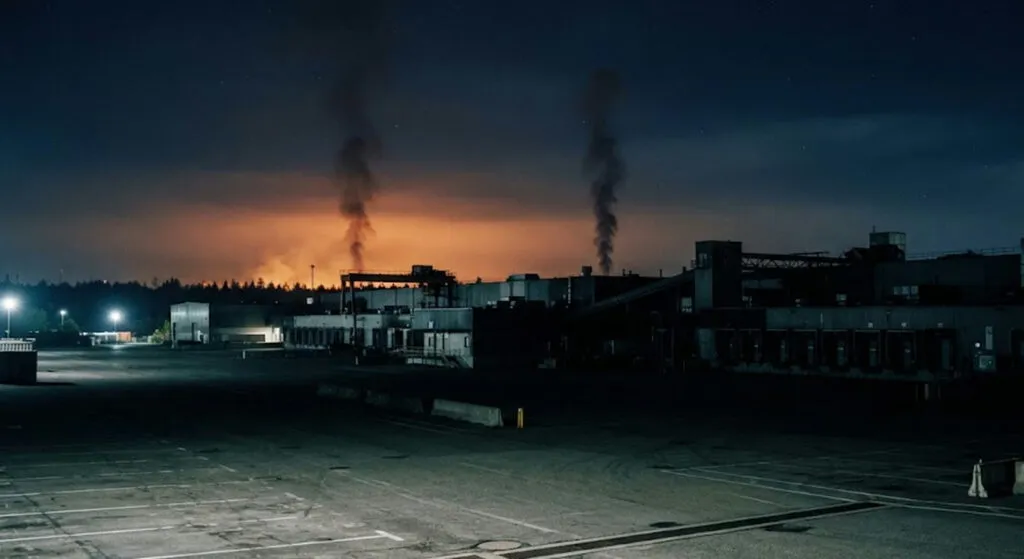
The night over the Moscow region was one of the heaviest since the war began. Hundreds of Ukrainian drones flew toward the heart of Russian logistics, and by morning warehouses were burning in Podolsk and Domodedovo - a few kilometres from one of Moscow's main airports. The Russian Defence Ministry announced it had shot down 822 drones across the country overnight. When the side being attacked is the one quoting that figure, it usually means the real one is higher.
The heaviest damage is at the Wildberries depot in the Koledino industrial zone in Podolsk. That is not a random target: the complex is over 200,000 square metres and is the largest warehouse of Russia's largest online retailer. For weeks Kyiv has claimed that military goods also pass through that network, treating it as part of the economic machine keeping the war in motion.
The governor of the Moscow region, Andrei Vorobyov, confirmed that an 83-year-old man was killed, with several more injured in Podolsk. Moscow mayor Sergei Sobyanin said 600 drones flew toward the region, 201 of them shot down over the region itself. If the air defence supposedly works that well, why are the warehouses and the houses burning anyway?
The war has returned to the rear
For four years Moscow sold the story that the front is far away, somewhere in Donbas, and that life in the capital can carry on as normal. Last night that argument lost another warehouse. Drones are no longer a symbolic incident wiped away with a single statement - they are systematically hitting the infrastructure that pays for the war.
Even after this night the Kremlin gave no official comment on the strikes themselves, and the information comes from local governors, Russian channels and Ukrainian sources that cannot be independently verified. That is the standard picture of a war in which both sides count enemy losses and round their own down.
For a reader in the Balkans the scene is not unfamiliar. We know what it looks like when the official statement and what people on the ground can see describe two different events. The difference is that here the chaos is measured in thousands of drones and warehouses of two hundred thousand square metres - but the logic of the silence is the same.
The latest 10 news from this category
The drone flew in from Moldova, and a Spanish F-18 on a NATO mission shot it down at 5:01am. Romania...
Милион и триста илјади потпишани договори, 30.000 убиени и ранети месечно според западните проценки - и сè уште недостигаат луѓе....
Over 30,000 killed and wounded a month, a thousand new soldiers a day - and they only plug the holes....

Hamas accepted the 15-point plan, Israel wants genuine disarmament first. When allies agree only on the destination, negotiations come down...
The offer does not ask for an end to the war, or a withdrawal - only that grain ships not...
The door is open for negotiators, while the one thing actually up for negotiation has been declared off limits. A...
Before the war it had almost 60 gigawatts. Today it has twelve. And if the strikes continue at the same...
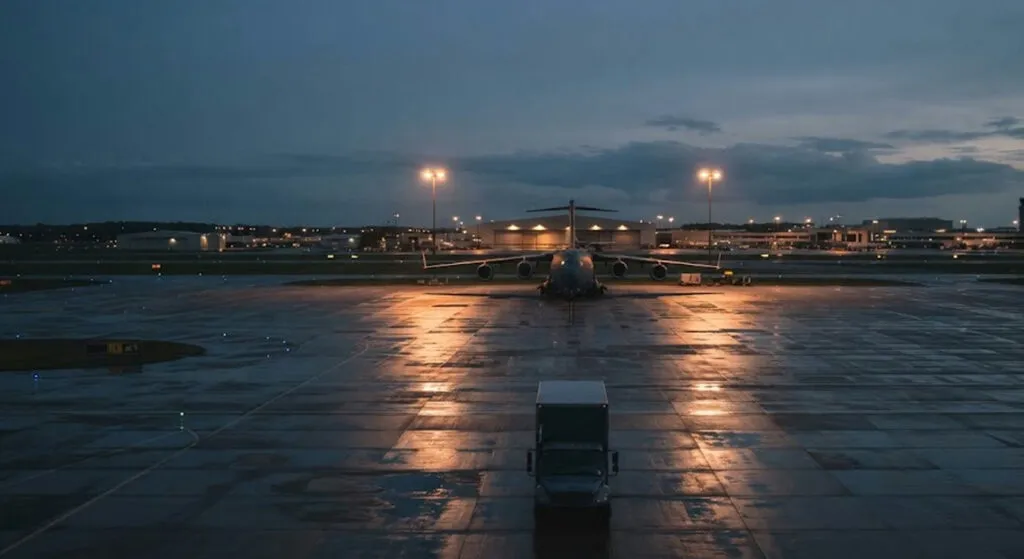
At a NATO summit two hours' flight from Skopje, intelligence services were working with a scenario in which the American...
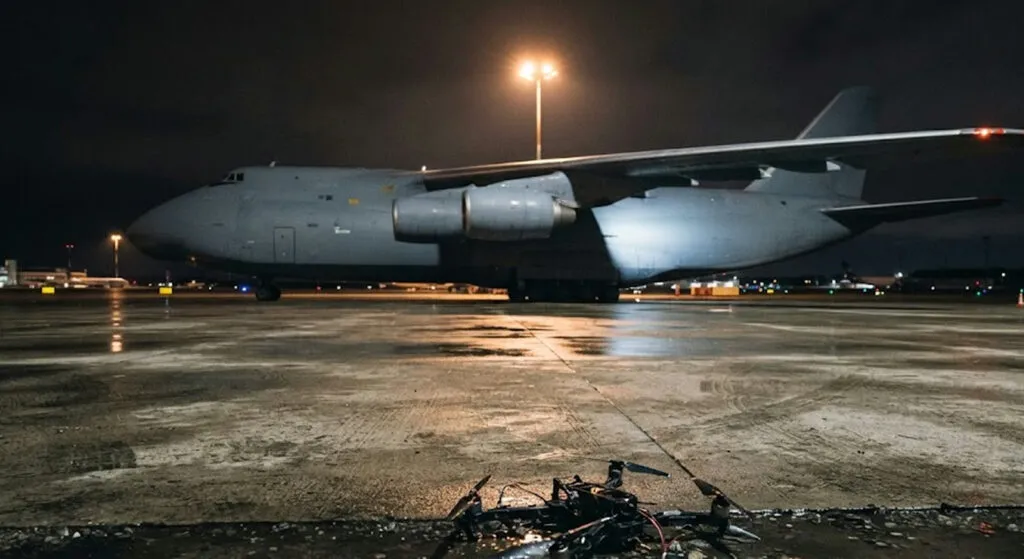
The Semtex device was found by the driver of an airport van. The DNA trail leads back to a 2024...
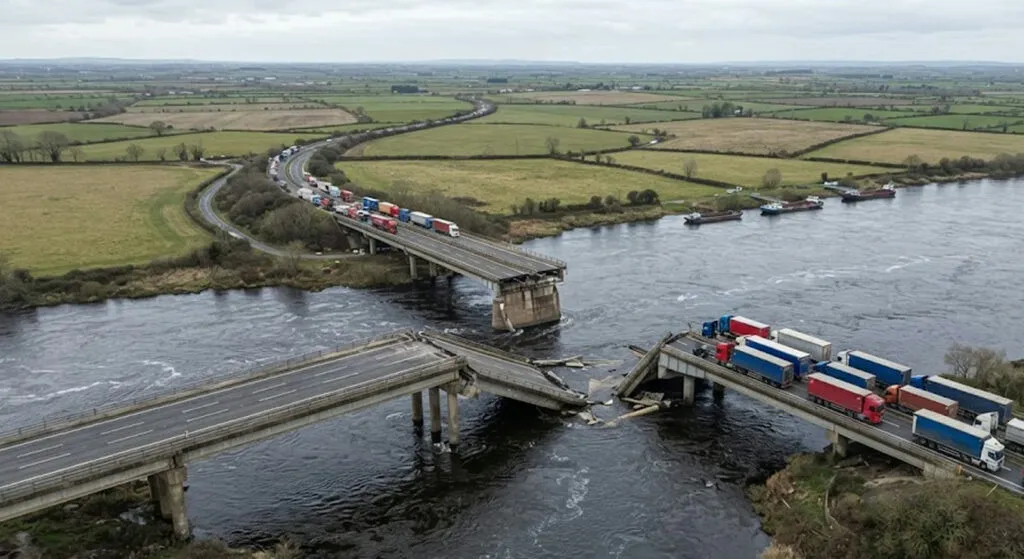
After the rail bridge at Zatoka, the road bridge at Maiaky went down too. Both routes to the Danube ports...
This site uses cookies - is that okay? Learn more
Be the first to know when Metla launches something new
Leave your email and we will write when there is a new guide or something new on Metla.