
Prime suspect in the Dukjandžik killing arrested in Kosovo - the hunt for the second goes on
26.09.2026


26.09.2026
26.09.2026
26.09.2026
26.09.2026
26.09.2026

26.09.2026
26.09.2026
25.09.2026

24.09.2026

26.09.2026

26.09.2026

25.09.2026

26.09.2026

26.09.2026

26.09.2026

26.09.2026

25.09.2026

24.09.2026

26.09.2026

26.09.2026

25.09.2026

26.09.2026

26.09.2026

26.09.2026

09.03.2026

27.02.2026

19.02.2026

26.09.2026

25.09.2026
24.09.2026

23.04.2026

23.04.2026

12.04.2026

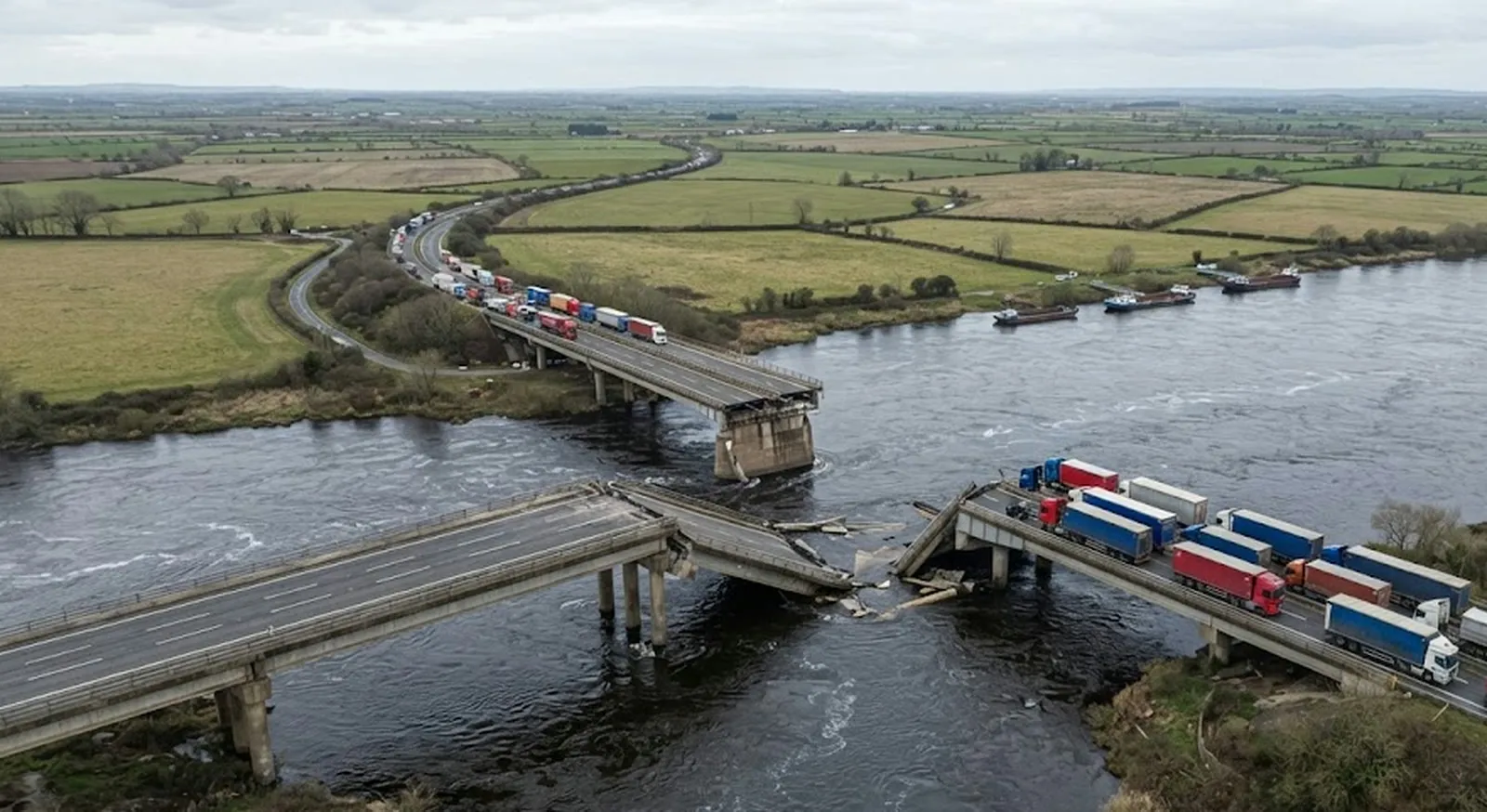
Russia struck the bridge at Maiaky in the Odesa region - the road link tying southern Ukraine to Moldova and Romania. With it fell the last secure connection to the ports in the Danube delta, and those ports are not a detail. They are what is left of Ukrainian exports.
The bridge is part of the M-15 highway, which connects Odesa with Reni on the Danube and with the border towards Moldova and Romania. Since Russian strikes paralysed traffic across the Black Sea, Reni and Izmail have become the main outlet for Ukrainian goods. Not an alternative one - the main one.
The sequence says everything. First the rail bridge at Zatoka went down, the route most of the aid from Romania travelled on. Then all the freight poured onto a single road, the M-15, with part of the route running through Moldovan territory via Palanca. Now the road bridge at Maiaky has been hit too. Both channels to the Danube ports - closed.
When only the pontoon is left
According to sources, several Iskander missiles were used in the attack, and the bridge may be permanently lost. Nobody is saying when traffic will resume. A Russian war correspondent reported queues stretching for kilometres. Economist Ivan Lizan says Ukraine has only one option left - pontoon bridges. Which, being what they are, don't hold trucks the way they should.
The same night, according to the Russian defence ministry, fuel and lubricant depots, military equipment and a transhipment complex were hit at the port of Odesa. Tanks near Beliary and Novi Beliary, 27 and 28 kilometres northeast of the port, were also destroyed. Volodymyr Zelensky acknowledged damage to port and energy infrastructure.
Next stop: Constanta
Lizan does not rule out escalation and expects strikes on the Danube ports themselves, aimed at preventing transhipment at Constanta. Constanta is a Romanian port. Romania is a member of NATO and the EU. When missiles start falling fifty kilometres from a transhipment route that ends in an allied port, will anyone in Brussels still call that a "distant conflict"?
The Danube flows through Serbia too, and through Romania, and through Bulgaria. The Balkans are not watching this front from a balcony. The river being blocked is the same river that has been this region's trade route for centuries. A war that began as territorial is already logistical - and logistics has no border at which it stops.
The latest 10 news from this category
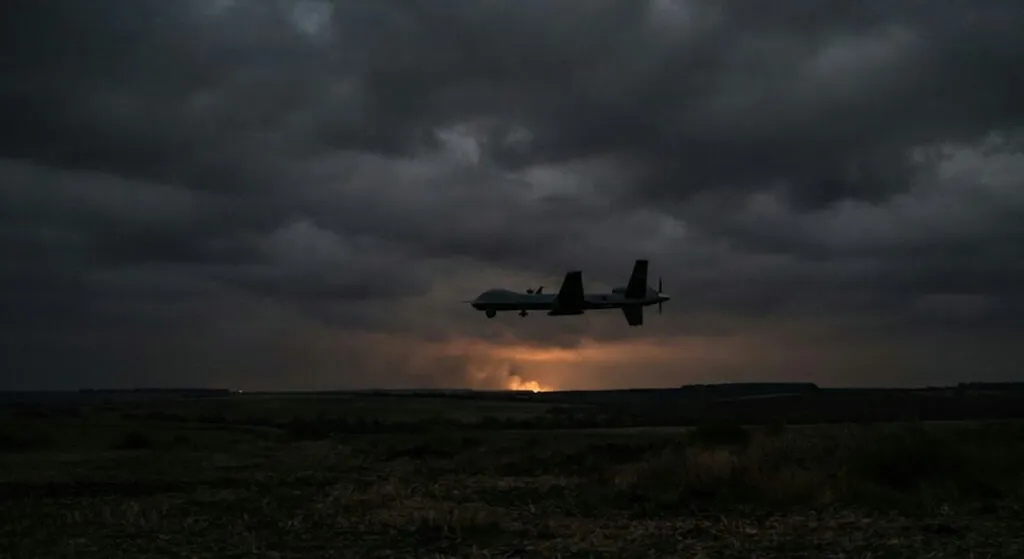
Ukrainian programmers and gamers are flying drones that strike up to 2,900 kilometres deep inside Russia. Moscow hits back with...
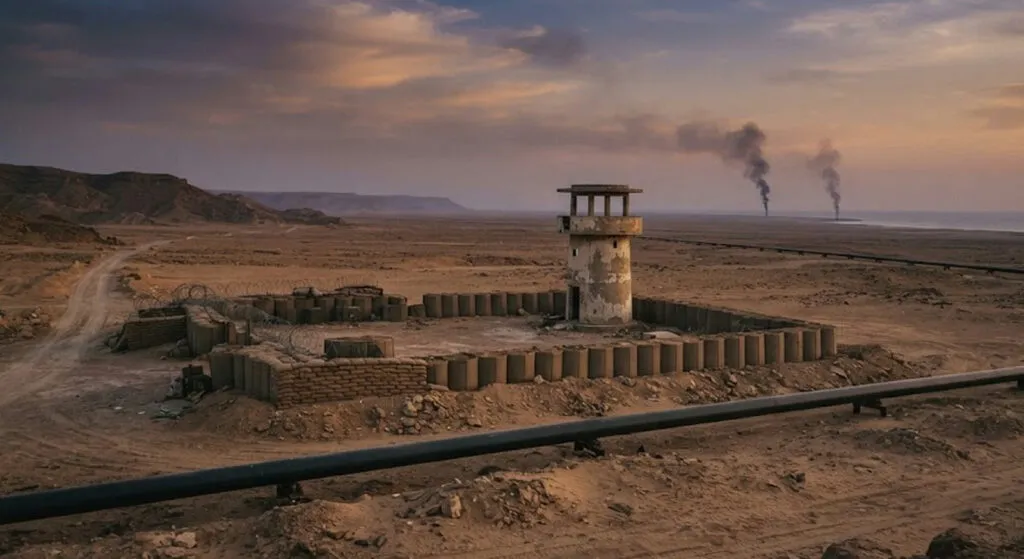
Saudi Arabia's highest religious authority has told soldiers to be ready to die in the war with the Houthis. When...
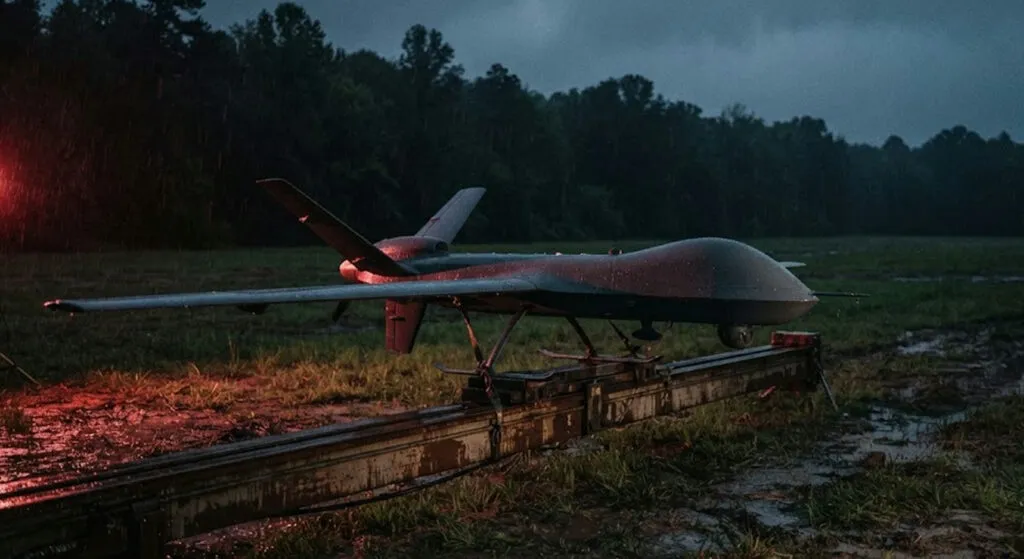
Ukrainian drones are hitting refineries hundreds of kilometres deep inside Russia, while Russia's jet-powered "Shaheds" are already breaking through Ukraine's...
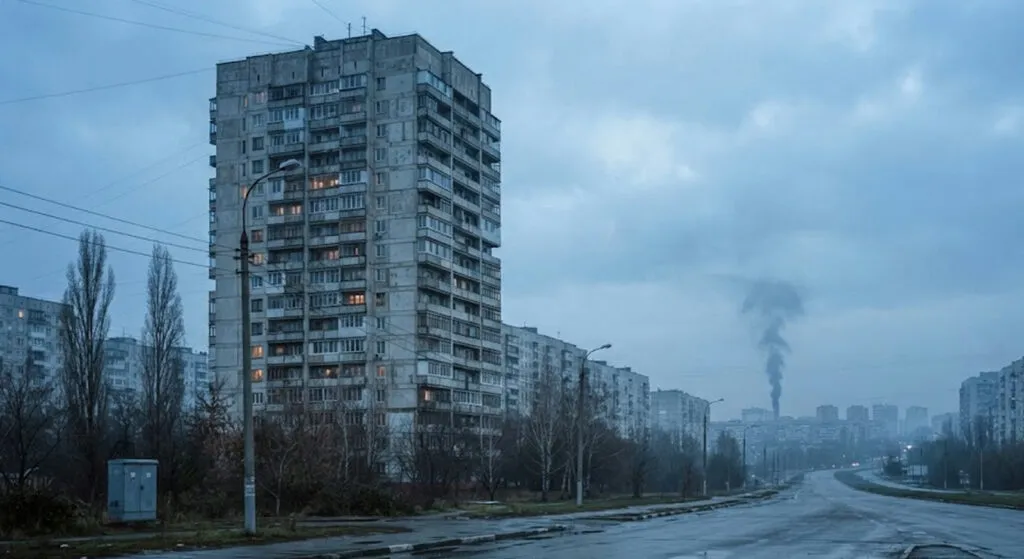
Russian sources call it a "Geran night", as if it were a date in the calendar. Explosions from Kyiv and...
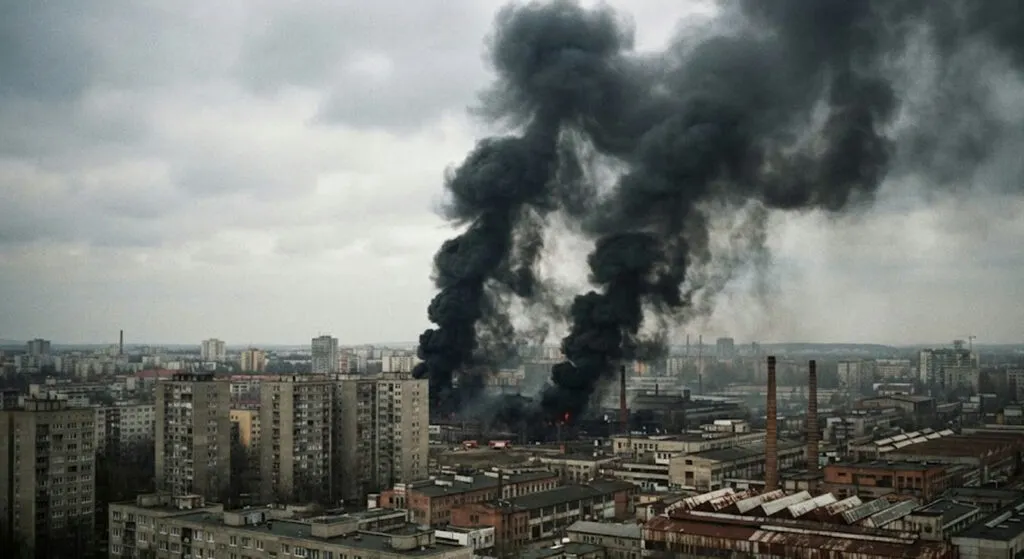
One dead, eight injured, two major providers offline and the city railway halted. The Balkans knows what a city preparing...
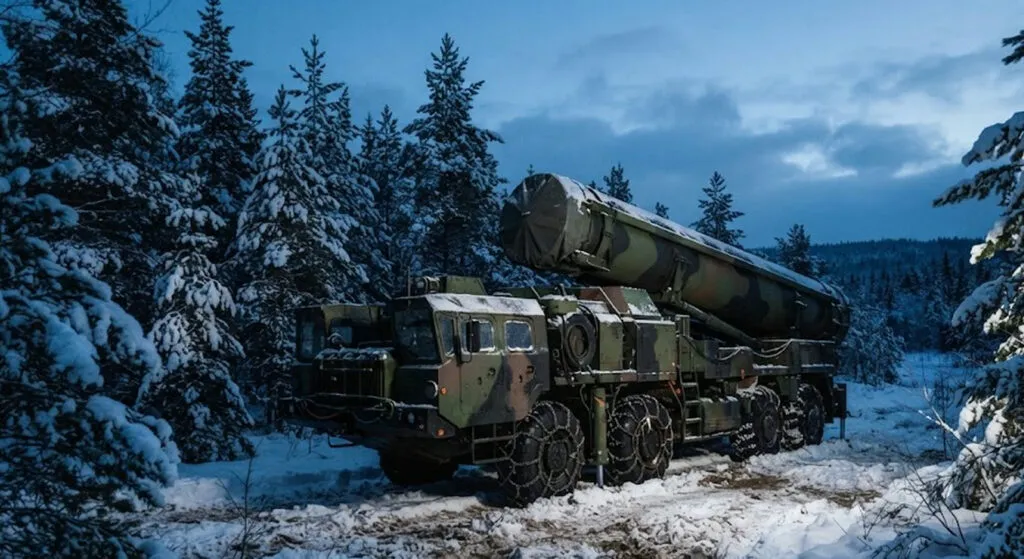
99 MPs voted in favour, and a threat arrived from Moscow right away. Is a small country on the line...
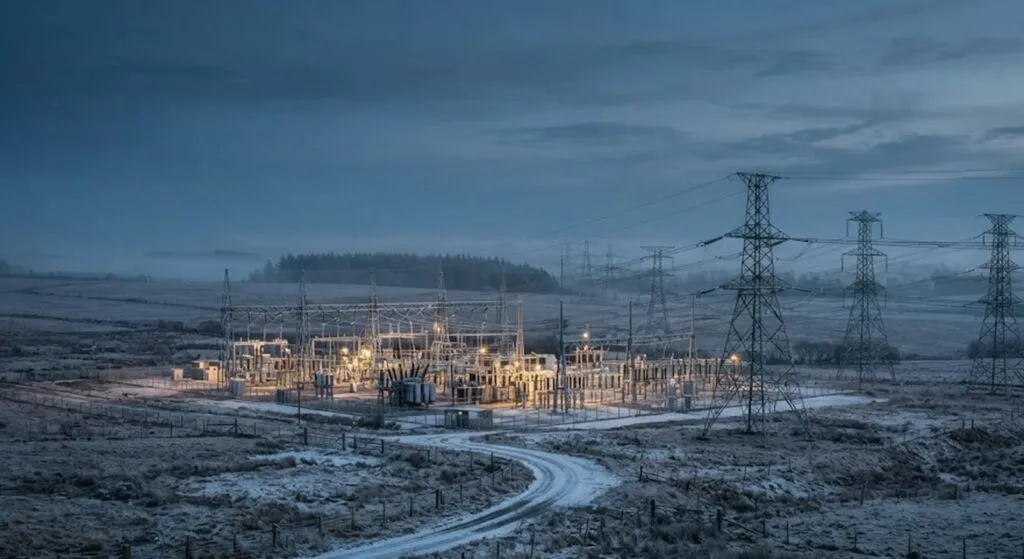
The offer is deliberately narrow - energy only, with a deadline before winter. When a power line goes down in...
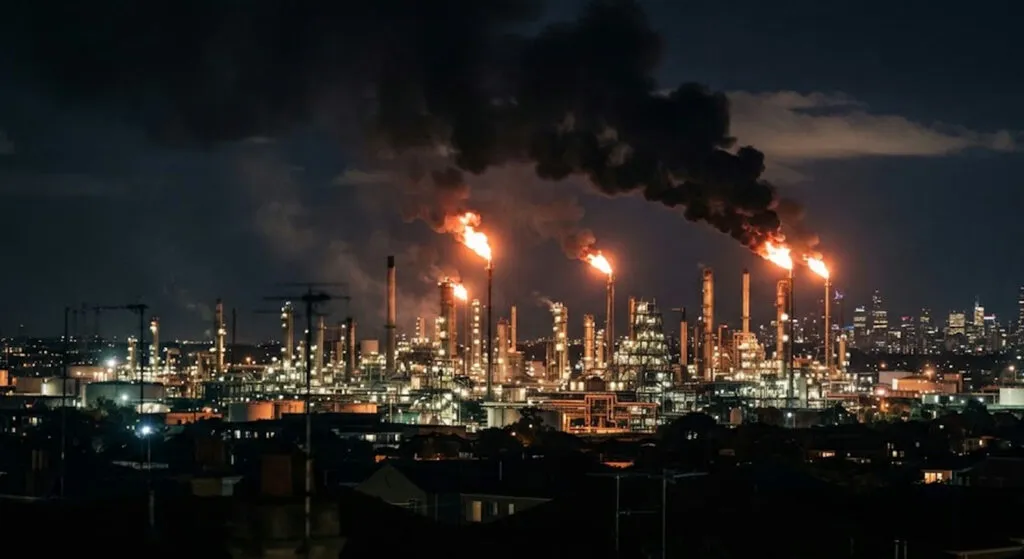
On the night Russia was closing its parliamentary elections, Ukrainian drones reached the refinery at Kapotnya and residential blocks in...
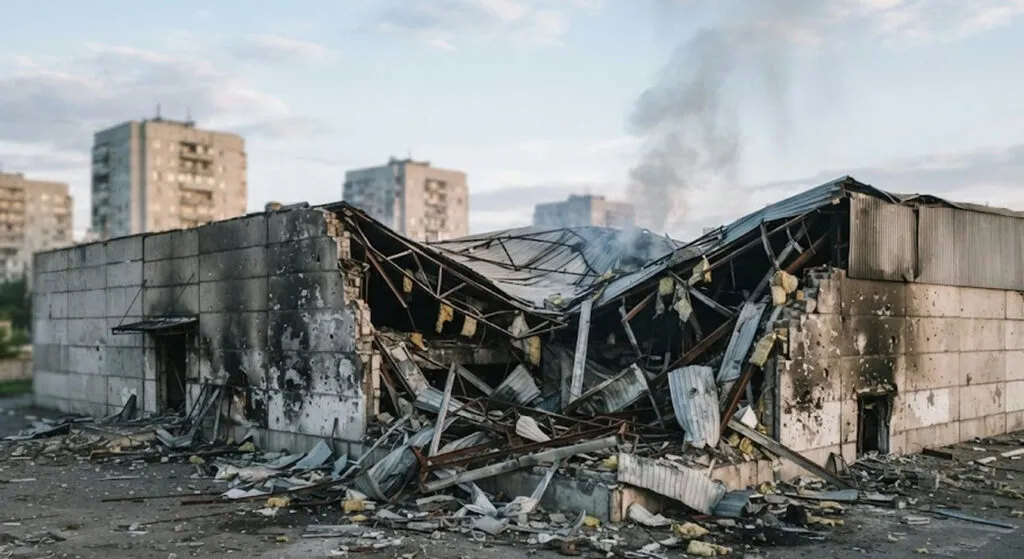
Every sentence about last night's offensive has the same author - the Russian Ministry of Defence. There is smoke over...
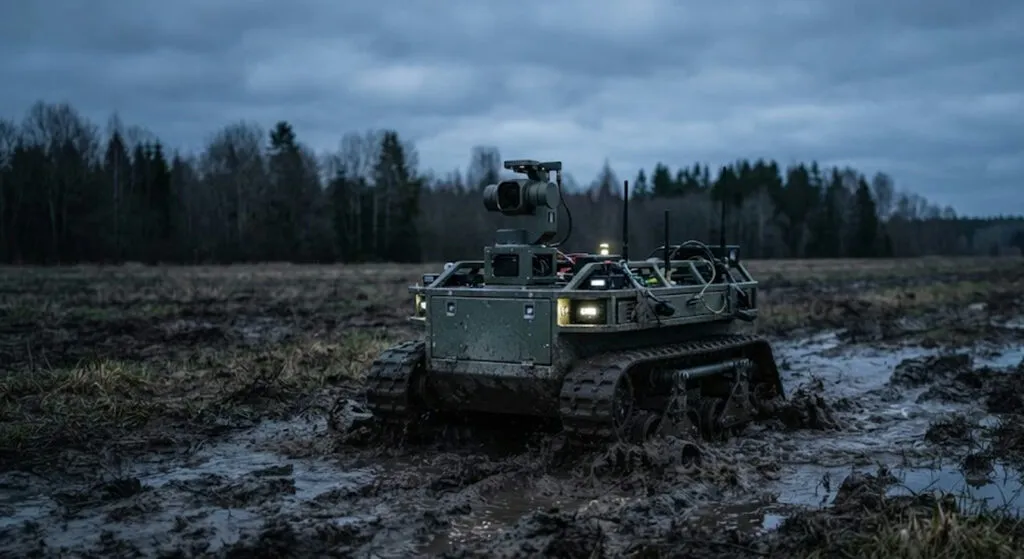
The Telegram statement reads like a trailer: drones that blind drones, robots dropped from the air behind enemy lines, and...
This site uses cookies - is that okay? Learn more
Be the first to know when Metla launches something new
Leave your email and we will write when there is a new guide or something new on Metla.