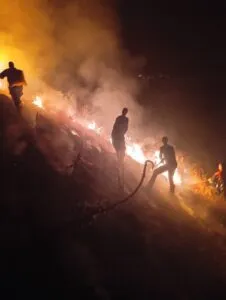
Twenty Fires in One Day, and the Blaze at Bogomila Was Stopped by Villagers and Veles Firefighters
15.08.2026


15.08.2026
15.08.2026
15.08.2026
15.08.2026
15.08.2026

15.08.2026
15.08.2026
14.08.2026
14.08.2026

15.08.2026

15.08.2026
14.08.2026

15.08.2026

15.08.2026

15.08.2026

15.08.2026

14.08.2026

13.08.2026

15.08.2026

15.08.2026
15.08.2026

09.03.2026

27.02.2026

19.02.2026
15.08.2026
14.08.2026
13.08.2026

23.04.2026

23.04.2026

12.04.2026
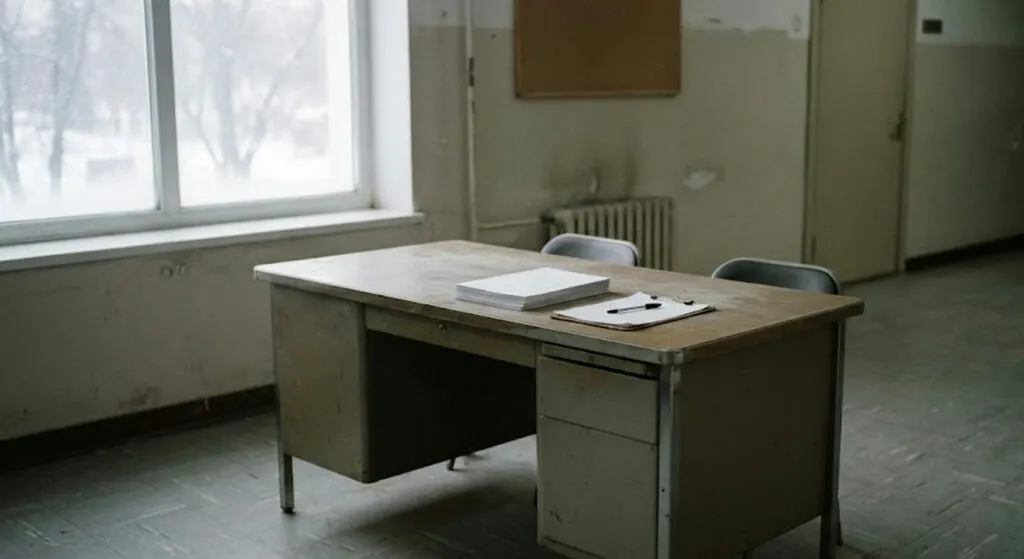
After almost five years of war, the Kremlin has arrived at a decision it can no longer postpone. Western estimates put Russian losses at over 30,000 soldiers killed and wounded every month. Around a thousand new recruits are signed up every day - and those thousand are not enough to advance, only to plug the holes in units that have already been emptied.
The choice facing Moscow comes down to two options, and both are unpleasant. Either even more aggressive contract recruitment, or a new mass mobilisation - the solution Putin last used in September 2022, when he called up 300,000 reservists and got protests and a rush for the border at the same time.
The contract as a substitute for the call-up
Since then Moscow has carefully avoided the word mobilisation. Instead it has been building a recruitment machine that has so far delivered around 1.3 million soldiers. The tool is money: signing bonuses and payments that, for a man from a poor province, are worth more than he would earn in several years at home. Where wages are low, a contract is not a choice - it is the only arithmetic that works.
But the methods have got rougher. Police detain men in the street, pull them out of workplaces or summon them to the station, then take them from there to recruitment centres where the pressure is to sign. One activist described it in a single sentence: it has all turned into a manhunt - with deception, coercion, threats and violence.
Quotas from Moscow, paid by the head
Regional governors receive quotas from the centre. The provinces pay both the recruiters and anyone who brings in a man - several thousand dollars for each signature. This is no longer an army that calls people up, it is a market that buys them. And like any market, when supply tightens the price rises, and the methods for sourcing the "goods" get harsher.
Surveys show Russians' confidence in the course of the war has fallen to its lowest level since April 2022. Analysts expect Moscow to raise the bonuses and the pressure on the regions first, keeping mobilisation as a last resort - because the political price of 2022 is still remembered in the Kremlin.
And that is exactly what makes the story darker than the numbers. The state has calculated that buying men one at a time is cheaper than asking the nation out loud. As long as the bill is paid in provinces Moscow rarely mentions, the war remains something that happens to other people.
The latest 10 news from this category
Before the war it had almost 60 gigawatts. Today it has twelve. And if the strikes continue at the same...
A former defence minister said the number out loud. When a state spends resources finding the people it already mobilised,...
Drones and ballistic missiles on four residential districts of a European capital. The Balkans know this scene by heart -...
A refinery producing five percent of Russian refining capacity and a 173,000-square-metre logistics hub in flames. Above it all, transponder...
A Russian strike hit a drone exhibition near Kyiv. Moscow claims it hit a legitimate military target, Ukraine counts ten...
Three missiles, one intercepted, two got through. But beyond Russia, the question also under fire is who gathered people out...
General Drapatyi replaced Syrskyi after protests in Kyiv, and the closing phrase echoed far beyond Ukraine. The biggest reshuffle of...
Oleksandr Syrsky leaves with a record full of liberated towns and square kilometers. The problem - veterans and soldiers demanded...
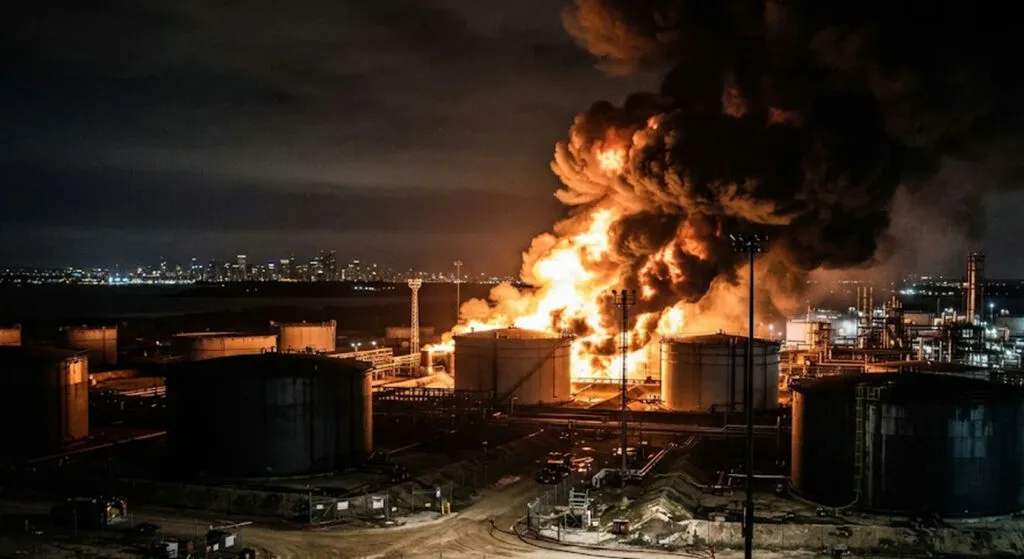
Ukraine threw nearly 400 drones deep into Russian territory - an oil depot burns, the Russian version of Amazon burns....
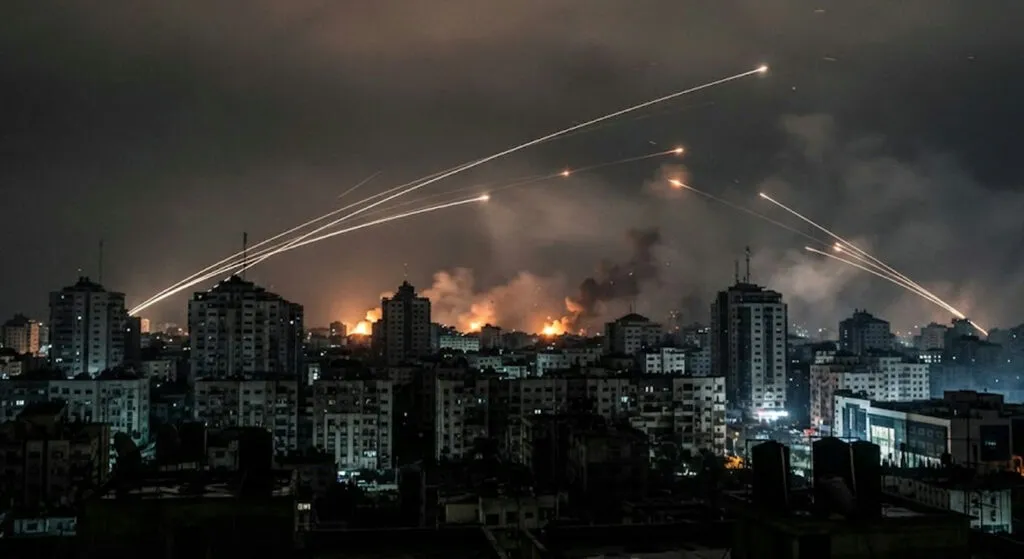
Almost everything the Russian arsenal can fire at once, packed into a single hour over a single city. Nearly twice...
This site uses cookies - is that okay? Learn more
Be the first to know when Metla launches something new
Leave your email and we will write when there is a new guide or something new on Metla.