

Six Police Officers Suspended over the Beating near Saraj: The Interior Ministry Admits Irregularities, the Union Tells a Completely Different Story
12.10.2026


12.10.2026

12.10.2026

12.10.2026

12.10.2026

12.10.2026

12.10.2026

12.10.2026

12.10.2026

11.10.2026

12.10.2026

12.10.2026

11.10.2026

12.10.2026

12.10.2026

12.10.2026

12.10.2026

11.10.2026

10.10.2026

12.10.2026

12.10.2026

12.10.2026

12.10.2026

12.10.2026

12.10.2026

12.10.2026

11.10.2026
11.10.2026
12.10.2026

10.10.2026

08.10.2026

23.04.2026

23.04.2026

12.04.2026

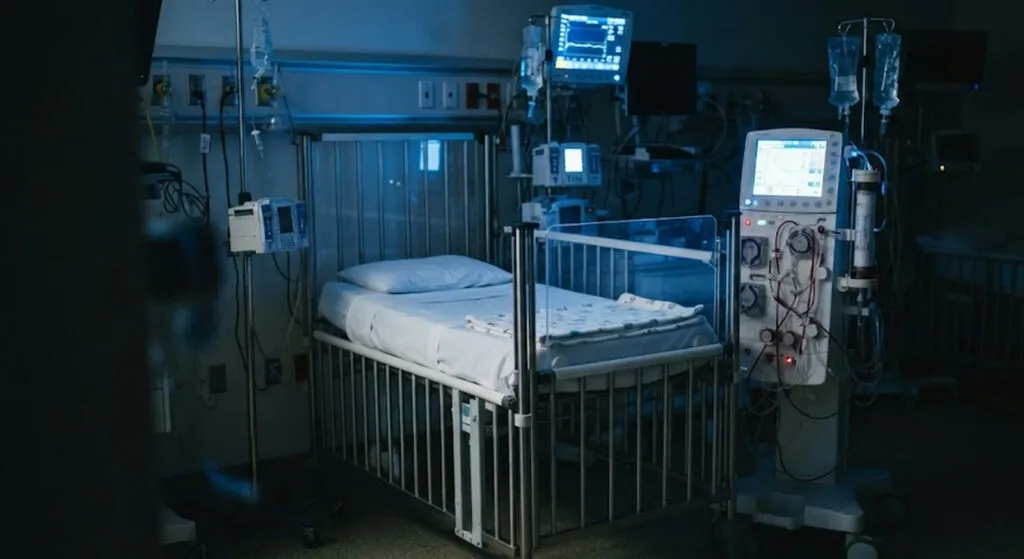
Sepsis, the acute inflammation triggered by infection, is among the leading causes of death in children: every year it kills around 3 million children under the age of five. Taking on that number is Efferon, a start-up that has developed a medical device for blood purification and claims it reduces organ failure and significantly speeds up recovery in children.
When antibiotics can't stop the immune system's overreaction, the patient's blood has to be filtered to remove deadly toxins. Co-founder and CEO Dima Romashin compares sepsis to a fire: "In a fire there are two things: the flame itself and the smoke it produces." Endotoxins are the flame, cytokines are the smoke - and Efferon's device, Romashin says, unlike others on the market, absorbs both at the same time.
The company also makes absorbers for adults, but it says Efferon NEO is proving especially effective - a device built specifically for small children, who have a much smaller volume of circulating blood. In April it received the CE mark, the European equivalent of US FDA approval, becoming the first multimodal blood purification device designed specifically for paediatric sepsis. Today it's used in intensive care units in 30 countries, including European hospitals, Saudi Arabia and Thailand.
The technology was developed by scientists at Moscow State University, among them co-founder Ivan Bessonov. Romashin, a serial entrepreneur, took the helm this year to commercialise it. The next step is applying for FDA approval, and the company expects to reach 2 million dollars (about 1.7 million euros) in annual revenue by the end of 2026 at its current pace.
Romashin admits Efferon isn't growing at the dizzying pace of today's AI start-ups. In a world where AI companies are valued in the billions before they've earned anything, 2 million dollars of revenue looks modest. But he says real success is measured differently - by every child who goes home. The question is a different one: how many inventions like this from Eastern European labs are still stuck in drawers because nobody came along to sell them?
The latest 10 news from this category
The new owner promises full shelves and competitive prices. How much a chain with over 30 years of history cost,...

The company valued at 126 billion dollars has so far lived off investors, and now it is borrowing from Blackstone...
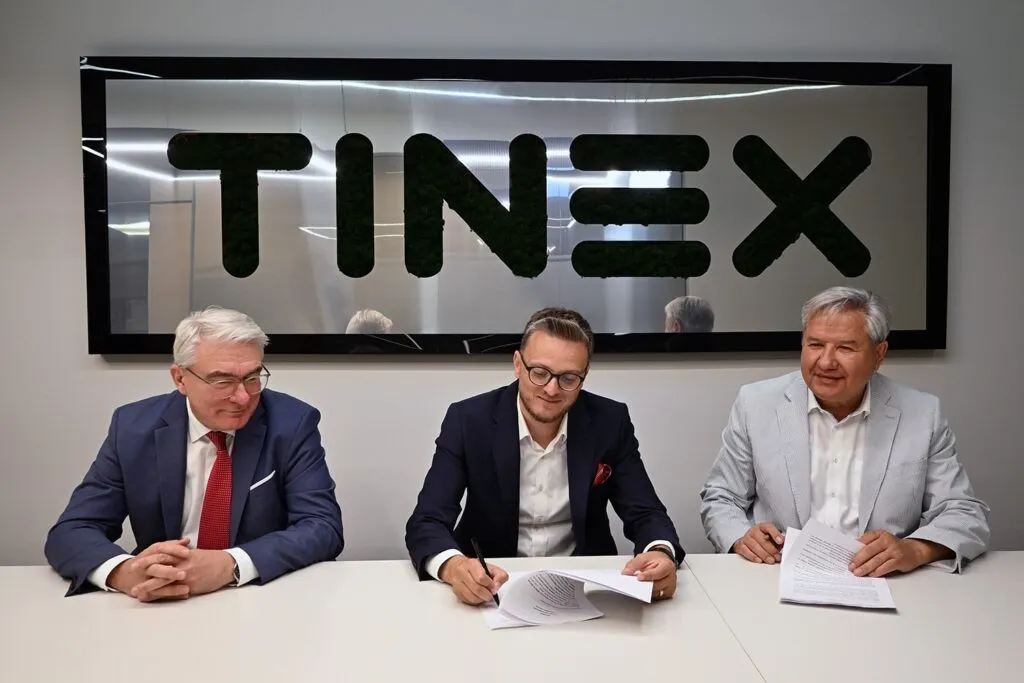
Proex International has taken over the chain the Todorović family spent 30 years building. Nobody mentions the price, but there's...
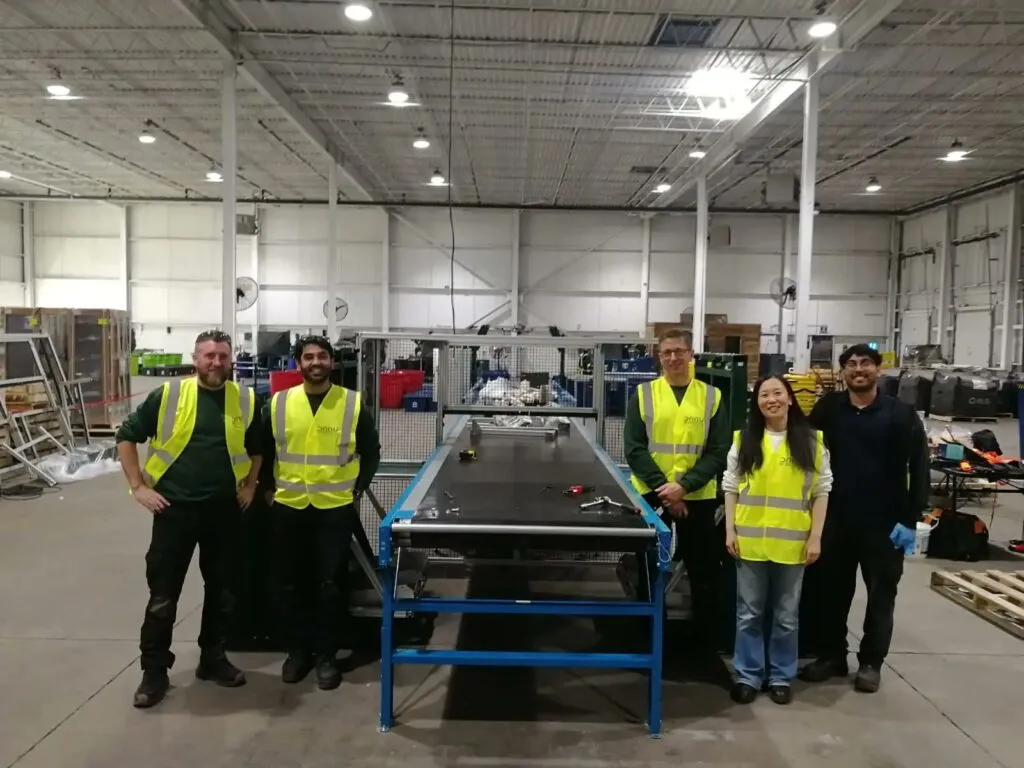
Signed contracts worth half a million dollars, a market estimated at twenty billion and a robot with a gripper instead...

From university project to 3.1 billion dollars in three years. Arena ranks AI models, and the labs whose models it...

Nine out of ten of the fund's investments are outside the US, and Europe got 12 new investments in six...

Their first idea had no future, so the three founders torched it. The second hit over a million dollars in...
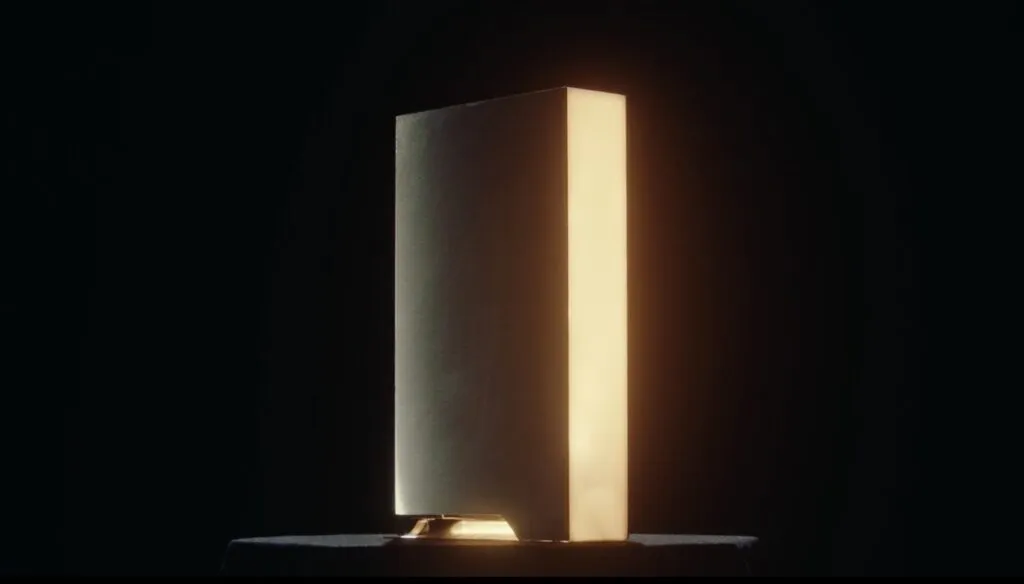
Andreessen Horowitz is leading the round, and the box promises your data stays with you alone and that it will...

Almost a billion dollars raised, a waiting list of 300,000 people and a check-up insurance doesn't cover. Preventive medicine, or...

The first third of the plant is switched on, the target is 100 megawatts, and the site could reach 4...
This site uses cookies - is that okay? Learn more
Be the first to know when Metla launches something new
Leave your email and we will write when there is a new guide or something new on Metla.


