


State Lottery: Two Arrests Over an 80-Million-Denar Embezzlement, While the Star Witness in Court Changed His Story
06.10.2026


06.10.2026

06.10.2026

06.10.2026
06.10.2026
06.10.2026
06.10.2026

06.10.2026

06.10.2026

05.10.2026

06.10.2026

06.10.2026

05.10.2026

06.10.2026

06.10.2026

06.10.2026

06.10.2026

05.10.2026

04.10.2026

06.10.2026

06.10.2026

06.10.2026

06.10.2026

06.10.2026

05.10.2026

09.03.2026

27.02.2026

19.02.2026

06.10.2026

05.10.2026

04.10.2026
06.10.2026
05.10.2026

04.10.2026

23.04.2026

23.04.2026

12.04.2026

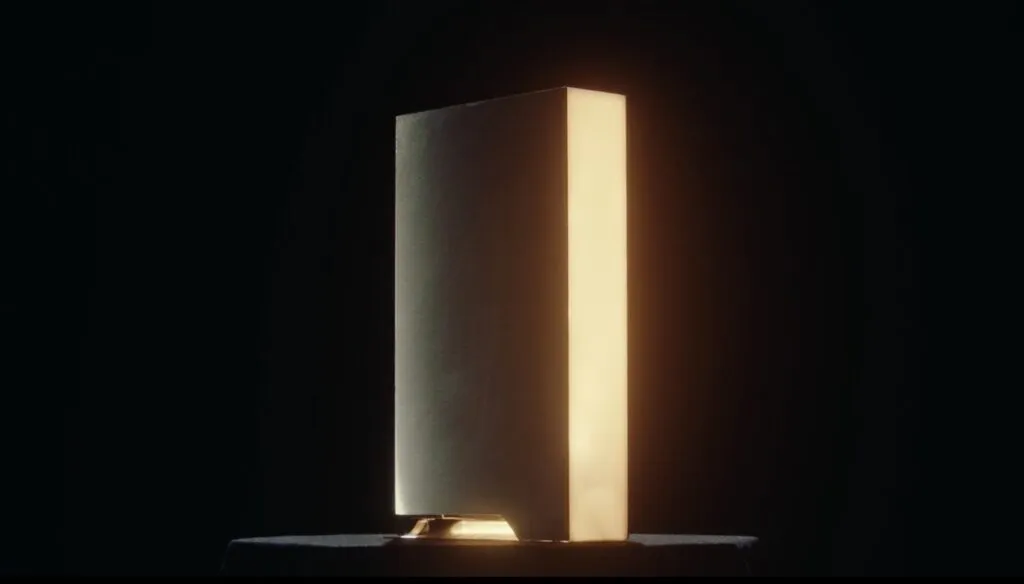
Zain Javaid is 19 and has already tried his hand as a quant - a trader who makes decisions with maths and data. He got bored. Then, in 2022, ChatGPT came out. "I was more excited than I'd ever been," he says. That excitement gave birth to Ghost, a startup that, after a year working in stealth, has come out into the open with 11 million dollars (about 9.5 million euros) in seed funding. The round is led by Andreessen Horowitz, with Abstract, Audacious Ventures, SV Angel and Nova also taking part. The founding team is as young as the idea: Nicholas Chua (19), Yifei Chen (24) and Gautam Sharda (23).
The first product is called Core - a personal computer built solely for AI agents, programs that act on your behalf. The idea is to gather all your data, from your desktop to your apps and smart home devices, into a single box that works as an always-on assistant. Inside is an Nvidia RTX Pro 4000 SFF Blackwell graphics card, included in the 3,499-dollar price (about 3,000 euros). There's no screen - Javaid calls it "a brain in a box", reached through a phone or an app. It ships with three pre-installed models: Qwen-3.8-Next, Qwen-3.8-27B and Gemma-4-31B, and others can be added from Hugging Face. Orders are open, delivery is planned for the last week of October, and the devices are assembled in San Francisco.
The big promise is privacy. The models and personal memory run locally, everything is encrypted, and according to the founder neither a cloud provider nor Ghost itself can meaningfully access the data. "The user owns all of it. Once you buy the hardware, everything is stored, run and processed on the device," Javaid says. The device is programmed to keep working even if the company shuts down. New models will arrive via over-the-air updates, "a bit like Tesla".
His example of how Core is meant to work says more than any brochure: the box sends you a notification on its own that you might be coming down with something, because it noticed your resting heart rate is up, saw from your computer history that you worked late, and knows it's flu season in San Francisco. To some that's care. To others - a device that knows more about you than your GP, and you're the one paying for the box. Is encryption enough comfort when every trace of your life sits in one place?
The competition doesn't scare him, Javaid says, not even when the Mac Mini comes up, which many people are already adapting for AI tools. Apple, he admits, has good hardware, but the weight is in the software: how the model thinks about your life, how it remembers and when it reacts. "If we don't succeed at that, Apple won't be the reason," he says. An honest line from a 19-year-old with 11 million dollars of other people's money - it remains to be seen whether the box earns it.
The latest 10 news from this category

Almost a billion dollars raised, a waiting list of 300,000 people and a check-up insurance doesn't cover. Preventive medicine, or...

The first third of the plant is switched on, the target is 100 megawatts, and the site could reach 4...
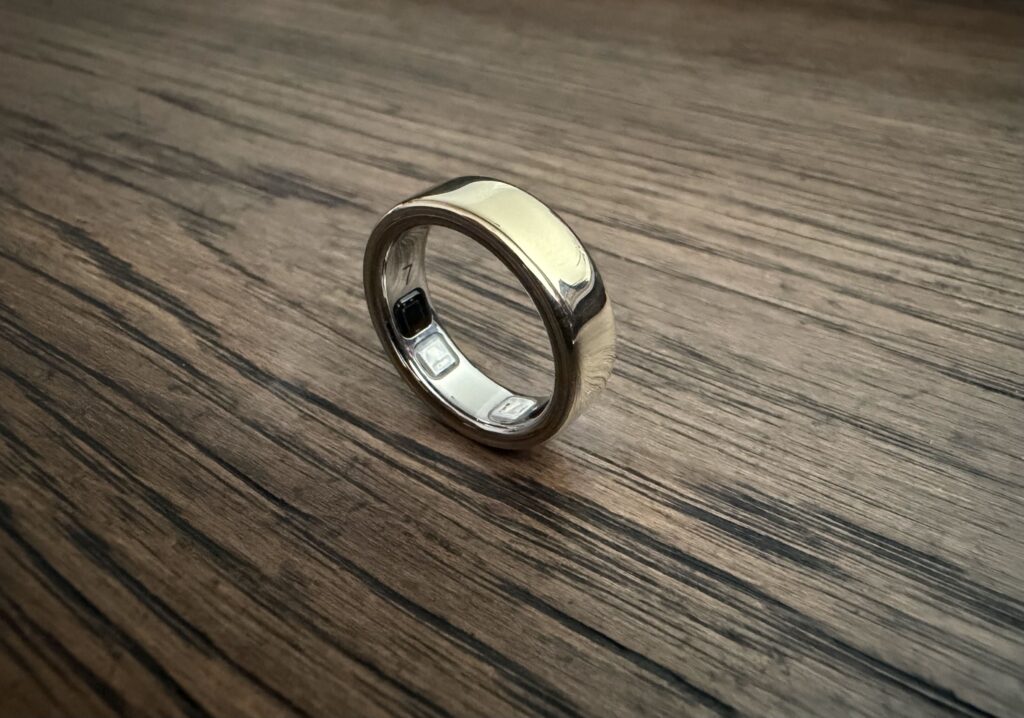
Expected revenue growth of 90 percent, 5.7 million paying members, 372 million dollars in the bank - and yet the...
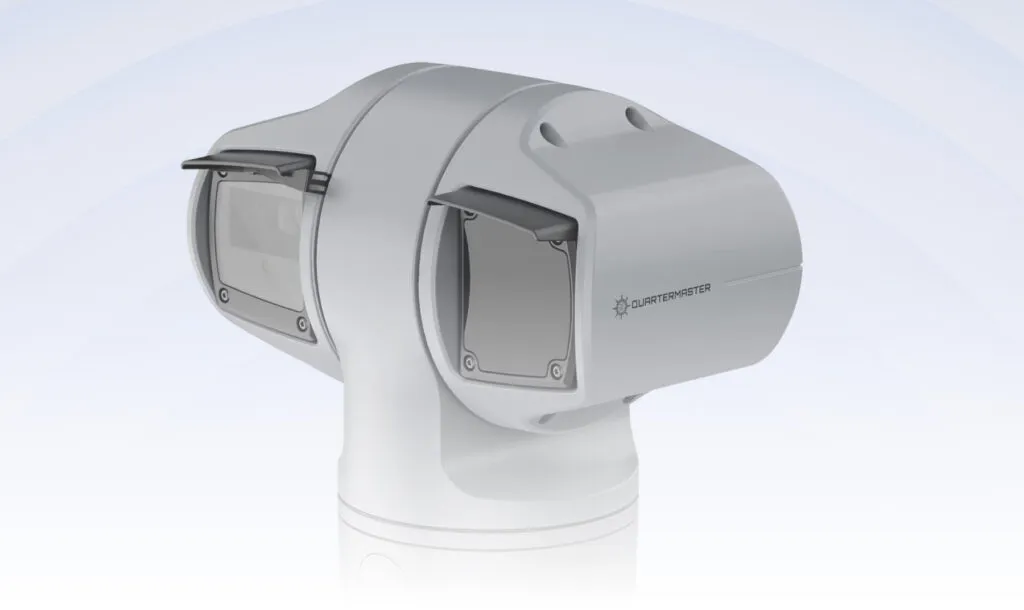
For decades, ships have reported only with a location signal. Now someone is putting eyes on the mast - and...
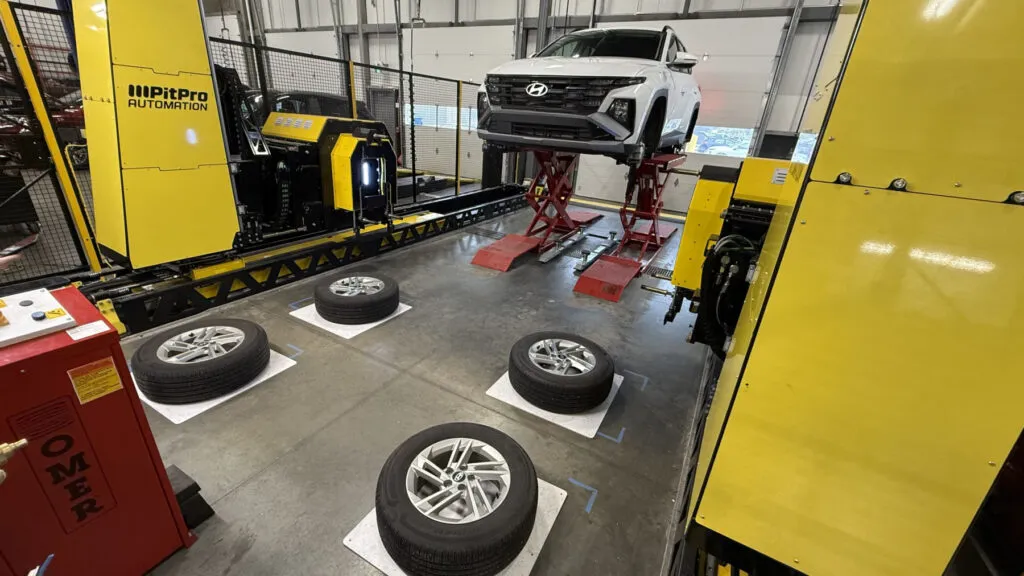
One manager had to ask for special permission to pay staff more after a fast-food restaurant across the street took...
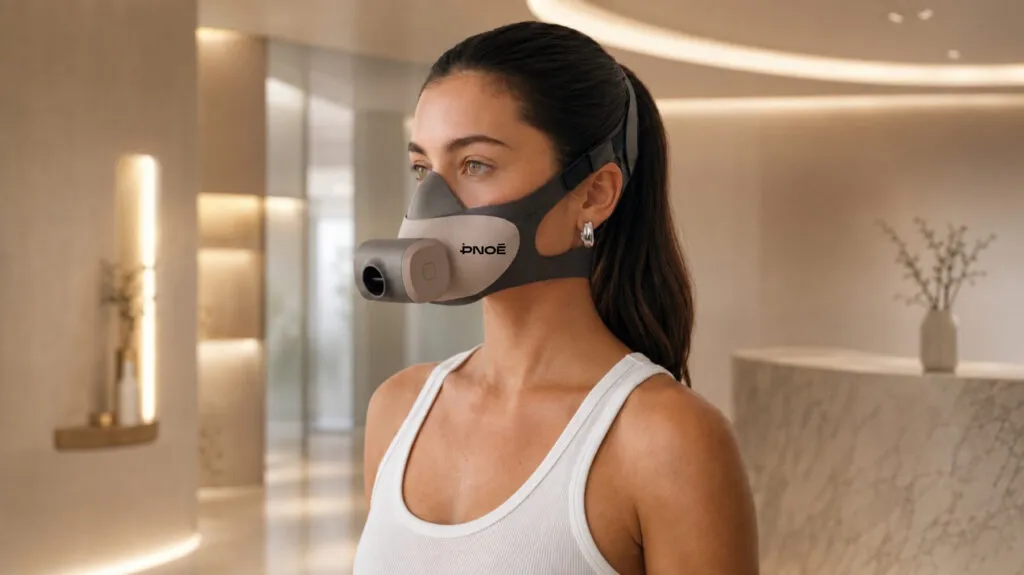
A test that until now was done by elite athletes in labs is supposed to reach gyms, with no operator...
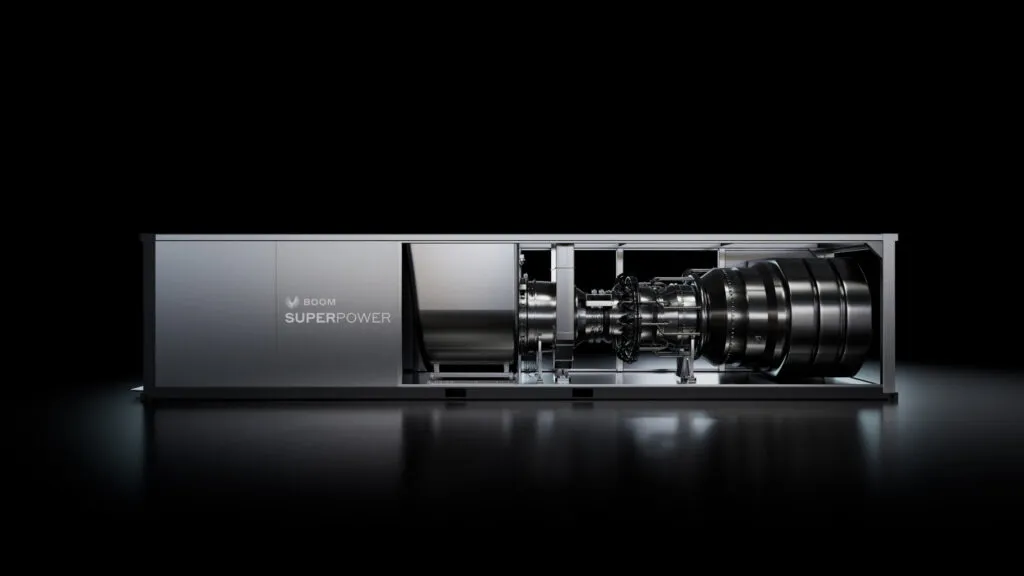
The supersonic jet maker wanted to fund its planes with electricity for data centres. Its launch partner walked away before...

You say what you want, the machine builds the app - and investors are paying more and more for it....
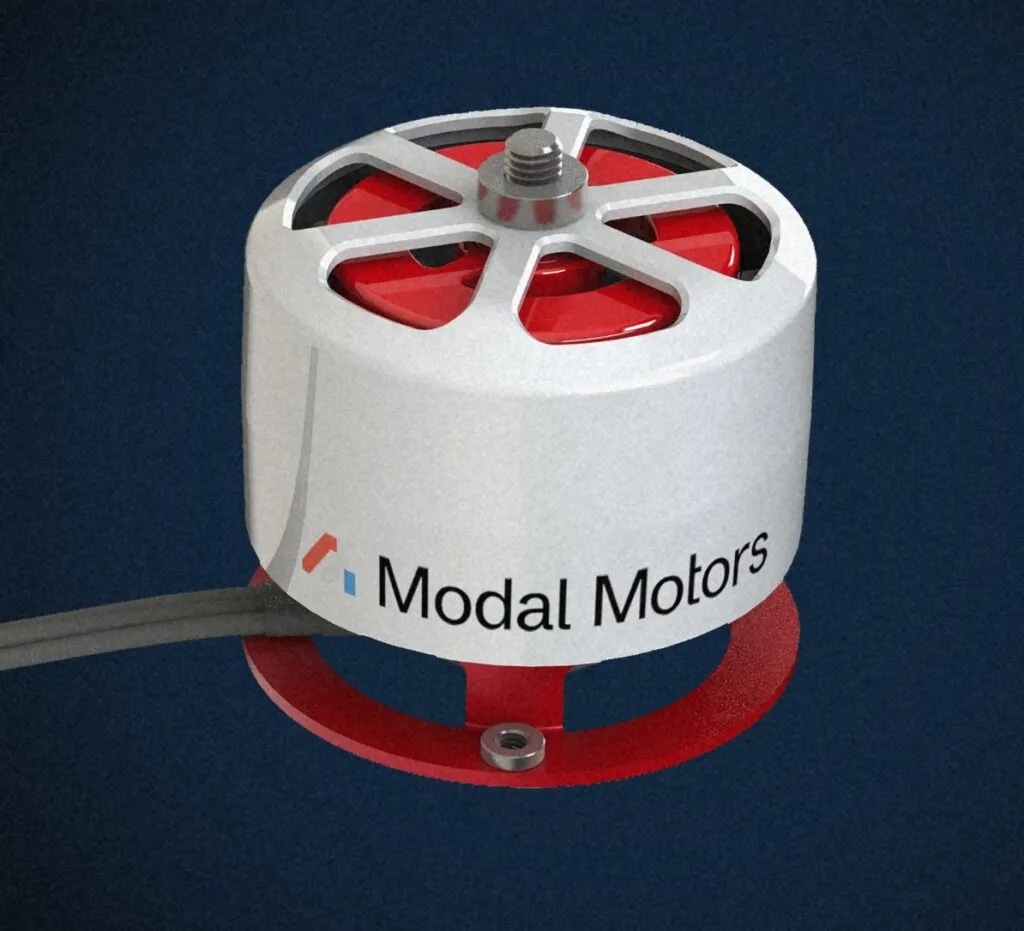
While others copy Chinese motors on American soil and wait for domestic magnets, Modal Motors is taking rare earths out...

The labs have hit the limit of what can be scraped off the internet for free, so now they buy...
This site uses cookies - is that okay? Learn more
Be the first to know when Metla launches something new
Leave your email and we will write when there is a new guide or something new on Metla.