

Fire by the railway in Prilep: residents watched black smoke over textile waste, "Komunalec" says - a small part, no danger
04.10.2026


04.10.2026

04.10.2026

04.10.2026

04.10.2026

04.10.2026

04.10.2026

04.10.2026

03.10.2026

02.10.2026

04.10.2026

04.10.2026

03.10.2026

04.10.2026

04.10.2026

04.10.2026
04.10.2026

03.10.2026

02.10.2026

04.10.2026

04.10.2026

04.10.2026

04.10.2026

04.10.2026
03.10.2026

09.03.2026

27.02.2026

19.02.2026

04.10.2026

03.10.2026

02.10.2026
02.10.2026
22.08.2026

20.08.2026

23.04.2026

23.04.2026

12.04.2026

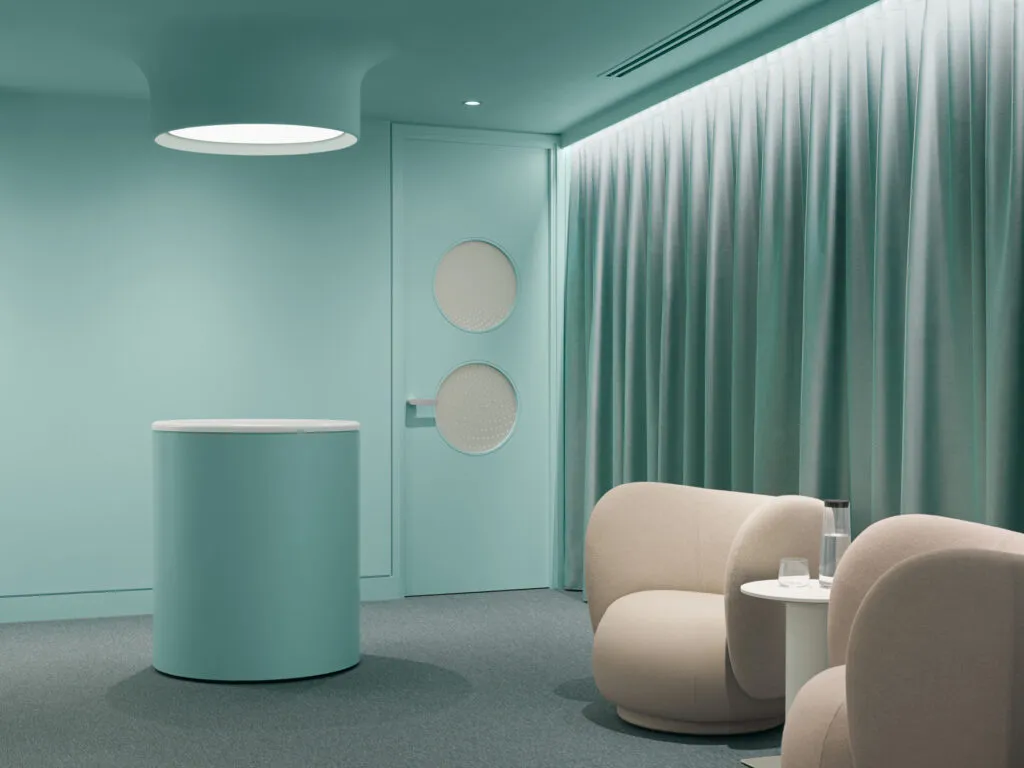
Neko Health, the body-scanning start-up founded by Spotify's Daniel Ek and Hjalmar Nilsonne, has arrived in New York. The company was founded in Sweden, has so far raised almost one billion dollars (around 870 million euros), and according to its own figures there are more than 300,000 people on its global waiting list. The check-up examines blood, skin and metabolism, takes an hour and costs 500 dollars (around 440 euros). Insurance doesn't cover it.
The story of the American expansion is told by an investor: Farooq Abbasi of Preface Ventures, who has put money into the company. He claims Americans rarely go for preventive check-ups because they fear the cost. "I think preventive care and healthcare should be cheap and accessible," says Abbasi, talking about a 500-dollar service paid out of pocket. The consolation is that the cost should be eligible for US health savings accounts. Abbasi has been scanned twice so far and, unsurprisingly, is thrilled: "I think there should be Neko clinics everywhere."
The product, he says, has grown a lot since he first tried it. "When I was scanned in the first generation, it was a blood test with 15 biomarkers," he recalls. "This time it was 55." Neko also uses computer vision for the check-ups, and Abbasi sees that as proof that artificial intelligence is improving medicine. According to him, this isn't another trendy wellness toy, but something that gives people "concrete insights for a better life".
All this is said by a man who makes money if the company succeeds, and Neko still has a long way to go in the US, especially with expansion and regulatory approvals. The irony is hard to miss: a start-up from Sweden, a country with public healthcare, is now growing in the country whose health system is known for its problems. Is 500-dollar prevention the future of medicine, or just a new way for the wealthy to feel even healthier?
The latest 10 news from this category
The first third of the plant is switched on, the target is 100 megawatts, and the site could reach 4...
Expected revenue growth of 90 percent, 5.7 million paying members, 372 million dollars in the bank - and yet the...
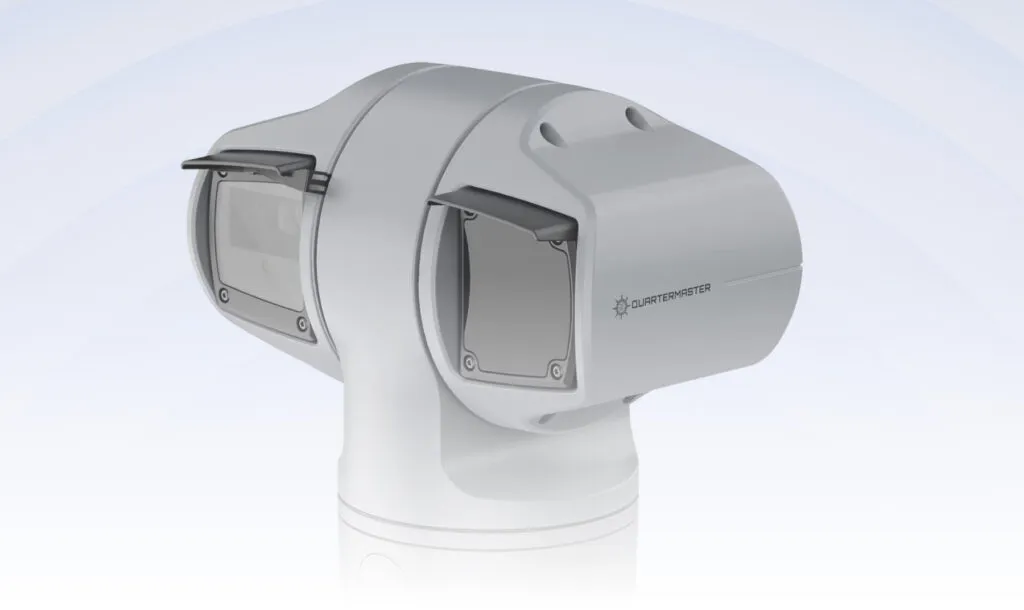
For decades, ships have reported only with a location signal. Now someone is putting eyes on the mast - and...
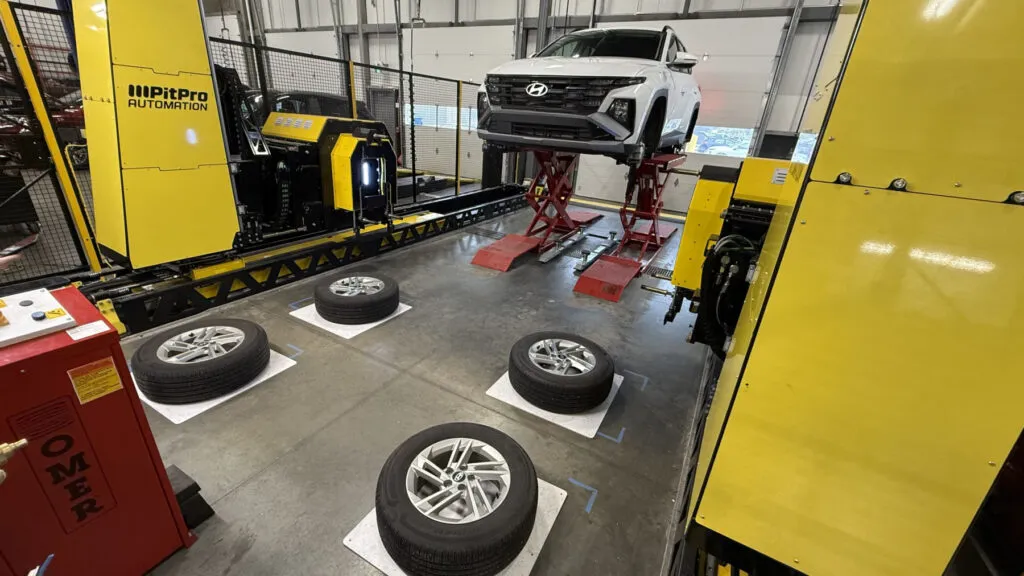
One manager had to ask for special permission to pay staff more after a fast-food restaurant across the street took...
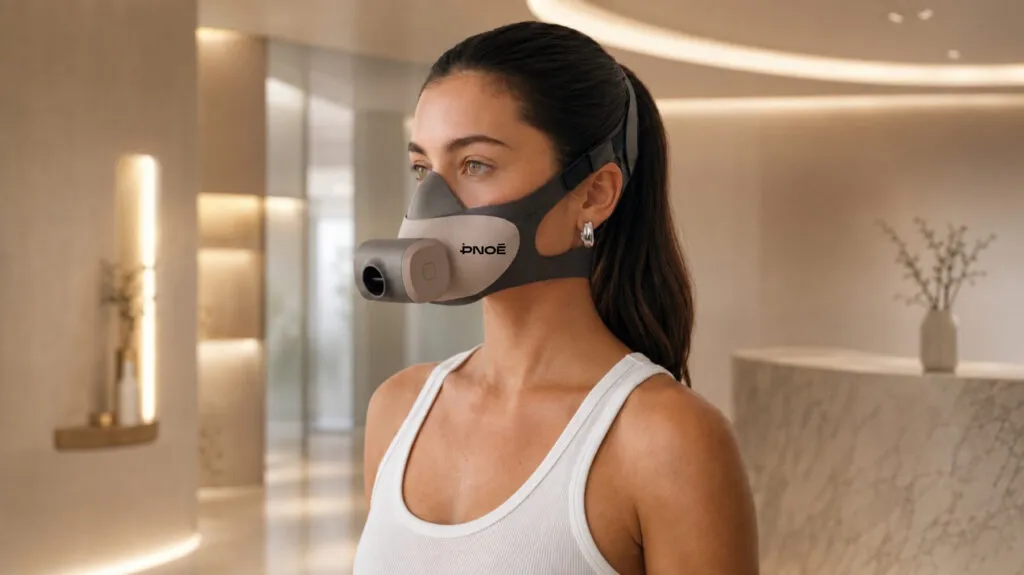
A test that until now was done by elite athletes in labs is supposed to reach gyms, with no operator...
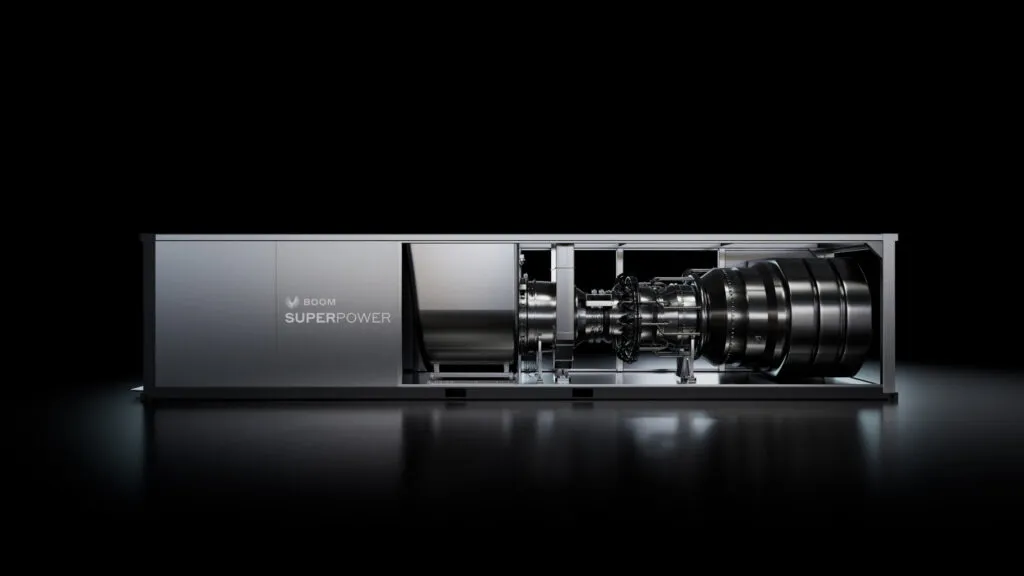
The supersonic jet maker wanted to fund its planes with electricity for data centres. Its launch partner walked away before...

You say what you want, the machine builds the app - and investors are paying more and more for it....
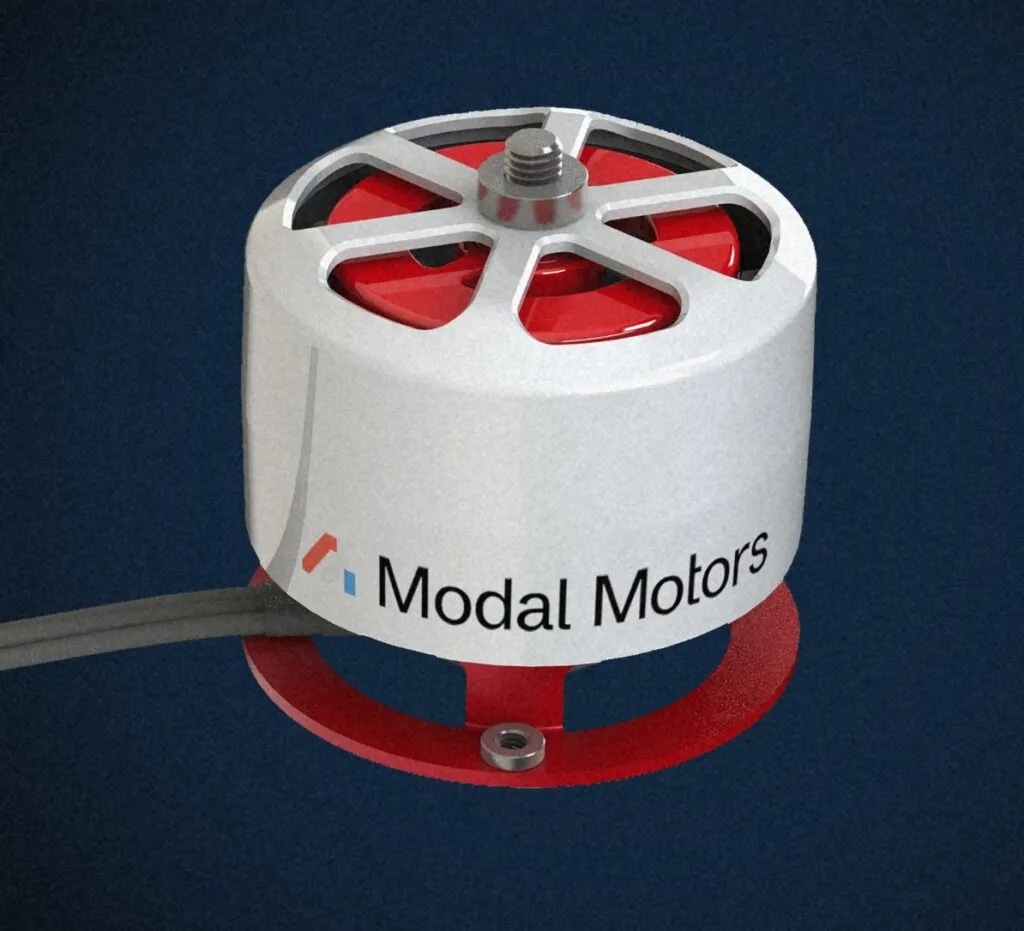
While others copy Chinese motors on American soil and wait for domestic magnets, Modal Motors is taking rare earths out...

The labs have hit the limit of what can be scraped off the internet for free, so now they buy...
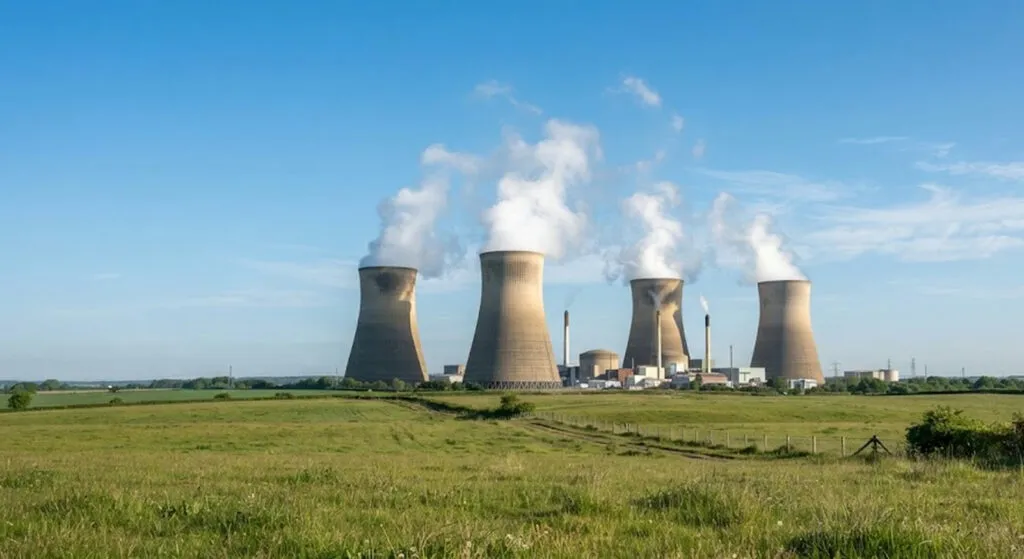
The 50-megawatt reactor is due to start up in 2030, and by 2035 Google wants 500 megawatts. When data centres...
This site uses cookies - is that okay? Learn more
Be the first to know when Metla launches something new
Leave your email and we will write when there is a new guide or something new on Metla.