


They Rode In on Scooters, Torched the Shops and Left: The Fire in Shuto Orizari Burned for Three Hours, Setting It Took Fifty Seconds
13.09.2026


13.09.2026

13.09.2026

13.09.2026

13.09.2026

13.09.2026

13.09.2026
13.09.2026

12.09.2026

11.09.2026

13.09.2026

13.09.2026

12.09.2026

13.09.2026

13.09.2026

13.09.2026
13.09.2026

12.09.2026

11.09.2026
13.09.2026

13.09.2026
13.09.2026

13.09.2026

13.09.2026

12.09.2026

09.03.2026

27.02.2026

19.02.2026
13.09.2026

12.09.2026

11.09.2026

23.04.2026

23.04.2026

12.04.2026

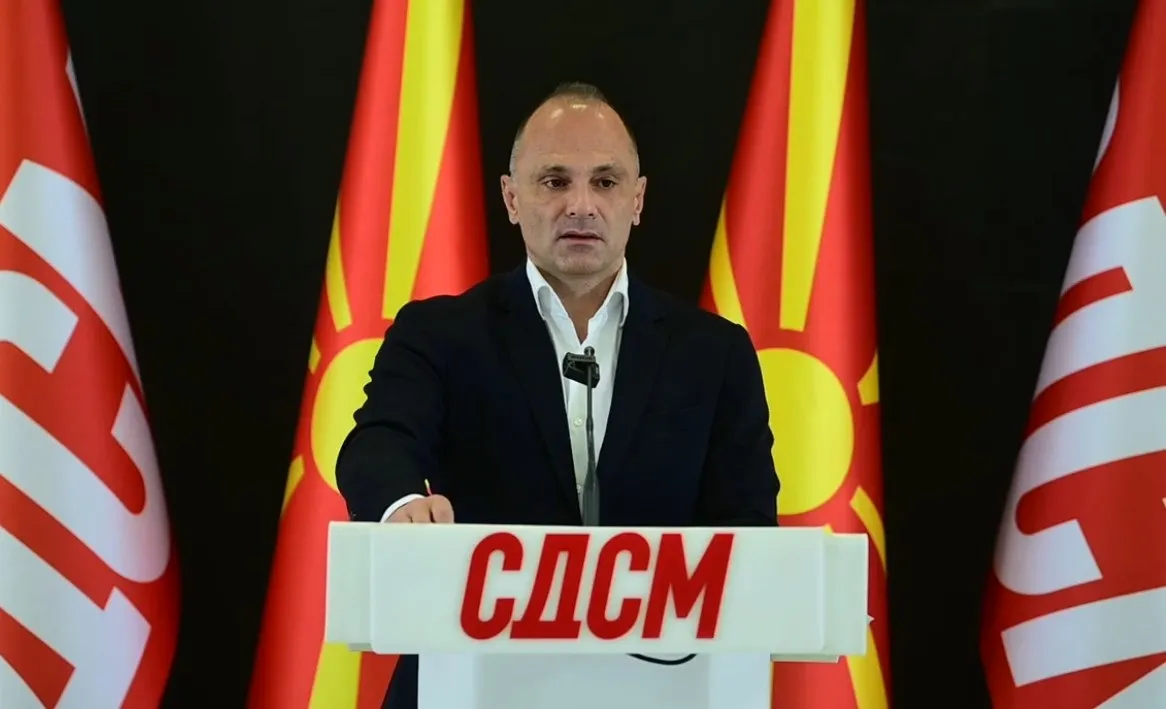
On 26 July, the day Skopje marked the 63rd anniversary of the earthquake, SDSM leader Venko Filipče wrote that the city and the entire country are being destroyed again - only this time not by a natural disaster, but by a systemic one.
„Today we remember and pay tribute to the victims of the devastating earthquake in Skopje on 26 July 1963. Sixty-three years ago, at 5:17, in just twenty seconds, the city was turned into rubble”, the post reads. Filipče recalled the lives lost and the thousands of families left without a home.
Then comes the political part. Skopje, once an example of solidarity and progress, is in his view today a symbol of neglect, chaos and lost opportunities. „The central and local government of VMRO show solidarity only when it comes to party and criminal interests, while society sinks into institutional chaos, poverty and hopelessness.”
The metaphor is well chosen - an earthquake lasting years instead of twenty seconds. But it is worth remembering what stands behind any politician who uses it: SDSM was in power from 2017 to 2024, meaning seven of those 63 years the city was its responsibility. Illegal construction, lost green space and institutional chaos did not appear on 1 June 2024.
That does not make the criticism invalid. It means criticism from a party with a recent term is worth exactly as much as it is specific - which project is blocked, which tender is suspicious, which decision was never implemented. That is the difference between an opposition that works and an opposition that writes anniversary posts.
What all of this leaves outside the party sentences is precisely what actually holds the city together: in 1963 Skopje got back on its feet because people and the world helped, not because some government proved capable. That is a fact both Filipče and those he criticises can calmly acknowledge.
The latest 10 news from this category
Five negations in one sentence, pension growth "16 times higher" with not a single figure beside it, and a third...
One side waits for a letter, another waits for a different commission, a third waits for consent. In those same...
The commission's chairman says it only checked whether the documents were complete. The public call says something else entirely -...
Three candidates, two of them lawyers, one of them employed by the very municipality he is running for. The line...
People are sitting in prison on the basis of verdicts that no longer exist, because the written reasoning has not...

The government says the celebration cost citizens nothing from the budget. But the chairman of the committee that assessed the...
The government tasked the Lottery on 28 April, two days later a call went out with a five-day deadline, and...
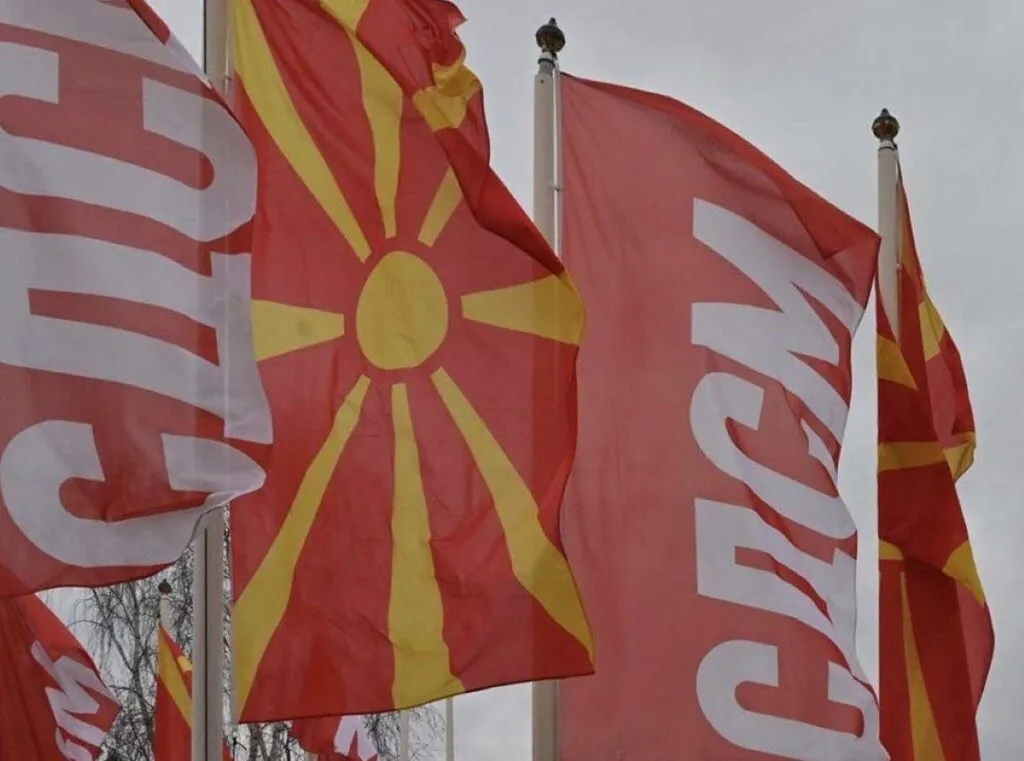
The opposition estimates at least a million euros for David Guetta's set alone and up to five million in total....
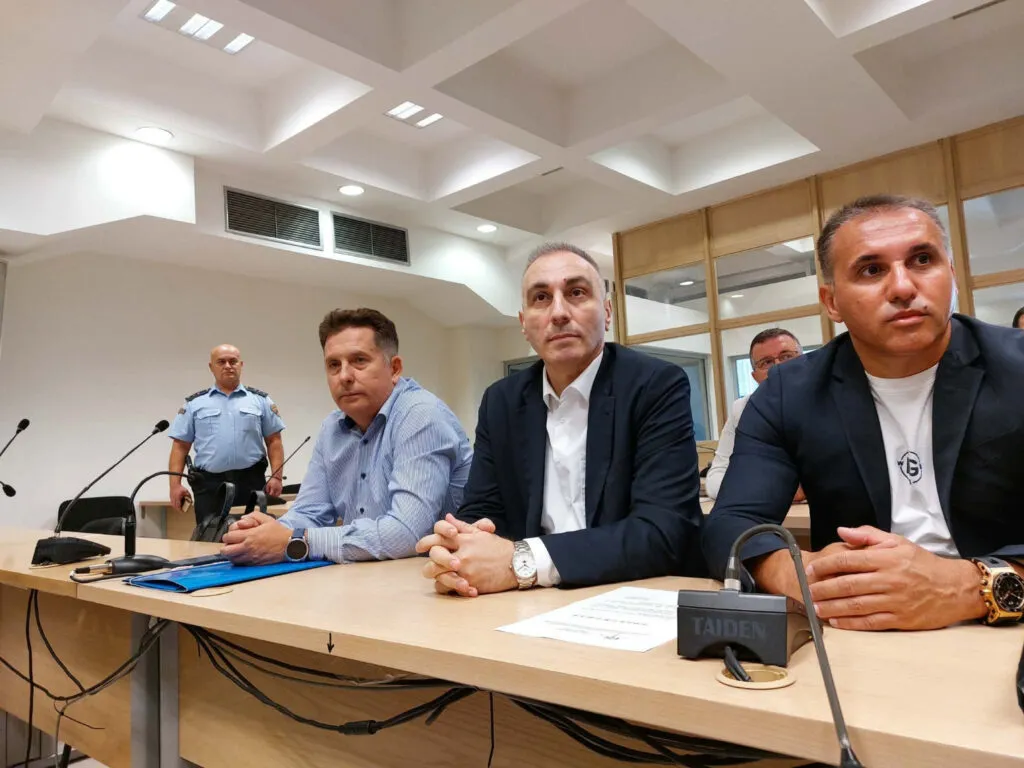
In court, Grubi said a short "No". The prosecution raised the damage by one and a half million euros -...
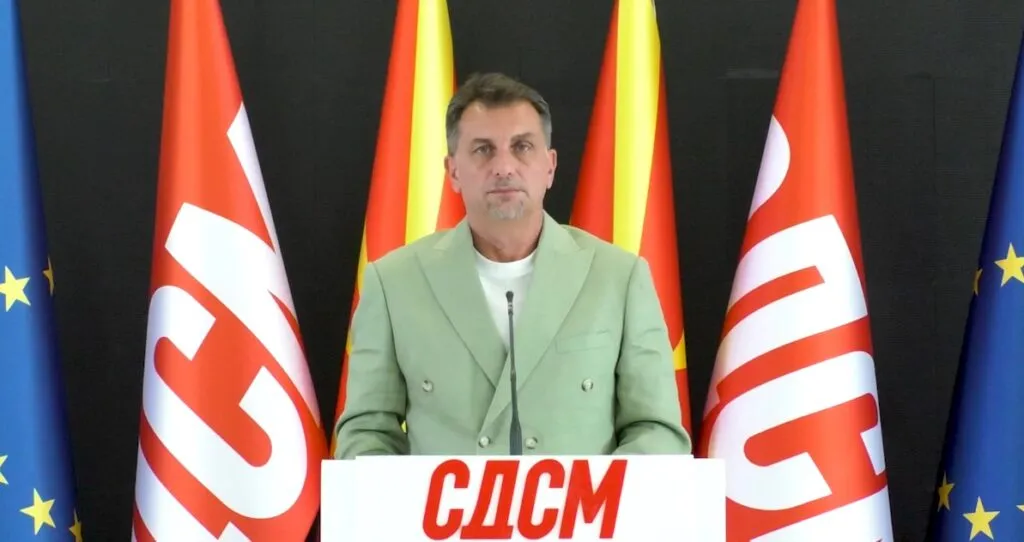
The opposition says around 250 children with disabilities started the year without an assistant. The ministry says a record 1,524...
This site uses cookies - is that okay? Learn more
Be the first to know when Metla launches something new
Leave your email and we will write when there is a new guide or something new on Metla.
