
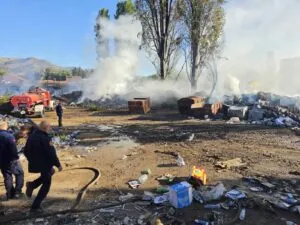
Fire by the railway in Prilep: residents watched black smoke over textile waste, "Komunalec" says - a small part, no danger
04.10.2026


04.10.2026
04.10.2026

04.10.2026
04.10.2026
04.10.2026
04.10.2026
04.10.2026

04.10.2026
04.10.2026

04.10.2026
04.10.2026
03.10.2026
04.10.2026

04.10.2026

04.10.2026
04.10.2026
03.10.2026

02.10.2026
04.10.2026

04.10.2026

04.10.2026
04.10.2026

04.10.2026
03.10.2026

09.03.2026

27.02.2026

19.02.2026
04.10.2026
04.10.2026
03.10.2026
04.10.2026

02.10.2026
22.08.2026

23.04.2026

23.04.2026

12.04.2026

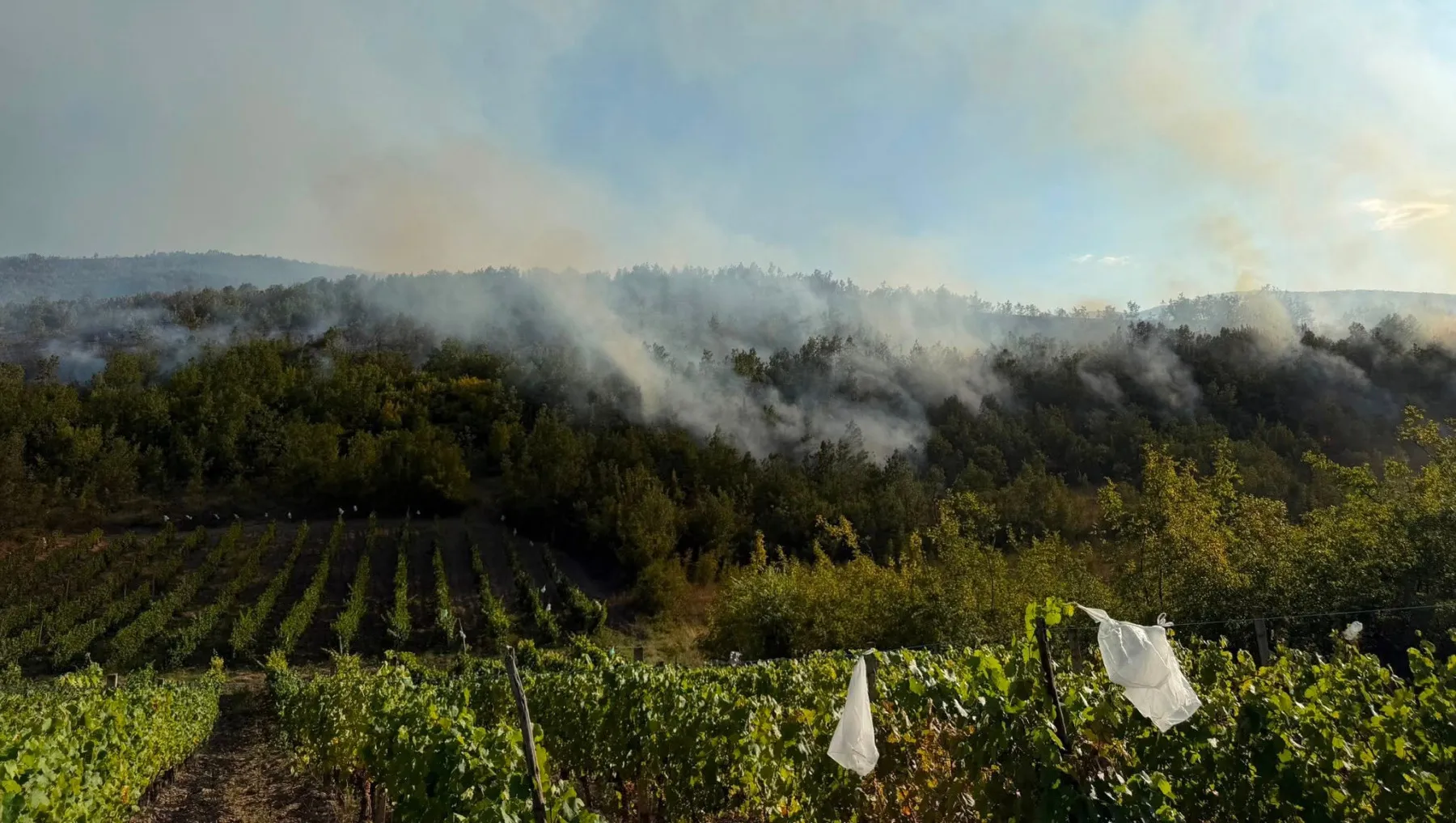
Twenty-three open-air fires in a single 24-hour stretch. Twenty put out by morning, two still active, one under control. That is the bookkeeping of one August day in Macedonia, published by the Crisis Management Centre as routine morning information.
And that is exactly the problem - that it's routine.
The most serious active fire is burning in the Makedonski Brod municipality, near the site of Vidus close to the village of Dragov Dol. Low vegetation, low-growth forest and shrubland are affected. The second active fire is in the Kumanovo neighbourhood of Sredorek, where rubbish is burning. The fire at the municipal landfill in Delcevo is under control.
Look at the list, that's where the story is
The evening before, the centre had logged 15 fires by 6pm - six active, two under control, seven extinguished. The map of those fires is close to a geographical survey of the country: Struga near Dolna Belica, Centar Zupa near Plarenik, Kicevo close to the Turkish cemeteries, Bitola near Bukri, Dolneni near Zitose. The extinguished ones - Novaci on the road in front of the Bitola power plant, Veles near Kulata, Bosilovo between Turnovo and Sekirnik, Stip near Lakavica, Gradsko beside "Zito Vardar", Negotino near the Krivolak military range, Aracinovo.
Notice what burns most often: low vegetation, stubble, shrubs, rubbish, landfills. These are not forest catastrophes falling out of the sky. These are fires that start at human level - a discarded cigarette, stubble set alight after the harvest, a landfill smouldering for weeks because nobody covered it.
The landfills are a story of their own
Among the active and controlled fires, landfills are a recurring motif. Kriva Palanka at the exit from town. The municipal landfill in Delcevo. Rubbish in Sredorek. When a municipal landfill catches fire in August, that isn't an accident - it is the predictable consequence of how waste is managed. Rubbish that sits in heaps for months, on parched ground, at temperatures above thirty degrees, at some point simply starts to burn.
The difference between a landfill fire and a forest fire is that the first has an exact address and an exact operator. So why is the picture the same every summer?
High temperatures, dried-out vegetation, the same scenario
The conditions are objective - high temperatures and dried-out vegetation, when even a small source of fire can spread fast across a large area. That is true and nobody argues otherwise. But the climate does not set a landfill alight, nor does it torch stubble beside a motorway.
Twenty-three fires in a day sounds alarming until you get used to the number. And we have got used to it. The centre issues a bulletin, the media relay it, and the next morning the number is similar. What is missing isn't information - we have precise information, down to the name of the village. What is missing is someone who will look at that list and ask why the same municipality appears on it every summer.
The latest 10 news from this category
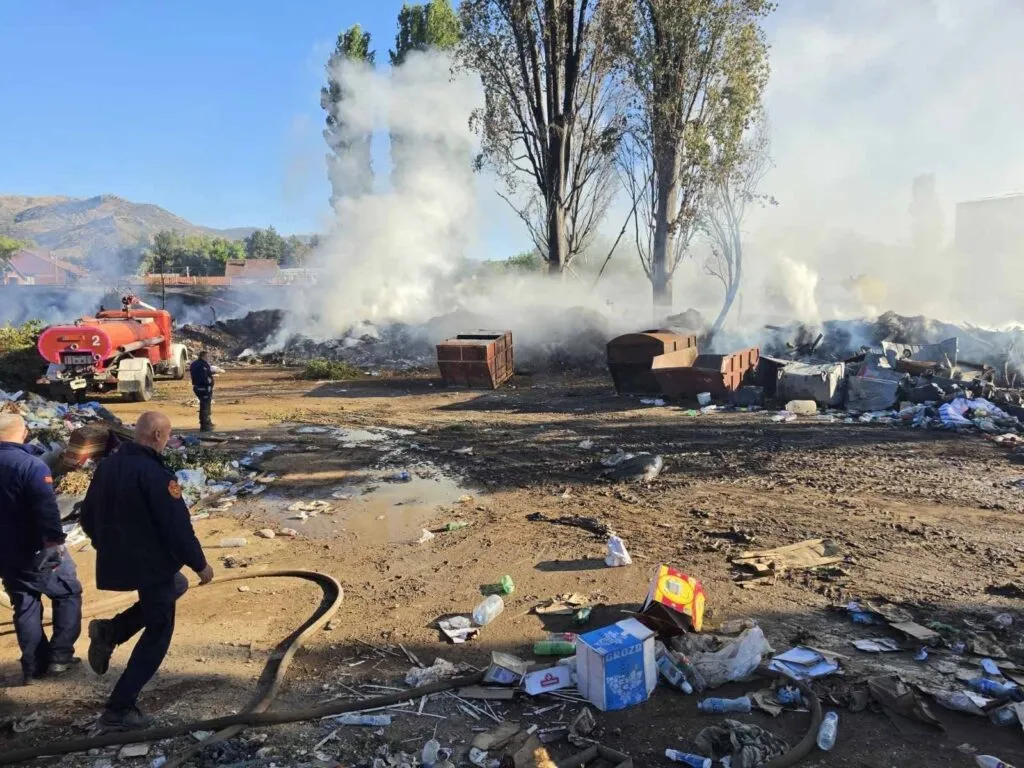
On one side, thick, choking smoke visible even from the road to Bitola. On the other - a statement that...
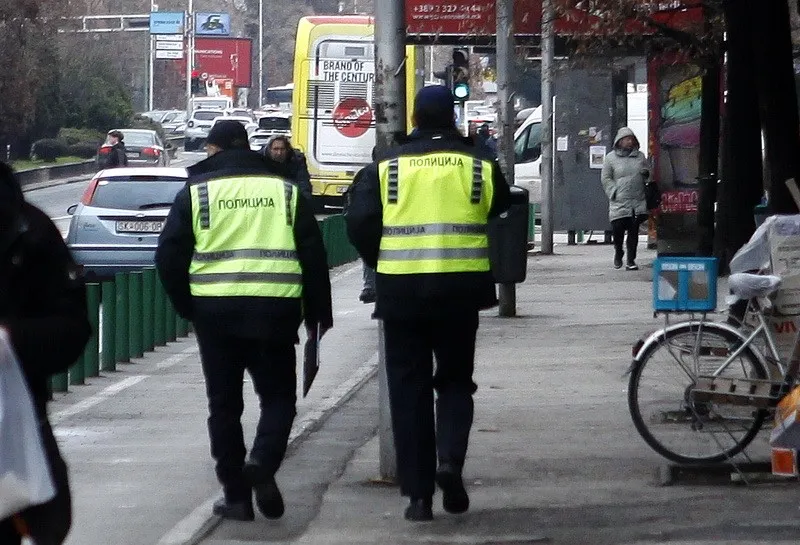
A fifteen-year-old robbed under threat of a sharp object, three primary school pupils attacked on a day trip, a seventeen-year-old...
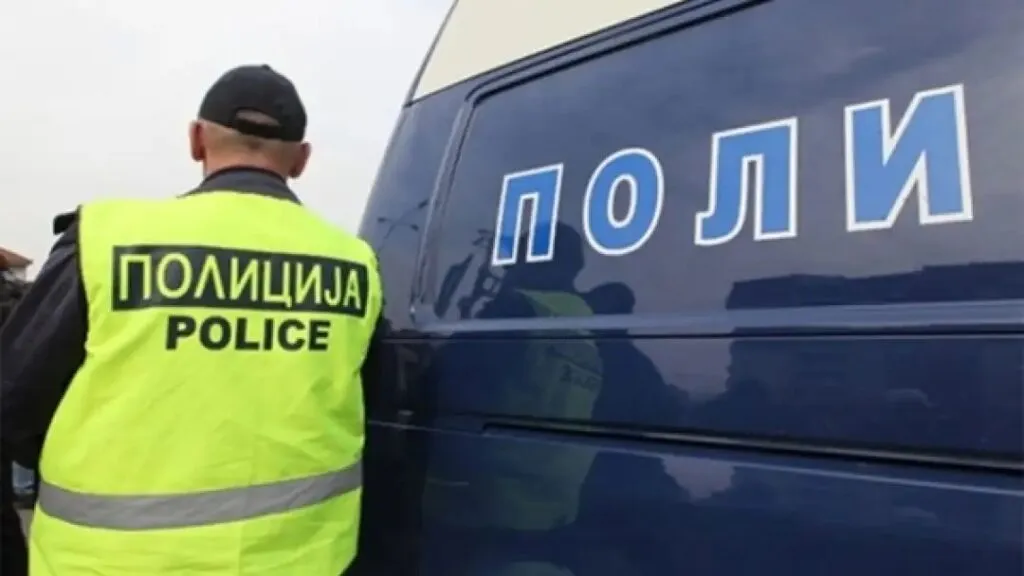
Unresolved property relations over a village road, a sharp object and traces of blood. The 75-year-old suspect has been detained.
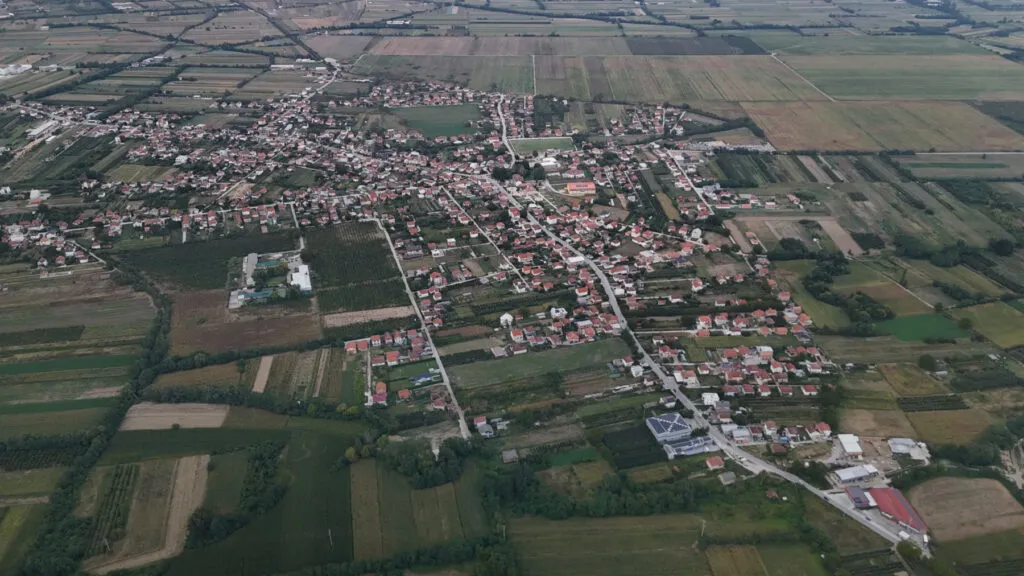
Extending the old road, water for Gurgurnica, young people who shouldn't leave and municipal companies. One candidate didn't respond to...

Minister Velkovski opened the centre and spoke of a society in which everyone has an equal chance. Capacity is 12...
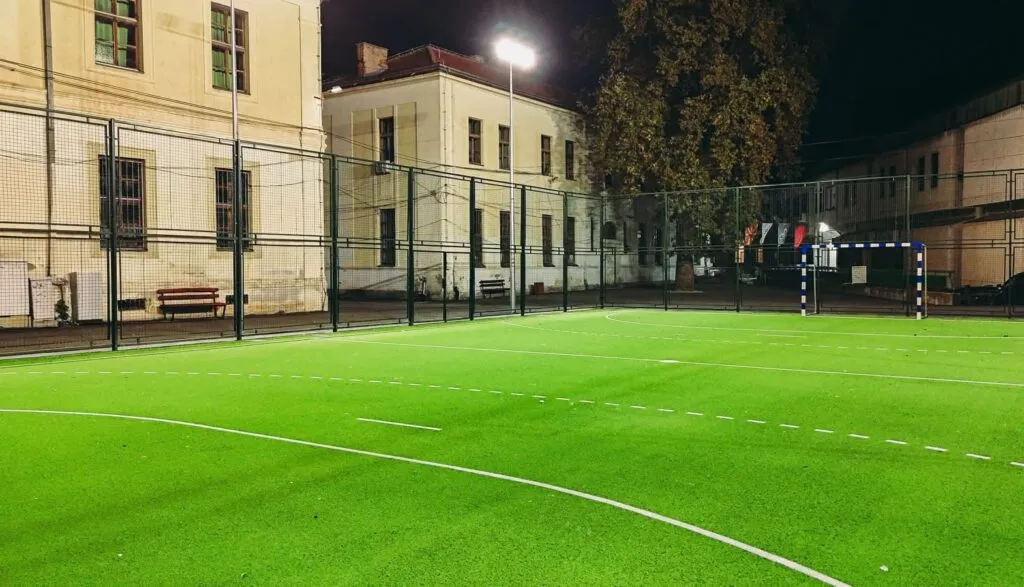
Futsal, handball and basketball, a fence and lighting. The money comes from a government call, and the real test comes...
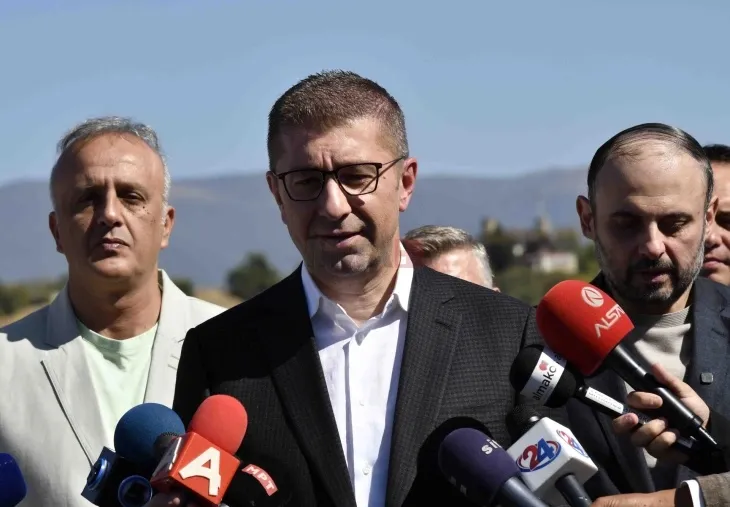
The constitutional changes stay on the table, and Skopje has requested a bilateral meeting with Bulgaria. So far there is...
As Greece handed Bulgaria the remains identified as Samuel's, the prime minister answered with history. His dates didn't add up.

Just to preserve the purchasing power of the 140 denars, food prices say it should be around 151. Instead, the...
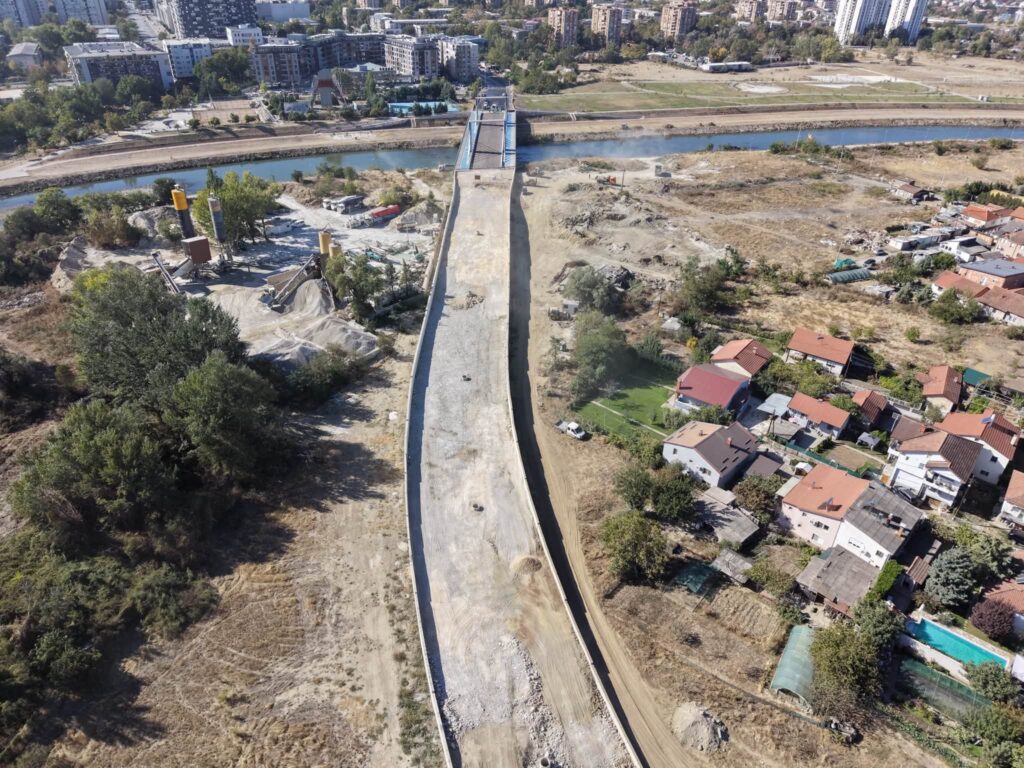
A new link to Zlokukjani, Bardovci and the Industrial Zone, four lanes and 40 street lights. Gjorgjievski pinned the blame...
This site uses cookies - is that okay? Learn more
Be the first to know when Metla launches something new
Leave your email and we will write when there is a new guide or something new on Metla.