

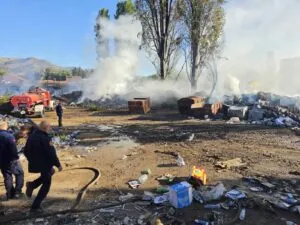
Fire by the railway in Prilep: residents watched black smoke over textile waste, "Komunalec" says - a small part, no danger
04.10.2026


04.10.2026
04.10.2026
04.10.2026
04.10.2026
04.10.2026
04.10.2026
04.10.2026
03.10.2026

02.10.2026

04.10.2026
04.10.2026

03.10.2026
04.10.2026

04.10.2026

04.10.2026

04.10.2026
03.10.2026

02.10.2026
04.10.2026

04.10.2026

04.10.2026
04.10.2026

04.10.2026
03.10.2026

09.03.2026

27.02.2026

19.02.2026
04.10.2026
03.10.2026
02.10.2026
02.10.2026
22.08.2026
20.08.2026

23.04.2026

23.04.2026

12.04.2026

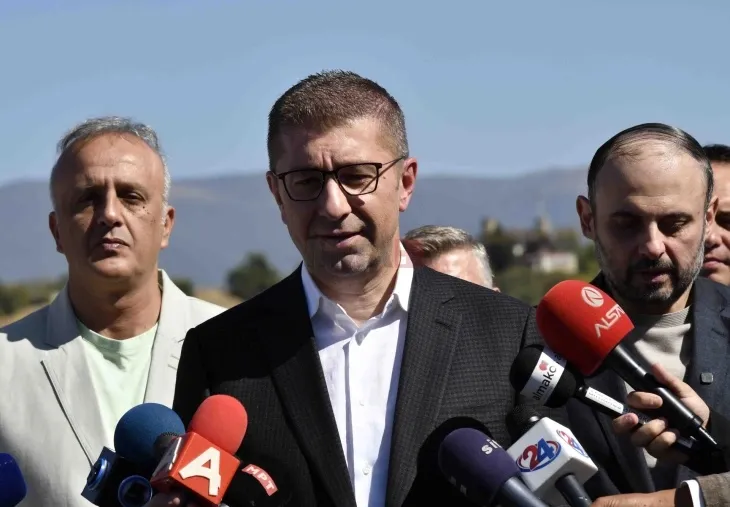
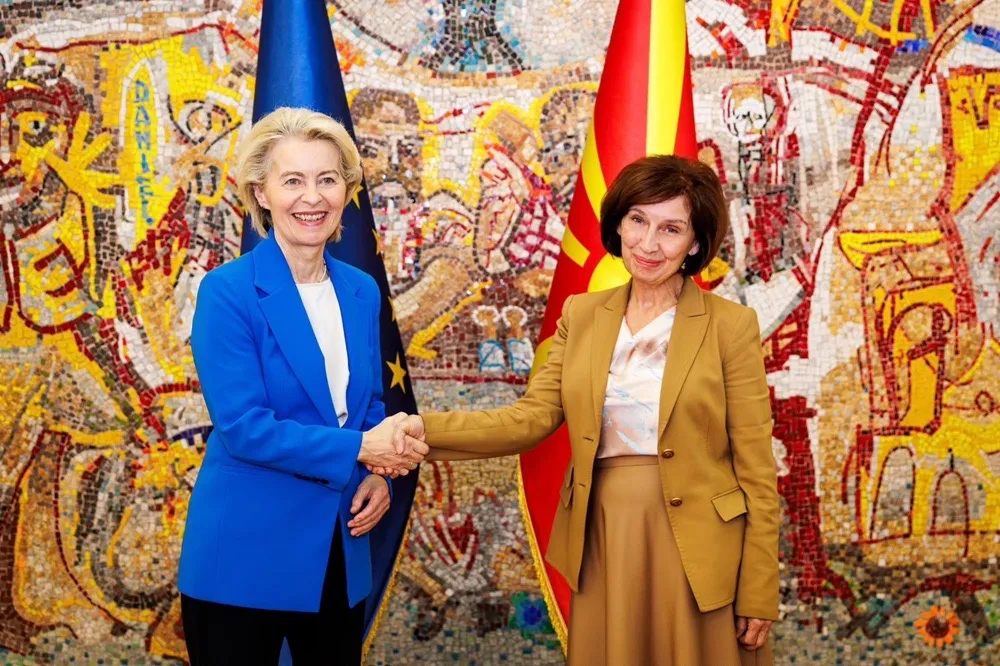
A day after meeting European Commission President Ursula von der Leyen, Prime Minister Hristijan Mickoski described the meeting as "exceptionally friendly, useful, substantive". Then he said the sentence that is actually the news: "I can't say I am satisfied with the messages the President sent."
The reason is as old as the process itself. "She said clearly that changing the Constitution is on the table, something that was accepted by the previous government," Mickoski said after inspecting the construction works on the "Ljubljanska" bridge in Karposh. Brussels has been repeating it for years: adding Bulgarians to the Constitution is the key step before opening the "Fundamentals" cluster and a precondition for the next phase of negotiations.
What is new lies elsewhere. After what he himself called "constructive advice" from von der Leyen, Mickoski asked Foreign Minister Timcho Mucunski to request a bilateral meeting with his Bulgarian counterpart Velislava Petrova on the sidelines of the Corridor 8 meeting. The request has been sent; there is no answer from Sofia yet. "I don't expect it, it wouldn't be smart to refuse," the prime minister said, adding that if they do refuse, "all the theses we hold will be confirmed once again".
The diplomatic breakthrough, however, has a modest history. Mucunski and Petrova already met in May on the sidelines of a NATO ministerial, and back in February the Foreign Ministry announced that a bilateral meeting had been initiated. Asking for a conversation with Sofia didn't require advice from Brussels. For years the government has been asking the EU to get more involved in the dispute, and when Brussels passes the ball back to Sofia, the prime minister accepts it as a step forward - while at the same time being unhappy that the Union has nothing new to offer.
The opposition reads the same thing differently. SDSM's Bogdanka Kuzeska says Mickoski asked for EU mediation and got told to go to Bulgaria, which according to her means worse positions, because the problem is reduced to a bilateral one. Mickoski, for his part, called his predecessors "quislings who sell out" and announced that he will travel to Brussels twice in November - to meet Enlargement Commissioner Marta Kos and for the EU-Western Balkans summit.
"We've got to talks," the prime minister said. Fine. But a conversation on its own is not a solution, and the condition on the table hasn't moved a millimetre. What exactly will Skopje say at that meeting, if Sofia accepts it at all, that it hasn't already said?
The latest 10 news from this category
As Greece handed Bulgaria the remains identified as Samuel's, the prime minister answered with history. His dates didn't add up.
Brussels said what we wanted to hear about identity - and what we didn't want to hear about the process....
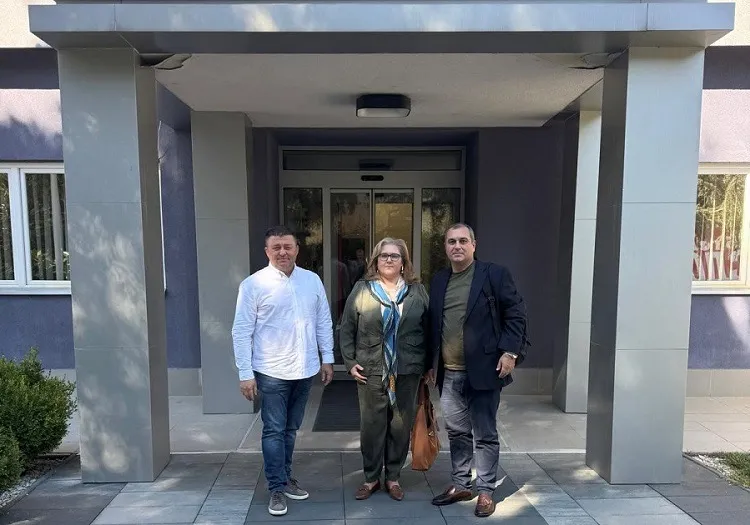
Instead of a debate about why the opposition isn't growing, SDSM is busy debating who works for whom. The government...
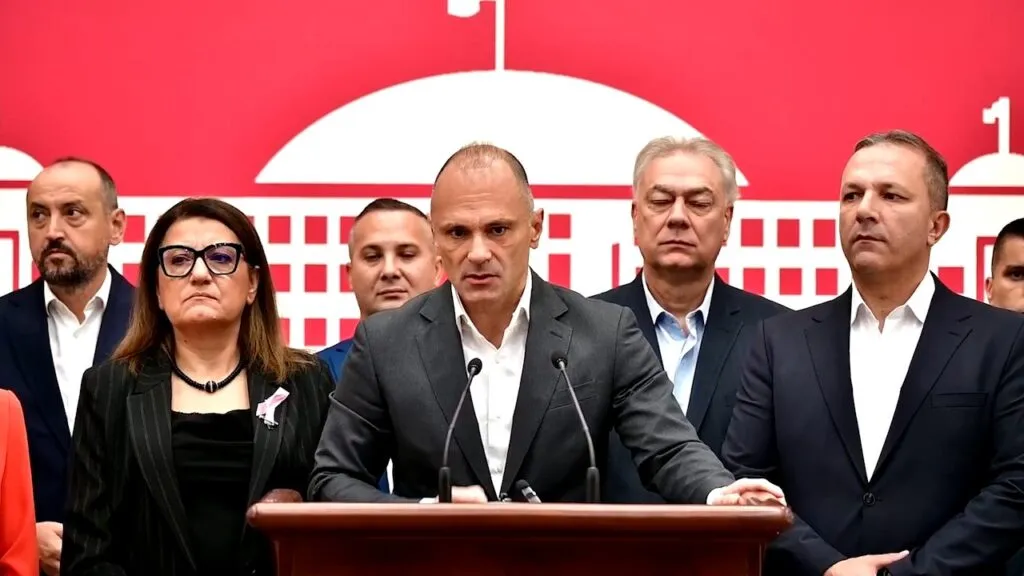
The opposition says Macedonia has been left off Europe's roadmap, the government calls that hate speech. After "hen", "louse" and...
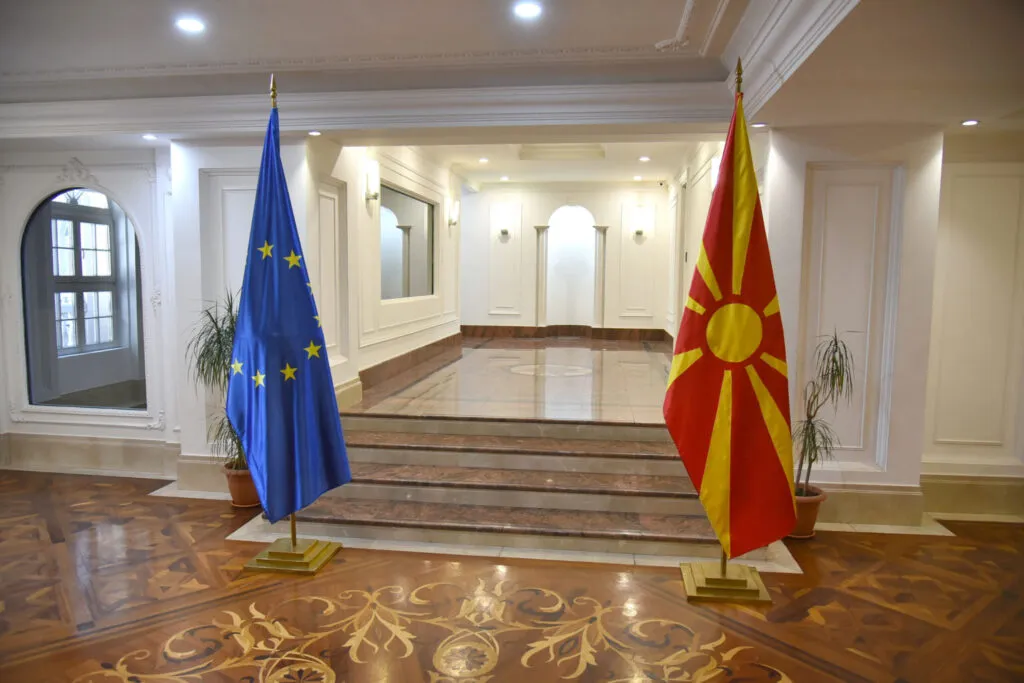
In 2022 Skopje and Tirana opened negotiations together. Now Tirana is being considered for fast-track membership, Skopje is not in...
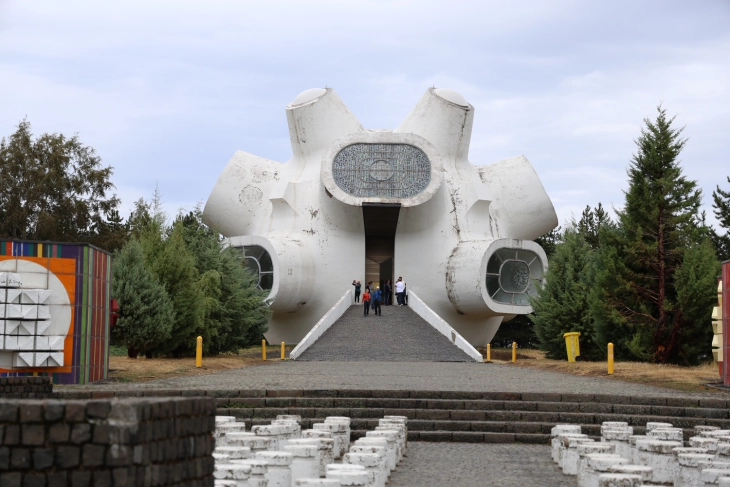
The National Gallery director was dismissed after an inspection, the Krushevo museum director resigned over "Sexy Mama". The cases are...
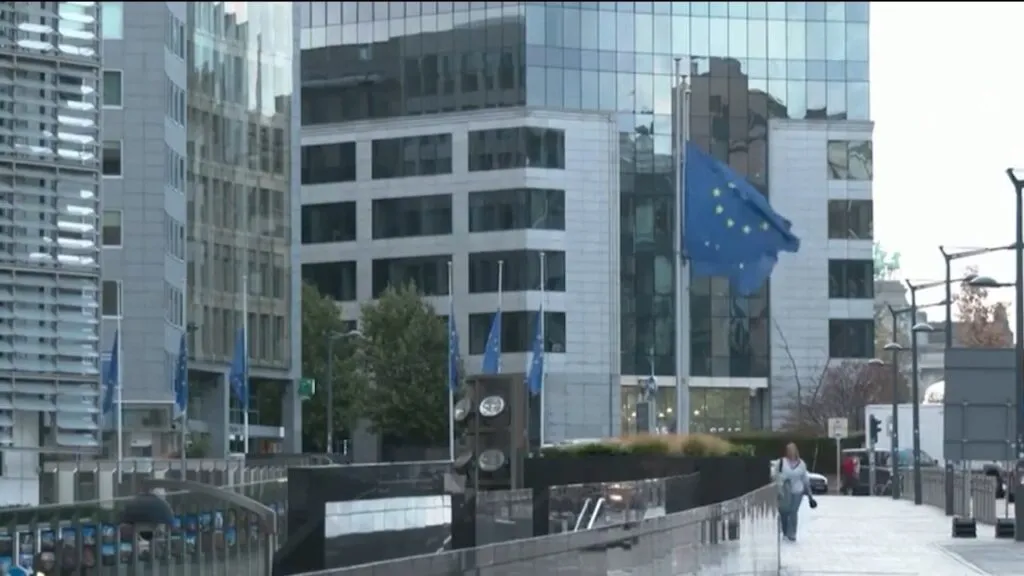
Mickoski calls the report illogical and says his information is different. Montenegro, Albania, Ukraine and Moldova are getting roadmaps, according...
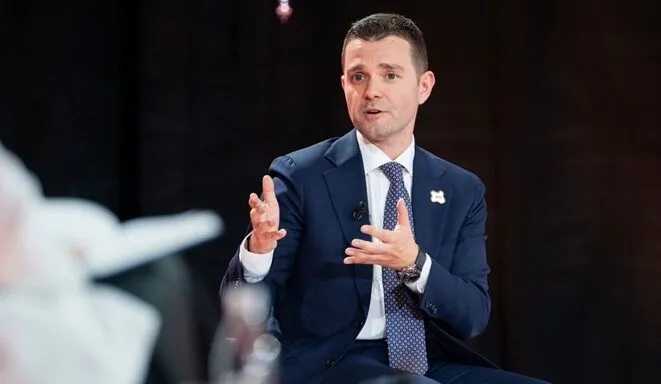
Bilateral meetings with Bulgaria are getting nowhere, the minister says, and the EU has to step in directly. A mediator...
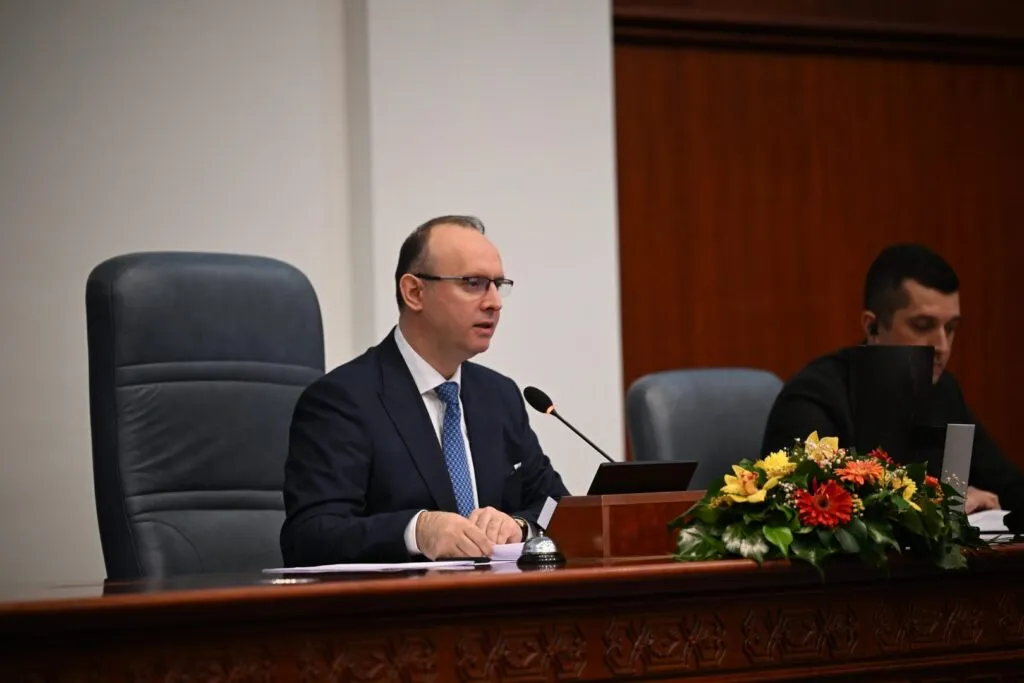
VMRO-DPMNE, SDSM and Vlen are all in the delegation. The press release has an itinerary, but not a single word...
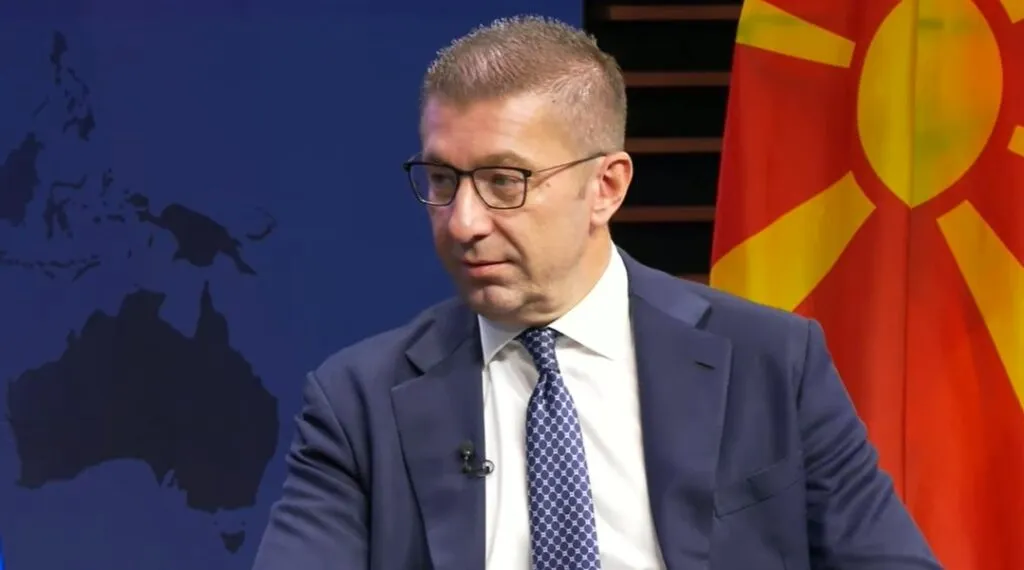
The prime minister wants the EU at the table with Skopje and Sofia. Bulgaria replies that it's open to dialogue...
This site uses cookies - is that okay? Learn more
Be the first to know when Metla launches something new
Leave your email and we will write when there is a new guide or something new on Metla.