
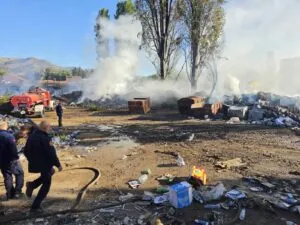
Fire by the railway in Prilep: residents watched black smoke over textile waste, "Komunalec" says - a small part, no danger
04.10.2026


04.10.2026
04.10.2026

04.10.2026

04.10.2026

04.10.2026

04.10.2026

04.10.2026

03.10.2026

02.10.2026

04.10.2026
04.10.2026

03.10.2026
04.10.2026

04.10.2026

04.10.2026

04.10.2026

03.10.2026

02.10.2026
04.10.2026

04.10.2026

04.10.2026

04.10.2026

04.10.2026
03.10.2026

09.03.2026

27.02.2026

19.02.2026

04.10.2026

03.10.2026
02.10.2026
02.10.2026
22.08.2026

20.08.2026

23.04.2026

23.04.2026

12.04.2026


Almost one in ten cigarettes smoked in the European Union comes from the black market, and the annual loss to the budgets of the EU and its member states is estimated at around 13 billion euros. That is the conclusion of a new report by the European Court of Auditors. According to the data it cites, illegal cigarettes made up around 8.8 percent of total consumption in the Union in 2023.
What has changed is where they are made. Smuggling still exists, but illegal production is increasingly moving inside the Union itself, close to the buyers. In Belgium, in February 2025, a factory in Lommel was shut down that had been running 24 hours a day, with four lines each producing around a million cigarettes an hour. In September this year another one fell near Ninove - the twelfth in Belgium since the start of the year. In Spain, at the largest factory uncovered so far, around three million packs worth 15 million euros were seized and 20 people arrested.
"Criminals involved in the illicit tobacco trade succeed not because Europe lacks laws, but because there are still gaps in coordination, information sharing and enforcement," said Petri Sarvamaa of the European Court of Auditors.
Macedonia is on the map too
KPMG's study for 2025 shows that Macedonia has a lower share of illegal cigarettes than many European markets, but it is growing: around 3.6 percent of consumption, 1.3 percentage points more than in 2024. A more concrete picture comes from the Customs Administration's operation "Filter": seven cases of organised smuggling, around 70 million cigarettes illegally put on the market and more than six million euros in duties dodged.
The most uncomfortable detail of "Filter" is the list of those involved. Besides transport and import companies and private individuals, the case also covered police and customs officers. The European auditors are calling for better coordination between institutions. In Macedonia the question is more basic - coordinate with whom, exactly, when the smuggling involves people from the very institutions that are supposed to stop it?
The latest 10 news from this category

The reduced excise duty and lower VAT on diesel keep prices down, but leave a hole in the budget. At...
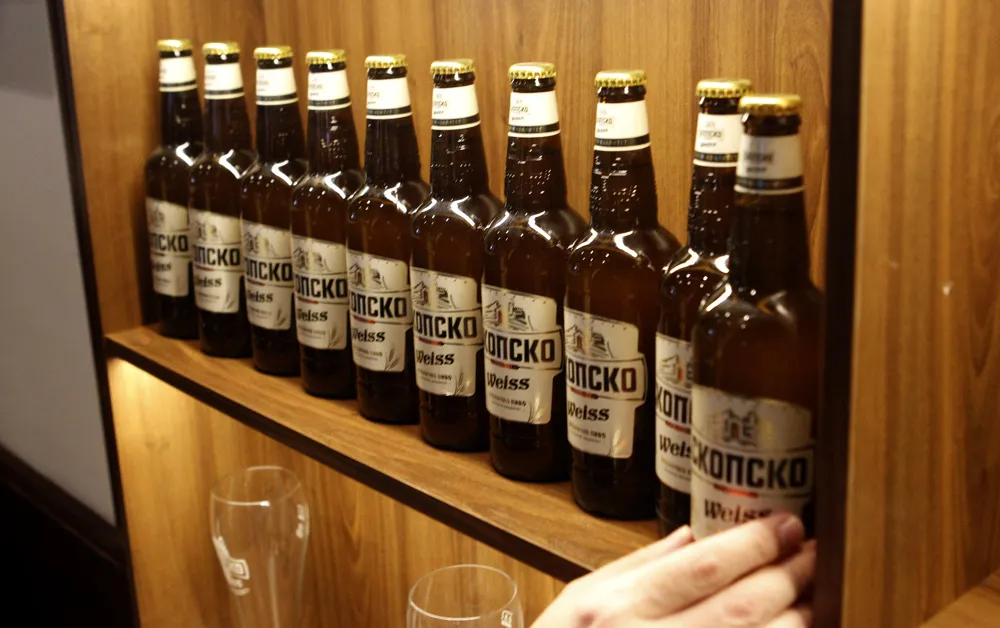
7.1 million litres exported against 3.08 million litres imported. Last year the picture was the reverse: we imported more than...
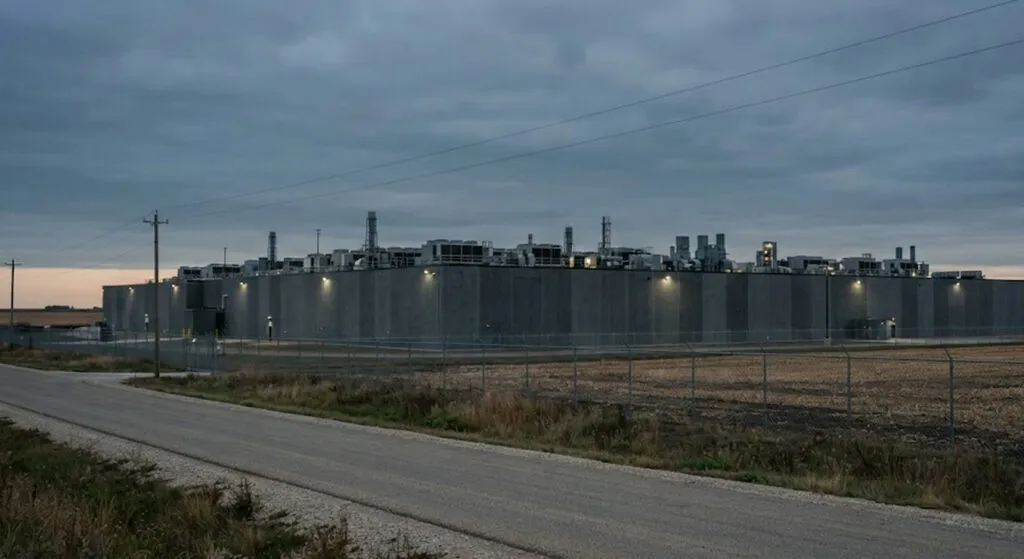
The head of AWS claims data centres don't use much water, don't push up electricity prices and barely pollute. One...

Almost a billion dollars raised, a waiting list of 300,000 people and a check-up insurance doesn't cover. Preventive medicine, or...

The pope isn't talking about style but about substance: the machine calculates on top of other people's images. The industry...
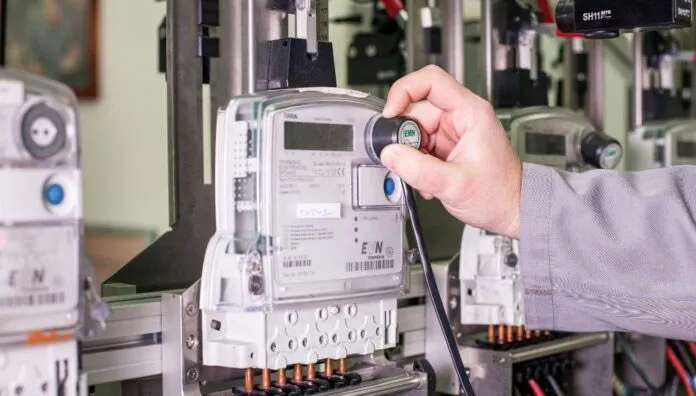
Since spring there has been talk of four hours of cheap daytime tariff and a cheap Saturday. A final decision...
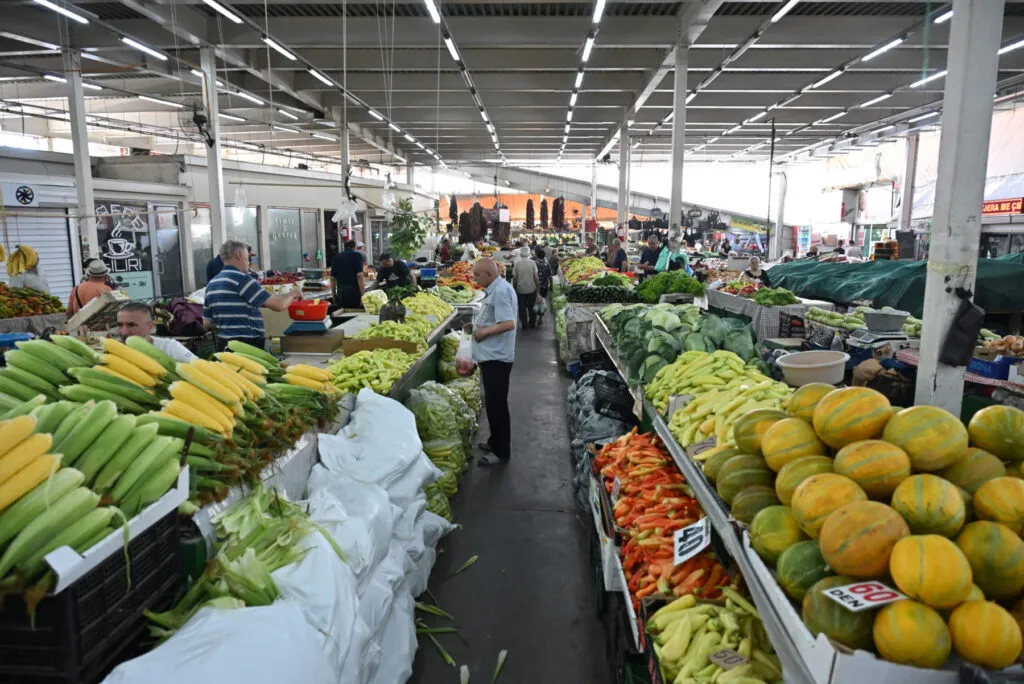
A register of buyers, written contracts, certified scales and fines scaled to company size. The question that remains is who...
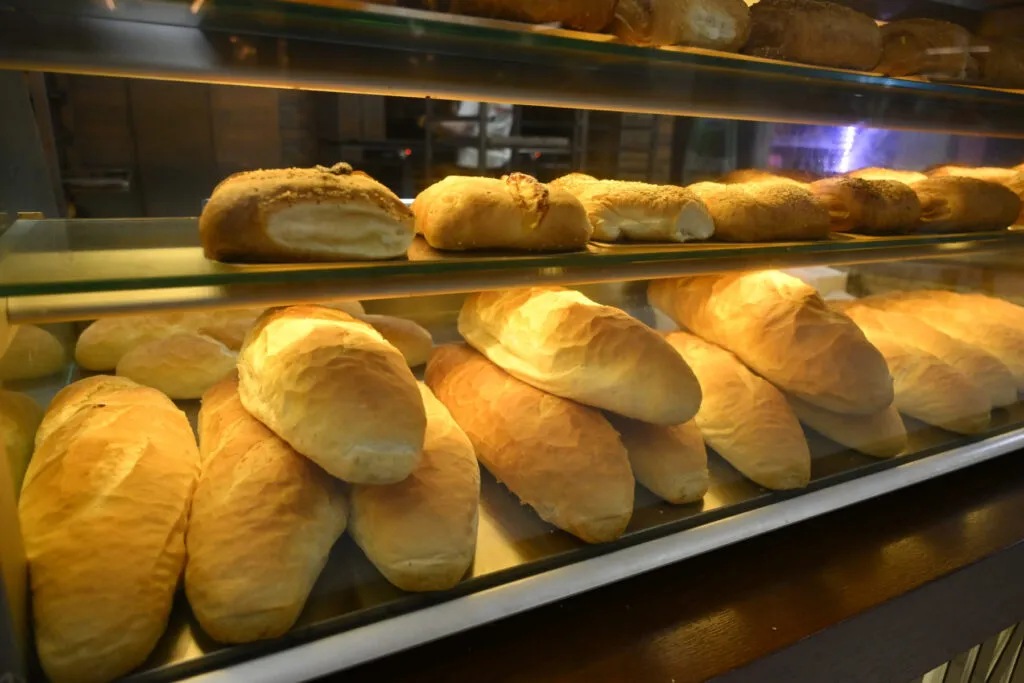
Global food prices are at their highest since November 2022. Bakers are holding on with old stock for now -...

A setting created for backups now hands AI agents the keys to the whole computer - messages, mail, browsing history....
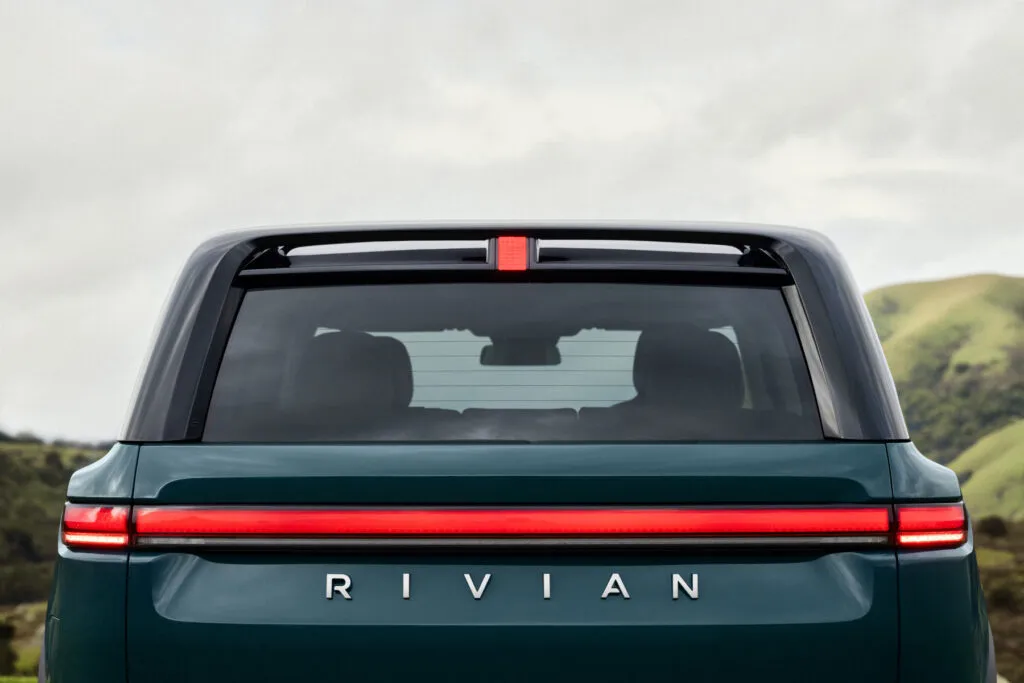
The cheaper SUV lifted deliveries by around 45 percent. Since June it has had two recalls, the latest over battery...
This site uses cookies - is that okay? Learn more
Be the first to know when Metla launches something new
Leave your email and we will write when there is a new guide or something new on Metla.