New Investigation Into the Owner of "Pulse": Prosecutors Say He Bought the Licence With a Bribe
02.10.2026


02.10.2026

02.10.2026

02.10.2026
02.10.2026

02.10.2026
02.10.2026

02.10.2026
01.10.2026

30.09.2026
02.10.2026

02.10.2026

01.10.2026

02.10.2026
02.10.2026

02.10.2026
02.10.2026
01.10.2026
30.09.2026

02.10.2026

02.10.2026

02.10.2026

02.10.2026

01.10.2026
01.10.2026

09.03.2026

27.02.2026

19.02.2026

02.10.2026
01.10.2026

01.10.2026

23.04.2026

23.04.2026

12.04.2026

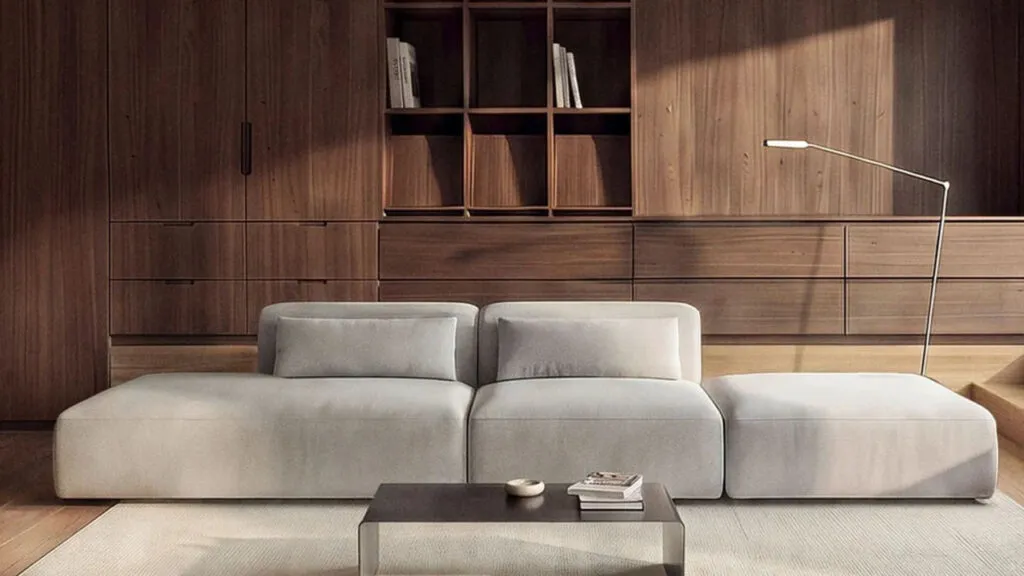
For years, Scandinavian style filled our homes with pale birch, beech and bleached oak. Now that reign is ending. In 2026, dark, elegant woods are coming back - walnut, cherry, chestnut - exactly the ones many of us remember from our grandparents' living rooms, and which were long written off as "old-fashioned".
Wood isn't disappearing from interiors - quite the opposite. We love it because it's beautiful, natural, authentic, warm and inviting. Next to it in modern homes sit other natural materials: linen and cotton in textiles, rattan and jute as plant fibres, marble and granite as natural stone. They all share one quality - they don't date.
Why pale wood lost its crown
Pale wood was long the interior designers' favourite thanks to Nordic style, which relied on birch, beech and light oak. As the Scandinavian look fades into the background, pale wood stops being the only choice. Today people want deeper, warmer tones that create a strong contrast. Pale wood isn't vanishing - oak keeps its place, just with a wider range of shades.
Dark wood is returning for three reasons. First, we're tired of pale and want more contrast, warm neutrals and pronounced textures. Second, a dark piece of furniture against a light, neutral backdrop stands out far more and creates a cosier, warmer atmosphere. Third, mid-century modern is in high demand again - and walnut is precisely the wood of mid-20th-century furniture.
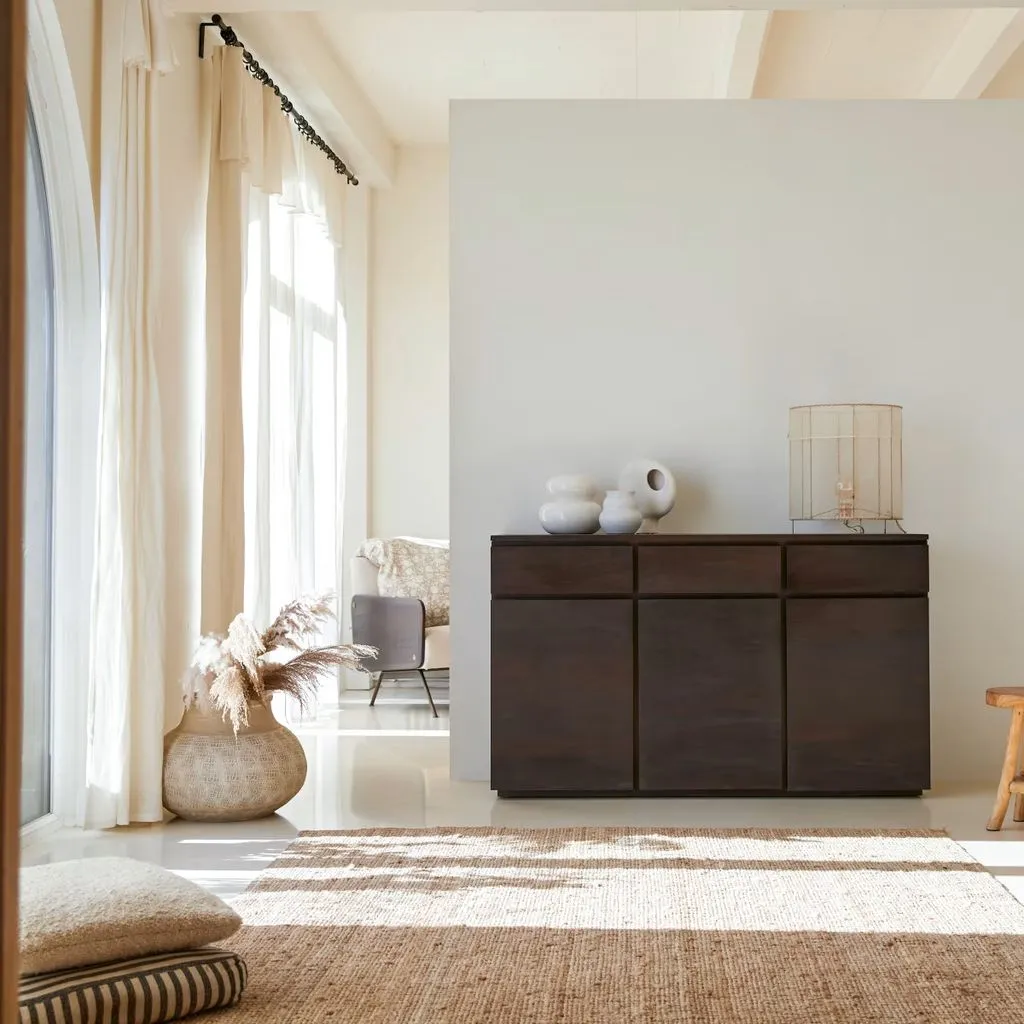
Walnut leads, ebony and wenge follow
European walnut is the most sought-after, along with American black walnut. It's a dark wood ranging from mid-brown to deep chocolate, with greyish or reddish undertones. Aged or darkened woods with knots and bold grain are also on trend, bringing a rustic character.
Oak stays, but now darkened, with a deeper finish that keeps the characteristic grain of natural oak. Ebonised ash is coming back too - natural ash with a very dark, almost black finish. It's perfect for smaller furniture, but also for big pieces like bookcases, dining tables or wardrobe fronts. Woods with wavy, twisted or irregular grain and lots of knots are especially in demand - for one-off pieces that become the star of the room.
Among the darkest are two classics. Wenge is a hard, heavy wood with a very deep colour and black streaks, mostly used for furniture and veneer. Ebony is dark wood in its purest form: deep black, very dense and hard, with a fine, even texture. It's used for inlays, furniture details and small objects - the material of luxury cabinetmaking.
Where to bring in dark wood
The designers' advice is clear: don't swap every pale surface for a dark one. Start with a few smaller dark-wood pieces and combine them with the pale ones you already have - they'll stand out on their own. In the living room, dark wood can take the lead through decorative panels or a big piece of furniture: one large walnut bookcase against a pale wall looks great. In the bedroom it suits a headboard, bedside tables or a chest of drawers, with light bedding. In the kitchen - dark cabinet fronts with pale natural-stone worktops.
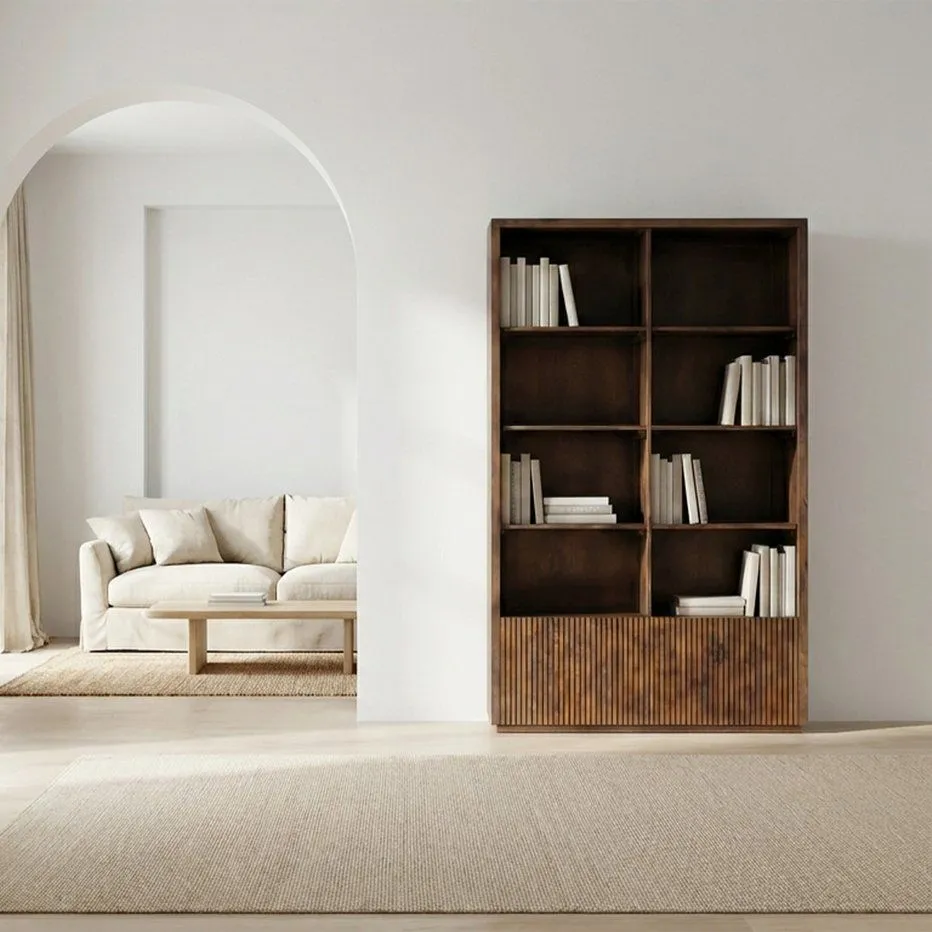
Dark, but not dated
The difference between today's dark interior and the old one is the shape. Dark wood now appears in contemporary, modern forms, and the trend celebrates irregularity: uneven grain, knots, shifts in tone. For a sharper modern effect, dark wood is paired with light-toned stone, glass and boldly textured fabrics. Light-coloured walls are the simplest way to keep dark pieces from weighing a room down.
Three materials make ideal company. Pale natural stone - marble, limestone or granite - brings in light and mineral texture, travertine being the perfect example. Metal such as brass, bronze or antique gold adds a gleam that lifts the whole look. And pale wood next to dark creates contrast without a single extra colour - walnut and light oak are a near-perfect couple.
Dark wood isn't only for small pieces. It can cover an entire kitchen or a wall-to-wall bookcase, as long as everything else around it stays simple and light. How many dark-veneer wall units ended up in the skip in the nineties - while today designers sell the very same shade as the latest trend? Maybe it's worth one more look at what's sitting in your parents' basement.
The latest 10 news from this category
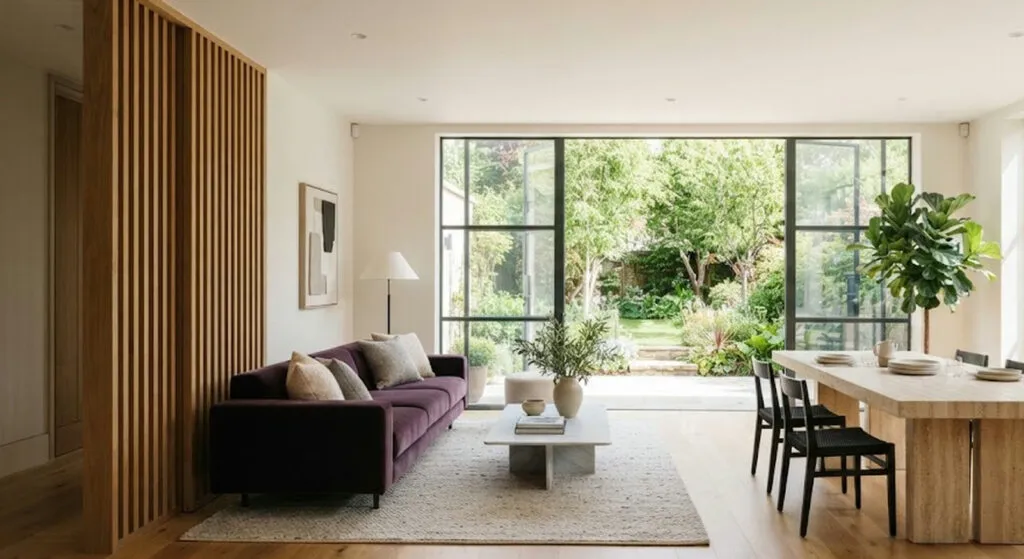
Bisbal is heading off on tour and leaving behind a 3,000-square-metre home, garden included. The best trick in it works...
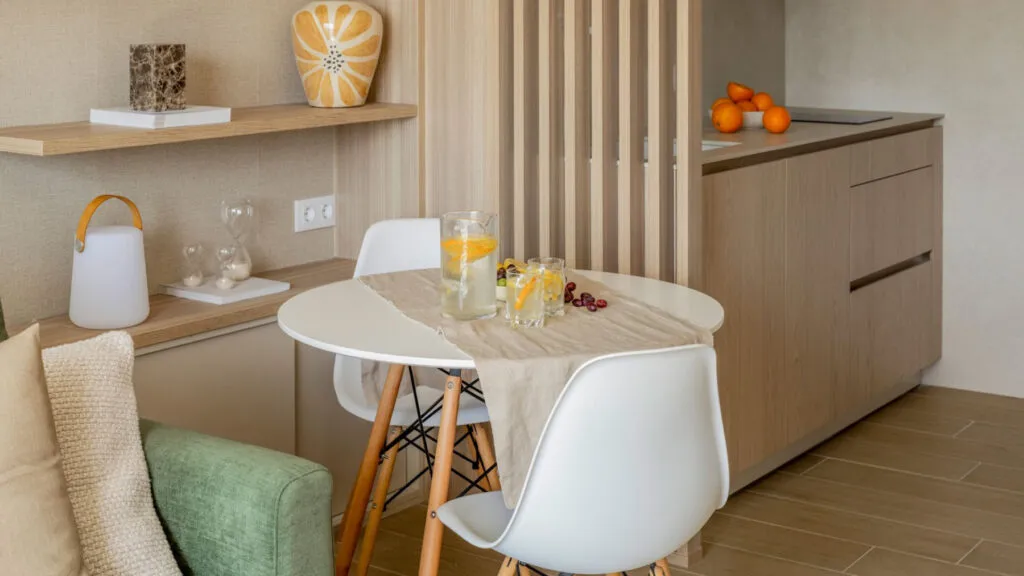
You don't buy more square metres, you find them: five decisions from a small holiday flat that work for any...
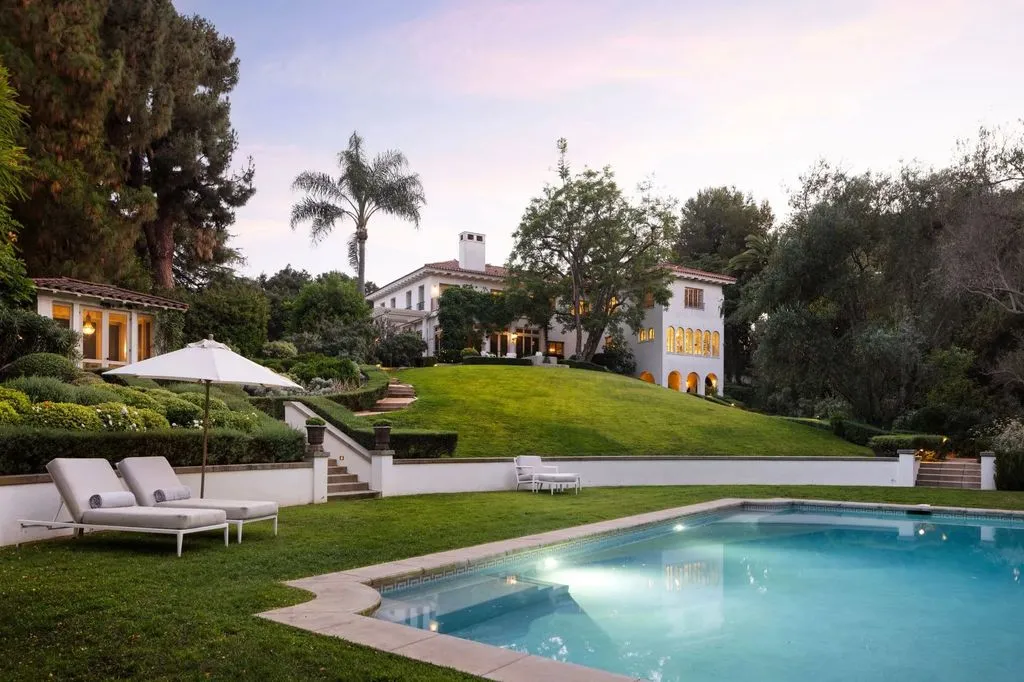
A house from 1913 with six bedrooms, ten bathrooms and a 12-metre pool. Before her, it belonged to the director...
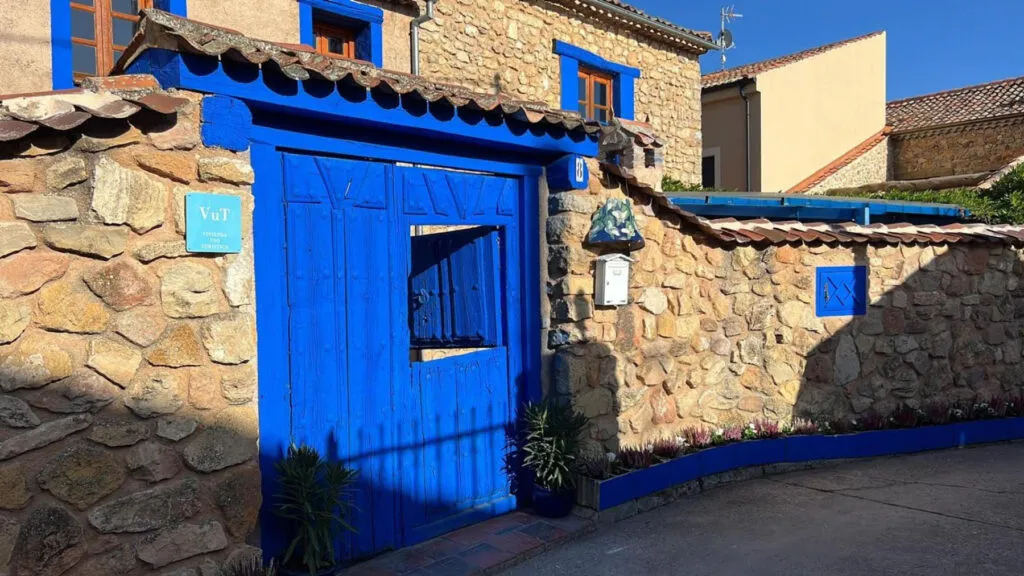
The former model and actress swapped a luxury Madrid suburb for a village of about a hundred people and refused...
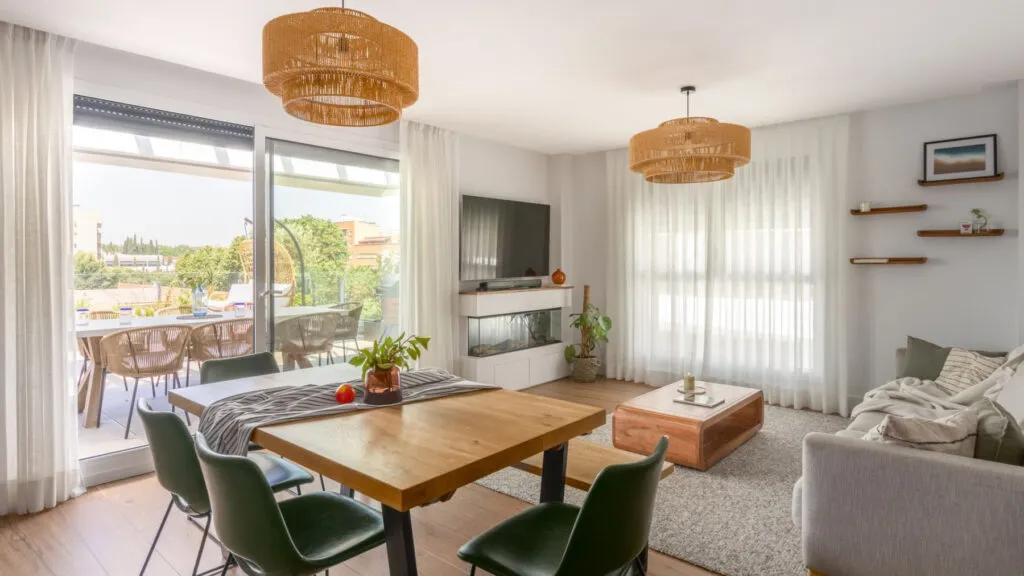
A new flat with great light that didn't feel like home. The designer didn't demolish anything - she changed the...
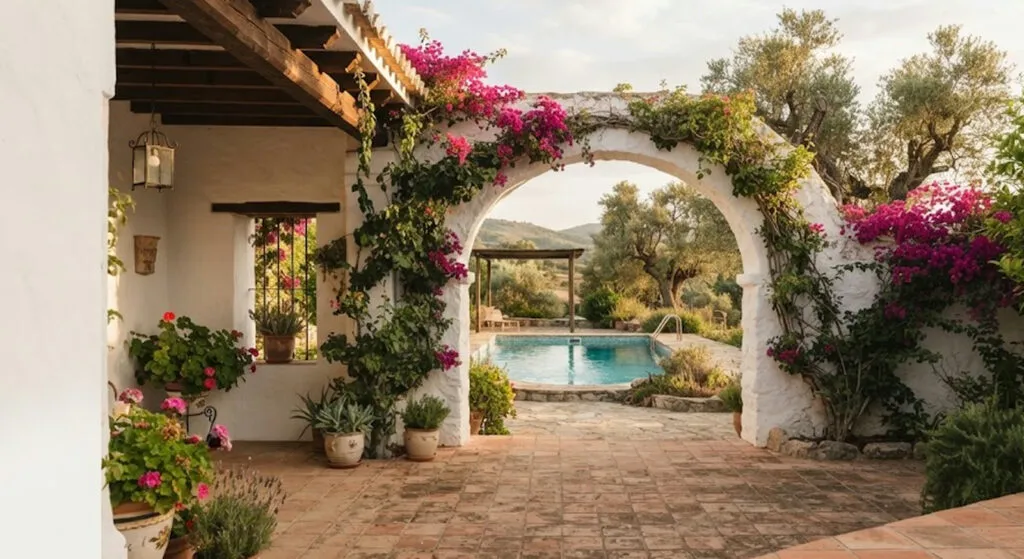
An old mill bought more than 30 years ago that his daughters still keep coming back to. Whitewash, stone and...
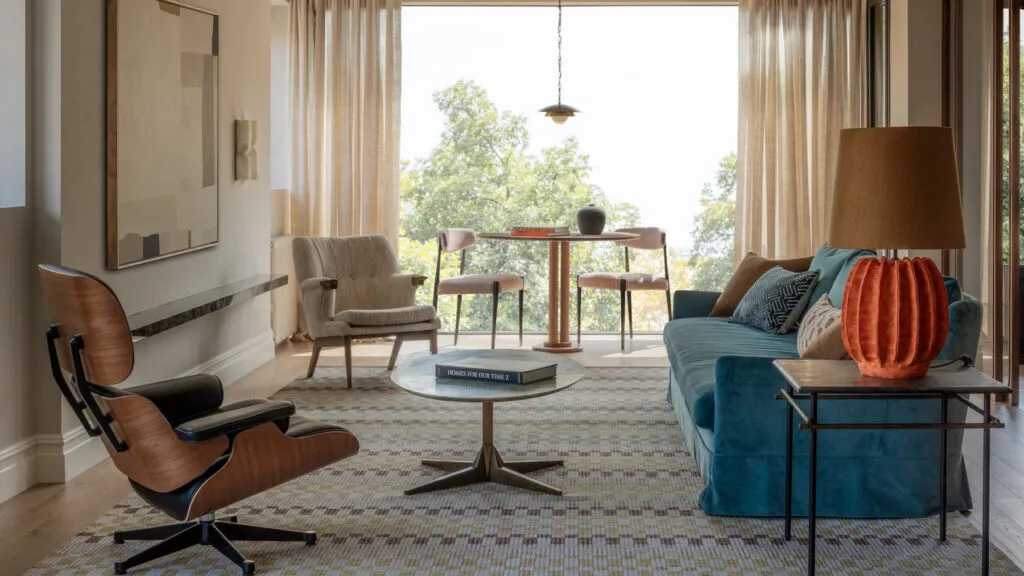
Luxury isn't about showing off, it's about detail, says the architect. That's why the best light in this flat went...
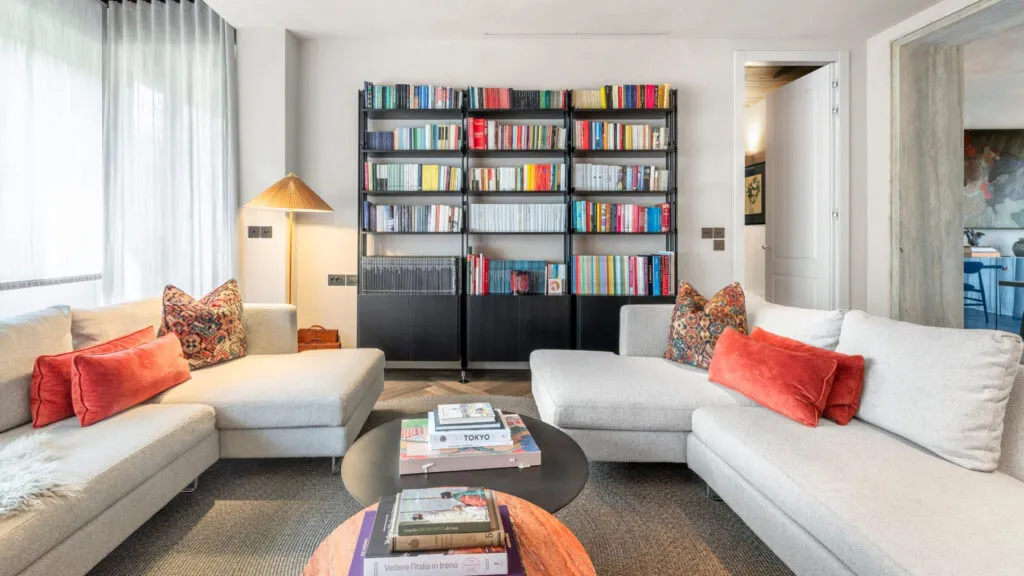
The exposed brick and ribbon windows stayed, and the entire palette came out of a single painting above the sideboard....

An Eames lounge chair from 1956, a Fratini shelving unit and a concave cobalt mirror that reflects the room curved....
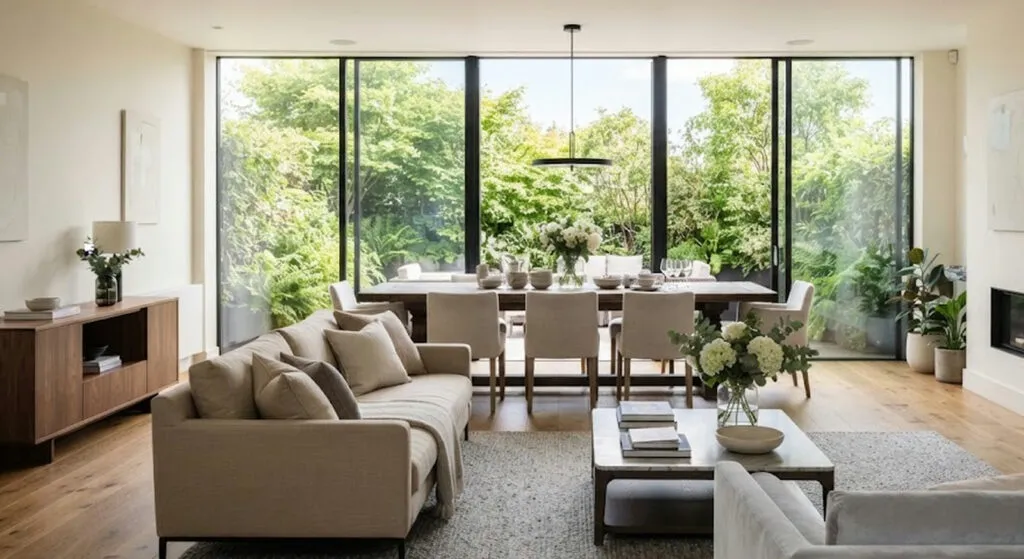
Four bedrooms, four bathrooms and one rug that keeps the dining area separate without a wall. Three things in this...
This site uses cookies - is that okay? Learn more
Be the first to know when Metla launches something new
Leave your email and we will write when there is a new guide or something new on Metla.