The Stone Dolls Had Their Own Toll Booth: Detention for the Woman Who Seized Kuklica
05.08.2026



05.08.2026

05.08.2026

05.08.2026

05.08.2026
04.08.2026
04.08.2026

05.08.2026

05.08.2026
04.08.2026

05.08.2026

05.08.2026

05.08.2026

05.08.2026

04.08.2026

03.08.2026

05.08.2026

05.08.2026

05.08.2026

05.08.2026

05.08.2026

05.08.2026

09.03.2026

27.02.2026

19.02.2026

05.08.2026
04.08.2026
03.08.2026

23.04.2026

23.04.2026

12.04.2026
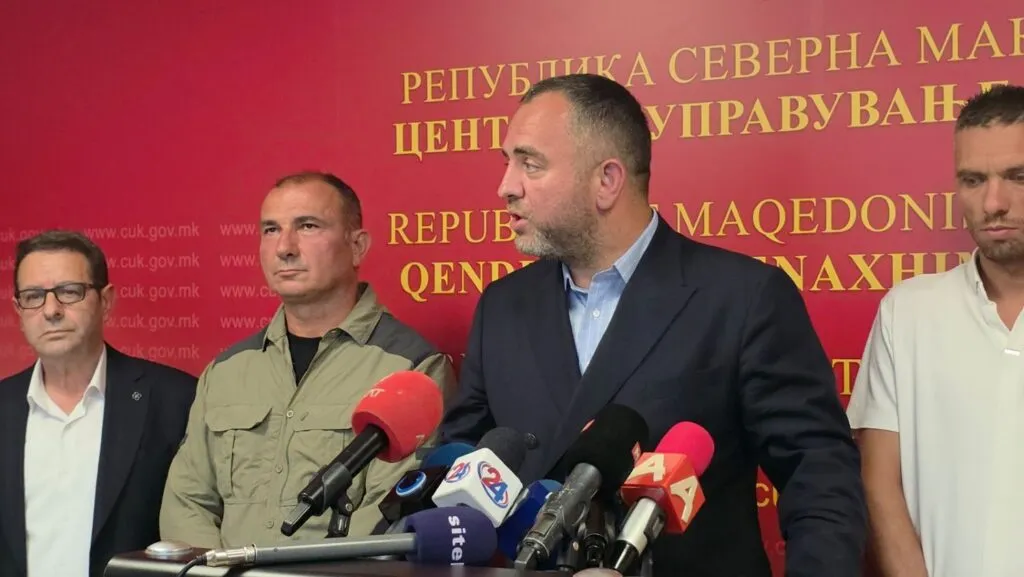
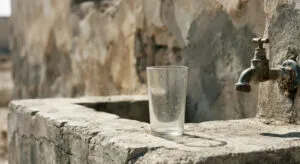
The nineteenth day since the water in Gostivar was declared undrinkable. After a session of the Crisis Management Unit, Interior Minister Panche Toshkovski said what the town already knows: there is still no water that can be declared safe. It can only be used for non-drinking purposes - personal hygiene and cleaning at home.
Lifting the ban requires three consecutive clean analyses from every measuring point. The Institute of Public Health, the Food and Veterinary Agency and the waterworks specialists will increase the number of tests. In the past 24 hours, 78 people with symptoms were examined at the Gostivar hospital - a falling number, but one that still means citizens go to a doctor every day because of tap water.
The appeal that says everything: let the water run
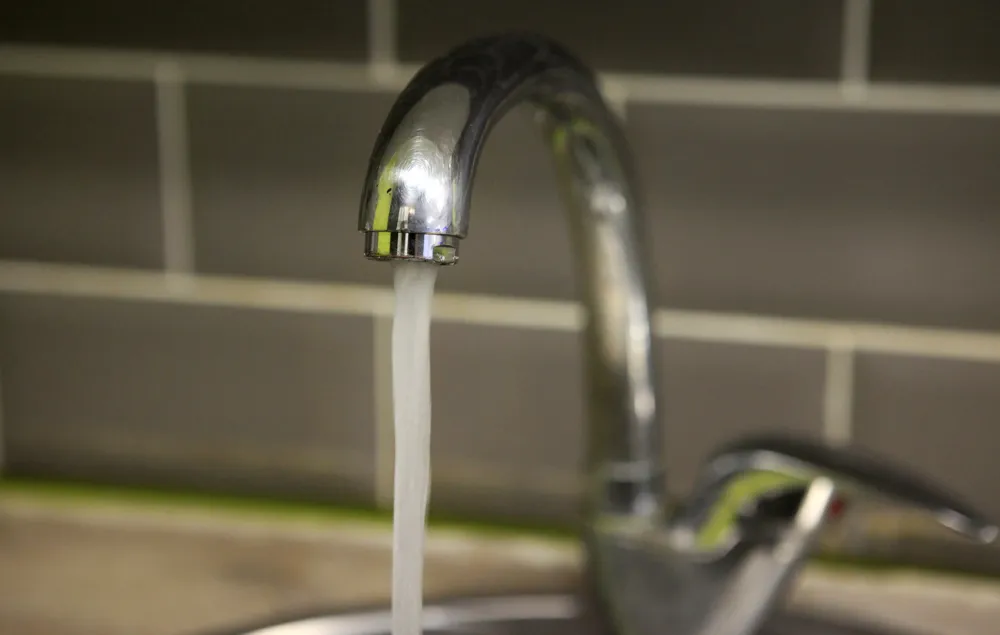
Toshkovski appealed to residents to let the water run through their taps as much as possible, since alongside hyperchlorination it is the only way to speed up the flushing of the network. So, in the driest and hottest stretch of the year, the official advice is to waste water in order to clean it.
The bacterium Pseudomonas aeruginosa was found in several samples. Emilija Anevska, head of the Skopje waterworks laboratory, says its appearance is not unexpected - it emerges from standing water in pipes that does not flow. The explanation is technical and it is correct. But this is a second problem stacked on top of the first, and the first one was far worse.
Twenty-two days of sewage in the town's water supply
This is the figure that must not get lost in the daily bulletins. The water has been banned since 17 July, after the authorities established that for 22 days the pumps had been feeding sewage-contaminated water into the town's supply. An epidemic was declared on 19 July. On 21 July the government declared a 30-day state of crisis.
Twenty-two days. Not two, not five - twenty-two. That is how long one installation ran wrong without anyone noticing, in a town of tens of thousands. By 3 August the number of registered cases had reached 4,762 people.
Now there is measuring, chlorinating, flushing, reporting. All of it is correct and all of it comes after the damage is done. The crisis unit is functioning flawlessly - but the crisis unit exists because routine inspection did not. Who is going to answer for those 22 days?
The latest 10 news from this category

The city is paying out, and that is good. But when twelve hundred patients ask a local authority for one-off...
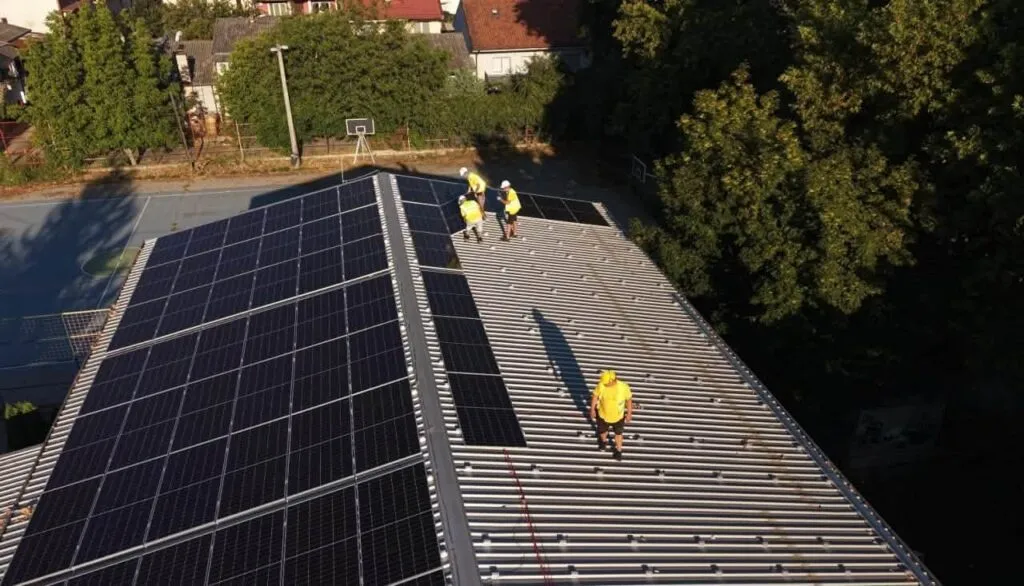
The first project of its kind in the country, with no money from the municipal budget. What remains unknown is...
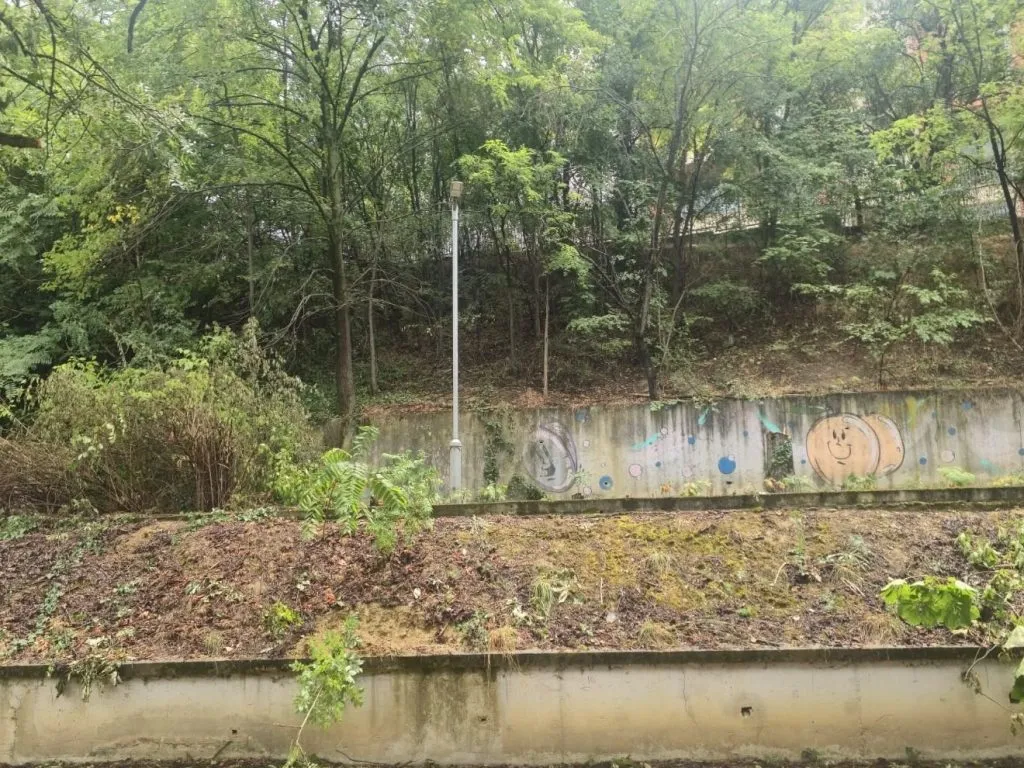
The new structure has wider foundations than the old one - a quiet admission that the previous ones weren't enough....
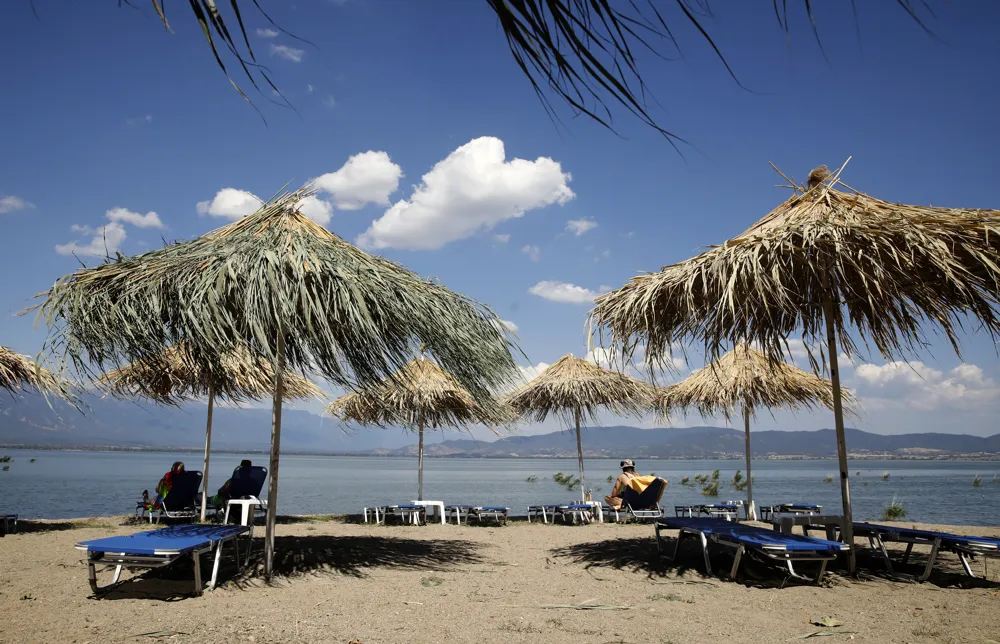
Microbiologically clean at all three beaches. Foam on the shore, greenish biomass and proliferating algae stay unchecked until the Hydrobiological...
The public call runs to 12 August for more than 100 enrolled first-graders. Resen did something concrete - the question...

38.1 degrees in Gevgelija yesterday, an orange warning today. The appeal to avoid the sun between 11am and 5pm means...
The same week two mini hydro plants are being dismantled on Šar Planina, a door opens for new ones on...
An Ohrid author raised the issue of unaccompanied minors packed ten to an apartment. Parental responsibility is the easiest target...
From Bitola to Kumanovo, from Lipkovo to Veles. The crisis centre is urging people not to light fires - and...
Pseudomonas aeruginosa is resistant to many common antibiotics. Authorities promised clean water by the end of last week - the...
This site uses cookies - is that okay? Learn more
Be the first to know when Metla launches something new
Leave your email and we will write when there is a new guide or something new on Metla.