
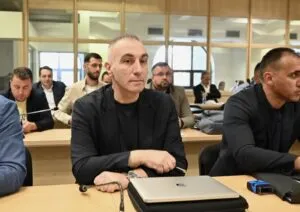
The "Lottery" Trial: 231 Pieces of Evidence, and So Far Not a Single Message Between Grubi and Bajrami
24.09.2026


24.09.2026
24.09.2026
24.09.2026
24.09.2026
24.09.2026
24.09.2026
24.09.2026
23.09.2026
22.09.2026
24.09.2026

24.09.2026

23.09.2026

24.09.2026

24.09.2026

24.09.2026
24.09.2026
23.09.2026
22.09.2026

24.09.2026

24.09.2026

24.09.2026

24.09.2026

23.09.2026

23.09.2026

09.03.2026

27.02.2026

19.02.2026
24.09.2026
23.09.2026
22.09.2026

23.04.2026

23.04.2026

12.04.2026

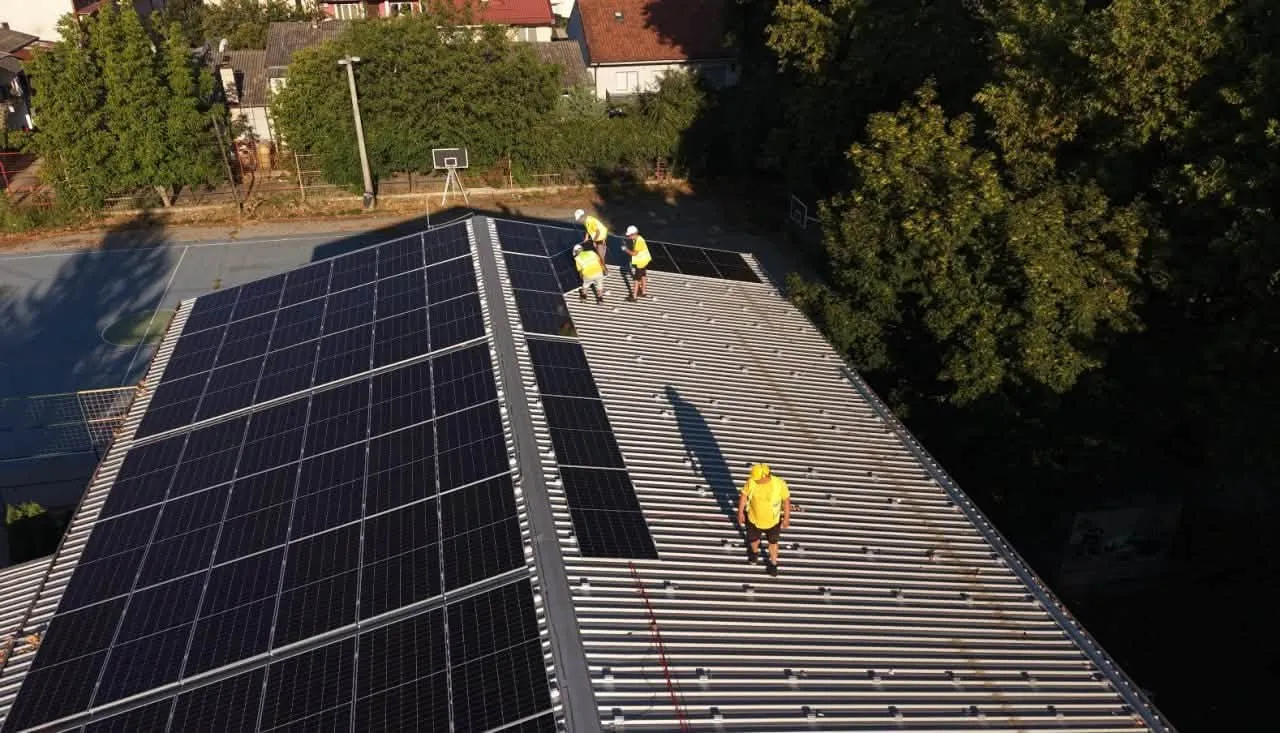
The municipality of Gjorche Petrov will install photovoltaic systems on the roofs of all seven of its primary schools. The project is being delivered through a public-private partnership and, as Mayor Aleksandar Stojkoski puts it, is the first of its kind in Macedonia.
The key part of the arrangement: the municipality is not putting in any of its own money. The project carries no additional financial burden for the municipal budget, and Gjorche Petrov will receive 18 percent of the revenue generated from electricity production.
Eighteen percent - who does this split favour?
This is the part that deserves attention, and in the press releases it appears only as a positive-sounding number. The municipality provides the roofs of seven public buildings, built with citizens' money, and in return receives just under a fifth of the revenue. The private partner carries the risk and the investment, and keeps the rest.
Is 18 percent a good deal? The answer depends on things that have not been published: how many years the concession runs, who pays for the electricity the schools themselves consume, what happens to the equipment when the contract expires. Without those details, a percentage is just a percentage.
Stojkoski defends the model like this: "With this project we are putting school roofs to use, producing clean and renewable energy, creating more sustainable and energy-efficient schools, and securing a new source of revenue that will be reinvested into projects in the interest of citizens."
The idea is sound. The roofs of public buildings sitting empty under the Skopje sun are an obvious resource, and schools are ideal - they draw power at exactly the hours when the panels produce the most. If the model works, other municipalities will copy it, and that is the whole point of a pilot.
But when a municipality signs a contract that outlasts a single mayoral term, the full documentation should be public before it is signed, not after. That is not suspicion aimed at this project - it is the minimum standard for any public-private partnership.
The latest 10 news from this category
The square metres and parking spaces were announced down to the last one. How many people will be hired and...
The mayors offered a "favourable business climate" and raw materials. The only concrete thing to come out of the meetings...
Home-address checks are being announced with the police as a partner, while the health minister admits that monitoring where sick...
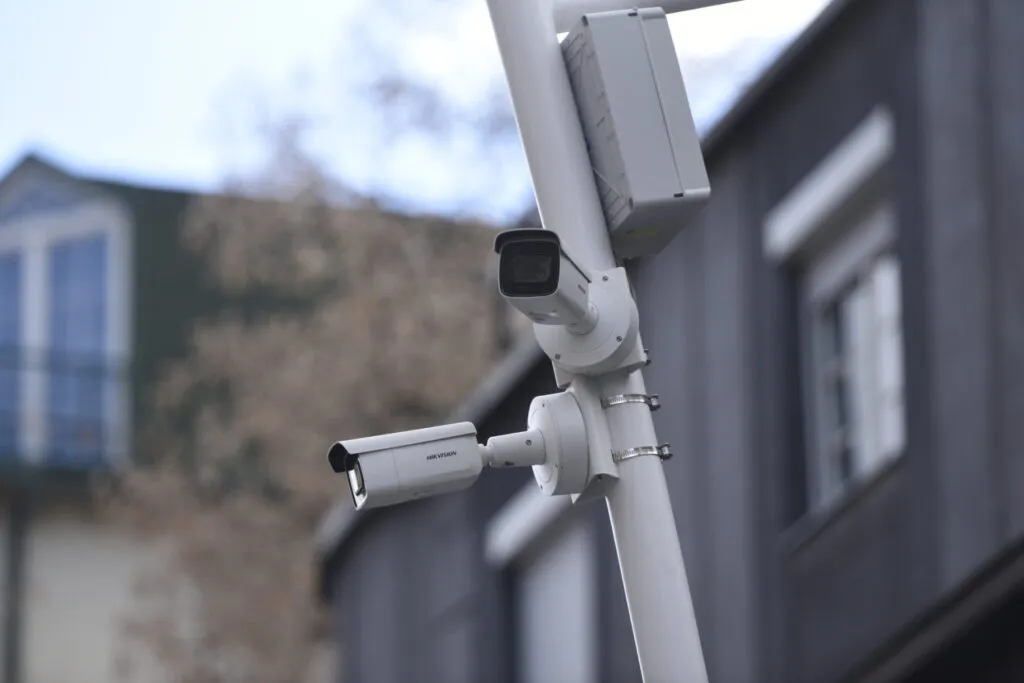
The city has announced round-the-clock video surveillance against illegal dumps and vandals, and the cameras haven't even been bought yet....
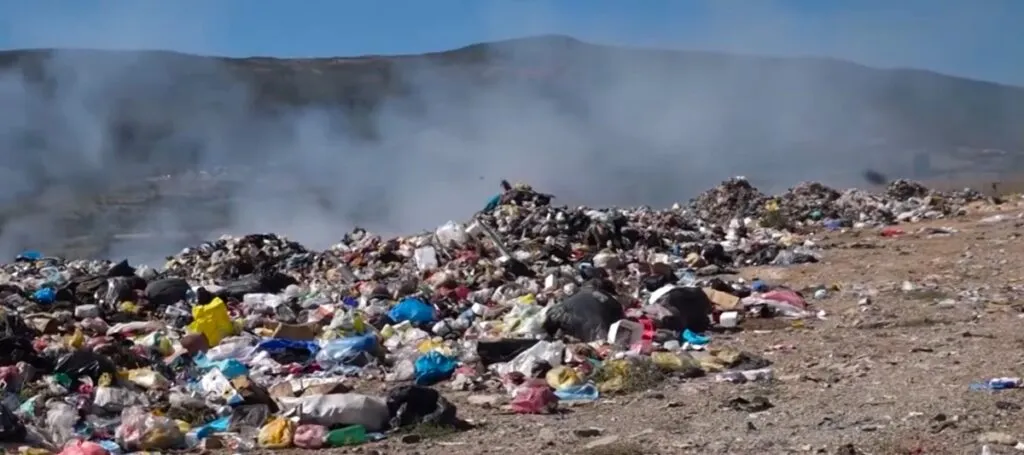
Residents want the trucks serviced; the company wants better packaging. Meanwhile, 650 cubic metres of illegal dumps were cleared in...
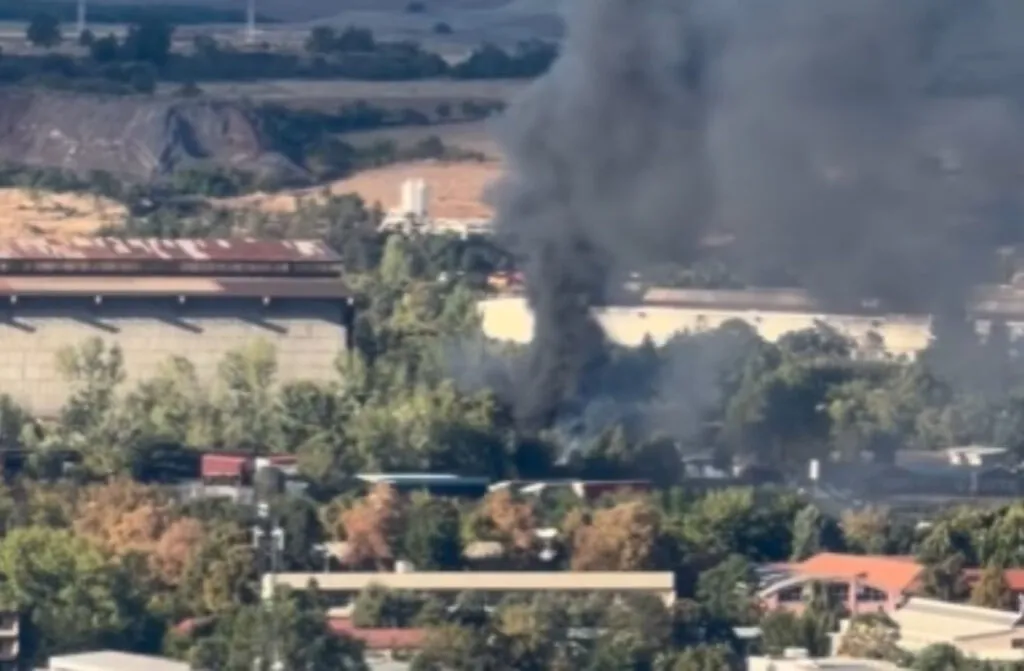
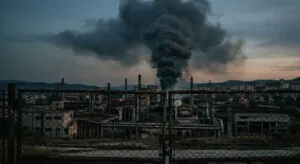
According to the Crisis Management Center, a paint and varnish warehouse was on fire. That explains why the smoke was...
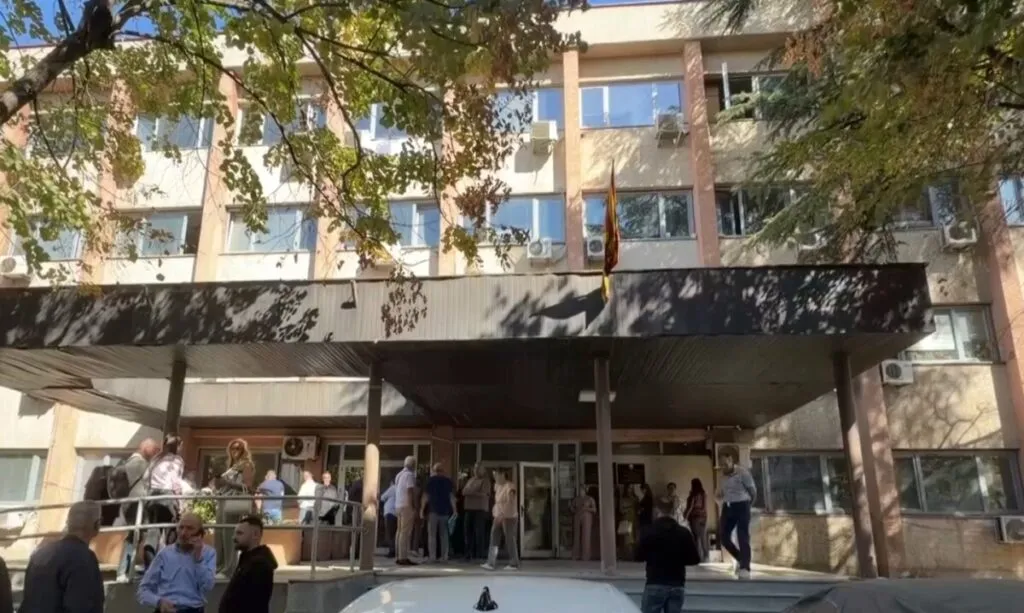
The union says staff have endured insults and threats from the court president for years. She says this is really...
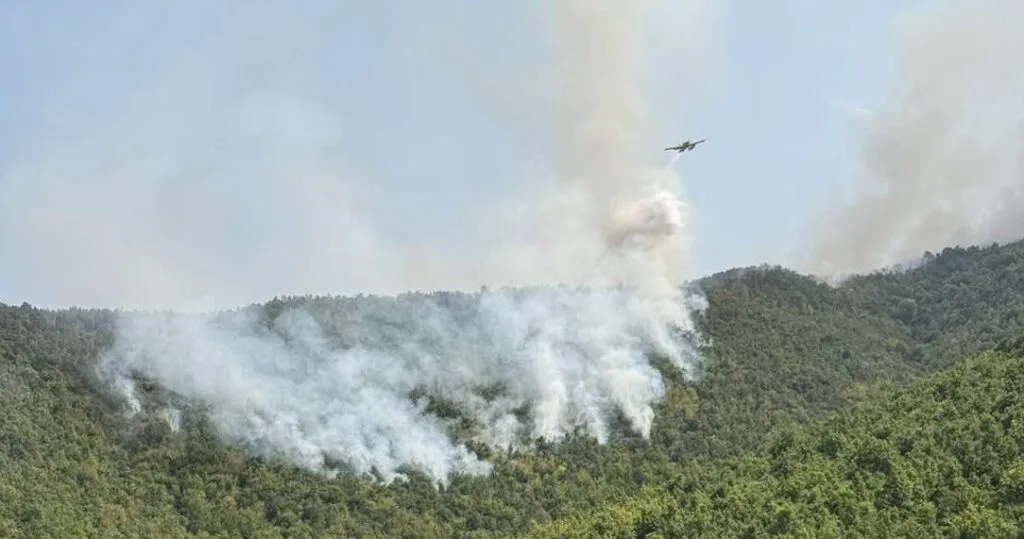
The state audit found a system that responds well and plans badly. The reforms were demanded by the EU screening...
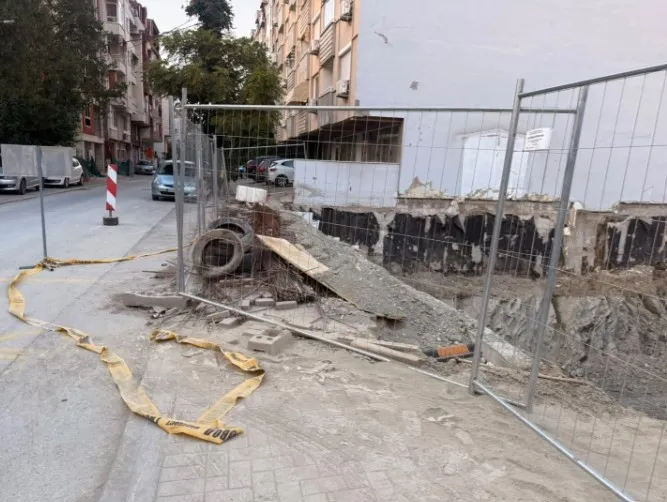
To fine a bar that is too loud, a citizen has to file a complaint at the municipal Registry. The...
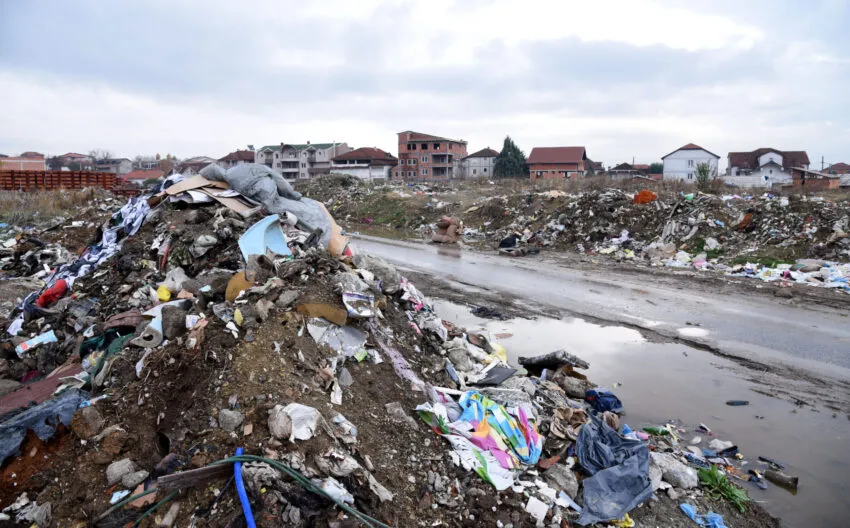
In Montenegro the same offence costs up to 2,000 euros. But the fine is not the only problem: Skopje's municipal...
This site uses cookies - is that okay? Learn more
Be the first to know when Metla launches something new
Leave your email and we will write when there is a new guide or something new on Metla.
