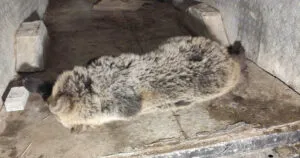
Bear cub killed on the Skopje-Tetovo motorway: the fence is a legal obligation, while the rescue team exists only in a Viber group
25.10.2026


25.10.2026
25.10.2026

25.10.2026
25.10.2026

25.10.2026

25.10.2026

25.10.2026

25.10.2026

25.10.2026

25.10.2026

25.10.2026

24.10.2026

25.10.2026

25.10.2026

25.10.2026

25.10.2026

24.10.2026

23.10.2026

25.10.2026

25.10.2026

25.10.2026

25.10.2026

25.10.2026

25.10.2026

25.10.2026
25.10.2026
24.10.2026

24.10.2026

22.10.2026

20.10.2026

23.04.2026

23.04.2026

12.04.2026

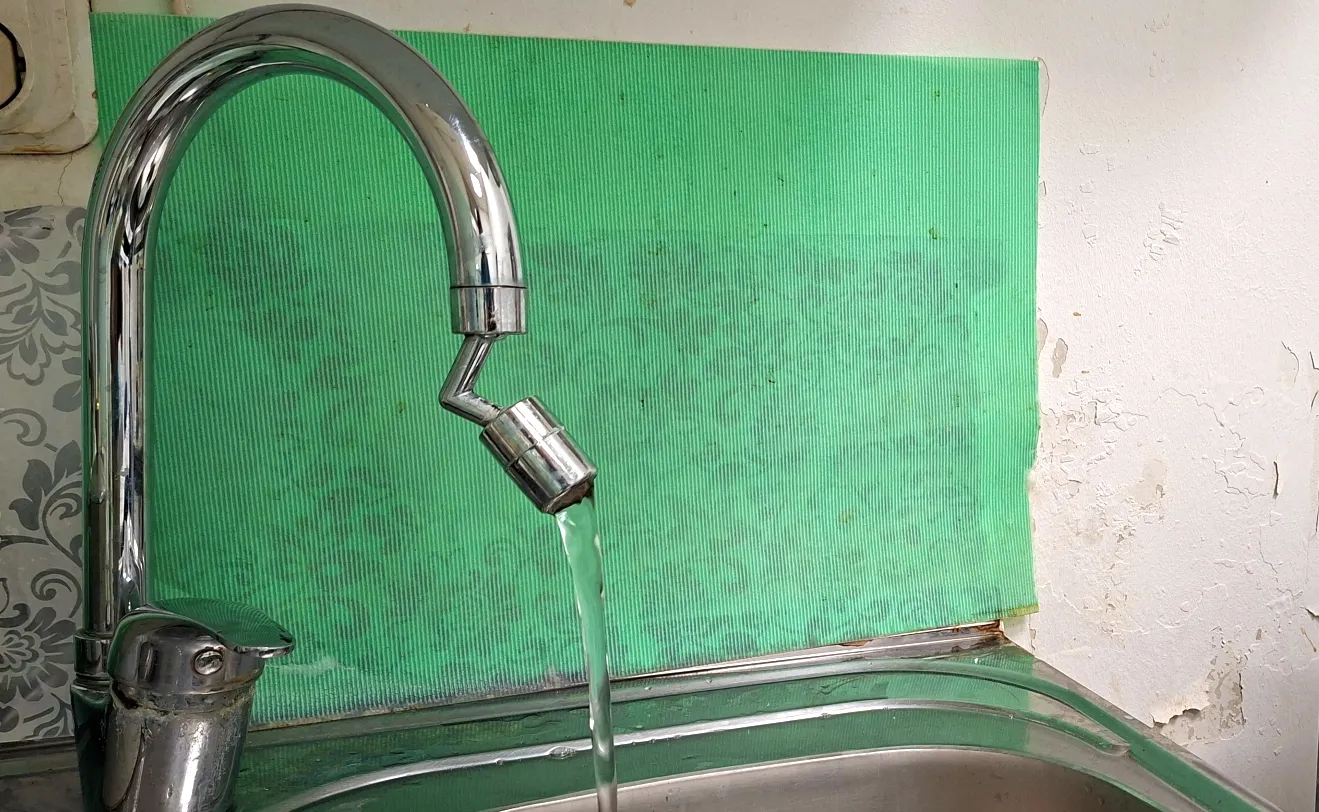
Struga had no water. People could not drink from the tap, or wash their hands. The cause was not drought, not a burst pipe, not an ageing network - two men and one company were mining ore near the springs that supply the town.
Police in Struga filed criminal charges against H.M., 50, and N.K., 54, both from the village of Velešta, and against a legal entity from the same village. The charges are usurpation of immovable property, unauthorised exploitation of mineral resources, endangering safety during construction works, and contamination of drinking water.
According to police, the digging was taking place across several cadastral plots - private, other people's, and state-owned - with no valid concession contracts. That means this is not a company that overstepped a permit. This is digging with no permit at all, on someone else's land, beside the Šum springs.
Thirty times over the limit
That is the number that says the most. The values measured in the drinking water exceeded permitted levels by more than 30 times. The result was a prolonged cut to the water supply and a ban on using the water for drinking, for personal hygiene and for washing hands.
A town with no water to wash hands with, in the twenty-sixth year of this century, because somebody was mining where they were not allowed to.
And this was not the first warning
The most uncomfortable detail in the whole story: six months ago the prosecution had already issued measures banning two companies from that area from accessing the plots and carrying out works near the Šum springs.
Six months. So somebody already knew digging was going on there, somebody already decided it had to stop, and somebody already put it in writing.
The ban existed. The digging continued. The water was contaminated.
The two men from Velešta are answering for what they did, and that is exactly as it should be - they dug, they chose to carry on. But alongside their responsibility stands a second question, and it is not for them: who was supposed to check whether the ban issued six months ago was being respected at all?
Because if the answer is nobody, then the next ban is worth exactly as much as this one was.
The latest 10 news from this category
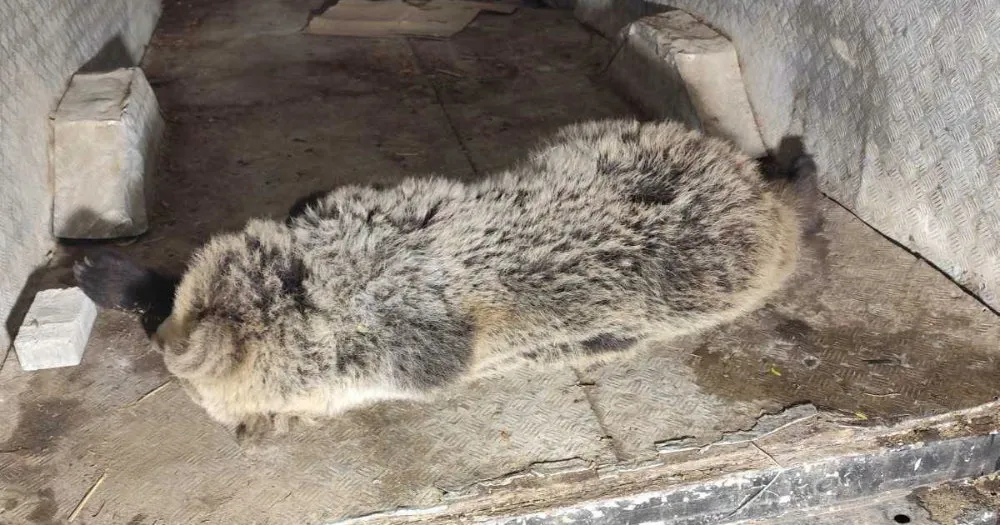
A young bear weighing 60-70 kilograms hit near Glumovo. The law requires wire fencing along the motorway, the environment inspectorate...
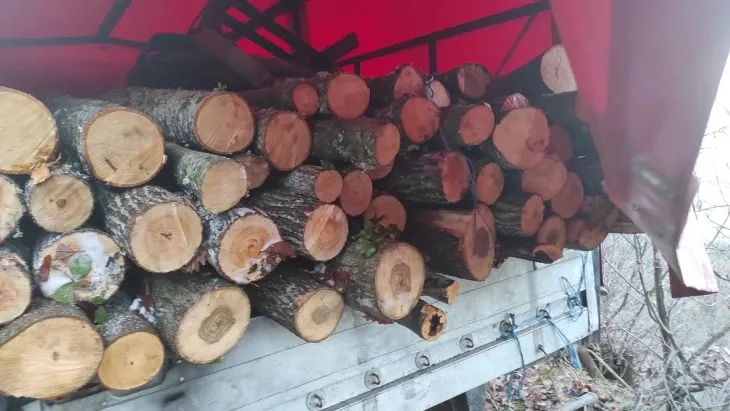
The stamp that makes timber legal was allegedly used by a haulier carrying 14 cubic metres of undocumented oak. A...

Thursday on "Nikola Tesla", Friday on "Ferid Bajram". Two serious crashes, two people seriously injured, and one more line in...
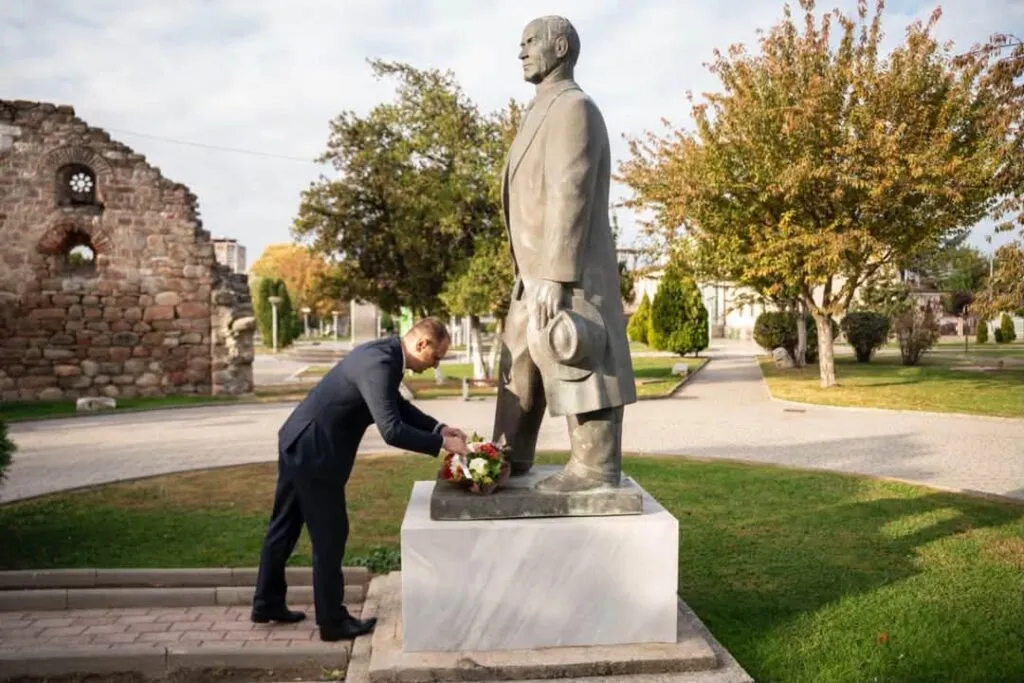
Wreaths, delegations and a message about building together. Chento, Gjorche Petrov and Pere Toshev left deeds, not speeches - the...

A day before Serbia votes, Filipche accuses Vučić of preparing to steal the election, while the same post calls for...
Protests from Tirana to Paris, and in Skopje the search is on for foreign spies. Arsovski names the uncomfortable reason:...

The party leader is also the prime minister, and ahead of the runoff he is on the ground in Brvenica....
VMRO-DPMNE says Centar is waving through construction with no parking and no greenery, the mayor says investors are blocking the...
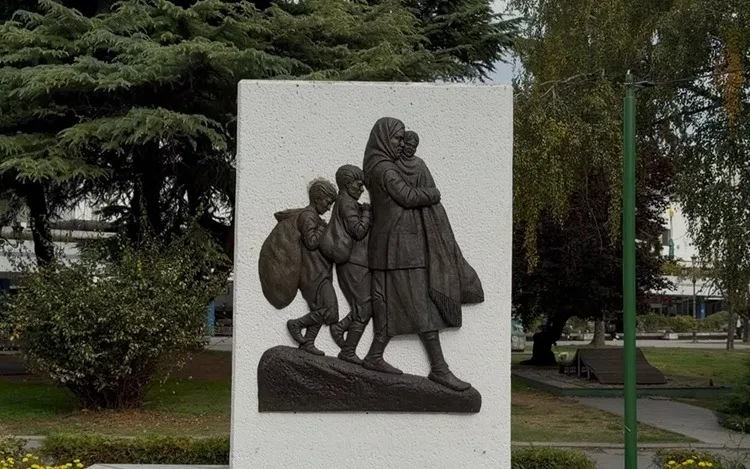
A mother fleeing with three children, the symbol of some 28,000 children driven out of Aegean Macedonia. Skopje restored the...

The police helicopter, airlines and academies from across the region in one place. Strong turnout - but how many of...
This site uses cookies - is that okay? Learn more
Be the first to know when Metla launches something new
Leave your email and we will write when there is a new guide or something new on Metla.