


They Rode In on Scooters, Torched the Shops and Left: The Fire in Shuto Orizari Burned for Three Hours, Setting It Took Fifty Seconds
13.09.2026


13.09.2026

13.09.2026

13.09.2026

13.09.2026

13.09.2026

13.09.2026
13.09.2026

12.09.2026

11.09.2026

13.09.2026
13.09.2026

12.09.2026

13.09.2026

13.09.2026

13.09.2026
13.09.2026

12.09.2026

11.09.2026

13.09.2026

13.09.2026

13.09.2026
13.09.2026

13.09.2026

12.09.2026

09.03.2026

27.02.2026

19.02.2026

13.09.2026

12.09.2026

11.09.2026

23.04.2026

23.04.2026

12.04.2026

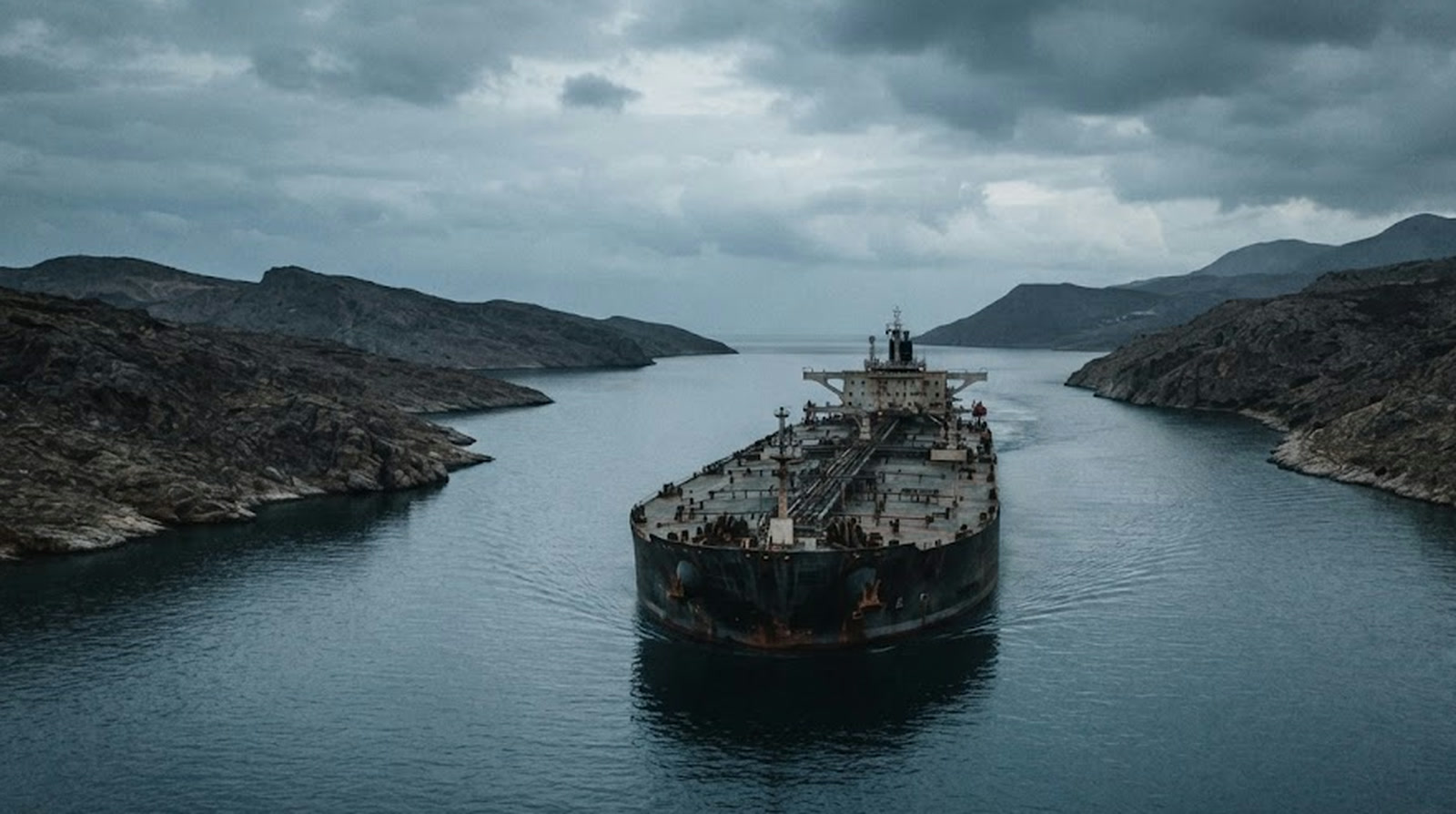
Iran has sent Oman its final offer for reopening the Strait of Hormuz, and it reads like this: one shipping corridor entirely under Iranian supervision, plus part of the second corridor also under Tehran. Nothing less.
Deputy Foreign Minister Kazem Gharibabadi announced this on Iranian state television. Oman had previously proposed a temporary regime replacing the current northern and southern routes with a fifty-fifty split: half Iran, half Oman. Tehran rejected the proposal.
„This is our final position”
„One shipping corridor through the strait must be entirely under Iranian supervision, and part of the second corridor under us as well. This is our final position,” Gharibabadi said, adding that Iran will not accept any other formula. If Oman does not accept the offer, Hormuz stays closed. He also stressed that Tehran is prepared for the conflict to flare up again.
The Strait of Hormuz is one of the most important maritime gates on the planet. A significant share of the world's oil trade passes through it, which means any closure or restriction of navigation translates immediately into supply disruptions and higher prices. A closed chokepoint does not issue a press release; the effect is felt at the pumps.
Negotiations with a US fleet in the background
Talks between Iran and Oman are running while mediators try to calm the American-Iranian crisis and open wider negotiations. According to published reports, Oman wants to secure safe passage for commercial vessels through Hormuz so the negotiating table can be restored on the basis of the June framework agreed between Washington and Tehran.
The United States insists on unrestricted passage. Iran wants control over the terms of transit. Behind all of it stands the American naval blockade of Iran and the suspension of air strikes introduced by Donald Trump, which left diplomatic space - and also a warning that the strikes can return if the talks collapse. Oman is briefing Washington on the discussions, but formally the US is not sitting at that table.
This is not distant news. When Hormuz closes, the price of oil does not ask who lives where, and the Balkans learned that in 2022 without a single Balkan signature on any document. The question is how long one side can keep shut a door through which the world's oil passes, and how long the other will pretend that is not a reason for war.
The latest 10 news from this category

Nobody said they do not trust Washington. Everyone is behaving as though they do not - gold, weapons, the cloud...

The warning reached the president three years before 9/11. The problem was not a lack of information, but that nobody...

In 1976 tradition demanded the future king choose a bride with no past. Thirty years later that same king married...
Five institutions declined to comment on damaged infrastructure the global oil market depends on. When that many addresses have nothing...
One unidentified object on the tracks, 180 passengers on board, 140 firefighters on site. The difference between railways is not...
We are preparing for war so that it does not come, Lukashenko says. Put the neighbours' numbers side by side...
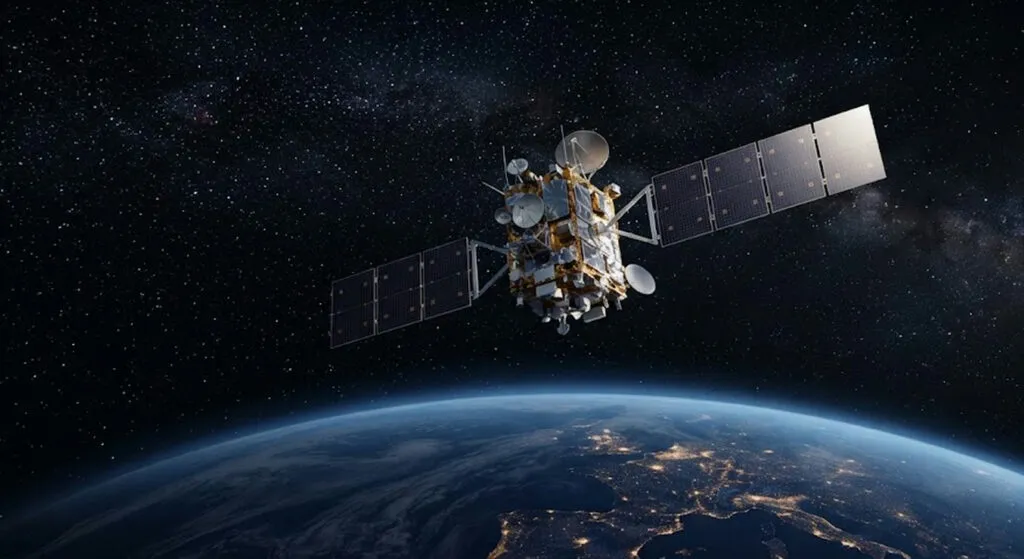
Three years ago the Polish army waited twenty days for satellite images, today it gets them in minutes. And one...

At 22 she had to become Norway's first lady because her mother had died. At 29 she married a divorced...

The tool lets you draw an area on a map and returns a list of everyone who posted to Instagram...

The Athens declaration of friendship lasted less than three years. Now the Aegean is being divided through ecological zones, while...
This site uses cookies - is that okay? Learn more
Be the first to know when Metla launches something new
Leave your email and we will write when there is a new guide or something new on Metla.
